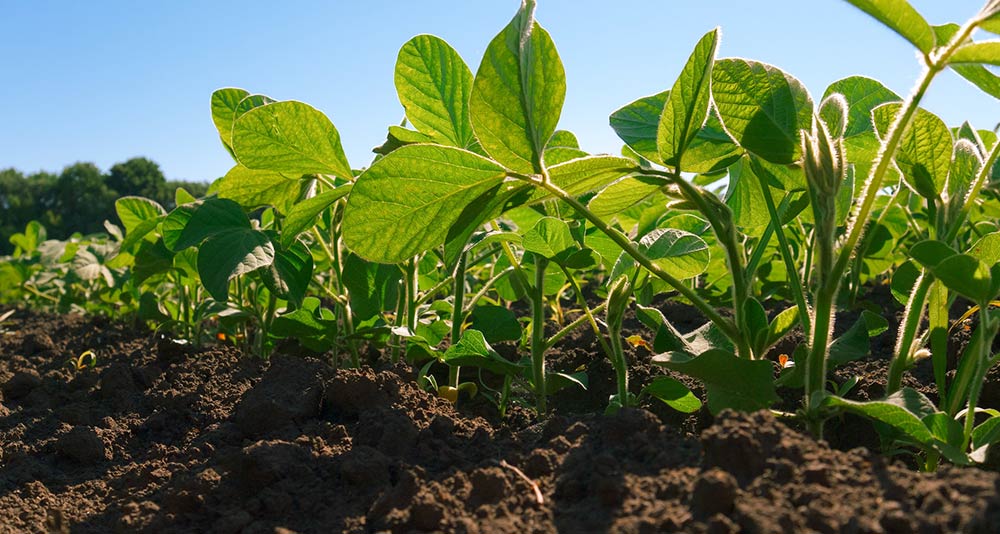

Water Management and Water Quality
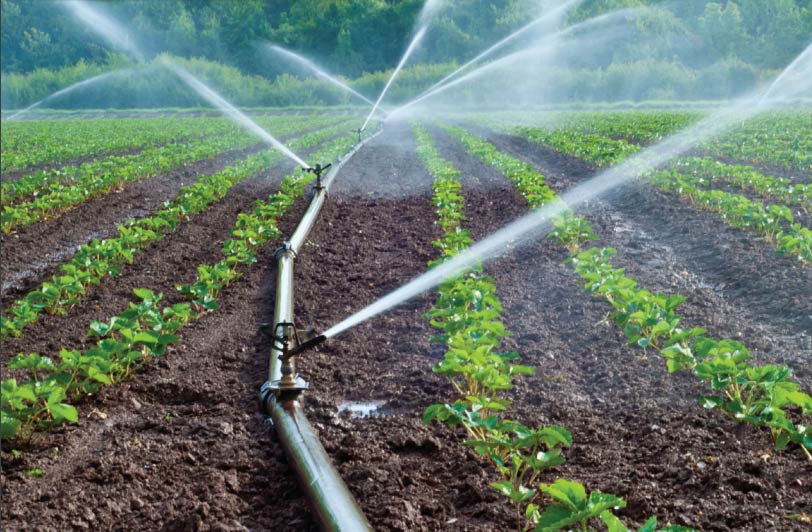
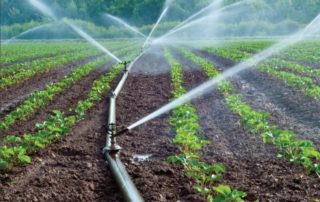
Efficient utilization of irrigation water is essential for production, economic, and environmental reasons, especially in regions with limited annual rainfall. In drought conditions, the major threat of inadequate water is crop failure. When surface water is unavailable, excessive irrigation from groundwater can deplete aquifers and lead to salt accumulations near the soil surface, which can harm soil life, degrade tilth, and reduce crop yields.
Nutrient Management for Crops, Soil and the Environment
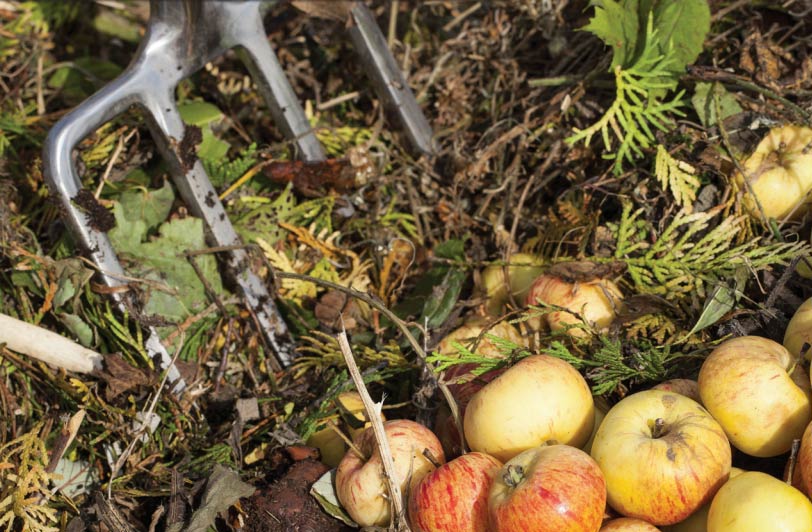
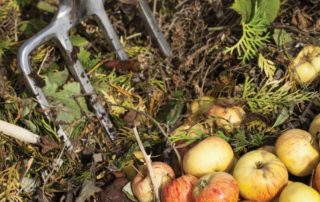
Throughout the history of organic farming, practitioners have recognized healthy, living soil as the foundation of crop, livestock and human nutrition (Howard 1847). Soil organic matter and soil organisms are the primary source of fertilizer on organic farms. In this context, the grower’s job is to protect and nourish soil life and replenish organic matter and nutrients removed in harvest.
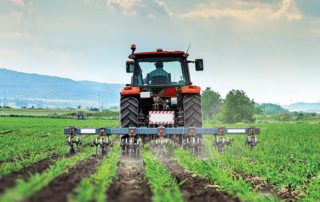
Practical Conservation Tillage
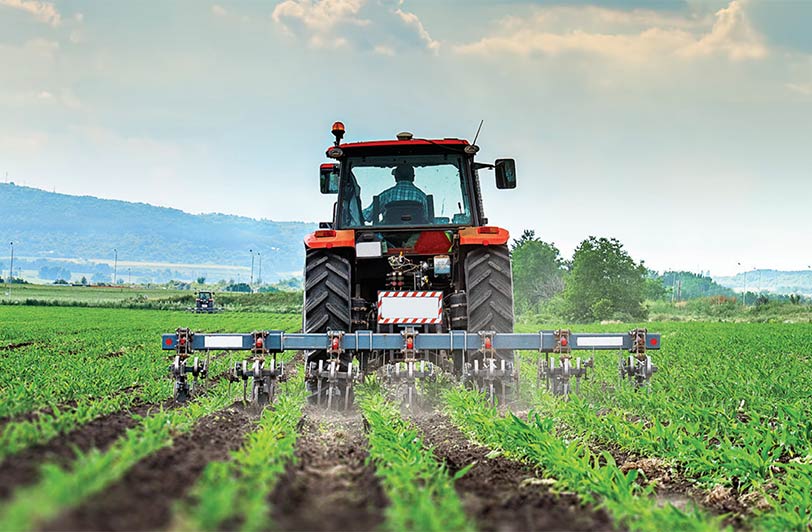
During the first half of the 20th century, growing concern with soil degradation gave rise to the soil conservation and organic farming movements to address soil erosion and declining soil health, respectively.
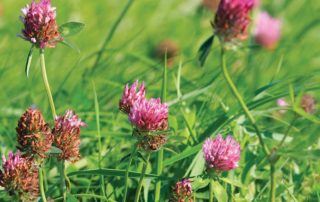
Cover Crops: Selection and Management
Learn how cover crops improve soil health and conserve resources in annual crop production systems.