
Written by: Mary Elizabeth Kidd, Communications Associate
As the Organic Farming Research Foundation (OFRF) team continues its work facilitating the USDA’s Transition to Organic Partnership Program (TOPP) to strengthen organic farming communities and encourage farmers to transition their farming systems for organic certification, we’re hosting Seeds of Success virtual networking sessions across the country.
These sessions give regional farmers a platform to share knowledge and ask questions about organic production systems and the organic certification process.
OFRF recently hosted a farmer- and researcher-led Seeds of Success panel discussion on the realities of pest and disease management for organic farms in the Northwest.
The featured panelists included:
Sarahlee Lawrence,
Rainshadow Organics (Oregon)
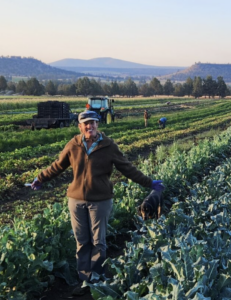
Ellie Costello,
Trust Land Farm (Montana)
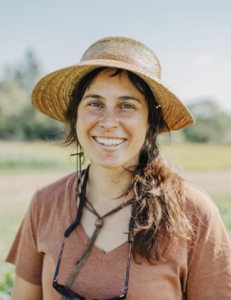
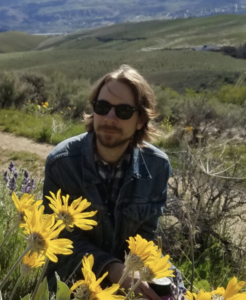
Dr. Robert Orpet,
Oregon State University
When Weather Stresses Crops, Pests Move In
Pests and disease outbreaks, intensified by weather variations, are a persistent reality for farmers in the Northwest.
Farmer panelists shared that environmental unpredictability, such as extreme drought in Oregon (Rainshadow Organics) and heavy, unpredictable rain in Montana (Trust Land Farm), is stressing plants, making them vulnerable to new and pre-existing threats, including beet curly top virus (BCTV), flea beetles, and spider mites.
During the discussion, panelists shared their backgrounds in farming and research, then each dove into key challenges on the pest and disease front and the tactics and tools they use to try to mitigate damage done and preempt future crop loss.
The common themes of tenacity and critical thinking rang through, along with two wise concepts: diversity equals resilience, and just because a tactic or treatment fails doesn’t mean you’ve failed as a farmer. “‘You’re definitely trying’ is a mantra I need left and right when starting,” Ellie Costello echoed.
Meet the Panelists
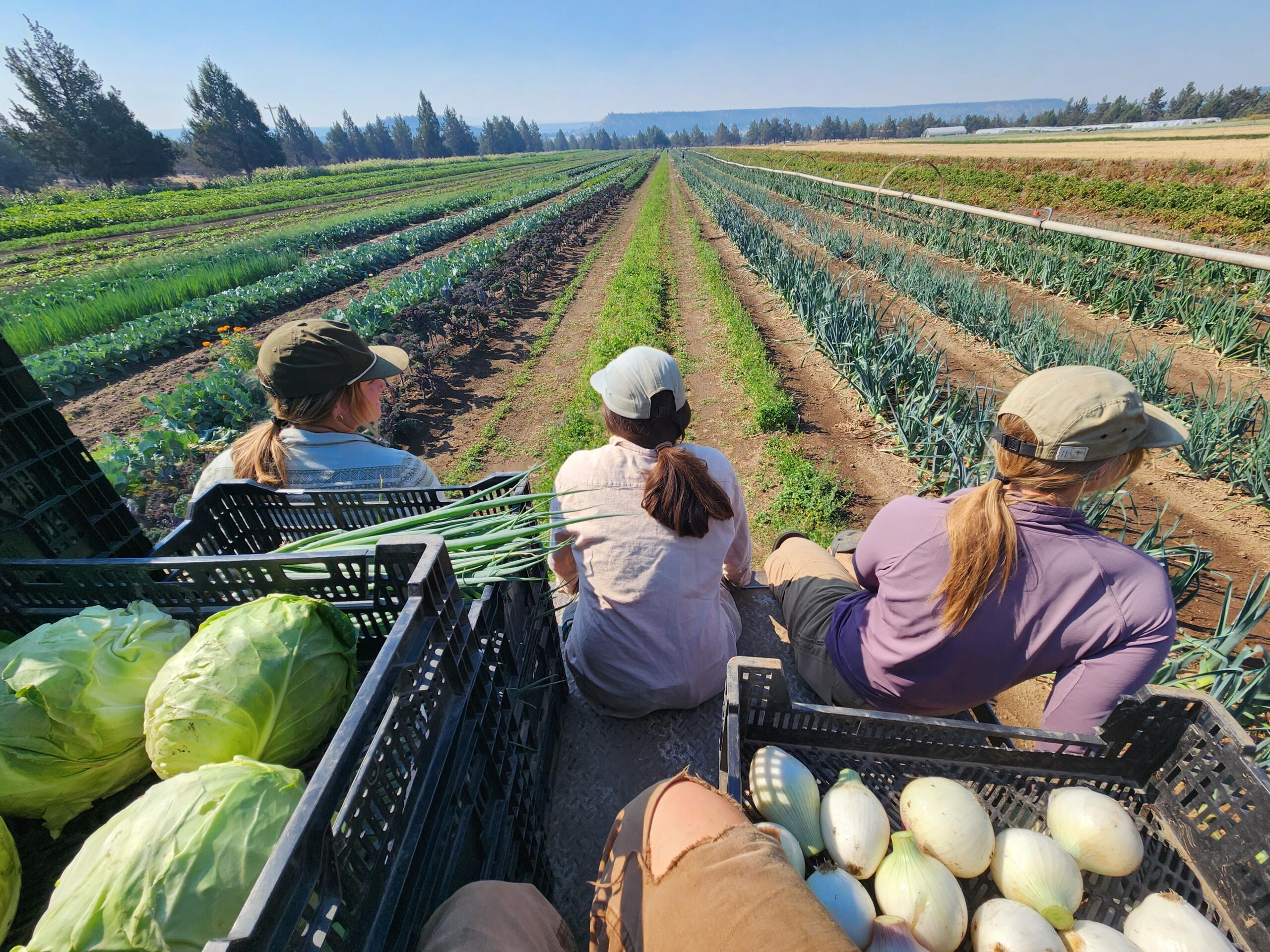
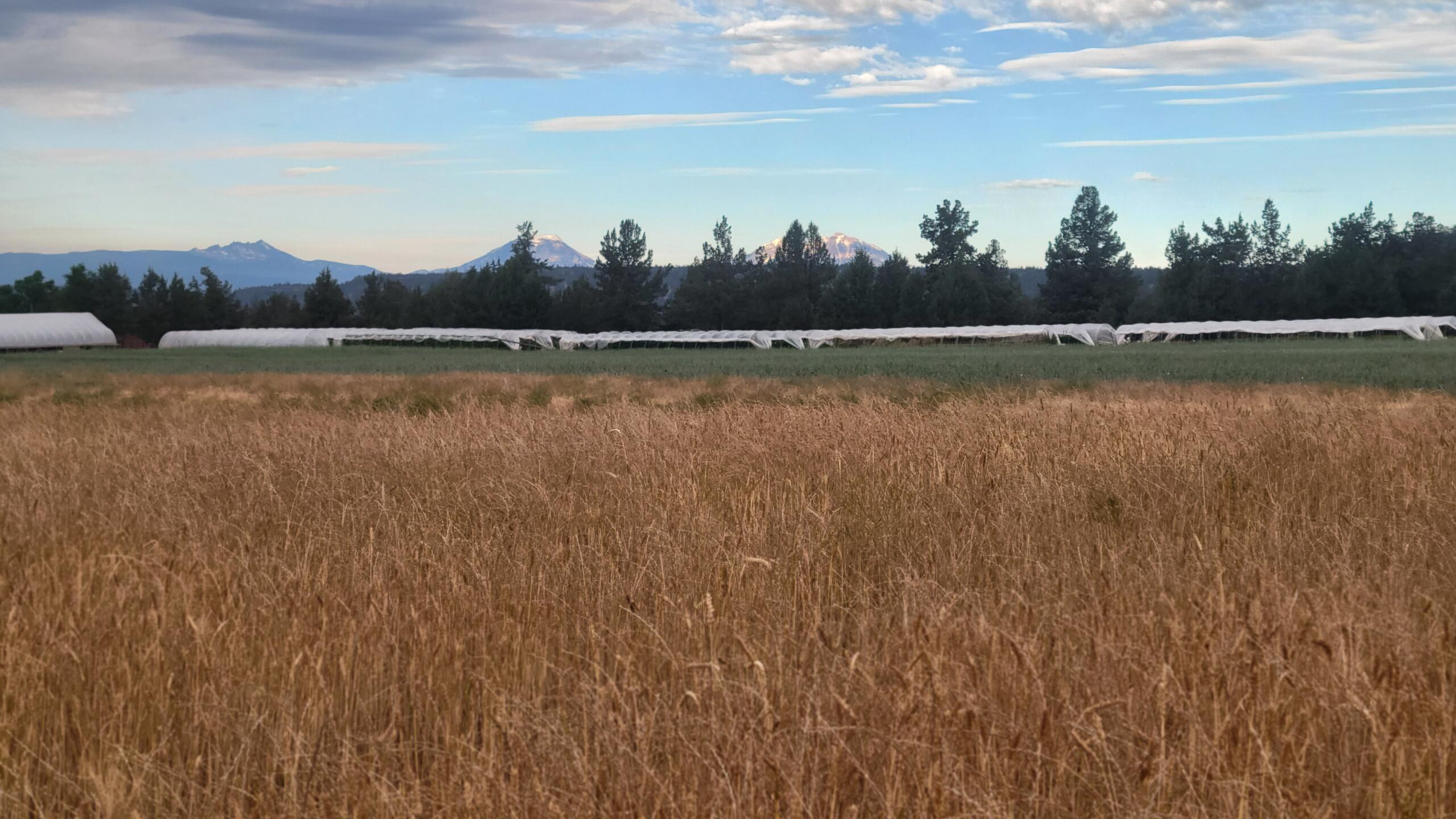
Sarahlee Lawrence is the owner and lead farmer in her 17th season managing Rainshadow Organics, a full-circle, Real Organic Project-certified organic family farm located in Central Oregon with 20 hoophouses and 15 acres in production. She operates the farm as a full-diet operation, including grains, pork, beef, dairy, honey, meat, chickens, eggs, turkeys, and vegetables. Sarahlee farms year-round and offers CSA memberships, sells to wholesale outlets, and participates in farm-to-table events.
Ellie Costello serves as owner and farmer of Trust Land Farm in Missoula, Montana. She is in her third season at their current farm site, an eight-acre mixed-vegetable farm with approximately 4.5 acres in production. It is the first community land trust farm in Montana. They offer a farmstand market, a vegetable CSA, and U-pick.
Dr. Robert Orpet, an Oregon State University Assistant Professor of Entomology, plays an active role in research, Extension services, and teaching, with a focus on integrated pest management (IPM) in orchard systems. He develops pest management programs for OSU’s research farm, and he sees farms like it as essential. With dedicated funding, staff, and acreage free from market pressures, research farms can take on pest and disease problems more intensively than working farms can.
Challenges & Responses
Each farmer panelist shared their top pest, disease, and weed pressures, along with the hard-won knowledge of what works and doesn’t work against these pressures on their farm.
Sarahlee Lawrence of Rainshadow Organics (Oregon):
Sarahlee Lawrence (Rainshadow Organics) shared that central Oregon, which is considered high desert, suffers from ongoing drought and high summer temperatures, facilitating aphids on their kale and spider mites on cucumbers, tomatillos, and eggplant.
“Cinerate is a cinnamon-based product that we’ve been pretty excited about for our hoop houses.” Lawrence shared that using this broad-spectrum fungicide/bactericide on susceptible crops, before heat and drought could further weaken their defenses, has proven successful.
This year brought a new pest and virus challenge. When four acres of beets were starting to shrivel, Lawrence decided to engage research support from Oregon State University (OSU). She shipped samples to OSU, where they identified beet curly top virus (BCTV), vectored by the beet leafhopper. While the cost for testing and a slow response time posed slight challenges, Lawrence shared that “in the grand scheme of things, it felt very worth it to be able to identify the fact that we do indeed have beet curly top virus, which affects almost everything we grow.”
This confirmation helped Lawrence and her partner dive into possible solutions and connect with a researcher at Washington State University who specialized in BCTV and leafhoppers and their hugely detrimental impact on Columbia Basin farms.
“I did lose two successions of beets, and in my third succession, I was able to spray with neem oil as a deterrent blanket. You can’t really kill them [flea beetles]; they’re so mobile, and that’s not really how we approach things anyway here. We try to just have airflow and healthy plants; we do a lot of our own biodynamic teas and cultivate our soil and the soil community. These things interact to help the plants overcome these challenges.”
While Sarahlee and her team are still testing various approaches to eradicate this issue and mitigate damage, Dr. Orpet echoed the wisdom in Lawrence’s approach of reaching out to researchers, and he also recommends local Extension support. He spoke, too, about weighing the costs and benefits of aggressive (and often costly) treatments for this type of crop pressure.
According to Dr. Orpet, farmers must clarify their economic threshold for treating these issues and whether the cost of intervention (spraying, etc.) will outweigh the cost of damage done. Seeking support from local Extension reps can help farmers gain a clearer picture of this threshold, while also offering possible solutions.
Ellie Costello of Trust Land Farm (Montana)
In Montana, Ellie Costello noted that her current focus is on crop planning to meet market and sustainability goals and address challenges from seasons past.
“We are heavy greens-based operations, both for cut salad mixes and bunch greens. That’s the bulk of what we do for restaurants, wholesale, and direct sales. So having enough space between where things are planted from year to year in the brassica family to cut off flea beetles, which are one of our biggest pests, is really challenging.”
Even with strong crop rotations and minimal overlap, flea beetles are a tenacious pest, and Costello and her team are working to understand why certain spots harbor the beetles and continue to refine their rotation process. “We blocked all of our crops so that we can cut that off well.”
Dr. Orpet confirmed that flea beetles are “one of a trifecta: flea beetles, cucumber beetles, and squash bugs. That trifecta is what vegetable farmers have the biggest problem with.”
Sarahlee Lawrence shared that at Rainshadow Organics, they’ve had success with beneficial nematodes, insect netting, and crop rotation. “I also hit my brassicas that really get destroyed with a neem and safer soap cocktail that has really knocked back the population this year. And this is actually the first year I’ve ever had Napa cabbage and Asian greens that are marketable.”
Nurturing Resilience
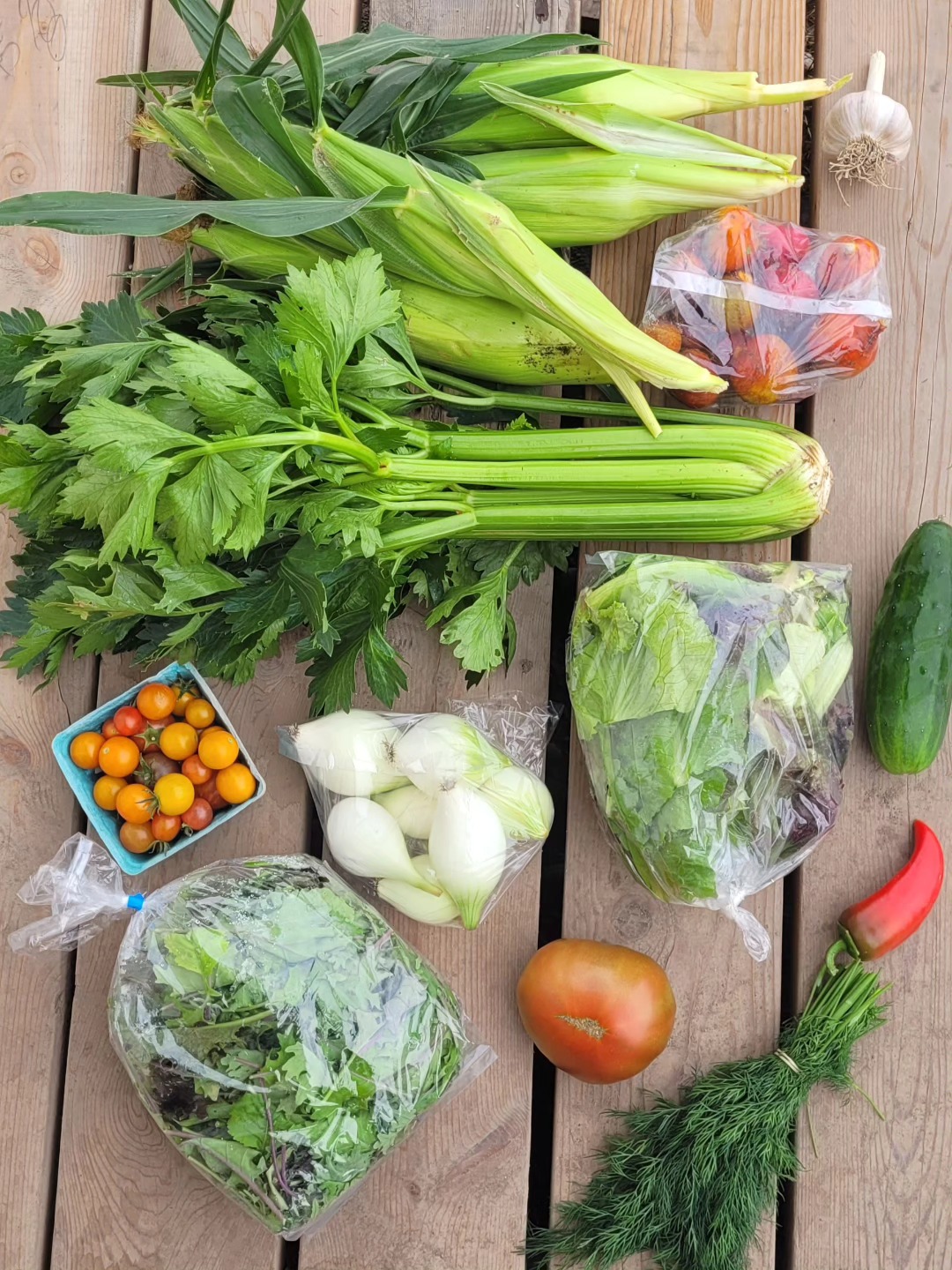
According to these farmers and researchers, crop diversity and strong community were cited as key indicators of success when facing the numerous challenges of organic farming.
Sarahlee Lawrence of Oregon’s Rainshadow Organics shared: “I continue to lean into some pretty epic diversity. We have a full-diet farm, so we raise meats, grains, vegetables; it’s a really complex place. And so when things start to look really challenging, you could lean into other parts of the farm and have resiliency there. Diversity equals resilience.”
Ellie Costello of Trust Land Farm cited a less-considered, but highly valuable resource: relationships with local market partners (including chefs and a local smoothie place) who are willing to work with holey greens, ensuring that damaged but still edible produce can retain value. She has also accessed NRCS support to help diagnose and tackle huge weed pressures.
Dr. Orpet added words of encouragement for organic farmers seeking to control the damage of pests and disease: “There are a lot of challenges and difficulties, but the intentions and the outcomes are amazing. The concept of sustainability is economic, environmental, and social. And so, you know, mentioning having a group message with other farmers and building a community is part of being organic and doing a good thing.”
Additional Resources
See below for resources from OFRF, including OFRF’s Research Hub, with scientific and technical resources addressing the above topics and beyond.
Overview of organic resources from OFRF:
- OFRF’s Organic Research Hub: a curated collection of scientific and technical resources to help organic farmers understand and solve their production challenges.
- Farmer-Led Trials: OFRF’s Farmer-Led Trials Program provides farmers with technical assistance and support to investigate and learn about solutions to their most pressing production challenges. Read more to find out how you can be part of this program!
- The Farmers Guide to Conducting On-Farm Research: A guide for the organic farmer or rancher who is curious about conducting some type of trial or experiment on their farm in a more structured way. Whether you are looking to reduce the use of off-farm inputs, minimize disease pressure, try out new crop varieties or animal feed, or test new cover crop techniques or irrigation sensors, this practical guide was created to assist you along the way.
Connect with OFRF:
- Join us at an upcoming event
- Sign up for our monthly newsletter
- Follow us on YouTube, Facebook, Instagram, and LinkedIn