
Written by Rebecca Champagne, PhD, OFRF Conservation Scientist
OFRF is currently working with the USDA Natural Resources Conservation Service (NRCS) on a cooperative agreement to help build institutional knowledge of NRCS staff and equip them to better support the unique needs of organic and transitioning-to-organic farmers across the country. As part of this work, we are helping tell the stories of organic farmers and their experiences working with NRCS. We hope other farmers can use this information to learn more about NRCS and feel inspired to pursue conservation programs for their farm. For more information regarding our cooperative agreement with the agency, please reach out to Rebecca Champagne, OFRF Conservation Scientist, at rebecca@ofrf.org.
Meet Christopher Organic Farm
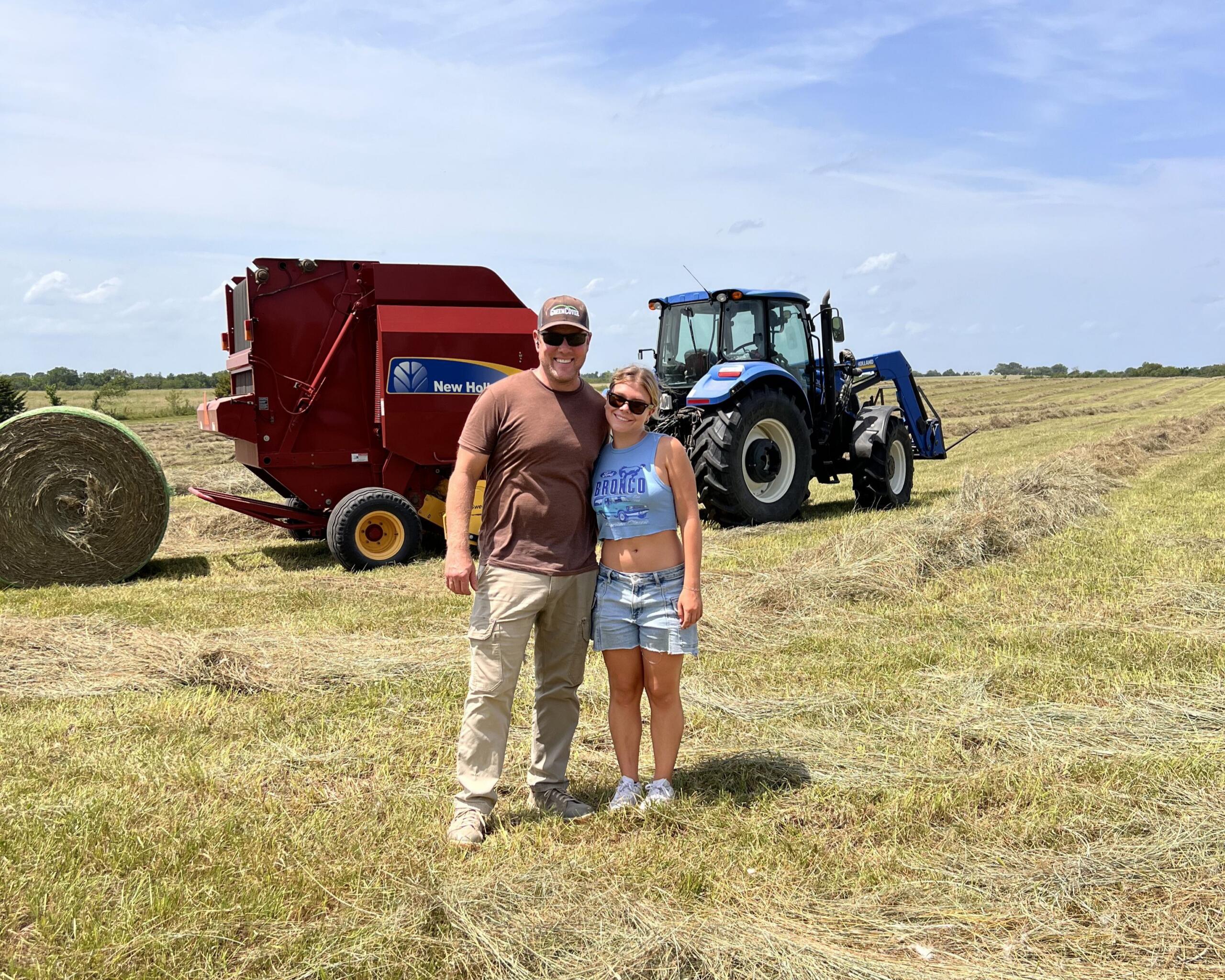
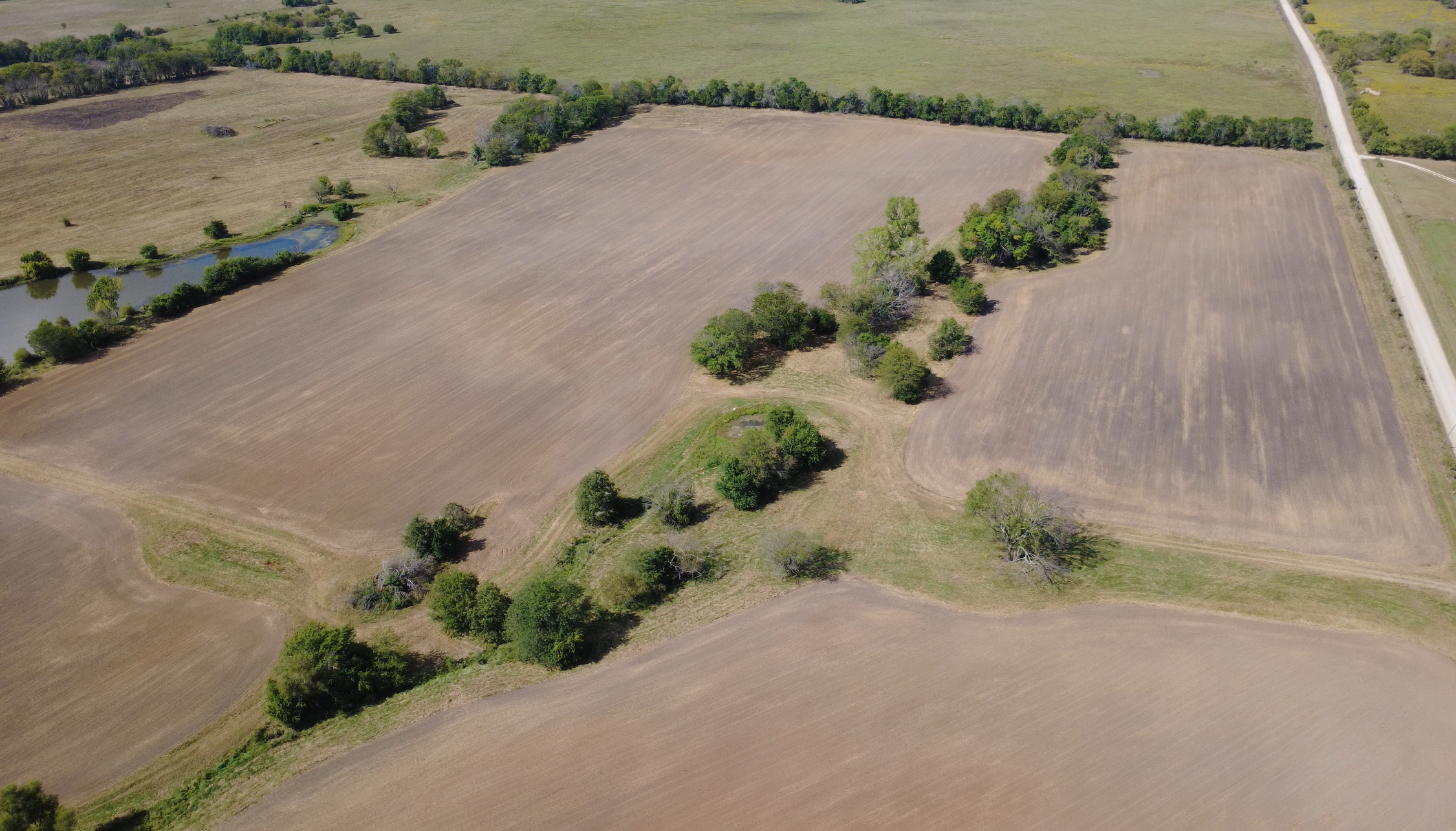
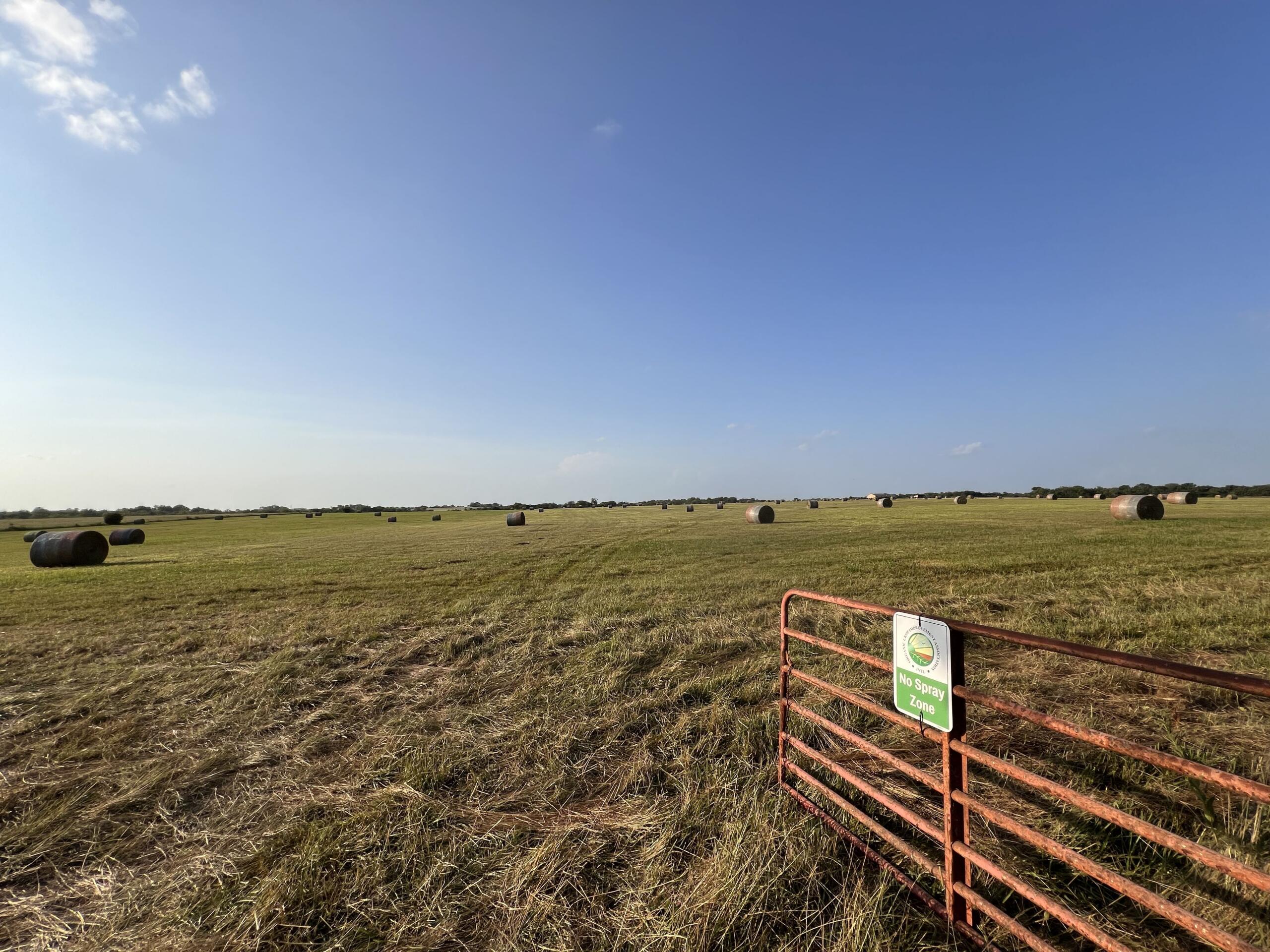
Nestled in Fort Scott, Kansas, is Christopher Organic Farm, owned and operated by Chris Barnett. The farm sits on 1,600 acres, with 150 acres that achieved USDA organic certification in 2025 for row-crop production. Although the acres in crop production are the only ones certified at the moment, he is utilizing organic principles across all acres. Chris is currently growing winter wheat on these certified organic acres, and has a 300-head beef cow-calf operation on the farm as well. His goal is to raise them on organic pasture and finish with the organic grains he produces right on the farm, while also utilizing the manure as a fertilizer. He currently works with a grain broker in Canada as well as local processors, and is working on developing a direct-to-consumer program.
Chris took over from his parents a few years ago, who ran the farm for the last 45 years. Although the farm hasn’t used synthetic inputs in decades, his parents never pursued organic certification, and Chris knew that was something he wanted to do. He was motivated to certify for the market potential and the conservation benefits, and felt a moral obligation and duty to show in the marketplace that the farm has been following organic practices.
Chris has leaned on other farmers and grower groups in his farming journey, such as the Organic Farmers Association (OFA) and the USDA Transition to Organic Partnership Program (TOPP). He credits these groups with introducing him to the work NRCS does, and encouraging him to go into his local NRCS office to ask about the agency’s conservation programs. He knew there would be a huge investment upfront when pursuing organic certification and continuing to build soil health, so he turned to NRCS for their technical and financial assistance.
 Source: Christopher Organic Farm
 Source: Christopher Organic Farm
 Source: Christopher Organic Farm
Working with NRCS
The local Bourbon County, Kansas, NRCS office made a visit to Chris’ farm within a week of him contacting them for help. They immediately began the process of developing a conservation plan for him, and identified resource concerns they could help him address, including soil conservation and improvement. Chris described it as a “whole team approach” with different NRCS specialists in the area involved in the conversation throughout the whole process.
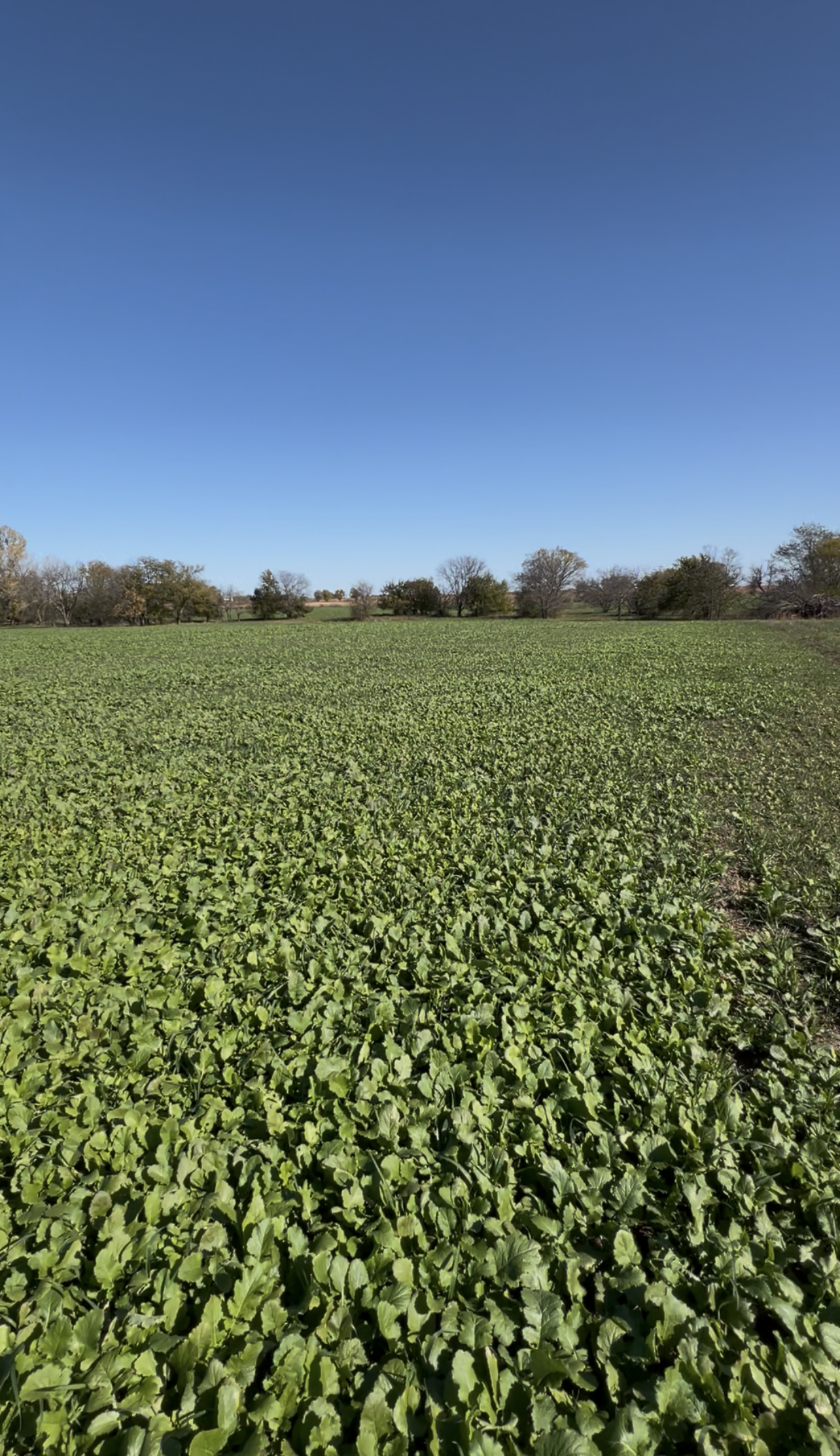
Today, Christopher Organic Farm is utilizing a few different conservation practices under the Environmental Quality Incentives Program (EQIP), including organic management (ICPS 823), a cover crop (CPS 340) mix of radish, turnip, alfalfa, and oats to minimize tillage, and a conservation crop rotation (CPS 328). His parents utilized NRCS conservation programming in the 1970s, using the agency to meet terrace (CPS 600) and grassed waterway (CPS 412) conservation on their grazed land, and Chris plans to restore these in the near future.
“While the changes that we are all facing in our climate are only compiling and nothing is predictable, the science of farming in our region is nothing new. This is even more reason for us to address our resource concerns now and adapt our practices to accommodate for these constant changes in our weather. With NRCS support, we are addressing soil erosion by building and/or restoring waterways and terraces on our farm. We are also mitigating soil erosion as well as reducing tillage through the practice of multi-species cover cropping, while building soil organic matter and fertility at the same time.”
“The entire process took nearly a year, so I had to be patient,” said Chris. “But my resource concerns still got the immediate benefit from the forward thinking of the team. The results of having their support have had an immediate effect. I hope every farmer knows what an ecosystem ‘boost’ looks like. But if you are in the beginning of transitioning land into organic production, then you know it takes a minimum of 3 years to ‘build’ the soil before you can expect a return from a cash crop. Which means that’s a lot of input costs before you’ll ever be able to see a profit. The support that our farm is receiving from the USDA through the comprehensive contract that our local county NRCS office facilitated with us has enabled us to excel our mission of establishing a legacy organic-certified farm on the land that our family has been blessed to steward for the past 45 years. Bringing us closer to the goal of being a viable regional supplier of nutritionally dense organic-certified grains, produce, and beef.”
Chris is currently working with Marvin Lewis, District Conservationist with the NRCS Fort Scott, Kansas, field office. Chris was the first organic producer he had worked with, and Marvin described it as a “big learning situation” – but he wanted to help Chris and made sure to utilize other NRCS specialists to ensure he was taking the right approach. Marvin visited Chris’ farm, and listened to Chris’ goals for the land. “We still approach our evaluations from the same farming and conservation standpoint that we normally would, and just adapt recommendations to fit organic,” said Marvin.
 Source: Christopher Organic Farm
Lessons, Challenges, and Recommendations
Chris’ experience with NRCS has been positive, and while he found there was a lot of information to sift through and paperwork to fill out, he knew the support from the conservation program would benefit the farm. For some NRCS practice standards, multiple parties are involved to approve the contract, such as the clearance required for digging and establishing terraces and waterways on his grazed land. These levels of clearance took longer than Chris anticipated, but he kept in touch with his local office as the process moved along. He is happy with the hard work and commitment of his local office to understand how organic systems work, and encourages NRCS staff to think about how organic farm scenarios can fit into existing practice standards.
For other farmers considering NRCS conservation programs, Chris offered the following advice:
“Be organized and have a positive attitude, and have patience with the system. Have an understanding of the programs before you go in and present the plan for your farm to them. I thoroughly believe that every career NRCS agent truly wants to help us farmers succeed.”
Marvin offered the following advice to other NRCS staff who are working with an organic or transitioning-to-organic farmer for the first time:
“Do some research on organic, and approach things like you would with anyone else. Visit their farm, and listen to them to understand their perspective and what their goals really are. You’re still going out there and evaluating resource concerns. Start from a learning perspective.”
The lessons and challenges that Chris has encountered offer valuable insights for other farmers interested in participating in federal support programs. They also highlight areas where NRCS could improve processes and staff training. For farmers, navigating federal conservation programs and making them work within an organic production system can be a significant challenge. Organic farmers may face extra hurdles in meeting certification standards and finding service providers with organic literacy who can help them succeed.
Interested in NRCS Programs? Here Are a Few Helpful Resources
If you’re a farmer considering applying for CSP, EQIP, or other NRCS programs, here are some helpful links and tips to get started:
- Explore NRCS Programs & Initiatives: https://www.nrcs.usda.gov/programs-initiatives
- Check out NRCS Resources for organic producers: https://www.nrcs.usda.gov/getting-assistance/other-topics/organic
- Connect with your local NRCS office to receive free technical assistance or to start developing a conservation plan: nrcs.usda.gov/contact
- Know your eligibility. Farmers who are classified as beginning, limited-resource, or veterans may qualify for higher reimbursement rates and advance payments.
- Ask about the advance payment option early. This can be a game-changer for small farms with limited cash flow.
- Download OFRF’s EQIP flyer for more information on the federal funding program, including eligibility and application details, available in English and Spanish here.
- Download OFRF’s CSP flyer for more information on the federal funding program, including eligibility and application details, available in English and Spanish here.
 Source: Christopher Organic Farm
This case study was produced with support from the United States Department of Agriculture’s Natural Resources Conservation Service (USDA-NRCS) under Cooperative Agreement No. FBC24CPT0013867. The contents are solely the responsibility of the authors and do not necessarily reflect the views of USDA-NRCS.