
Farmer Stories

Earth Day Spotlight: Organic Farming as Stewardship

By Clare Boland, Communications Manager

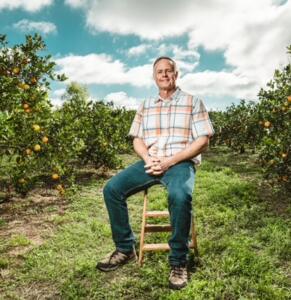
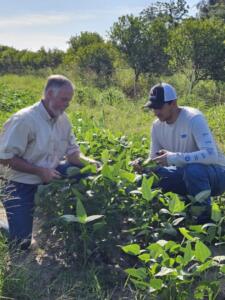
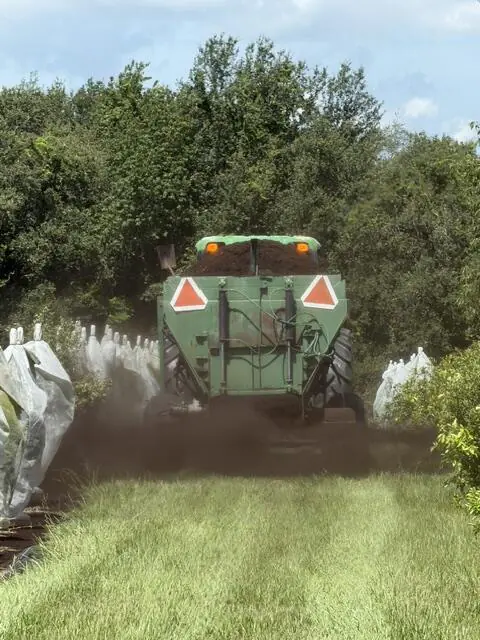
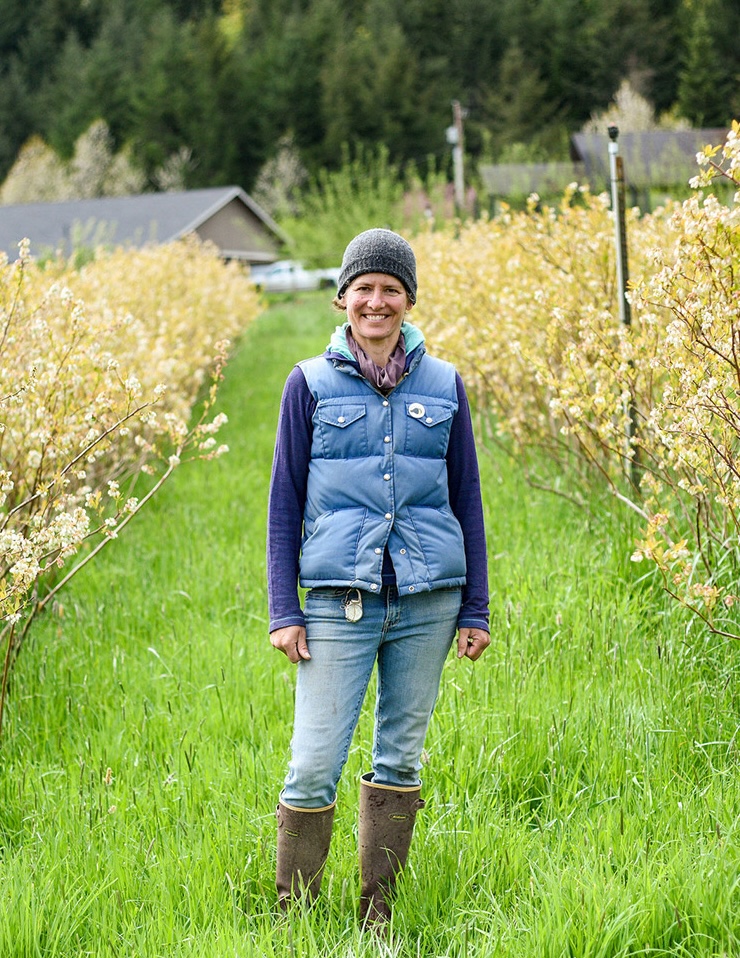
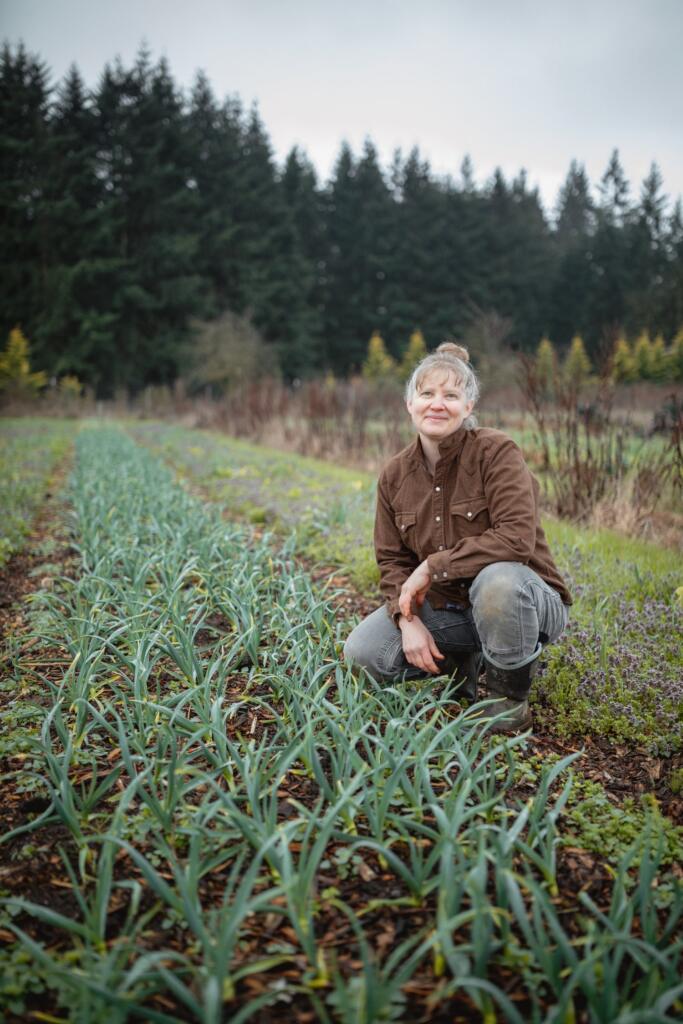
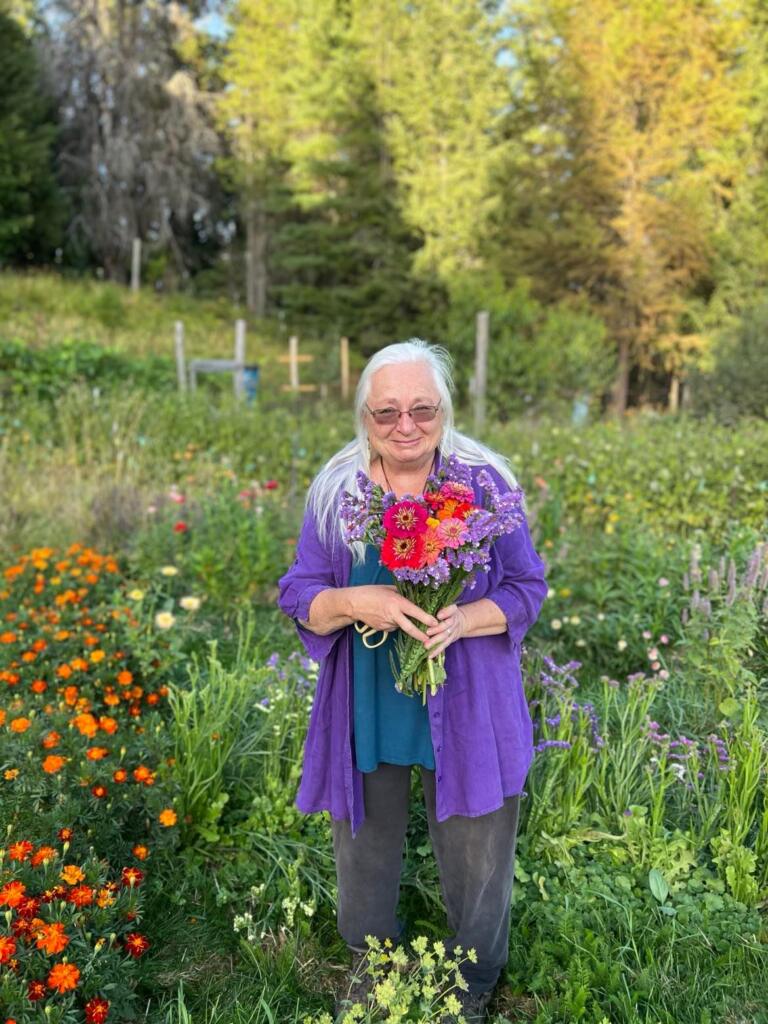
Earth Day is a reminder that the health of our planet is intrinsically tied to the way we grow food. No one understands that connection more than farmers! To celebrate Earth Day, we’re featuring four organic farms from across the country that prioritize the health of the planet through stewardship, working in partnership with natural systems, and caring for the land for future generations.

Vilicus Farms

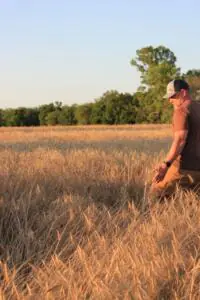
Doug Crabtree and Anna Jones-Crabtree are the owners and operators of Vilicus Farms, a first-generation organic dryland crop farm in Northern Hill County, Montana. For Anna and Doug, organic farming is rooted in a deep commitment to stewardship and working with natural systems to improve the health of the land. As Doug explains, “We philosophically don’t believe you should grow food using poison or subject the earth to the kind of products that are used in non-organic production. We’re committed to stewardship. That really drives what we do, how we do it, and why.”

Anna echoes this philosophy, emphasizing that “organic farming is not a recipe… it’s not a checklist,” but rather “a process of continuous improvement and actually being a partner with your natural systems.” She highlights the importance of building relationships—with land, plants, animals, and customers—and using practices that support soil health, which in turn leads to healthier food and communities. Their approach is reflected in Vilicus Farms’ focus on soil-building, carbon sequestration, pollinator-friendly conservation, minimal-disturbance tillage practices, and utilizing a seven-year crop rotation.

You can follow Vilicus Farms on Facebook and Instagram (@vilicusfarms).

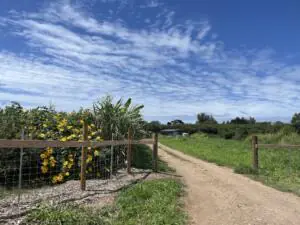
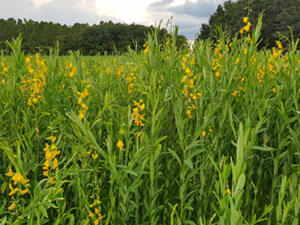
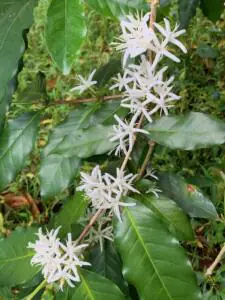
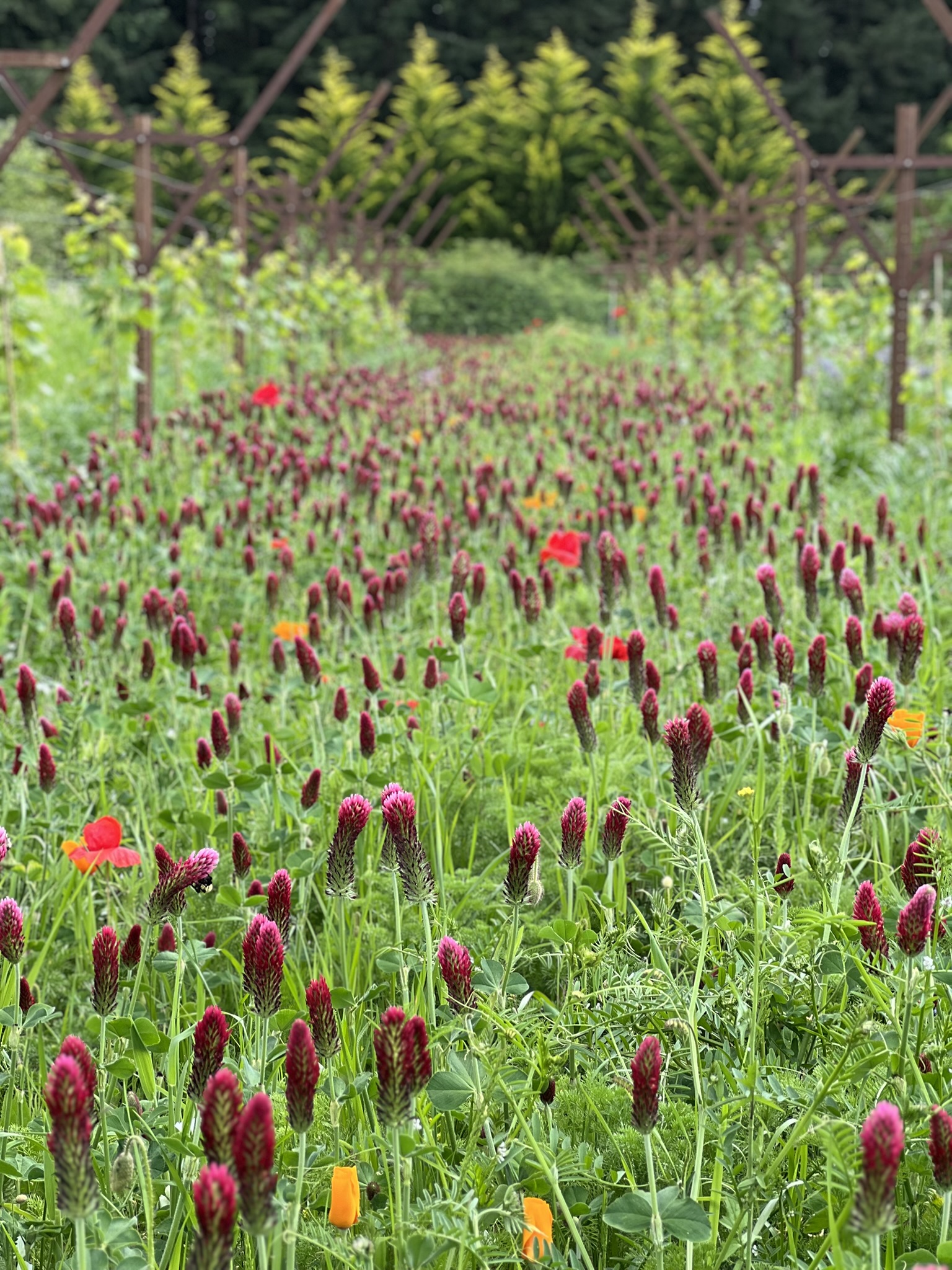
Pea flowers in a field.Source: Vilicus Farms

“We’re committed to stewardship. That really drives what we do, how we do it, and why.”

Doug Crabtree, Vilicus Farms

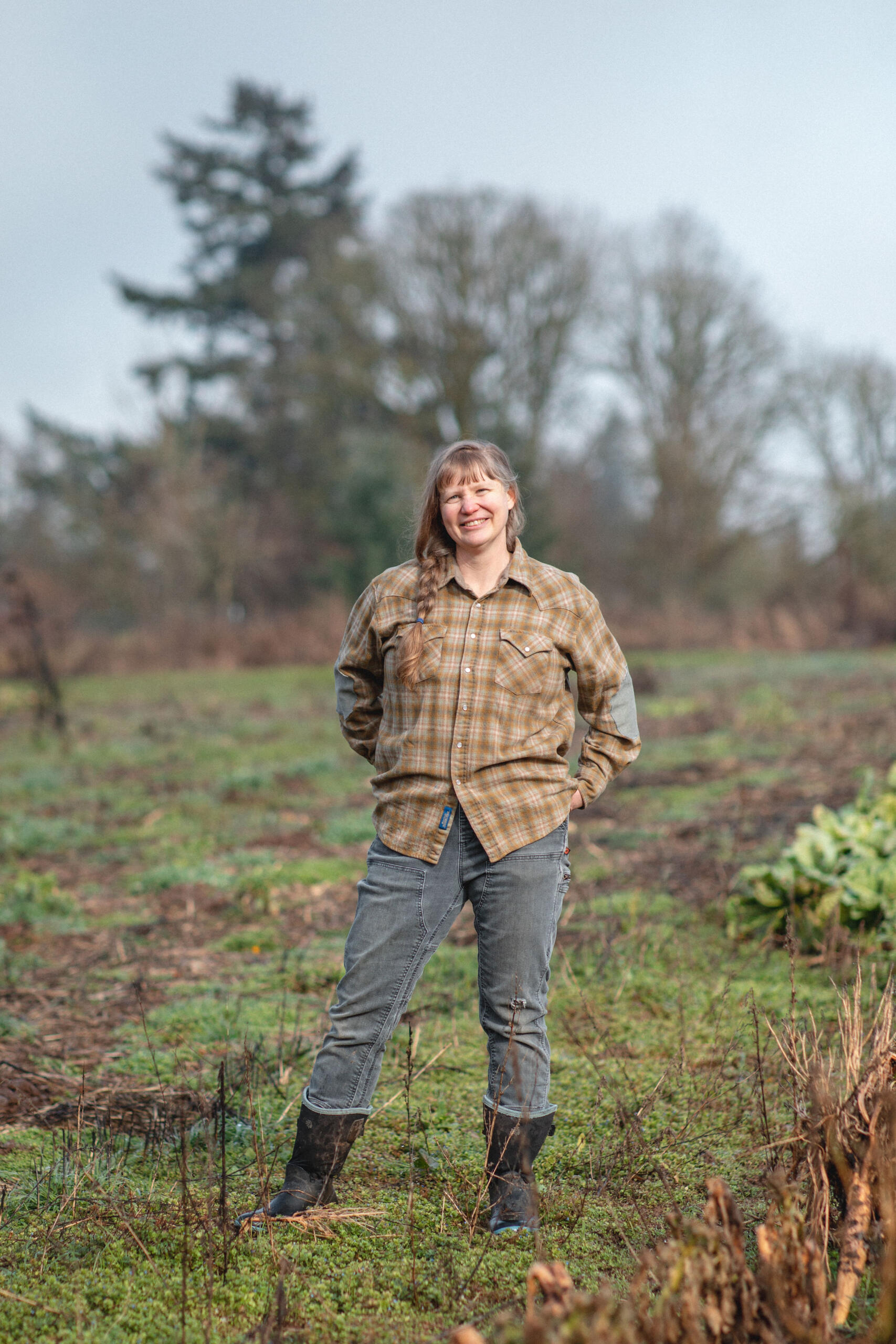
Anna Crabtree-JonesSource: Vilicus Farms

Hiddendale Farm

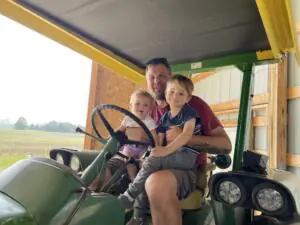
Glen Philbrick is the operator of Hiddendale Farm, a fifth-generation family farm in Turtle Lake, North Dakota. The 700-acre farm includes certified organic cropland and rangeland, a cow-calf livestock system, and a wide range of experimental horticultural and specialty crops. Research is central to Glen’s farming operation: he regularly conducts variety trials, soil health experiments, and crop rotation testing, and collaborates with organizations like the Organic Seed Alliance and the Natural Resources Conservation Service (NRCS).

Growing up, the farm used some conventional practices, like spraying herbicides, and Glen noticed that 1.) it wasn’t working and 2.) it was adversely affecting the health of farmers and livestock.  ”I recognize the dangers of it over and over again,” he said of herbicides. Hiddendale Farm has been certified organic since 2016 and uses practices like limited tillage, rotational grazing, and cover cropping. And being a research-focused farm, Glen prioritizes soil testing, working from the results to balance PH and manage nutrient levels to inform overall soil health. “It is the health of me, of people, of my livestock, and of the whole ecosystem,” Glen shared. “That’s why organic is important to me.”

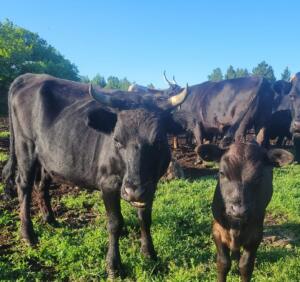
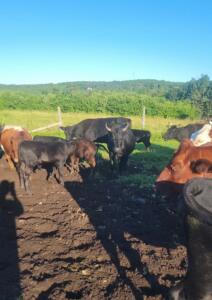
A farmer poses in a field with a cow.Source: Hiddendale Farm

“It is the health of me, of people, of my livestock, and of the whole ecosystem. That’s why organic is important to me.”

Glen Philbrick, Hiddendale Farm

A farmer poses in front of a red barn at dusk.Source: Hiddendale Farm

Stephens Land & Cattle

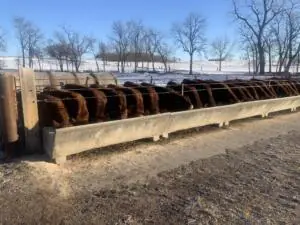
Stephens Land & Cattle is a fifth-generation family farm located in Jennings, Kansas, managed by Demetria Stephens, who has been farming the land since she was a teenager. The farm raises livestock and grows organic Turkey Red wheat, which grows well in the semi-arid region of northwest Kansas. In addition to being certified organic for over 30 years, the farm is also certified biodynamic, a holistic approach to farming that centers on the interconnectivity of the natural landscape. Becoming certified biodynamic was a long-term goal of her parents, who studied anthropology and were interested in the human role in fostering ecological systems. Demetria uses organic and biodynamic principles as a framework: “I think of organic as a guide for me to be a better farmer, more than the rules that restrict me from doing things. It is more saying, no pesticides, no synthetics, no GMOs, and those kinds of things.”

Growing in a region with mostly conventional agriculture, and without formal agronomy training, organic principles propel her learning and investment in the land. Stephens Land & Cattle uses practices like limited tillage, cover cropping, and green manures. “I think [of organic as] a way for me to be a more professional farmer,” Demetria shares. “And also raise good food for the next generation.

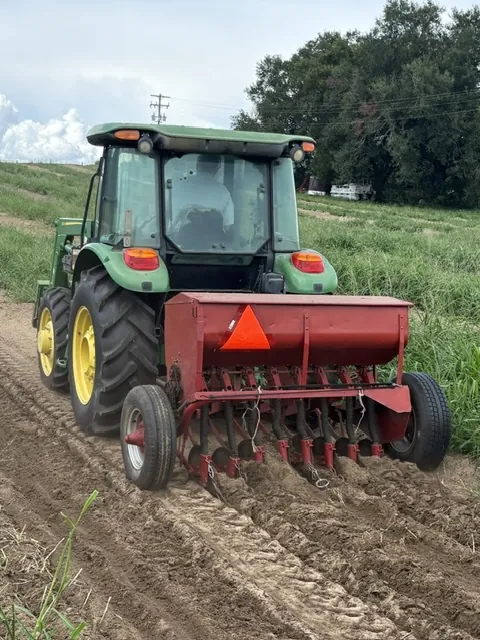
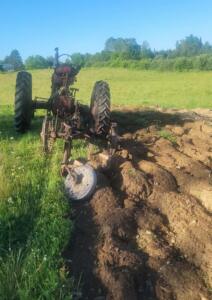
A tractor moves through a field of wheat.Source: Stephens Land & Cattle

“I think of organic as a guide for me to be a better farmer, more than the rules that restrict me from doing things. It is more saying, no pesticides, no synthetics, no GMOs, and those kinds of things.”

Demetria Stephens, Stephens Land & Cattle

Source: Stephens Land & Cattle

PrairieSun Organics

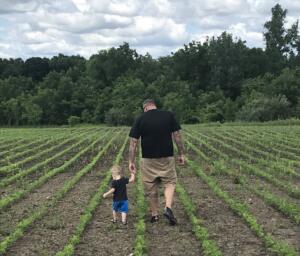
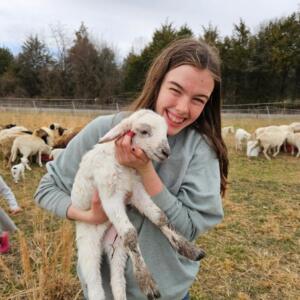
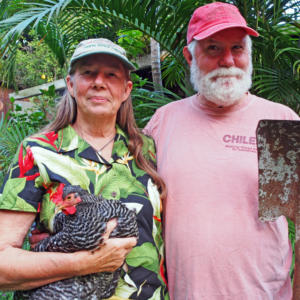
PrairieSun Organics is a diversified organic, family farm in Vermillion, South Dakota, owned and operated by Angela Jackson-Pulse and her husband. Spanning about 20 acres, the farm integrates poultry (meat and eggs), livestock (sheep and cattle), fruits and vegetables, and specialty grains. Angela keeps half the land in crop production, and the other half in perennial pasture for livestock grazing. Angela originally managed the farm using more conventional organic methods, but transitioned into using regenerative organic practices in 2019 after experiencing declining soil health, and increased disease and livestock mortality. She is now certified regenerative through the Regenerative Organic Alliance. “It put the joy back into farming,” she said of the switch.

At the heart of her farming practices is land stewardship: “stewarding this beautiful ecosystem, that is interrelated and interconnected, and making sure it functions as healthy as it possibly can be.” By focusing on minimizing soil disturbance, expanding crop rotations, integrating cover crops, and prioritizing soil biology, Angela saw her farm come alive again. She highlights the importance of a systems-based approach, centering the overall health of the land to set her farm up for the best possible future: “It’s a blessing that we have [this land] and I want to take really good care of it. I know that it’s not going to be in my possession forever. And so I want to leave it to the next generation, whoever that is, so it can be the best possible thing for the next family.”

You can follow PrairieSun Organics on Facebook.

At the heart of it is stewardship. Stewarding this beautiful ecosystem that is interconnected and making sure that the whole farm functions as healthy as it possibly can be.

Angela Jackson-Pulse, PrairieSun Organics

By |2026-04-22T10:16:58-04:00April 22nd, 2026|Farmer Stories, News|

Farmer-Led Trials Program Spotlight: Mesta Meadows

The Impact of Grazing Lespedeza Pastures on Reducing Parasitic Worm Load

Written by Mary Hathaway, OFRF’s Research & Education Program Manager, and Ed Crowley, FLT Program participant

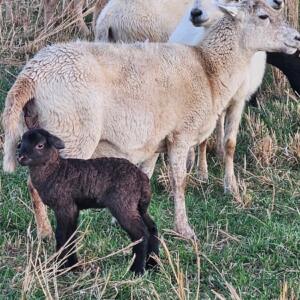
A sheep and a lamb. Source: Mesta Meadows

Lambing for Mesta Meadows FLT trial began in January 2026.

Tucked into the hills of the Ozarks, Mesta Meadows sprawls over 235 acres. The ranch, owned and operated by Ed Crowley, specializes in raising a variety of pasture-based livestock, including lamb, beef, pork, and poultry, along with sheep dairy production and fine wool harvesting. Ed prioritizes responsible land and animal stewardship, using practices like rotation grazing, establishment of native grasses, and providing low stress environments for all of his animals. The farm is currently in transition to organic certification.

Ed wears many hats–his off farm job is teaching entrepreneurship at Southeast Missouri State University, and his ranch hosts many micro-businesses, including an on-farm retail store, the Atelait Creamery (a premium ice cream brand manufacturing facility), and a nationally-renowned Fiber Festival on the farm. He is also Chairman of the Mayfield Entrepreneurial Center.

Using Forage Species as a Natural Deworming Agent

The ranch’s location in Glenallen, Missouri has very high humidity and usually sees more than 60 inches of rain annually. This results in lush pastures, but also increases the incidence of barber pole (Haemonchus contortus) worm load and a high lamb mortality rate after weaning. The treatment for barber pole worms is chemical drenches, however, Ed has seen increased resistance to almost all drenches for internal parasites.

Wanting to find a natural way to reduce the amount of chemical drenches he uses to protect his lambs, Ed has been investigating the potential of different forage species as an addition to his pasture grasses of fescue and clover. Anti-parasitic effects have been reported for a number of condensed tannin-containing forages, including lespedeza (Lespedeza cuneata), a warm season perennial legume which is well adapted to the warm climatic conditions of the southern states. In previous studies on goats in Oklahoma, lower fecal egg counts (FEC) were reported in goats grazing lespedeza compared with grass pasture. Ed is hopeful that working with lespedeza may help with internal parasite load in sheep and become a cost-effective, natural deworming agent.

On-Farm Trial Plan

A mix of fescue and lespedeza in a forage field. Source: Mesta Meadows

A mix of lespedeza and orchard grass was used for the trials.

With support from OFRF, the trial aims to quantify the effect of weaning lambs on lespedeza pastures compared to the ranch’s pastures that are planted in fescue and clover.

The trial will test the FEC on about 100 lambs. The lambs will be randomly assigned to one of eight groups: four lespedeza groups; four control groups; with 16 lambs in each group, respectively. All of the lambs will have fecal samples taken at four different time points: pre-weaning, to establish a baseline; at 3-4 weeks post-weaning; at 6-7 weeks post-weaning; and post-trial (2-3 weeks after groups are returned to the fescue/red clover mix). The final sampling will help to assess potential residual effects of the lespedeza pasture.

Trial Updates

The trial was initiated in June of 2025 to help establish the lespedeza in the pasture. Lambing began in January of 2026. The lambs will begin pre-weaning from the ewes in April or May, with sampling to begin prior to the lambs being placed out in the pasture.

Four lambs nestled in hay.Source: Mesta Meadows

Lambs born in the 2026 season that will take part in the FLT trial. 

“The FLT program was a great opportunity to partner with other researchers to find new, holistic methods to control barber pole worm, a major challenge for producers in my area.” 

– Ed Crowley, FLT Program Participant

forage mix with lespedezaSource: Mesta Meadows

Lespedeza was established in 2025 to be ready for pasture in 2026.

This is part of a series of blogs highlighting farmers who are participating in OFRF’s Farmer-Led Trials program. Farmers receive technical support to address their production challenges through structured on-farm trials. To learn more about OFRF’s Farmer-Led Trials Program, visit our website page at https://ofrf.org/research/farmer-led-research-trials/ 

To learn more about Ed Crowley and Mesta Meadows, visit their website at https://mestameadows.com/

By |2026-04-01T16:17:28-04:00April 4th, 2026|Farmer Stories, News|

From Conventional to Certified: Transitioning to Organic in the Northwest

By Clare Boland, Communications and Outreach Fellow

For many farmers, transitioning to certified organic production presents a learning curve. During the three-year transition period, farmers face unique challenges in the field (restoring soil health, managing weeds without herbicides, acquiring new equipment and infrastructure) and off (maintaining financial viability, navigating National Organic Program (NOP) paperwork, and recordkeeping). At a recent Seeds of Success panel, three farmers with roots in conventional agriculture shared their experience of transitioning to organic in the Northwest, demystifying some of the challenges they faced and offering their advice on the process.

Their stories reveal not only the technical challenges of organic production, but also the mindset shifts, economic realities, and long-term resilience that come with farming in an organic system.

About the Farmers

Headshot of farmer Aaron FlansburgSource: Flansburg Farm


Aaron Flansburg, of Flansburg Farm in Palouse, Washington, is a fifth-generation farmer. After graduating from Washington State University in 2002, he returned to work with his parents on the family farm. Now in his 23rd crop year, Aaron farms roughly 2,000 acres of dryland wheat, barley, peas, lentils, chickpeas, canola, and alfalfa alongside his wife and three children.

Aaron says his family has always been “innovative and progressive in terms of trying to maintain soil, keep it in place, and, in general, doing farming practices the best that we can.” Because of this, transitioning to organic felt like a logical next step.

Aaron began transitioning to organic production in 2020 with 50 acres. Today, 160 acres are certified organic, with additional acreage currently in transition and more planned. Six years into farming without chemical inputs, Aaron’s main focus is self-sufficiency – controlling costs, limiting soil input, and building resilient domestic markets so he can rely less on foreign inputs and global trade.


Tracey Dion is a third-generation farmer at Yellowstone River Farms in Terry, Montana. Tracey and her husband transitioned their 500-acre family operation from conventional sugar beet production to a diversified, certified organic cattle and crop farm.

When she first acquired the farm from her parents, she continued to farm conventionally until it “dawned on me that I didn’t have any worms and I was working with land that was devoid of life.” That realization spurred her decision to transition to organic, starting by growing 10 acres of alfalfa on previously unfarmed land. Gradually, they transitioned the entire farm using practices like rotational livestock grazing and cover crops. They now produce alfalfa, specialty crops, certified organic cattle, and, as of 2024, the farm expanded into selling lamb to restaurants.

Tracey believes healthy soil is the foundation of agriculture’s future. She currently serves as chair of the Montana Organic Association and mentors transitioning farmers through the Great Northwest Healthy Soils Program.

Headshot of Farmer Lynn SchallSource: Life Springs Farm


Lynn Schaal of Life Springs Farm in Twin Falls, Idaho, was raised in a multi-generational farming and ranching family in eastern Colorado. Growing up on a sugar beet farm, he experienced severe reactions to agricultural chemicals. “I had told myself back then that if I ever had a chance to farm myself, I would never use chemicals.”

Today, Lynn and his wife farm more than 70 acres of certified organic land, producing wheat, barley, dry beans, silage corn, buckwheat, and alfalfa for organic dairy and beef operations, as well as organic lamb and poultry for restaurants.

After purchasing land that had been fallow for over two decades, they transitioned it to organic production and have been farming without chemical inputs for more than 15 years. Life Springs Farm is guided by their belief that soil is a living organism that must be nurtured, not merely a medium to hold plants. Now entering his 16th year at Life Springs Farm, Lynn also mentors other transitioning farmers in the Northwest.

Navigating the First Three Years of Transition

The NOP requires a three-year transition period for land previously farmed with prohibitive inputs, which can cause uncertainty around markets, land management, and financial risk for farmers.

For Lynn, the transition was eased by the fact that part of his land qualified for immediate certification. Located in dairy country, organic barley provided a ready market. During the transition, he farmed organic and conventional barley side by side and was struck by the price difference: “The conventional barley got one-third of what the organic barley got.” While income was limited until the entire farm was certified, the family was fully committed to becoming organic as quickly as possible.

He noted that input costs are drastically different from conventional systems, using strategies like cover cropping rather than using traditional soil inputs. “It seems like a lot of people want to concentrate on yield, you know, how many bushels to the acre are you gonna get? But to that question, I’d say, what are your input costs?” However, the comparison is not always cut-and-dry on the accounting books – while conventional farms spend more money on inputs, organic farming requires more labor and time.

Field of green Scots Bere Barley at Flansburg Farm.Source: Flansburg Farm

Scots Bere barley growing at Flansburg Farm.

Aaron’s transition began with growing hemp seed in 2020. Because hemp could not be treated with most conventional chemicals, organic production made economic sense. The next year, severe drought further reinforced his decision to move towards organic: conventional wheat with full chemical inputs yielded only modestly better than volunteer wheat grown with no inputs at all.  “I thought, huh, I actually really like growing half the crop for twice the price. That led me into thinking that [organic production] would work.”

Tracey’s transition was shaped by the physical layout of her farm, which is parceled out into separate fields. They transitioned these parcels in phases, starting with growing alfalfa to suppress weeds and rebuild nitrogen naturally. Over time, she noticed that weed species common under conventional sugar beet production began to disappear after going organic. While yields initially dropped, soil health eventually rebounded, and long-term resilience improved.

Soil Health in Organic Systems

Moving from conventional to organic, all three farmers emphasized the overall improvement in soil health after transitioning. Rather than depending on purchased soil inputs, they focus on systems that build fertility from within the farm.

Lynn uses a closed-loop approach that integrates livestock, compost, and crop rotation. Cattle play a central role in nutrient cycling, rotating alfalfa and straw help suppress weeds, and compost is applied annually, though dry conditions in the area slow on-farm compost production. He closely monitors soil health; “I go out at night and check my worms. That tells me how healthy my soil is.”

For Aaron, his perspective on tillage has evolved significantly over time. “I thought tillage was a four letter word at one point,” he shared. Now, he sees it as a practical tool, especially on a non-irrigated farm that depends solely on rainfall. Without the ability to manage weeds by controlling water, he has had to adapt, experimenting by incorporating older, mechanical tillage equipment, some of it dating back to the 1980s and 1990s. Crop rotation, planting timing, seeding direction, and cover crops all play a role in suppressing weeds as well. “My whole perspective has shifted,” Aaron shared. “I found that the soil is healing itself on the organic ground in a way I never would’ve expected. Bacteria, fungus, soil micro- and macro- organisms are working to get soil aggregation back without being suppressed by the use of chemical fertilizers, fungicides, and herbicides.”

Tracey emphasized a similar mindset shift: “You’re looking at things completely differently when you are trying to do nothing but create life.” Her farm uses manure, livestock grazing, tillage, and diverse cropping systems to build soil naturally. She views weeds as indicators of soil imbalance and uses them as diagnostic tools rather than enemies to be eradicated.

Livestock grazing helps build soil health at Yellowstone River Farms. 

Learning from Fellow Farmers


“The organic community is my best resource.”

-Tracey Dion, Yellowstone River Farms

When asked about key resources, all three farmers pointed to people as their most valuable source of knowledge.

Tracey relies heavily on conversations with other farmers, learning through trial and error and shared experience.  “The organic community is my best resource,” she said. Lynn echoed this, drawing inspiration from older generations who farmed without chemicals and relied on observation and experimentation. “[Older generations] didn’t have the latest and greatest, they didn’t have chemicals, they didn’t have herbicides and all of that stuff available at their fingertips, yet they produced some great crops.” He continues to try out older equipment and find inspiration in traditional agricultural knowledge.

Aaron was able to find support through mentorship within the Transition to Organic Partnership Program. Farming in an area without many organic growers, seeking out fellow organic farmers through the TOPP program and attending conferences has helped him build community. Aaron also supplements farmer-to-farmer learning with books, shouting out two of his favorites: “When Weeds Talk” by Jay L. McCaman and “Weeds Control Without Poisons” by Charles Walters Jr.

Recordkeeping

For transitioning farmers, the recording-keeping associated with organic certification can seem daunting at first. To counter this, Lynn committed to managing everything digitally from day one. He scanned and digitized all applications, receipts, and documentation, creating an organized, searchable system that made inspections seamless. Using an app called Genius Scan, he converts documents into PDFs and files them instantly, eliminating the need for bulky paper records and reducing the risk of lost paperwork. The process has led to smoother inspections and less stress. He encourages other organic farmers to adopt digital recordkeeping to simplify certification requirements.

Looking Ahead

Despite the challenges presented by the organic transition period, all three farmers agreed that the results were worth it for the overall health of their farms.

“Big picture, your land is more resilient,” Tracey shared. “Yes, there’s market volatility, but you can weather the storms if you have life in your soil.” For Tracey, organic farming has deepened her sense of responsibility to the farm and its future. Her focus now includes long-term viability, succession planning, and creating a farm her children might one day want to inherit.

In the coming years, Aaron plans to transition more acres. To help with the lower yields and weed pressure during the transition period, he plans to develop a consistent crop rotation and incorporate fallow years to rebuild soil fertility. He encourages other farmers not to be discouraged by those early challenges, emphasizing that organic farming is a learning process that requires patience and adaptability. As his operation grows, he has even added labor, reflecting his belief that organic agriculture creates opportunities to bring more people back into rural communities. “I think there’s a lot of positivity for the future of organic,” Aaron said. “And I hope some of you will join the movement and be inspired the way I have been.”

Lynn is looking forward to mentoring more producers through the TOPP program. “T here’s been some great successes. And there’s also been some failures. There’s been some learning curves. But it’s been a wonderful journey.”

All three farmers’ experiences highlight that organic farming is not simply a change in inputs, but a perspective shift. While the transition can be difficult, the result is a more resilient farm, both economically and ecologically.

A sheepdog roams the pastures at Yellowstone River Farms. 

By |2026-03-12T16:06:32-04:00March 12th, 2026|Farmer Stories, News|

Farmer-Led Trials Program Spotlight: Passion Garden

Experimenting with on-farm materials to create organic soil amendments

Written by Mary Hathaway, OFRF’s Research & Education Program Manager, and Kay Bell, FLT Program participant

Mesquite bean pods, collected by Kay Bell, to use as a soil amendment at Passion Garden

Kay Bell has been farming for ten years on her three-acre farm in Waco, TX, called Passion Garden. She grows a variety of fruits, vegetables and herbs that she sells as fresh produce and herbal teas at local farmers markets and health food stores. Her farm is currently in the process of transitioning to certified organic, with a focus on building her own on-farm fertility.

Kay has a big focus on using locally available, on farm inputs to help improve her soil health, and has long considered using the pods of the Mesquite Tree Bean in her fertility plan. As a farmer focused on growing the health of her community, she looked into the nutrient content of Mesquite Bean, and realized that it has a high protein content and is rich in many nutrients. Since the tree is prevalent on her property, and the pods are not too difficult to harvest, she believed it could be a useful amendment in building her soil health.

Using Mesquite Beans as a Soil Amendment for Tomatoes

To test her idea, Kay wanted to build an experiment that would assess the impact of mesquite bean meal as a soil amendment on the yield of ‘Celebrity’ tomatoes, one of her favorite tomato varieties. She hopes that the addition of Mesquite Bean Meal (MBM) will result in a measurable increase in total or marketable tomato yield compared to her normal soil amendments in raised beds. To create the MBM, Kay harvested the pods, and used a simple mill to grind them so that they were in an easy to use powder format.

On-Farm Trial Plan

Plot map from Passion Garden’s FLT Program trial

In the beginning of August 2025, with technical support from OFRF’s Farmer-Led Trials Program staff, Kay prepared eight raised beds, each measuring 4 feet wide by 8 feet long, to provide a uniform growing area for the plants. All of the beds were filled with the same base soil mixture and compost. Kay planted 4 tomato plants in each of the beds in September. At the time of transplanting, the four treatment raised beds received ½ cup of the MBM. During the growing season, all of the beds were treated consistently, with the same irrigation schedule, staking, and pest management.

By mid-October, Kay began tracking the yields, her key metric of the trial. This was recorded as total weight and marketable weight, the weight of tomatoes that meet standards for commercial sale (free from major blemishes, cracks, or rot). Kay also took observations of plant health, pest pressure, and any plant losses that might impact the findings for the trial.

Farmer-Led Trial Results: Tomato Production Increased with On-Farm Amendment

Once all of Kay’s data had been collected, the analysis revealed a significant difference in yield between the control and meal treatments, with the treatment receiving the MBM yielding more per plant and overall than the control treatment.

Anecdotally, Kay observed improved water drainage and thinks that the MBM helped improve the drainage in her clay soils. She also noted increased presence of worms and other soil organisms, and she speculates that the natural sugars in the MBM help attract more soil invertebrates.

Yield results from Passion Garden’s FLT Program trial, showing yield of tomatoes in the control group (blue) vs the group grown using Mesquite Bean Meal (red).

Kay is very motivated by the success of this trial and plans to use MBM as a pre-transplant amendment throughout her farm. She is also excited to spread the word on the many uses of Mesquite Bean – including as a coffee alternative, as a gluten free flour in baking, and a sweet jelly.

Stay tuned for a final report on Kay’s trial coming out later this year.

Prepped beds at Passion Garden during the 2025 FLT.

“I know this trial has made me stronger as a farmer. And I just look forward to experimenting with nature to grow things with resources I have on-farm.” 

– Kay Bell, FLT Program Participant

Tomatoes harvest from Passion Garden, during the 2025 trial.

Research Results

This Farmer-Led Trial evaluated the effect of an MBM soil amendment on ‘Celebrity’ tomato yields. Kay prepared eight raised beds, each measuring 4 feet wide by 8 feet long, in keeping with Kay’s space limitations. At the time of transplanting, the four treatment raised beds received ½ cup of the MBM.

Key Findings

  • Sample size in the trial was small, however, the analysis revealed a significant difference in yield between the control and meal treatment, with the treatment receiving the MBM having a positive impact on yield in both the total yield and marketable yield.
  • Kay observed improved water drainage and thinks that the MBM helped improve the drainage in her clay soils. She also noted increased presence of worms and other soil organisms, and she speculates that the natural sugars in the MBM help attract more soil invertebrates.

Kay recorded tomato yields and made observations around plant health, pest pressure, and any plant losses that might impact the findings for the trial. Data suggest that tomato yields were slightly higher in plots receiving the MBM amendment, and that there may be a benefit to utilizing the MBM in tomatoes.

For full details on the study’s methodology and results, read the final report.

This is part of a series of blogs highlighting farmers who are participating in OFRF’s Farmer-Led Trials program. Farmers receive technical support to address their production challenges through structured on-farm trials. To learn more about OFRF’s Farmer-Led Trials Program, visit our website page at https://ofrf.org/research/farmer-led-research-trials/ 

To learn more about Kay Bell and Passion Garden, check out this ATTRA article.

Kay is President of the National Women in Agriculture Association Texas Chapter: https://www.nwiaa.org/texas 

By |2026-04-09T12:06:34-04:00January 27th, 2026|Farmer Stories, News|

Organic Agriculture Research in Action: High Tunnels and Cover Cropping with Moore Family Farms

Written by Rebecca Champagne, PhD, OFRF Conservation Scientist

Meet Moore Family Farms

Robert and Dakota are the father-son team behind Moore Family Farm.

Moore Family Farms is a family-owned and operated farm located in Warsaw, North Carolina. Managed by Robert Moore and his son Dakota, the farm was founded in 1833 based on principles of sustainability. Out of the 260-acre farm, 22 acres are in production—12 conventional and 10 certified organic. On the organic side of the farm, they grow watermelons, collard greens, and cabbage. The non-organic side of the farm produces bell peppers, tomatoes, and cantaloupe.

“Our farm was revived in 2018, focusing on sustainable practices to honor our heritage while also adapting to modern agricultural trends,” Dakota explained.

Their crops are sold mainly wholesale through a regional organic produce distributor called Happy Dirt. They also had a contract with the Second Harvest Food Bank through the Local Food Purchase Assistance program (LFPA), but this contract was unfortunately lost due to federal funding freezes. They are currently exploring additional markets through Feast Down East, a local non-profit organization that connects farmers, restaurants, grocers, and consumers.

Moore Family Farms began the process of transitioning part of their farm to organic production in 2020 and has been certified since late 2023. Dakota mentioned that rising input prices prompted them to seek certification. “Fertilizer prices skyrocketed between 2019 and 2021, and we couldn’t afford to buy them,” he explained. “We did a lot of economic research into organic and decided to jump in.” 

He also pointed out that other key reasons for seeking certification included market demand for organic produce and the family’s passion for environmental stewardship.

The volatility of various markets, like fertilizers, can put significant financial strain on farmers. That’s why federal funding for organic agriculture research is so important and helps family farms hedge against production risks.

The Importance of Organic Agriculture Research

During his college days at North Carolina Agricultural and Technical (A&T) State University, Dakota had the opportunity to work on agricultural research in high tunnel systems. He immediately noticed the difference in crops grown in high tunnels during extreme weather. Dakota and his father knew that with a high tunnel, they could get their watermelons planted earlier in the season and have more control of the growing environment. For farmers who rely on wholesale markets, getting their produce out of the field earlier can mean a longer growing season, protection against extreme weather, and ultimately more revenue.

Dakota with watermelon grown on their farm.

“With our high tunnel, we can now harvest watermelons before the Fourth of July,” Dakota said.

Since establishing their high tunnel for organic watermelon production, they’ve seen increased crop protection against extreme heat and cold, which has enhanced the quality of the crop. The high tunnel also extends their growing season, allowing them to plant and harvest crops earlier and later than before.

They’ve also been planting cover crops in their organic and conventional cropland, which have provided weed suppression, reduced soil runoff/erosion, and provided water retention benefits. “We were using plastic mulch for water retention to trap soil moisture, but we didn’t want to be throwing it away every season. We started using cover crops and saw that it helped keep more moisture in the soil,” said Dakota. He also saw the soil health benefits. According to soil test results, one of their fields saw an almost 3% increase in soil organic matter (SOM) over a three-year period, from 1.76% to 4.26% after using cover crops consistently.

View soil test results from Moore Family Farms BEFORE and AFTER utilizing cover crops in their cropping rotations ⬇️

Cover crops growing at Moore Family Farm.

The benefits of cover cropping on soil health and soil organic matter show that investments in organic agriculture research can benefit all farms looking to adopt conservation practices, not just organic farms. Moore Family Farms, operating as a split operation with both conventional and certified organic land, can utilize methods that are foundational to organic production across their entire farm. There has been abundant research on cover cropping across the country to provide organic and conventional farmers with the latest practices to help increase soil fertility and organic matter levels without costly synthetic fertilizers.

Without public research funding on these and other agronomic topics, the risk associated with agricultural experimentation would be placed more on farmers themselves, leading to slower development of beneficial innovations and less widespread adoption of practices that can result in greater conservation of natural resources. Investments in organic agriculture research advance environmental stewardship on more than just certified organic land as the findings from this research can give all farm types the knowledge and resources they need to make their operations more resilient. And the benefits of research extend beyond the farm, too. According to an analysis done by the USDA Economic Research Service (ERS), every $1 invested into agricultural research triggers a $20 economic benefit. This provides long-term benefits in addressing agronomic issues, increases farm productivity and profitability, and ultimately benefits the economies and resiliency of communities.

You can support farms like Moore Family and help strengthen the agricultural research all farmers depend on by:

  • Letting us know about the impact agricultural research has had on your farm (contact communications[at]ofrf.org!).
  • Enrolling in our free Communicating with Legislators email-based course and sharing your story with elected officials.
  • Writing a letter to the editor or an opinion piece in your local newspaper, talking about how research projects/programs have benefited your farm.

Dakota Moore in front of a high tunnel on their farm.

By |2026-01-15T09:46:04-05:00January 21st, 2026|Farmer Stories, News|

Organic Agriculture Research in Action: Navigating Urban Farming with Little Lighthouse Farm

Written by Rebecca Champagne, PhD, OFRF Conservation Scientist

Meet Little Lighthouse Farm

Little Lighthouse Farm is a half-acre, certified-organic urban farm founded in 2022. Located in central Phoenix, Arizona, Rachel Opio runs the farm at the house she was born and raised in. She aims to grow everything that’s in season: produce, leafy greens like collards, dandelion greens, and swiss chard, as well as herbs, pasture-raised chickens for egg production, and a beehive for honey. She also cultivates native plants that many people don’t realize they can eat, like purslane.

Rachel sells her produce and other products at the local farmer’s market, at the farm stand right on the farm, and at the food bank. She accepts SNAP, WIC, and the Senior Nutrition Program, and she’s one of only a few places in the area to do so.

“As a black female farmer, I want to ensure my neighbors of all races, backgrounds, and ethnicities have nutrient-rich foods,” Rachel said. “I also offer garden consulting for my neighbors who want to learn how to grow their own edible landscapes.”

Little Lighthouse Farm gained USDA organic certification in February 2025. It is currently the only black-owned, certified organic urban farm in Arizona. Given the history of discrimination in federal lending programs against black farmers by the USDA, it was important to Rachel to seek certification and build trust in what she produces.

(Recommended reading → USDA issues payments to address discrimination against Black farmers; Racial Equity in Organic)

Although Little Lighthouse Farm is only half an acre in size, producing crops on even a small scale comes with its challenges. Additionally, there are unique challenges to urban farming. That’s why federal funding for organic agriculture research is so important and helps producers of all sizes.

The Importance of Organic Agriculture Research

Rachel was motivated to implement conservation practices to reduce the risks associated with irrigation costs, one of the biggest concerns on her farm. During the very hot Arizona summers, Rachel can spend up to four hours a day hand-watering her crops. Not only is this time-consuming, but because she operates an urban farm that’s reliant on city water, it can be expensive. She is also passionate about soil health and providing habitat for beneficial insects, like pollinators.

Rachel is already seeing the benefits of implementing conservation practices. She began using cover crops and set up a pollinator garden when she started the farm three years ago. Cover cropping, in particular, has helped alleviate compaction that is typical of the soil in Phoenix.

“If I hadn’t used cover crops, I would have never been able to grow anything in this soil. The first day I put a trowel in the soil after amending it for over a year, the trowel just slid in like a glove. And then I saw the worms. I was crying. Soil life is amazing.”

Investments in organic agriculture research can help farmers of all backgrounds and farms of all sizes. Urban farms face unique challenges of their own but can implement conservation practices just like larger-scale farms, which means they benefit from research findings, too. Organic research projects focused on urban agriculture have published studies that can help with conservation goals such as guides about water management and access and strategies for hydroponic strawberry production.

At Little Lighthouse Farm, soil health was restored because of the years of research on the benefits of cover cropping. Better soil health allows Rachel to grow better crops, which provide nutritious products to community members. Research funding makes this all possible and demonstrates that innovations in organic agriculture research can result in widespread adoption of beneficial practices, helping farms of all sizes and production types meet conservation goals. And the benefits of research extend beyond the farm, too. According to an analysis done by the USDA Economic Research Service (ERS), every $1 invested into agricultural research triggers a $20 economic benefit. This provides long-term benefits in addressing agronomic issues, increases farm productivity and profitability, and ultimately benefits the economies and resiliency of communities.

You can support farmers like Rachel and help strengthen the agricultural research all farmers depend on by:

  • Letting us know about the impact agricultural research has had on your farm (contact communications[at]ofrf.org!).
  • Enrolling in our free Communicating with Legislators email-based course and sharing your story with elected officials.
  • Writing a letter to the editor or an opinion piece in your local newspaper, talking about how research projects/programs have benefited your farm.
By |2026-01-06T13:04:46-05:00January 6th, 2026|Farmer Stories, News|

Three Springs Farm: Small-scale Farming Rooted in Organic Principles
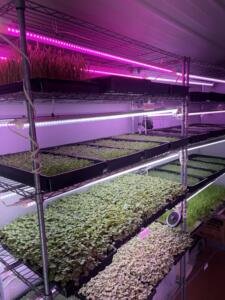
By Clare Boland, Communications & Outreach Fellow, and OFRF staff

Three Springs Farm is a certified organic farm located in eastern Oklahoma in the Ozark Hills. Farmers Mike Appel and Emily Oakley cultivate over forty different crops and more than 150 individual varieties on three acres of land. Their goal is to maintain a family operation that demonstrates the economic viability of small-scale farming.

Originally, Three Springs sold the majority of their produce at farmers’ markets, but since the pandemic, they’ve transitioned into being majority Community Supported Agriculture (CSA). Instead of giving customers a pre-packed box like a traditional CSA, they offer a free choice model, allowing customers to pick what veggies they want to receive at their weekly pick-up in Tulsa. CSA members also receive a newsletter containing recipes, photos, and stories from the farm. “It’s non-traditional, but we still have that community support,” says Mike. In addition to their CSA, they also sell wholesale to a restaurant and a Food is Medicine Program.

For Mike and Emily, farming organically was their intention from the start. Both studied agriculture in college, and afterward gained experience working at organic farms like Full Belly Farm in California. After Emily finished her graduate degree at the University of California-Davis, they relocated to Oklahoma, where Emily was raised, to start a farm of their own.

But finding a permanent home for their farm took a bit longer than they had hoped. They looked at more than 100 properties over the course of three years. During this time, they farmed on leased land, but were unable to become certified because of soil amendments used on the land prior to their lease. Eventually, they found land in Eastern Oklahoma, about an hour east of Tulsa, where they have been farming for the past 22 years.

“Oklahoma is really difficult because there’s not a lot of good soil,” Mike explains. “The best land tends to be river valleys, but they’re prone to flooding. Or, there might be really great land but no water. The best land we saw was south of Tulsa, but it was too expensive for us. We were at the eleventh hour when we just kind of stumbled upon our place.”

Why Organic

The land they purchased hadn’t been farmed before, so they didn’t have to go through the three-year organic transition period to obtain organic certification. “It’s why we do what we do,” Michael said when asked about the decision to be certified organic. “There was never a question of doing anything other than that… We actually don’t need it for marketing purposes.”  

Despite that, Mike says their CSA customers are still interested in the organic label – what it means and the integrity behind it. He also thinks the bashing of big organics doesn’t do a lot to support the label overall. “When you’re doing that consistently, the consumer doesn’t understand and is going to equate organics as something that is fraudulent. That’s a worry. It has to be a lot more delicate and balanced. There are a lot of us out there doing it right. There’s a lot of concern, and I think we’re riding a very fine line of losing consumer support if we don’t make integrity and strict standards the priority.”

In addition to being USDA-certified organic, Three Springs Farm is also certified through the Real Organic Project. Emily served on the National Organic Standards Board from 2016-2021 and advocated against the inclusion of hydroponic vegetables under the USDA label. The USDA’s decision to include hydroponics was what led to the founding of the Real Organic Project, where Emily currently serves on the standards board. The Real Organic Project label goes beyond the USDA organic label, differentiating organic food produced in concert with healthy soils and pasture, and offering customers greater transparency.

Mike’s top reasons why people should choose organic whenever possible start with the obvious. “You don’t want poisons in your food. That to me is fundamental. We don’t want to eat food grown with chemicals and we don’t want other people to either. 

“Also, farmworkers shouldn’t be working in fields that have nasty chemicals. We have a long way to go to ensure people have good working conditions, but at least we can ensure people aren’t being exposed to bad chemicals when they’re growing our food.”

Then there are the larger environmental impacts. “Living near a creek and seeing the life that’s there is incredible. While it is resilient, it’s also very vulnerable to our influences. It’s important to make sure your food choices don’t impair that. When we buy organic, we think beyond ourselves. Our choices have huge impacts in other parts of the world. Just try to make the best choices you can with what you have in front of you.

Cover Cropping for Scale and Climate Extremes

Although Mike and Emily own around 100 acres, they only keep three to four acres in production since it’s just the two of them and their daughter. The majority of their land is in conservation for wildlife habitat and native ecosystem restoration. Determining the right schedule for their cover cropping has helped not only to build biomass, but also to manage their farm with minimal staff.

”Anything that was spring crops gets turned into a summer cover crop. And then any land that isn’t gonna be utilized at all that year is also in summer cover crop. We end our season on Labor Day to get our winter cover crop planted. So we spend most of September, and a little bit of October, cleaning up fields and just selling to the restaurant and the Food is Medicine program.” The goal, Mike says, is to get the entire farm into cover crop by mid-fall. “Over time, we’ve figured out how to sustain the farm as two people; not growing year-round is one way to do that.”

Though, climate irregularities have caused them to adapt their plans season to season. “ Our falls have been a lot drier, so we’re not able to plant until we get a rain, and those rains haven’t been coming until October. So we’ve modified our winter cover crop a little bit because of that, adding more winter-hardy [varieties].”

In addition to fall droughts, they’ve also been experiencing heavy rains in the spring. This past year was “the wettest spring we’ve ever had, which is saying a lot for this region because we have pretty wet springs. We get pretty severe storms. It’s usually a deluge. And this spring was the worst in our 20 years of farming. We just could not get back into the field. And there were a lot of disease problems in our potatoes and onions because of it.”

Along with the changes they’ve made to their cover crop mix, Mike and Emily are also experimenting with reduced tillage to combat climate extremes. This year, instead of rototilling their summer crop prior to winter planting, they tried discing it in instead. “We’re really happy the way that turned out. The soil is a lot less abused when we don’t rototill.” In the coming year, they are hoping to experiment with interseeding, planting cover crops alongside cash crops, to combat soil erosion and build resilience for rain events.

Learning Through On-Farm Research

Mike and Emily have also developed a good relationship with Oklahoma State University. “We’ve done some varietal trials with them, which helped us figure out what works,” says Mike. “What’s been interesting is to see the extension agents become more interested in cover cropping. They’re still very conventional, but they’ve become more interested after seeing what cover crops have done for us—the fact that we’re organic, our plants are healthy, and our yields are good—without having to put down chemical fertilizers.”

“We’re a bit far away from the university, so it makes it harder to collaborate, but we’ve told them to call us whenever they do variety trials. We have lots of ideas and have trialed a bunch of different crops.”

His best advice for new farmers? Perseverance.

“There are times I’ve definitely wanted to just throw in the towel. But in the end, things work out. You talk to people, figure out the problems. Each year it gets better, but you’ll still have setbacks, like the weather for us this year. Know that while nothing is static, each year you’ll be able to build on your experience.”

By |2025-12-18T11:47:59-05:00December 17th, 2025|Farmer Stories, News|

Lessons from the Plains on the Transition to Organic

A Farmer Panel recap from the Transitioning to Organic Farming Conference at the Eastern Nebraska Research, Extension, and Education Center in Ithaca, NE

By Brian Geier, OFRF Communications Manager.

“I used to write checks to chemical companies. Now I write them to my kids,” explains Tom Schwarz, a 5th-generation farmer from southern Nebraska, while discussing the advantages of organic production. The Schwarz Family Farm has been farming organically since transitioning the farm in 1988. Along with his wife and two kids, Tom raises corn, soybeans, wheat, field peas, alfalfa, oats, and numerous cover crops. He was speaking at the Transition to Organic Farming Conference hosted by the University of Nebraska, Lincoln, alongside two other organic farmers. 

As may be the case for many farmers in rural Nebraska, farming is not new to any of the organic farmers on this particular panel. Each spoke with a familiarity and vocabulary that comes with decades of experience. All three of them are from families who are farming hundreds or thousands of acres, some owned, many rented, in various stages of leases. And all of them had, at some point in the past few decades, switched a portion of their farming enterprises to certified organic production. For these farmers, who carry on family legacies of farming that survived the farm crises of the 1970s and 80s, organic is, among other things, a way to survive. It is also a path toward passing a farm operation onto the next generation that is better, safer, and more profitable than when they started. 

No-till, organic corn at Young Family Farm in Nebraska. Photo credit: Barry Young, farmer-presenter on the “Organic Production: Nebraska Growers’ Perspectives” panel. 
Like most farming, organic is not all easy. Tom presented what he sees as the disadvantages of organic: it is management-intensive (more machinery passes per season), requires extra recordkeeping, and WEEDS (emphasis via capitalization added from Tom’s presentation). “It’s just plain harder,” he explained, citing the need to be able to adapt on the fly and to creatively problem solve.

Matt Adams, who started farming with his dad in 2016 and operates about 600 acres in Seward, Nebraska, also spoke on the panel. He agreed that there can be difficulties with the transition to organic, particularly with having machinery settings or setups needed for larger-scale grain production. “Get everything ready way before,” he warns, “so the day you need to be out there, you’re ready.” 

Matt transitioned non-irrigated land that was previously in the Conservation Reserve Program (CRP) to organic hay and row crops. Since the fields were in CRP, there had been no prohibited substances applied to them, and they were ready to certify, meaning he did not have to steward them through the three-year transition period to organic. But since the land had not been fertilized or cultivated, Matt is finding that yields have been low and weed pressure high, putting extra strain on the need for timely, effective cultivation setups. 

When addressing challenges, the number one source of information for organic farmers is other farmers. And Nebraska’s organic farmers on this panel are no exception. 

“I do have some original thoughts. But I always throw them to the wolves first,” explains Barry Young, the third panelist who operates Young Family Farm in southeast Nebraska. “I should call it ‘Young Community Farm’”, he chuckles, giving credit to past mentors that first taught him about polyculture planting, and acknowledging fellow farmers and family members that he discusses ideas with before trying them. Barry finds that sourcing inputs is one of his biggest challenges. Despite living in farm country, “No one around me was doing what I’m doing,” he said. Still, by persistently asking questions of fellow organic and regenerative farmers, who he finds are more apt to share knowledge than many conventional growers, he has learned to meet main challenges like developing inter-species planting mixes for weed control. 

Organic farmer Barry Young explains his polyculture planting mix for organic wheat, which includes a custom mix of 120 pounds of wheat with 2 pounds of radish and 3 pounds of flax. The flax, a legume, helps enhance the soil microbiome while the radish helps break compaction especially following alfalfa. Both winterkill and the wheat matures as a pure stand for harvest the next season.

Earthworms and good soil structure in a November cover crop at Young Family Farm.

A high biomass (10-ton per acre) pea/oat cover crop following no-till corn planting at Young Family Farm

Corn grows with a soil-building mix in wheat stubble at Young Family Farm.

Secondary roots on organic, no-till corn at six weeks post-emergence at Young Family Farm.

“This is the way we’re intended to farm.”

-Nebraska organic farmer

All three of the farmers spoke about several advantages of organic production, too. One described lying down in a field, observing the increase in bug and bird life following the switch away from pesticides, and thinking, “This is the way we’re intended to farm.” 

Other advantages cited include organic’s market stability, and the regional control and accountability within the market chains. With organic grain production, many farmers are selling niche crops to regional processors who are then selling food back to the community. This creates a market and economy that farmers form long-term relationships with, and it stands in contrast to the volatility and lack of accountability from larger, conventional commodity crop markets where crops are shipped out of state or country for processing. It is “consumer-based as opposed to commodity-based,” Tom points out. 

But ultimately, for Tom and others on the panel, it is about their farms’ future, and that is about the quality of life of the next generation. Today, there are challenges with organic, for sure, but farming has been a difficult profession for generations of Nebraskans. With organic production as at least a part of the farm, Tom feels he is creating something that will be passed on to the next generation and be better than what he inherited. Aside from now being a paid part of the organic operation, Tom notes that “The kids will not be exposed to chemicals like I was,” adding, matter-of-factly, “that’s the biggest reason I do it.”

For Plains farmers interested in learning more about the USDA’s National Organic Program, we encourage you to explore resources and upcoming events hosted by the region’s Transition to Organic Partnership Program (TOPP). You may also want to explore OFRF’s step-by-step guides, printable tools, and farmer experiences to help you access USDA programs and funding, such as the NRCS’s Environmental Quality Incentives Program (EQIP) and the RMA’s Whole-Farm Revenue Protection (WFRP) program.

By |2026-01-06T16:40:14-05:00December 16th, 2025|Farmer Stories, News|

Farmer-Led Trials Program Spotlight: Oxbow Farm and Conservation Center

Investigating Seeding Rate of Cover Crops for Biomass and Nutrient Content

Written by Mary Hathaway, OFRF’s Research & Education Program Manager, and Anthony Reyes, FLT Program participant

Anthony Reyes, FLT Program Participant. Photo credit Washington Soil Health Initiative, https://washingtonsoilhealthinitiative.com/2025/02/soil-health-ambassador-anthony-reyes-cover-crops/

Oxbow Farm & Conservation Center is a nonprofit farm in the floodplains of Snoqualmie Valley, WA. Anthony Reyes, the Agricultural Program Manager, manages 81 acres of certified organic land by experimenting and trialing climate adaptive and resilient agricultural practices. Along with his team, he works to reconcile our expanding human needs and the health of our ecosystem through sustainable agriculture, thoughtful management of our forests, ecological restoration, and education.

Oxbow Farm cultivates a variety of different crops well suited to the Snoqualmie Valley floodplain, and maintains a crop rotation to allow the soil to recover and regenerate. Anthony strategically removes fields from production each year and leaves them fallowed in cover crop to help protect the watershed, build up nutrients, and manage weeds, pests, and diseases.

Finding a Cover Crop that Works

Anthony was interested in understanding how to find a cover crop that would meet the needs of the farm – managing climatic challenges, erosion, and weed pressure. Ideally, anything that would be planted would help add biomass and could withstand drought conditions. Manipulating the seeding rate of the cover crops had been one way that the farm had considered better coverage of the soil, and Anthony was curious if the recommended seeding rate was the right density for their soil.

Farm Trial Plan

A portion of the cover cropped trial field.

With technical support from OFRF, Anthony is investigating the impact of seeding rate on biomass and nutrient content for German Foxtail, Pearl Millet, and Sudex cover crops. He will plant single varieties at two different seeding rates: the recommended rate and 25% above the recommended drilling rate.

The trial was arranged in  a randomized complete block design, with 24 rows, each 100’ x 10’ wide, with 1’ pathways and borders on outside rows. Each of the 4 replications contained  6 plots (3 varieties at 2 different seeding rates), for a total of 24 plots.

Measurements were taken from a random 3×3’ quadrat from each plot, including a biomass and leaf tissue sample. These samples were sent to Ward Lab for analysis of biomass, nutrient content, dry matter, and C:N ratio of the crop matter.

Trial updates

The quadrat samples were taken in September and lab results were returned in late October. The OFRF team reviewed the data with Anthony, read a full report on how the trial went and findings from the data below.

Trial fields at Oxbow Farm and Conservation Center

“I have long been interested in conducting and furthering our on-farm research, having worked on and set up many trials throughout my career. The Farmer-Led Trial Program goes beyond and centers the experience and voice of farmers by identifying us as the content experts and by playing a highly supportive and facilitative role in creating sound research from our identified goals. I have greatly valued the time and care given by OFRF staff and am so appreciative of this program.” 

– Anthony Reyes, Oxbow Farm and Conservation Center

An overhead drone shot of Oxbow Farm and Conservation Center

Research Results

For this Famer-Led Trial project, Anthony wanted to find a cover crop that would meet the needs of the farm – managing climatic challenges, erosion, and weed pressure. Ideally, anything that would be planted would help add biomass and could withstand drought conditions. In addition to testing a few new cover crops, Anthony was interested in manipulating the seeding rate of the cover crops to achieve better soil cover, and was curious to know if the recommended seeding rate was adequate for their soil and growing conditions.

Key Findings

  • German Foxtail Millet and Sudex were identified as high yielding cover crops in this trial. There was an early season drought, which likely affected the cover crops, especially Pearl Millet.
  • Sudex demonstrated the most vigor and produced more tillers, while the German Foxtail Millet was shorter and more upright, and did not form a closed canopy.
  • Under these conditions, higher seeding rates were unnecessary, as the 125% rate offered no yield benefit and diluted nitrogen concentration, making the standard 100% rate more cost-effective.

Anthony is interested in trialing these crop varieties again, in a more fertile field and ideally under typical rainfall conditions.

For full details on the study’s methodology and results, read the final report.

This is part of a series of blogs highlighting farmers who are participating in OFRF’s Farmer-Led Trials program. Farmers receive technical support to address their production challenges through structured on-farm trials. To learn more about OFRF’s Farmer-Led Trials Program, visit our website page at https://ofrf.org/research/farmer-led-research-trials/ 

To learn more about Oxbow Farm and Conservation Center, visit their website at https://www.oxbow.org/ 

By |2026-04-02T10:55:27-04:00December 2nd, 2025|Farmer Stories, News|

Farmer-Led Trials Program Spotlight: The Woven Trifecta

Testing the Impact of Anaerobic Ferments on Crop Health

Written by Mary Hathaway, OFRF’s Research & Education Program Manager, and Samantha Otto, FLT Program participant

Samantha Otto is the founder and farmer of The Woven Trifecta, a 10-acre farm in western Michigan. Currently in transition to organic, the farm focuses on diversified vegetables for a CSA, local farmers market, as well as farm-to-school sales throughout the school year. Samantha raises Jacob sheep for fiber as well as assorted poultry for meat and eggs. The livestock is rotationally grazed on just over 3 acres of pasture, with 2 acres of no-till beds in production.

Samantha has a decade of hands-on farming experience and is a graduate of Michigan State University’s Agricultural Technology program. Since she started the farm, her primary focus has been on cultivating no-till organic vegetables and cut flowers. But as a curious farmer, she is continuously exploring innovative approaches to sustainable agriculture. Last year, as a participant in the Midwest GRIT program, she began integrating grains into her system, and  she has also recently incorporated livestock into her rotations to create a closed-loop system to help improve soil fertility.

From Waste Product to Resources: Building Fertility and Reducing Reliance in Off-Farm Inputs

One of the main goals of The Woven Trifecta is to reduce reliance on off-farm inputs, and to transform the farm waste products into a resource. Samantha has experimented with different anaerobic fermentation, and was interested in scaling up and fine-tuning its use as a soil amendment. She is particularly interested in incorporating waste from her livestock and compost into anaerobic ferments to improve soil fertility and plant health.

With the help of OFRF’s Farmer-Led Trial (FLT) Program, Samantha hopes to understand how anaerobic ferments impact the health of her crops. When considering which vegetable to test, the team landed on artichokes – a promising crop that her CSA members love and that has yielded well in past seasons. As a long-season vegetable with a short harvest window, the Tavor Artichoke was an ideal crop to trial.

Farm Trial Plan

To answer Samantha’s question, ‘Does an anaerobic compost tea impact yield or plant nutrition in artichokes?,’ she will weigh all harvested artichokes from each plot. Marketable artichokes will be weighed and counted separately. In addition to weights, leaf tissue samples will be collected prior to flowering stalk emergence. 10 representative samples will be taken from each plot, with one leaf collected per plant.

There are two treatments in the trial: a control with no ferment spray, and the anaerobic ferment foliar drench. Samantha will plant in 8 plots to provide sufficient replication. The trial is in a 30′ x 90′ space, in 3′ wide no-till beds, with each row containing 10 plants spaced 36’ apart. Buffer plots will be added on each side, planted with sunflowers.

plot map for on-farm trial at Woven Trifecta Farm

The recipe for the anaerobic fermentation is 60/40 with vegetation scraps and rabbit manure. Samantha brews a fresh batch every two weeks, beginning in early June and applies the fermented drench application biweekly.  A 5-gallon bucket will be suitable for each batch.

Recipe for Anaerobic Fermentation Fertilizer

Using 5-gallon buckets, mix: 

  • 60% vegetation scraps from on-farm and/or compost club program 
  • 40% manure from our rabbits.  
  • 4 cups of soil. 

These will be well mixed, with scraps being chopped into small pieces, and will fill about 3/4 of the 5-gallon bucket.  This mix will then be submerged in water (from well), covered with a lid and stored in the pump shed. The bucket will be fitted with a fermentation lid with spout to release any built-up gases over the course of the fermentation process. 

Ferment will be checked at 7, 14, and 21 days; ready to use at  21 days. Solids are then strained, and the liquid is bottled for use.  

Application: 1 part recipe to 20 parts water every 14 days, and apply it as a soil drench via backpack sprayer.

Samantha is excited to see how the ferment impacts the health and yield of her plants. The process of testing her application of the anaerobic ferment is something she hopes can impact her farm system, and possibly provide sustainable answers for other small farms like The Woven Trifecta.

Sunset over a crop field at The Woven Trifecta

“Working with OFRF has been an amazing opportunity for our farm! Closing the loop in our production is a long-term goal of ours, and this project has provided the opportunity to take the time to explore a potential process for making that happen. It has been especially delightful to work with OFRF on creating the foundation of our project, making a once-intimidating idea very fun and feasible to trial! It has been a thrill to find on-farm solutions that support both our livestock and vegetable production. While we are a ways away from harvest, our on-farm ferment is visually showing benefits in our test plot. I look forward to collecting further data as the season progresses! This data will help us make decisions on how to incorporate ferments in our wider production in the future so that we can continue to grow beautiful, healthy, thriving vegetables for our community.

– Samantha Otto, The Woven Trifecta

One of the livestock that Samantha integrates into her crop rotations

This is part of a series of blogs highlighting farmers who are participating in OFRF’s Farmer-Led Trials program. Farmers receive technical support to address their production challenges through structured on-farm trials. To learn more about OFRF’s Farmer-Led Trials Program, visit our website page at https://ofrf.org/research/farmer-led-research-trials/ 

To learn more about The Woven Trifecta, visit their website at https://thewoventrifecta.com/

By |2025-12-17T17:31:56-05:00September 2nd, 2025|Farmer Stories, Livestock, News, On-Farm Research, Soil Health|
Go to Top