
office

About office

This author has not yet filled in any details.
So far office has created 240 blog entries.

NIFA and ERS Relocation Delaying Farm Bill Implementation

October 18, 2019 – The House Agriculture Committee’s Biotechnology, Horticulture, and Research Subcommittee held a hearing on October 17th to review the implementation of USDA Farm Bill research programs. The hearing centered on discussion of the agency’s move to Kansas City and the deep loss of expertise and experience that is resulting from the relocation.

For organizations like OFRF, a 2019 recipient of USDA’s National Institute of Food and Agriculture (NIFA) grants awarded through NIFA’s Organic Research and Extension Initiative, a particular concern is the reimbursement process for work already completed. OFRF has developed the survey for its project titled A National Agenda for Organic and Transitioning Research and is in the process of testing it with a select group of farmers before launching nationally. When Congressman Panetta presented the issue, Deputy Secretary Hutchins committed to following-up on the implementation of the grants.

House Agriculture Subcommittee on Biotechnology, Horticulture and Research Chair Stacey Plaskett of the U.S. Virgin Islands addressed the issue head-on in her opening comments. “At a time of continued farm stress, it should be USDA’s top priority to support research efforts that directly benefit farmers.

“. . . Unfortunately, I believe my fears are becoming true. This week, I received updates on staffing levels and the status of Fiscal Year 2019 funding. ERS has appropriated funding to support 329 employees, but currently, a total of 214 positions are vacant – a vacancy rate of 65%. To put it bluntly, NIFA is in even worse shape. Out of 344 appropriated positions, 264 are currently vacant – a vacancy rate over 76%.  I was told these extreme staff shortages mean some grant recipients will not receive their funds until March 2020.

“These gaps in service reinforce the notion that this relocation was hurried, misguided, and mismanaged. ERS and NIFA have been undermined at the very time these agencies require knowledgeable staff to implement Farm Bill changes, administer grants, and complete critical economic reports. Our farmers and ranchers deserve better, and so do the valued career public servants who have left their positions within ERS and NIFA for other opportunities.”
 

By |2020-01-08T18:12:21-05:00October 18th, 2019|News|

Evaluating the Effects of Seeding and Inoculant Rates on Weed Suppression, Nodulation, and Soil Health on Organic Lentil Production in the Northern Great Plains

Evaluating the Effects of Seeding and Inoculant Rates on Weed Suppression, Nodulation, and Soil Health on Organic Lentil Production in the Northern Great Plains

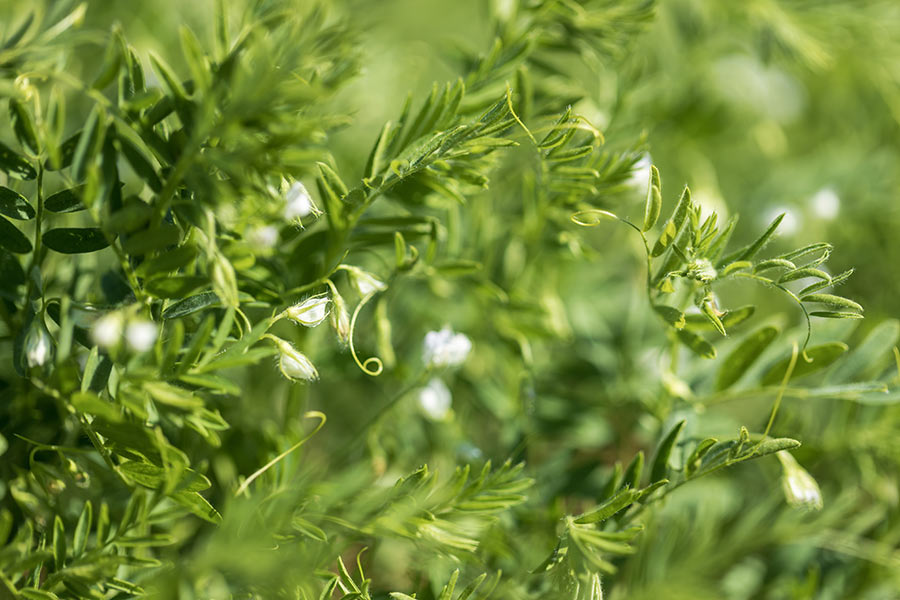
Photo of a field of flowering lentil plants

Jed Eberly, Assistant Professor, Montana State University

Lentils are important for diversifying wheat-based cropping systems and are also beneficial in enhancing soil health. These benefits have contributed to the exponential growth in pulse crop acreage in The Northern Great Plains (NGP). However, little is known about the optimum seeding and appropriate inoculation rates to improve crop growth, nutrient acquisition, weed management, and yield potential for lentils in organic systems. The goals of this project are to evaluate effects of seeding rates on lentil yields and weed competition. These goals will be achieved through a multi-site replicated trials on grower’s fields in three different lentil growing areas of Montana. Three lentil varieties would be selected based on seed sizes; large, medium, and small and will be seeded at four different rates.


Impact: Improved lentil yields, nutritional quality, and better returns on investments for organic lentil growers.


By |2025-04-11T16:50:32-04:00October 17th, 2019|Grant Award|

Join Us for the 2020 Organic Agriculture Research Forum

Graphic from the Organic Agriculture Research Forum flyer announcing the Jan 23, 2020 forum in Little RockOctober 15, 2019 – OFRF and Tuskegee University are pleased to announce the 2020 Organic Agriculture Research Forum (OARF) to be presented in partnership with the Southern Sustainable Agriculture Working Group (SSAWG). The Forum takes place on Thursday, January 23, 2020 in Little Rock, Arkansas, as part of the 2020 SSAWG Conference.

Farmers, students, and researchers who would like to apply for a scholarship of up to $600 to attend the forum should fill out the scholarship application no later than November 22nd, 2019.

The day-long forum will bring together scientists, organic farmers and ranchers, extension agents, non-profit organizations, and more to explore the latest research and science-based grower education, particularly as it relates to production in the southeast. Topics will range from assessing the impact of organic agriculture on climate change, to soil health, and pest and disease management.

The forum will feature many opportunities to learn from fellow attendees and presenters, beginning with oral presentations focused on research that addresses production, economic, and social challenges in organic farming and ranching. After the presentations, there will be a series of facilitated roundtable discussions, followed by a poster session and reception held in conjunction with SSAWG. The poster session will include a “People’s Choice” award and an award for “Best Research Poster” juried by a small panel of judges. Voting will take place during the Thursday evening reception.

The conference and scholarships are supported by Ceres Trust and the Organic Agriculture Research and Extension Initiative (OREI) grant no. 2019-51300-30250 from the USDA National Institute of Food and Agriculture.

Organic Farming Research Foundation (OFRF) is a non-profit foundation that works to foster the improvement and widespread adoption of organic farming systems. OFRF cultivates organic research, education, and federal policies that bring more farmers and acreage into organic production.

Southern SAWG facilitates the development of a more sustainable food and agriculture systems across 13 states in the Southern U.S. Since 1992 they have provided high quality educational materials and training opportunities on sustainable and organic production, marketing strategies, farm management, and community food systems development. Each year the Southern SAWG Conference brings together over 1,000 farmers, researchers, educators, and others in the sustainable agriculture field to share practical tools and information and strengthen their working relationships. The 2020 Southern SAWG conference will take place in Little Rock, Arkansas on January 22-25, 2020.

Tuskegee University has initiated an organic farming program for over 10 years to educate Alabama residents on the health benefits of organic vegetables. The program has grown in recent years to include site specific organic farming research on various vegetable crop varieties and integrated pest management throughout the Southern United States to provide recommendations to organic growers. Dr. Kpomblekou-A has served as director of the program at Tuskegee University since 2016.

Contact:
communications@ofrf.org

By |2023-12-12T17:23:15-05:00October 15th, 2019|Press Release|

OFRF is Turning 30! Save the Date!


October 9, 2019 – We’re celebrating a very significant milestone at our annual benefit luncheon at Expo West and we want you to join us! This must-attend event for organic industry leaders, market innovators, and brand-conscious consumers is the ideal place to network before the big show, and the all-organic lunch is always amazing!

Sponsorships are available now.

Individual tickets go on sale December 1, 2019.

By |2020-01-08T18:12:21-05:00October 9th, 2019|News|

NIFA Awards Grant for National Organic Survey to OFRF and OSA

October 7, 2019 – The Organic Farming Research Foundation (OFRF) and Organic Seed Alliance (OSA) are pleased to be among the recipients of the U.S. Department of Agriculture’s (USDA) National Institute of Food and Agriculture (NIFA) awards announced last week. The grant was awarded through NIFA’s Organic Research and Extension Initiative (OREI).
Through the competitive grant process, the organizations have been jointly awarded funding for their proposal titled A National Agenda for Organic and Transitioning Research. This funding will allow OFRF and OSA to combine their considerable expertise in conducting national surveys of organic producers to put forth an updated and comprehensive roadmap for future research investments.

“OFRF is committed to advancing the research needed to meet the current challenges of organic farming, with the goal of creating a more resilient and ecologically sustainable agricultural system,” said OFRF’s Executive Director, Brise Tencer. “We are honored by OREI’s investment in this important work and believe this collaboration with OSA will both increase grower participation and strengthen the impact of our updated findings.”

OFRF’s 2016 National Organic Research Agenda (NORA) report is a frequently cited resource that has helped ensure research funding is relevant and responsive to the needs of organic producers, while also identifying gaps where additional investment is necessary.

“With demand for organic products continuing to outpace domestic production,” Tencer explains, “the organic industry needs more research that helps existing organic farmers scale up, diversify, and increase profitability, and also encourages more farmers and ranchers to transition to sustainable organic practices that are better for the environment and people.”

“Organic farmers produce food differently, and that means they need different seed for the crops they grow—seed developed to thrive without synthetic fertilizers and pesticides, and adapted to their local climate and soil conditions,” says Kiki Hubbard, who co-leads OSA’s State of Organic Seed (SOS) project.

SOS is an ongoing project that monitors the status of organic seed in the U.S. and provides a roadmap for increasing the diversity, quality, and integrity of organic seed available to farmers.

“Understanding the research needs of organic farmers, including in the area of seed and plant breeding, is critical to the ongoing growth and success of organic agriculture,” Hubbard adds. “OSA is privileged to have the opportunity to partner with OFRF on this critical project with strong support from the USDA’s OREI program.”

OFRF, OSA, and a broad coalition of organic champions were instrumental in securing an increase in federal funding for organic research from $20M to $50M in the 2018 Farm Bill. This increase provides an unprecedented opportunity for researchers to tackle the challenges that inhibit the growth of organic production. Updated NORA and SOS reports will ensure this increased funding is allocated in a way that reflects the needs of organic farmers and ranchers.

By |2020-01-08T18:12:48-05:00October 7th, 2019|Press Release|

A Visit to Lakeside Organic Gardens

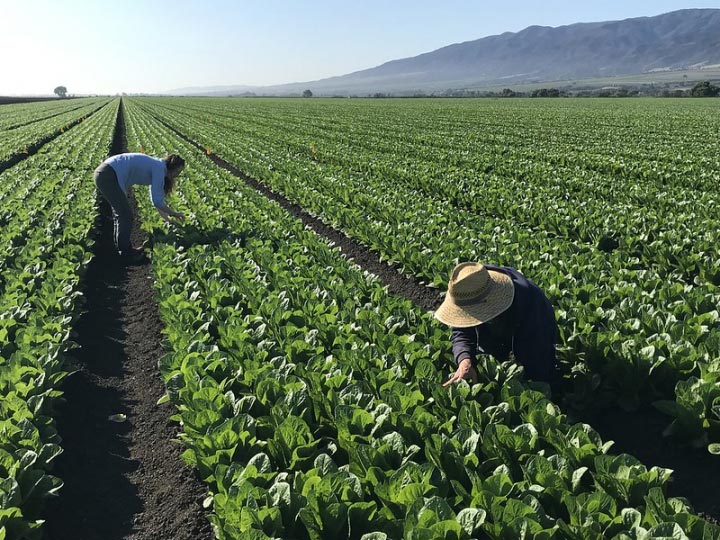
October 4, 2019 – Every once in a while, you’ve got to get out from behind the computer and stick your feet in the dirt to remember why you do what you do and how that beautiful organic salad got on your plate. The team at OFRF had a chance to visit Lakeside Organic Gardens in Watsonville this week and talk with owner Dick Peixoto and his team.

Even working in the organic sector, it is still awe inspiring to see the hard work and dedication that it takes to be a successful organic farmer. It was a treat to see so many different types of crops growing in the rich soil and to learn about Lakeside’s process. They are true stewards of the land, building up the soil year after year through cover cropping and other organic management practices such as planting flowers to attract beneficials.

Born and raised in Watsonville, Dick Peixoto has been farming since high school. Today, Lakeside is the largest family-owned and operated solely organic vegetable grower/shipper in the USA. Some of the employees have been working there for decades. Dick says, “We farm the soil and the soil grows the crop.”

Watch the video to learn more.

Thanks for the fun and informative tour and the healthy organic vegetables we get to eat!

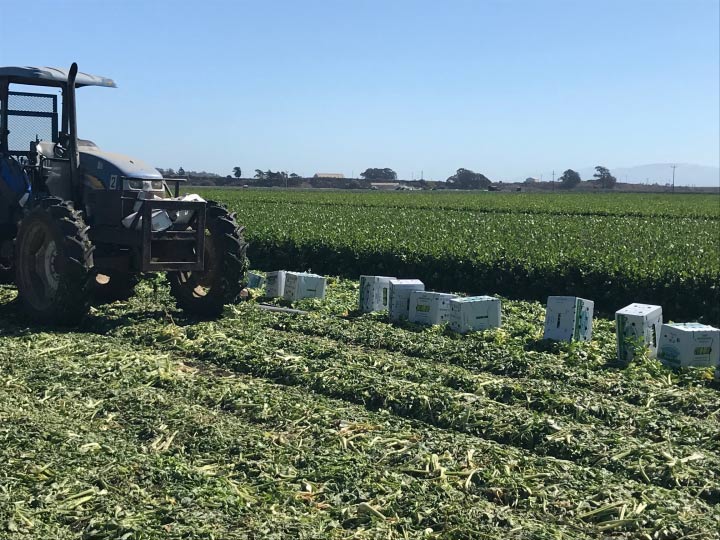
Photo of tractor at Lakeside Organic Gardens

Tractor on the farm at Lakeside

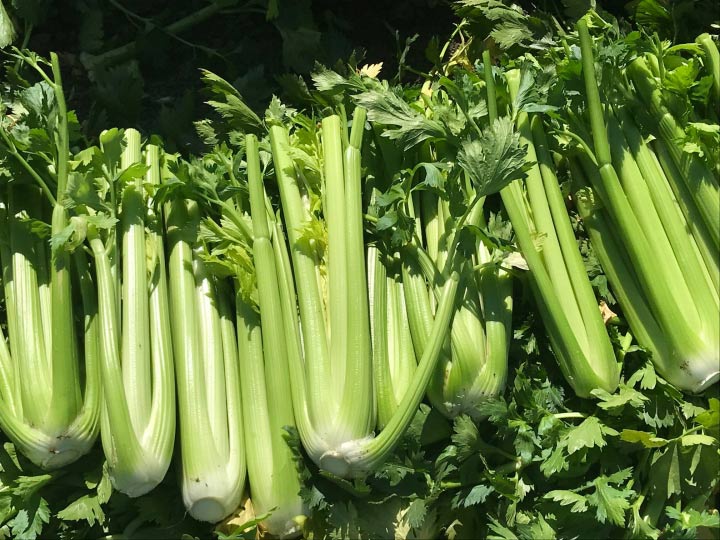
Photo of bunches of celery at Lakeside Organic Gardens

Celery harvest at Lakeside Organic Gardens

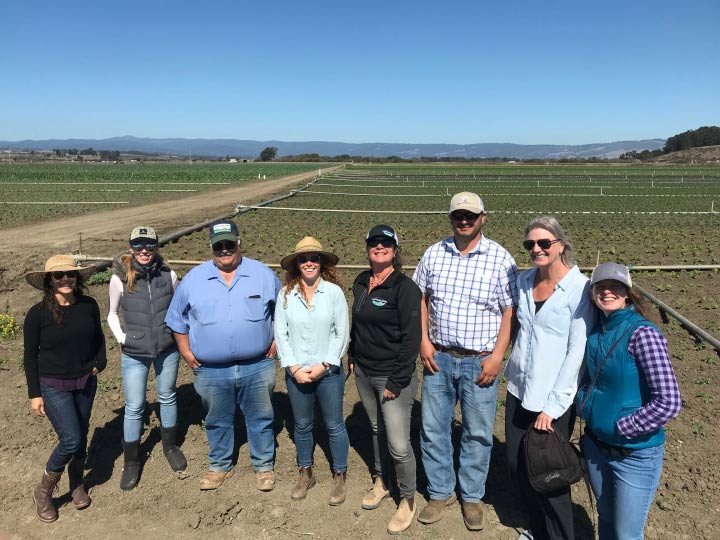
Photo of OFRF staff with staff members at Lakeside Organic Gardens

L-R: Brise Tencer, Executive Director, OFRF; Lola Dannehl-Schickman, Development & Partnerships Manager, OFRF; Dick Peixoto, Owner, Lakeside Organic Gardens; Haley Baron, Education & Research Program Associate, OFRF; Marliese McWherter, Creative Marketing Manager, Lakeside; Juan Gonzalez, Operations Manager, Lakeside; Vicki Lowell, Communications Manager, OFRF; Lauren Snyder, Education & Research Program Manager, OFRF

By |2020-01-08T18:12:48-05:00October 4th, 2019|News|

Mary Phipps

Founder and Farmer, Orchard Pond

Mary Phipps brings over 10 years of experience in sustainable agriculture. She has been operating her USDA certified organic farm since 2008, focusing on organic produce and value-added products produced in the on farm commercial kitchen. Mary has served on boards and councils for the University of Florida, including the Strawberry Growers Advisory Council. She and her husband and their two children were awarded the Farm Family of 2013 award for the Leon County Fair. Mary earned a BS in Landscape Architecture from the College of Environment and Design at the University of Georgia.

By |2024-12-18T15:44:34-05:00October 2nd, 2019|Board|

Dominica Navarro Martinez (she/her/ella)

Deputy Director

email: dominica[at]ofrf.org

Dominica Navarro has worked with organizations championing public health, diversity in higher education, pesticide reduction, and organic and climate-smart farming practices. She has devoted much of her professional career to nonprofit management, finance, administration and strategic development. She graduated from the University of California, Santa Cruz with majors in both Environmental and Community Studies and has worked on various sustainable agriculture projects in the US and abroad. Dominica is a current board member of Rogue Farm Corps and also serves on the Advisory Boards for Re:Wild Your Campus and Oregon Climate and Agriculture Network. Dominica lives in Central Oregon on the sovereign nation of the Warm Springs, Wasco and Northern Paiute tribes and loves stewarding land, hanging out with her family, cooking, sailing, hiking and traveling.

By |2023-12-21T00:26:34-05:00October 1st, 2019|Staff|

Kokoasse Kpomblekou-A

Professor of Soil and Environmental Chemistry Director, Organic Agriculture and Biogas Production

Dr. Joe K. Kpomblekou-A is a Professor of Soil and Environmental Sciences in the College of Agriculture, Environment and Nutrition Sciences at Tuskegee University. He holds a Ph.D. degree from Iowa State University in Soil Science. His present research emphasis is on fate and kinetics of nitrogen (N), sulfur (S), and phosphorus in the ecosystem, chemistry and biochemistry of N and S in animal waste-amended soils including the effect of trace elements on biochemical reactions in the ecosystem. The ultimate goal of his research is to gain fundamental knowledge that will aid in the development of management practices that prevent the accumulation of contaminants in the ecosystem.

Dr. Kpomblekou-A is in charge of the organic agriculture and biogas production program at Tuskegee University; together with other scientists at four land-grant universities (Auburn University, Mississippi State University, North Carolina State University, and Oregon State University) and Alabama Sustainable Agriculture Network are promoting organic agriculture throughout the Southeast United States.

By |2024-12-18T15:43:07-05:00October 1st, 2019|Board|

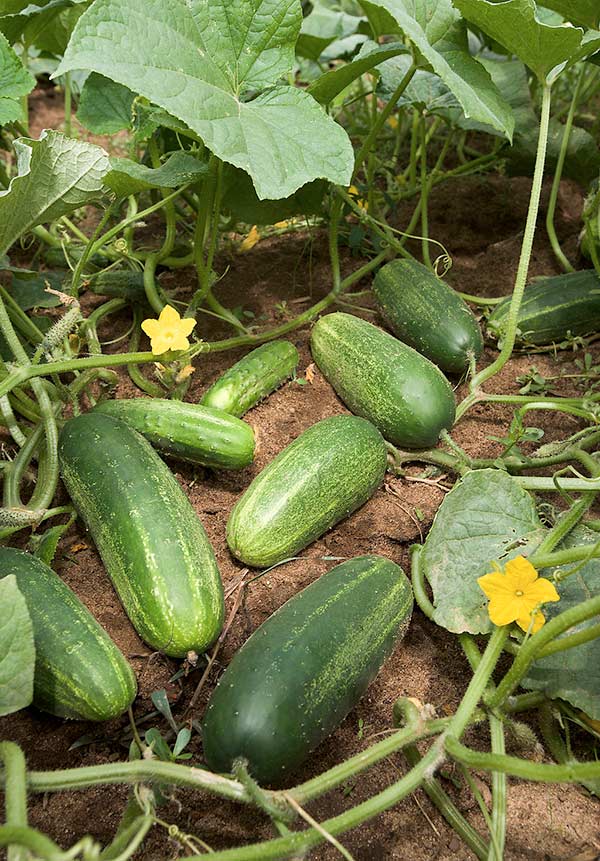
Development and Assessment of Bacterial Wilt and Downy Mildew Resistant Cucumber Seedstocks – Year Two

Development and Assessment of Bacterial Wilt and Downy Mildew Resistant Cucumber Seedstocks – Year Two

Edmund Frost, Farmer, Common Wealth Seed Growers LLC, Louisa, Virginia

Downy mildew (DM) is a central limiting factor for cucumber production in the eastern U.S, especially for midseason and late season crops. Frost will continue his assessment of DM resistant cucumber seedstocks, with increased focus on evaluating and advancing high-performing lines selected in 2018. Trials will take place at University of Massachusetts, North Carolina A&T University, University of Mount Olive, and four farms around the Southeast U.S. Trials will evaluate yields in high-DM conditions, rate the impact of DM on foliage, and provide feedback on fruit quality and marketability. Frost will conduct a BW-focused trial in early-planted, low-DM conditions on his own farm, as well as a late-season breeding trial of his selected slicing and pickling cucumber lines.

Impact: New cucumber varieties that are easier to grow, offer a longer harvest window, yield better under disease pressure, and help assure conventional farmers considering organic certification that transition is workable.

By |2022-12-01T20:21:50-05:00September 30th, 2019|Grant Award|
Go to Top