

Soil Microbial Interactions in Organic Farming
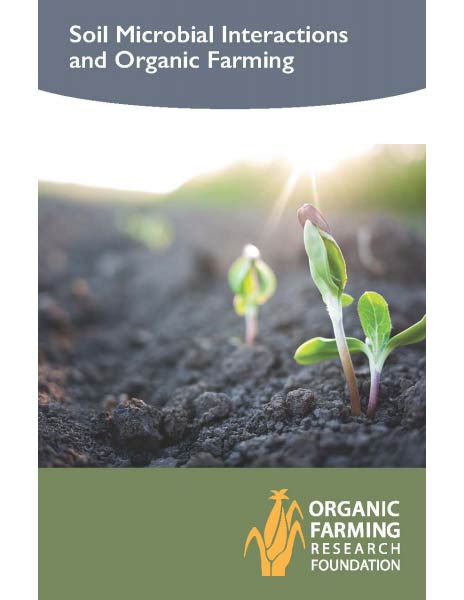
This guide explores how diverse soil microorganisms—bacteria, fungi, protozoa, and microfauna—drive nutrient cycling, plant health, and ecosystem balance in organic farming systems. It covers microbial roles in plant nutrition, bioremediation of contaminated soils, and biological control of weeds and diseases. Readers will gain science-based insights into practices that build organic matter, support beneficial microbes, and strengthen soil resilience over time.
Introduction to Crop Insurance for Organic and Transitioning Producers
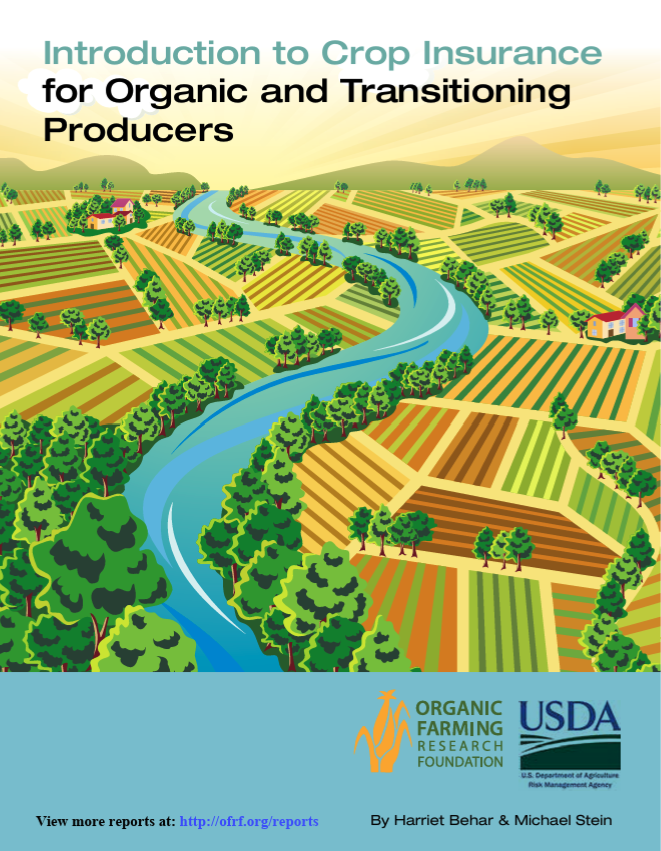
Crop insurance can help protect your farm from weather- and market-related losses. This guidebook provides an overview of crop insurance options, coverage, record-keeping, and working with insurance agents, with a focus on organic and transitioning producers.
You’ll also find practical worksheets for field locations, crop rotations, sales records, and income and expense tracking—all designed to support organic certification requirements. By integrating crop insurance into your farm’s risk management plan, you can increase resilience and protect your operation. Download the full guide to explore all coverage options, worksheets, and strategies for organic and transitional farms.
Reducing Risk through Soil Health Management in Organic Crop Production
Produced in partnership with USDA, this guide provides research-based information to help organic farmers identify and implement soil health practices that reduce production, economic, and environmental risk. It addresses challenges such as weather extremes, nutrient limitations, weeds, pests, and long-term soil degradation, with a focus on building biologically active, organic-matter-rich soils. The guide also complements crop insurance resources to support informed decision-making in organic and transitioning systems.

Taking Stock of USDA Organic Research Investments 2002–2014
The Organic Farming Research Foundation (OFRF) reviewed 189 USDA-funded organic research, education, and extension projects supported by the Organic Research and Extension Initiative (OREI) and Organic Transitions (ORG) programs from 2002 to 2014. With $142.2 million invested, these projects advanced knowledge on soil health, crop and livestock management, pest and disease control, and plant breeding.
Farmers were actively engaged in on-farm trials, field days, and advisory roles, ensuring research addressed real-world challenges. Outcomes included new cultivars, management practices, manuals, and digital resources, with many projects laying the groundwork for long-term innovations.
OFRF’s assessment underscores the importance of sustained federal funding, producer engagement, and targeted dissemination to maximize the impact of organic research. Download the full report to explore detailed findings, recommendations, and examples of projects that have shaped modern organic farming.
Organic Practices for Climate Mitigation, Adaptation, and Carbon Sequestration
Climate change threatens agriculture and food security across the U.S. and around the world. Rising global mean temperatures have already intensified droughts, heat waves, and storms, and altered life cycles and geographical ranges of pests, weeds, and pathogens, making crop and livestock production more difficult. Intense rainstorms aggravate soil erosion and complicate water management, and higher temperatures accelerate oxidation of soil organic matter. Warming climates modify crop development regulated by growing degree-days or “chill hours,” and threaten production of perennial fruit and nut crops that have strict chilling requirements to initiate growth and fruit set. Thus, agricultural producers have a major stake in efforts to curb further climate change, as well as improving the resilience of their farming and ranching systems to the impacts of climate disruption.
Prefer to listen?
Impacts of OFRF’s Grant Program on Organic Farming Research (2006–2014)
The Organic Farming Research Foundation (OFRF) has supported organic agriculture through targeted research funding since 1990. From 2006 to 2014, OFRF awarded 106 grants totaling $1.45 million to advance research in pest management, plant breeding, disease control, and weed management.
OFRF grants have strengthened the careers of early-stage scientists, enabled follow-on funding, and helped translate research into practical solutions for farmers. Many projects involved farmers as partners, ensuring results address real-world challenges and are quickly adopted.
Grants were funded in 25 states, with emphasis on regions experiencing rapid organic growth. OFRF’s grant program has expanded scientific knowledge, promoted sustainable practices, and supported collaboration between researchers and farmers, which continues to drive the growth of organic agriculture.
