
NIFA Awards Grant for National Organic Survey to OFRF and OSA
 October 7, 2019 – The Organic Farming Research Foundation (OFRF) and Organic Seed Alliance (OSA) are pleased to be among the recipients of the U.S. Department of Agriculture’s (USDA) National Institute of Food and Agriculture (NIFA) awards announced last week. The grant was awarded through NIFA’s Organic Research and Extension Initiative (OREI).
Through the competitive grant process, the organizations have been jointly awarded funding for their proposal titled A National Agenda for Organic and Transitioning Research. This funding will allow OFRF and OSA to combine their considerable expertise in conducting national surveys of organic producers to put forth an updated and comprehensive roadmap for future research investments.
“OFRF is committed to advancing the research needed to meet the current challenges of organic farming, with the goal of creating a more resilient and ecologically sustainable agricultural system,” said OFRF’s Executive Director, Brise Tencer. “We are honored by OREI’s investment in this important work and believe this collaboration with OSA will both increase grower participation and strengthen the impact of our updated findings.”
OFRF’s 2016 National Organic Research Agenda (NORA) report is a frequently cited resource that has helped ensure research funding is relevant and responsive to the needs of organic producers, while also identifying gaps where additional investment is necessary.
“With demand for organic products continuing to outpace domestic production,” Tencer explains, “the organic industry needs more research that helps existing organic farmers scale up, diversify, and increase profitability, and also encourages more farmers and ranchers to transition to sustainable organic practices that are better for the environment and people.”
“Organic farmers produce food differently, and that means they need different seed for the crops they grow—seed developed to thrive without synthetic fertilizers and pesticides, and adapted to their local climate and soil conditions,” says Kiki Hubbard, who co-leads OSA’s State of Organic Seed (SOS) project.
SOS is an ongoing project that monitors the status of organic seed in the U.S. and provides a roadmap for increasing the diversity, quality, and integrity of organic seed available to farmers.
“Understanding the research needs of organic farmers, including in the area of seed and plant breeding, is critical to the ongoing growth and success of organic agriculture,” Hubbard adds. “OSA is privileged to have the opportunity to partner with OFRF on this critical project with strong support from the USDA’s OREI program.”
OFRF, OSA, and a broad coalition of organic champions were instrumental in securing an increase in federal funding for organic research from $20M to $50M in the 2018 Farm Bill. This increase provides an unprecedented opportunity for researchers to tackle the challenges that inhibit the growth of organic production. Updated NORA and SOS reports will ensure this increased funding is allocated in a way that reflects the needs of organic farmers and ranchers.

 On the second day, we were ready to get to work. The policies we discussed looked at how to solve a number of pressing issues that California faces—pesticide usage near schools, land preservation, beginner organic farmer support, organic research and training funding, and much more. Despite our diverse and sometimes conflicting perspectives, we came together as a group to find common ground and think through our differences.
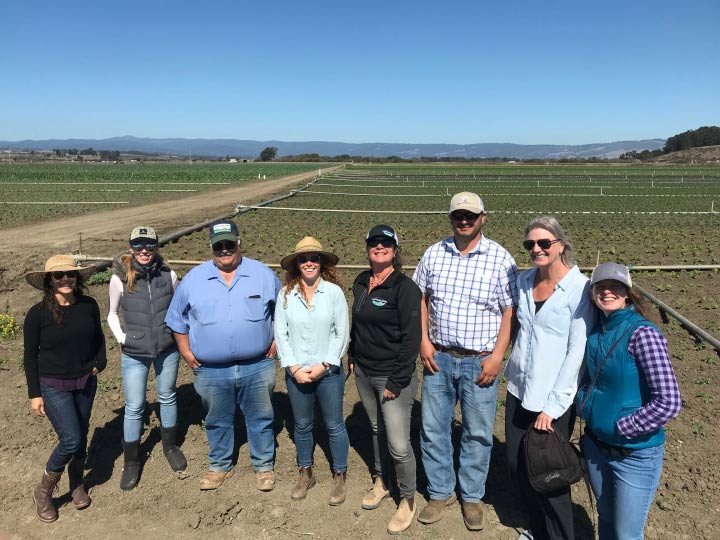
 September 9, 2019 – On September 3rd, OFRF hosted a research field day at the UC Santa Cruz Farm & Garden. Researchers and others from UCSC joined OFRF to talk with Congressman Jimmy Panetta about the highly innovative organic research taking place there, throughout his district, and across the U.S.
 Just twelve years ago the idea that you could grow strawberries without methyl bromide was very ingrained. Today, it’s a different story. The amount of strawberries grown organically in California has gone from 0% thirty years ago to 13% currently, and the good news is that percentage should continue to increase. “Fumigants are one of the biggest culprits in pesticide drift issues, from a human health perspective as well as an ecological perspective, reduced fumigant use is a good thing,” emphasizes Shennan. ASD is used on 2000 acres of strawberries in California and is being tested for its application in strawberry nurseries, apple, almond, vegetable, and flower production systems in the U.S.
 OGEE hit the beauty scene with a “bang,” receiving accolades from magazines ranging from Allure to Vogue. Although ecstatic with OGEE’s success, Stark believes the organic industry needs a bigger voice to accelerate change, especially in the world of cosmetics and beauty. “It is still impossible to source most of the organic ingredients that we need,” says Stark, “certified organic feedstocks are minimal or completely nonexistent. At the same time, the demand for organic crops has skyrocketed, while the percentage of organic farmland has remained flat.”
 August 27, 2019—It is now widely understood that living healthy soil provides the foundation for successful farming, and supports plant, animal, and human life. However, while the concept of “feeding the soil” has been around for a long time, for many it is still uncharted territory.
 Despite widespread opposition from researchers and members of Congress, along with questions of the legality of the move from the USDA’s inspector general, moving the Economic Research Service out of Washington DC and into Kansas City is well underway. Compounding the controversy is the bold statement of Mick Mulvaney, who, in early August, celebrated the move as an effective way to “drain the swamp.”
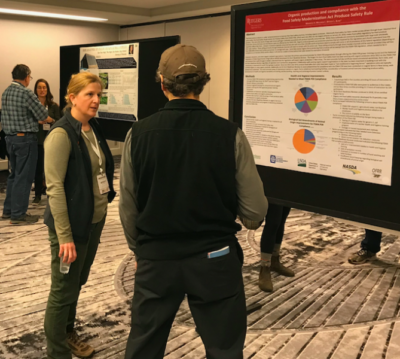 September 4, 2019 –The Organic Farming Research Foundation (OFRF) and Tuskegee University are pleased to announce the 2020 Organic Agriculture Research Forum (OARF) to be presented in partnership with the Southern Sustainable Agriculture Working Group (SSAWG) on Thursday, January 23, 2020 in Little Rock, Arkansas, as part of the 2020 SSAWG Conference.
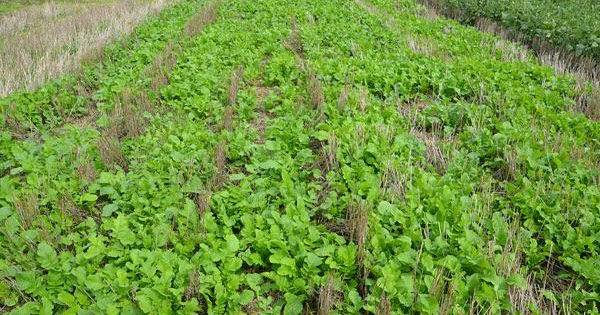 August 14, 2019 – Cover cropping is an important practice for building soil health, protecting the soil surface from erosion and compaction, and suppressing weeds and pests. Truly sustainable agriculture relies on maintaining effective vegetative cover of the soil, and the National Organic Standards require certified organic producers to include cover crops in their crop rotations.