
News

From Farm to Policy: Organic Agriculture and Public Health

This month, Gordon’s Policy Corner has a guest author, OFRF’s 2023 Fall Policy & Communications Intern, Annika La Fave.

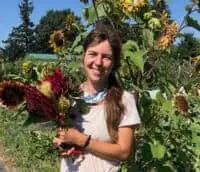
Until last year, I could not imagine a career path for myself other than farming. Working in sustainable agriculture for the last 14 years has inextricably linked my profession to my identity. However, after closing my small vegetable farm business in Oregon and moving to Maryland, I realized that I didn’t have it in me to start over. I also knew I was not alone. Many of my fellow small farm owners in Portland had also left farming due to financial hardship and lack of work-life balance. The unavoidable difficulties of farming as a profession was my inspiration for pursuing a graduate degree at Johns Hopkins Bloomberg School of Public Health, where I now study the intersection of public health, policy, and occupational sustainability and health for the ag community. OFRF’s meaningful work addresses these issues and more, and, as the fall Policy & Communications intern, I’m honored to be part of the team. This month, I’m taking over Gordon’s Policy Corner to talk about a few critical ways organic agricultural research and policy impact health outcomes for farmers.

How do policy, research, organic farming, and public health intersect? 

The farming community is affected by many key social determinants of health including:

Farmers are simultaneously among the most vulnerable and most vital members of our food system. Unfortunately, due to the complexity of a food system built within our current market dynamics, there are significant barriers to these circumstances changing. 

How can research guide food system policy? 
The first step toward promoting a healthier, more sustainable food system is ensuring federal and state governments support farm workers and local agricultural markets. Policymakers rely on researchers to demonstrate quantifiable issues within our food system and tangible opportunities to solve them. Only with this evidence, can advocates and policymakers demonstrate a critical need and rally support for meaningful policy development. Additionally, research can provide much needed technical and economic support for farmers to help improve their growing practices, increase yields, and make farming as profitable as it can be in light of the many barriers they face. In OFRF’s 2022 National Organic Research Agenda, which reported on surveys and focus groups conducted with transitioning and certified organic producers across North America, participants named the availability of organic research funds (54%), access to knowledgeable agricultural service providers (53%), and the imbalance of organic supply and demand (58%) among their top concerns.

OFRF’s role in addressing food system complexity: 

The needs of small and organic farmers are still underrepresented in the Farm Bill, but, thanks in part to the work of ag support organizations, USDA is now implementing more programs geared toward small, beginning, and historically underserved communities. Through my internship with OFRF, I’ve gained a deeper understanding of how individual organizations can promote policy reform through coalition building. For instance, OFRF’s policy team continues to champion the Strengthening Organic Agriculture Research Act (SOAR Act) as well as the Organic Science & Research Initiative Act (OSRI Act), which both aim to obtain necessary Farm Bill research funding to solidify our path toward a more equitable and resilient agricultural industry.

OFRF is also excited to be part of USDA’s Transition to Organic Partnership Program (TOPP), a program investing up to $100M over 5 years in cooperative agreements with organizations like OFRF to provide technical assistance and mentorship for transitioning and existing organic farmers. Knowing that small, beginning, and historically-marginalized farmers are particularly vulnerable to financial hardship and time constraints, the OFRF policy team has been working with TOPP West to develop toolkits for farmers to mitigate the common barriers they face when it comes to accessing USDA’s grants, loans, and technical support. Lately, I’ve been working to unpack NRCS’ Environmental Quality Incentives Program (EQIP) in a brief guide to help farmers know exactly when and how to apply for financial assistance.

How can you promote public health and a more equitable food system?

To reduce the impact of global warming, we will need a societal shift toward supporting local food systems and organic farming practices. In doing so, we can also promote a stronger local economy, combat the ongoing health disparities disproportionately affecting the farming community, and ensure that the people growing our food are able to earn a livable wage. Please prioritize buying from local producers using organic growing methods whenever possible. Consider reaching out to your representatives to highlight the need for more financial and policy support to help reshape sustainable agriculture into a tenable profession. And, please join us for an upcoming virtual OFRF event, where you can learn new skills for communicating with legislators or get involved with your own farmer-led research.

. . .

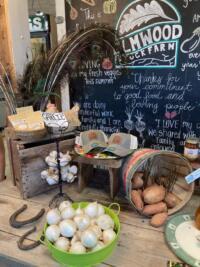
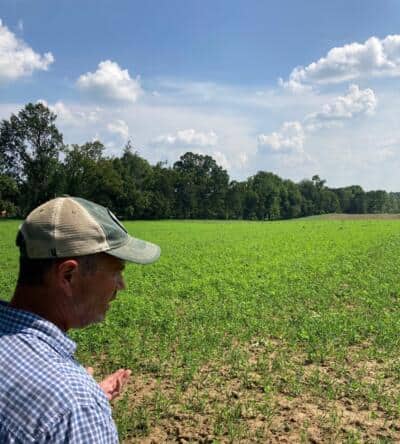
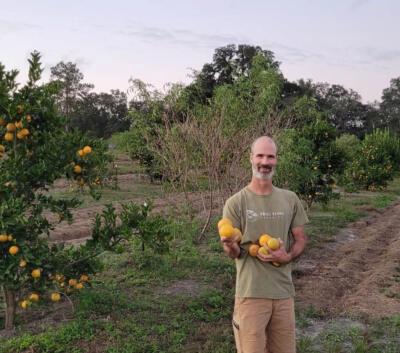
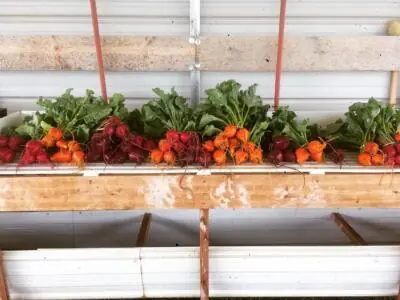
All photos courtesy of Annika La Fave.
By |2024-06-18T18:06:24-04:00November 10th, 2023|News, Policy Corner|

Seeds of Success Events

Beginning in 2023, the Organic Farming Research Foundation (OFRF) has worked in partnership to bring a series of interactive, virtual farmer-to-farmer networking sessions to growers across the country. Partners on these “Seeds of Success” sessions include Organic Farmers Association (OFA), the National Organic Coalition (NOC), the Transition to Organic Partnership Program, Oregon Tilth, Western Sustainable Agriculture Research and Education, and dozens of organic farmers, extension agents and researchers.

These “Seeds of Success” events are designed to empower organic producers and transitioning farmers with engaging peer-to-peer conversation. Each session will act as an interactive, informal space for farmers to share their challenges and successes and will give farmers an opportunity to have open conversations on topics most relevant to them.

Below you’ll find recordings for past events. The most recent events are added at the bottom of this list.

Strategies for Identifying and Navigating Organic Markets

Hosted by OFRF on November 10, 2023.

In this virtual networking session, we address the number one non-production challenge identified by organic producers: finding and developing markets for organic products.

This session featured three women farmers who have creatively grown their markets for organic products: Amy Van Scoik of Frog Song Organics in Florida, Pam Mack of L Marie LTD in Ohio, and Anna Jones-Crabtree of Vilicus Farms in Montana.

Watch Recording:

Demystifying the National Organic Standards Board: What It Is, How It Works, and How It Impacts Your Farm

Hosted by NOC on January 30, 2024

Organic producers and processors must follow strict standards to become organically certified. Who decides what is and is not allowed on organic farms and in organic processing facilities? Not your certifier! Rather, it’s the USDA National Organic Program, in consultation with the National Organic Standards Board (NOSB).

On Tuesday, January 30, 2024, the NOC hosted a virtual meeting for organic and transitioning farmers, where a panel of farmers and advocates demystified the NOSB. Panelists explained the role of the NOSB in shaping organic standards and allowed materials, the process the Board uses to make decisions, and explained how written and oral comments can make a difference in Board decisions.

Panelists included Steve Ela, Former NOSB Chair, NOC NOSB Specialist, and Organic Producer at Ela Family Farms in Colorado; Harriet Behar, Former NOSB Chair, NOC Advisor, OFA Farmer Services Consultant, and Organic Producer at Sweet Springs Farm in Wisconsin; and Amy Bruch, Current NOSB Vice Chair and Organic Producer at Cyclone Farms in Nebraska.

Learn more about this session and your role in providing input to the Board and lifting up farmer voices in the NOSB process on NOC’s website.

Watch Recording Here

Crop Insurance for Organic Farmers: What’s Working, What’s Not, and How We Can Make it Work for Us

Hosted on OFA on April 16, 2024.

In a changing climate, crop insurance can make or break a farmer’s ability to keep farming the next year. But this federally-subsidized program, intended as a safety net for farmers, serves some producers growing a few specific crops better than others. The program, as currently designed, feeds into the consolidation of land and resources in agriculture, with crop insurance being the only subsidized farm program with no upper limit on the funds that a farmer can receive from the federal government, a practice that reinforces existing power structures and leads to fewer, bigger, and less diverse farms.

Organic and transitioning farmers, specifically, find themselves misunderstood and underserved in the crop insurance system, as their practices, rotations, transition, and certification processes are not widely understood by the agents serving them and can be in conflict with Risk Management Agency requirements.

Noah Wendt of A&W Farms in Iowa and Seth Kroeck of Crystal Spring Farm in Maine share their experiences with crop insurance.

Watch Recording:

NRCS Organic Practice 823: Strategies and Best Practices

Hosted by OFA on July 24, 2024.

The National Resources Conservation Service (NRCS) has many programs to help farmers convert to organic farming operations. The Environmental Quality Incentives Program (EQIP) is a conservation program that helps farmers, ranchers, and forest landowners integrate conservation into working lands. Under EQIP, Organic Transition Initiative 823 (OTI) is specifically meant to help those transitioning to organic operations, by cost-sharing and providing technical support on practices organic and transitioning farmers want to implement on their farms. This program is relatively new, and a little different than other NRCS practices. Hear directly from ag professionals and farmers about their experiences with 823 and their ideas regarding how to best utilize this valuable conservation planning tool.

This session was presented by OFA’s Farmer Services Consultant Harriet Behar, Marbleseed’s Climate and Conservation Director/Organic Conservation Specialist Thomas Manley, and Lehman Farms Ltd.’s Aaron Lehman.

Watch Recording:

Adding the “O”: Farmer Perspectives and Experiences Transitioning to Organic

Hosted by OFRF on November 10, 2024.

This webinar features two farmers that share their experiences and thoughts for demystifying some of the challenges they faced while developing, conducting and evaluating research projects on their farms through OFRF’s Farmer-Led Trials project.

Watch Recording:

Lessons from OFRF’s Organic Seed Usage Farmer Listening Session

Hosted by OFRF on March 5, 2025.

In the sixth Seeds of Success networking session, over 40 participants gathered (virtually) to share their thoughts and firsthand experiences using and producing organic seed. The session was not recorded to allow participants to share more freely. Read OFRF’s summary of key takeaways from seed growers, organic producers, researchers, and technical service providers.

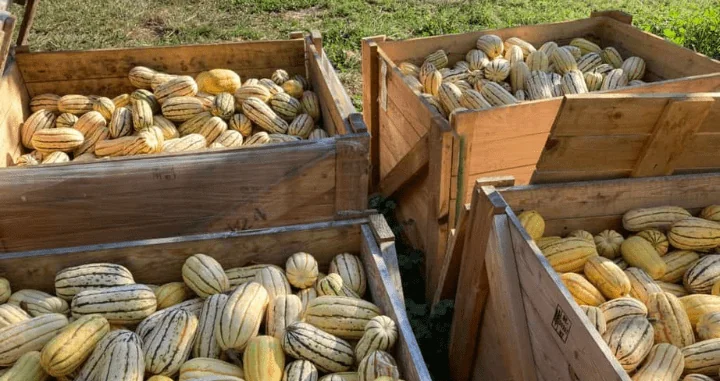
A Delicata squash seed crop cures in bins at White Oak Farm and Education Center, Oregon.

Crop-Livestock Integration

Hosted by OFRF on June 26, 2025.

Are you an organic farmer that is interested in using your livestock in your crop rotation? Are you wondering how others have overcome some of the complexities of integrating your farm system? Would you like to hear directly from farmers who have experience in this topic? If so, then this webinar is for you.

This Seeds of Success farmer-to-farmer networking session was an engaging opportunity where farmers came together to ask questions and share their lived experience in integrating crops and livestock in their production systems. This session we will features three farmers that have built resilience and a dynamic organic system:

Ben Coerper, Wild Harmony Farm

Tomia MacQueen, Wildflower Farm 

Raymond Hain, recently retired from Grain Place Foundation 

Watch Recording:


Farmer Perspectives on Transitioning to Organic in the Northwest

Hosted by OFRF December, 2025.

Farmers transitioning to organic production face unique challenges that require technical assistance on a wide range of production and non-production issues. During the transition period farmers must consider financially viable strategies for the three-year transition period, how to restore soil health while learning to manage weeds without herbicides, acquiring new equipment and infrastructure needed for organic production, and navigating NOP-related paperwork during the last year of transition and first year of certification. This webinar features three farmers that have worked through these issues, who share their experiences and thoughts for demystifying some of the challenges they faced in the process. In this session we feature three farmers in the Northwest that have built resilience and a dynamic organic system: Lynn Schaal, Life Springs Farm – Idaho Tracey Dion, Yellowstone River Farms – Montana Aaron Flansburg, Flansburg Farm – Washington. Read a recap of the session here.

Watch Recording:

Accessing USDA Farmer Resources on the Ground: NRCS and FSA

Hosted by the Organic Farmers Association on January 27, 2026.

Recent changes to USDA offices have real impacts for organic farmers. Join the Organic Farmers Association, OFRF, and the National Organic Coalition (NOC) for this Seeds of Success session: Accessing USDA Farmer Resources on the Ground: NRCS and FSA – Seeds of Success. This session can help farmers understand how they can navigate these changes with insights straight from USDA staff. Participants take the opportunity to engage directly with representatives from the Natural Resource Conservation Service (NRCS) and Farm Service Agency (FSA). During the hour, we delve into the specific changes in the structure, staffing, and location of NRCS and FSA offices. Farmers can learn the most effective ways to access essential resources. The session also provides guidance and updates on available loans, programs, and technical assistance to support farm and business goals.

Watch Recording:

Organic 101 for Extension Agents: Understanding Certification, Standards, and Producer Journeys

Hosted by OFRF January, 2026.

This webinar is for extension agents, technical service providers, or anyone who wants to understand organic certification and help growers make the transition to organic farming. In the first half of this informative session, you will learn the basic principles of organic certification, and become familiar with organic standards. During the second half, you will have the opportunity to interact with farmer panelists as they share their experiences in becoming certified organic producers. Panelists include April Thatcher of April Joy Farm in Washington, Beth Hoinacki of Goodfoot Farm in Oregon, and Diane Green of Greentree Naturals in Idaho. This webinar is brought to you by the Organic Farming Research Foundation, Oregon Tilth, and Western SARE.

Watch Recording:

Hosted by OFRF March, 2026.

This webinar is for extension agents, technical service providers, or anyone who wants to understand organic certification and help growers make the transition to organic farming in the south! Brought to you by the OFRF, Florida Organic Growers, and Southern SARE, the first half of this informative session covers the basic principles of organic certification and organic standards. During the second half, participants bring questions to a panel of experts, including organic farmers and specialists in Extension and organic certification: Eva Worden (Worden Farms), Danielle Treadwell (University of Florida), and Juan Carlos Rodriguez (Florida Organic Growers).

Watch Recording:

Hosted by OFRF May, 2026.

In this session, presenters walk through the most common insects, diseases, and weeds found across the SSARE region — from armyworm and root-knot nematode to pigweed and nutsedge — and connect that regional context to the pest management requirements outlined in the National Organic Program. Drawing on research conducted in the South, the session focuses on practical, science-backed strategies that extension agents and TSPs can bring directly to the farmers they serve, covering approaches to weed management, insect and disease control, and the “many little hammers” IPM framework that underpins organic production.

Watch Recording:

Hosted by OFRF August, 2026.

Managing pests and disease organically isn’t easy. The Northwest throws a lot at growers, from crop-specific insect pressure to diseases that can wreck a harvest fast. Having the right tools and knowledge on hand can make all the difference. The session opens with an overview of OFRF’s organic farming resources, followed by a panel discussion featuring experienced organic farmers and researchers: Ellie Costello, Trust Land Farm (MT) Sarahlee Lawrence, Rainshadow Organics (OR) Robert Orpet, OSU Assistant Professor of Entomology.

Watch Recording:

Cover Cropping Strategies for Organic Systems in the West

Hosted by OFRF September, 2026.

Cover crops are one of the most powerful tools available to organic and transitioning farmers, but getting them right in western growing conditions takes knowledge and experience. This webinar brings together researchers and practitioners to share what the science says and what is working on the ground. OFRF Conservation Scientist Rebecca Champagne, PhD, presents current research on cover crops for western organic systems, covering soil health, nutrient and weed management, pollinator support, and grazing integration. Shannon Cappellazzi, PhD, Soil Health Extension Specialist with Oregon State University, and Anthony Reyes, Director of Agriculture at Oxbow Farm and Conservation Center, join the panel to offer research and on-farm perspectives from real-world experience in the region.

Watch Recording:

Stay tuned for our next farmer-to-farmer networking session. You can view all upcoming OFRF-related events at ofrf.org/events/ and by subscribing to our newsletter here.

The Seeds of Success project is supported through the United States Department of Agriculture (USDA) Transition to Organic Partnership Program (TOPP). TOPP is a program of the USDA Organic Transition Initiative and is administered by the USDA Agricultural Marketing Service (AMS) National Organic Program (NOP).  

By |2026-09-16T12:23:51-04:00November 10th, 2023|News|

The Role of Long-Term Research in Sustainable Agriculture

Written by Elizabeth Tobey

The word unprecedented has become tiredly overused, as we weather the storms of one climate-induced disaster after another, and set new records for temperature extremes. Farmers and farm workers in particular are keenly aware of the impacts of this climate chaos; in a profession dependent on and deeply affected by the weather, people working in agriculture are canaries in the coal mines of rapidly changing weather patterns and new climate extremes. Earlier this year farmers in Vermont raced to harvest crops before flood waters overtook fields and contaminated crops, while farmers throughout the west coast donned n95 masks or respirators to work the fields amid hazardous air quality due to a wildfire smoke. These stories are sadly not uncommon; everywhere you look farmers are working hard to stay afloat in challenging conditions. Climate change is impacting farms and ranches across the nation and organic farms are particularly vulnerable; but they are also full of potential for climate adaptation and even mitigation.

A recent Civil Eats article showcased how the history of extractive agriculture in Maui set the stage for the devastating wildfires in early August. While it explains the tragic history leading up to the disaster, it also points out that agriculture can be part of the solution. “Basically everything that can be done negatively, agriculture can also do it positively. Agriculture can contribute to soil remediation, improved water quality, and biodiversity.” 

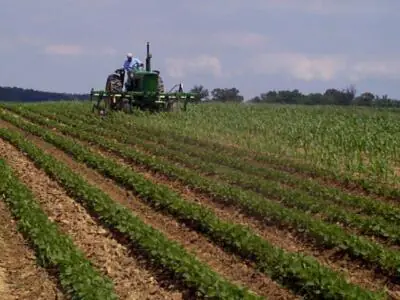
Cultivating corn at the Sustainable Agricultural Systems Lab in Beltsville, MD, with cultivated beans in the foreground

Because organic farms do not rely on synthetic chemicals, they tend to be more dependent on natural systems than their conventional farming counterparts. This can mean they are more vulnerable and easily impacted by climate change, but organic systems also hold tremendous potential to build climate resilience. Farmers have always adapted, and the unpredictability of our current climate continues to push farmers to seek innovative solutions and evolve their farming practices to help withstand and even mitigate the extremes of climate change. 

Long term agroecological research is critical in order to provide farmers with cutting edge understanding of how climate change affects different production systems and how different production systems can build resilience to withstand climate change. While a lot can be learned in short-term studies, there are things that only long-term observation can reveal. To better understand the role of long term agriculture research OFRF recently spoke with Michel Cavigelli, PhD about his work at the long term agricultural research (LTAR) station in Beltsville Maryland, ancestral homelands of the Piscataway and Nacotchtank. “I was always interested in long-term research because everything changes every year,” Cavigelli said.

Weather patterns can change so much year to year, that a two year study, for instance, may fall over the course of two good-weather years, or even a good year and a bad year, and the results will not accurately represent the full picture of how a farming system behaves over the course of several years and weather cycles. Other elements of agriculture change so slowly that it’s nearly impossible to measure them in a short period of time.

“You need long term data to look at things that change a lot from year to year, and you also need long term data to look at things that change slowly,” Cavigelli explained. “Soil organic carbon changes slowly, that’s probably the most notorious one. You usually need at least ten years of a treatment difference to see those [changes] statistically.”

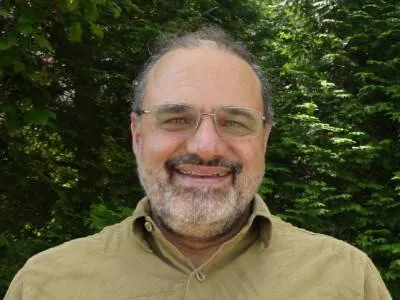
Dr. Michel Cavigelli

Running a long-term study offered Cavigelli a unique opportunity to study Soil Organic Carbon (SOC). “There’s all this talk now about climate-smart agriculture, and looking at ways to mitigate greenhouse gas emissions in agriculture. So any increase in soil carbon is a decrease in atmospheric carbon.” 

At the Beltsville research site they have five different cropping systems in place: two conventional and three organic, with a variety of tillage practices and crop-rotations in place. The cropping systems they maintain are:

  • Conventional
    • no-till, 3-year corn-soybean-wheat rotation
    • standard tillage, 3-year, corn-soybean-wheat rotation
  • Organic 
    • standard tillage, 2-year corn-soybean rotation
    • standard tillage, 3-year corn-soybean-wheat rotation
    • standard tillage, 6-year corn-soybean-wheat-alfalfa rotation, with alfalfa as a three-year perennial crop

The conventional systems receive a double-cropping of soybeans after wheat harvest, while the three-year organic rotation gets a hairy vetch planting. “It’s still corn, soybean wheat, and then a legume,” said Cavigelli, of the 3-year organic rotation. “So it’s quite comparable to the two conventional systems.” This variety of cropping systems allows them to compare different production methods.

Along with studying SOC, Cavigelli also looks at crop yield, economic viability, soil quality and soil properties, weed population dynamics, and the overall health of the soil food web. He also explained the long term trial site functions as a base for other researchers to look at things that they don’t study at the Beltsville lab, such as soil invertebrate communities. “We provide the long term study for people to kind of helicopter in and do their specialty, which provides a lot more depth of knowledge of the different systems,” Cavigelli said. 

Organic soybeans at the Sustainable Agricultural Systems Lab in Beltsville, MD

The results of these studies help researchers like Cavigelli give more accurate and useful advice to farmers and ranchers. Along with publishing scientific reports on their findings, researchers at Beltsville engage in a variety of outreach activities to share their findings with the agricultural community. Prior to Covid, Cavigelli said he regularly presented at ag conferences and hosted field days at the research site that would draw groups of 80-100 farmers and others at a time. He also worked with partners at the local university extension office on a “traveling road show” tour to present findings to ag communities in the mid-Atlantic region, and is eager to reinstate those outreach activities now that the national emergency has ended.

There have been a lot of studies on no-till conventional agriculture, which allowed people to develop some robust conclusions early on. “That’s why no-till became the focus of what farmers ought to do to sequester carbon,” Cavigelli said. Based on this he explained that his initial hypothesis was that the organic systems would retain soil carbon at a rate somewhere between the conventional tillage and conventional no-till systems, taking into account the added organic matter from the organic systems but the disturbance from tilling.

Some of the initial results they’ve found in studies have surprised even Cavigelli. He initially expected the no-till systems to have higher SOC levels because of the decreased soil disturbance. However, when they looked at the findings after 11 years, the organic system actually had more soil carbon than the no-till system, although he made sure to point out that their latest study on SOC has not been fully vetted by peers yet; they will be submitting the paper soon. 

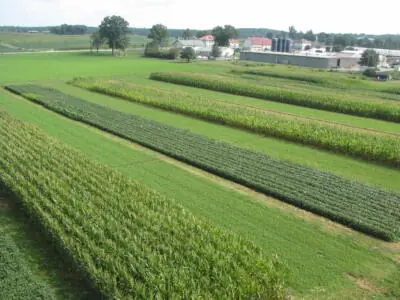
Farming Systems Project, Sustainable Agricultural Systems Lab in Beltsville, MD

“A critical part of the story is that when the experiment was started we had relatively high SOC because the site had been planted to perennial alfalfa for at least 14 years,” Cavigelli said. “This also points to the value of perennials.” When Cavigeli’s team compared their results to archived soil samples from 1996, before the long-term systems trials began, the only cropping system that was not losing soil organic carbon over the long term was the 6-year organic rotation. As noted above, this rotation differs from the others by adding a three-year planting of perennial alfalfa before going back into an annual corn-soybean-wheat rotation. “It’s not a tree, it’s not the native perennials, but it’s still a perennial,” Cavigelli explained about the alfalfa. “And during the three years that it’s in there you’re not tilling, and you’re increasing root biomass and all that.” As a legume, the alfalfa roots have a symbiotic relationship with rhizobial bacteria that pull atmospheric nitrogen from the air and fix it in the plant, while the perennial root systems and the lack of tillage or soil disturbance for those three years support the soil in sequestering carbon. Alfalfa is also a valuable cash crop in itself, providing high quality livestock feed. 

“When we look at the difference between time-zero, 1996, and all five of our systems they all lose carbon except for the six-year organic system,” Cavigelli said. “It’s not just that it’s organic, but it’s that we have a perennial in there. So it looks like the story is that perennials are the best way to either maintain or increase soil carbon.” 

As we head into the unknown of our changing climate, long-term research will be increasingly important to help farmers and ranchers make informed decisions about their management practices and to help policy makers respond to the climate crisis with effective programs. However, funding for these long term projects is precarious. All the funding comes from Congress, and Cavigelli explained that it can be tough to make the case for long-term research. “They like to see more quick results, and it’s not quite as sexy as developing a new technology,” he laughed. Researchers like Cavigelli are limited by Congress’s funding decisions.  “It’s a harder sell,” Cavigelli continued. “And it’s a sustainability sell. The only way to measure our sustainability is doing things long-term. And the amount of money we get is directly related to how much research we can do.”

. . .

Dr. Michel Cavigelli is a Co-Director of the USDA Northeast Climate Hub, providing expertise on cropping system management and impacts on greenhouse gas emissions. He is also a Research Soil Scientist with the USDA Agricultural Research Service at the Sustainable Agricultural Systems Lab in Beltsville, Maryland. He serves as Lead Scientist of a research project that includes evaluating the long-term impacts of organic and conventional cropping systems management on sustainability. His areas of expertise include organic and conventional cropping systems, nutrient management, and environmental and microbiological controls on soil nitrous oxide production and emissions. He received a B.A. in Biology at Oberlin College in 1984, a M.S. in Agronomy at Kansas State University in 1990, and a Ph.D. in Crop and Soil Sciences and Ecology and Evolutionary Biology at Michigan State University in 1998. OFRF is grateful to Cavigelli for taking the time to speak with us about his work.

By |2024-06-18T18:07:07-04:00October 25th, 2023|News, Policy Corner|

Farming for the birds

Study shows how organic growers and wild birds can benefit one another

Written by Heather Estrada, OFRF Research & Education Senior Scientist

Organic producers rely on natural biological controls as a key component of their Integrated Pest Management (IPM) strategies against crop pests. Because wild insectivorous birds play a substantial role in biocontrol of many pests, organic producers often maintain natural areas or install perennial habitat plantings such as hedgerows and field borders to encourage diverse wild bird populations. However, in addition to some birds directly damaging crops, food safety and animal health concerns have been raised because wild birds can carry pathogenic bacteria, viruses, or parasites that affect humans and livestock.  

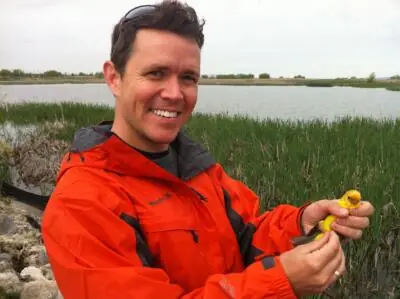
Researcher Jeb Owen holds a yellow Tanager bird in his hands. He is wearing a red raincoat, smiling at the camera, standing in a marshy area in front of a body of water.

Dr. Jeb Owen, holding a Tanager.

In 2015, a group of researchers from Dr. Jeb Owen’s lab at Washington State University received a USDA NIFA Organic Agriculture Research and Extension Initiative (OREI) research grant to investigate the costs and benefits of encouraging wild bird populations on organic farms. The goals of the Avian Biodiversity: Impacts, Risks and Descriptive Survey (A-BIRDS) project were threefold: 1) to identify the relationship between wild bird biodiversity and farm-level management practices, 2) to determine the role of insectivorous wild birds in controlling insect pests, and 3) to assess the risk presented by wild birds in spreading pathogens that endanger human and livestock health.  

Researchers conducted in-depth surveys of species diversity, prey consumption, and the occurrence of fecal pathogens in wild bird populations over a three-year period on 52 organic farms in CA, OR, and WA.  Highly diversified and organic vegetable-only and vegetable-livestock integrated farms with a range of field sizes, proportions of natural areas, and overall diversity of the agroecosystem landscape, were included in the survey. 

Results suggest that more natural habitat in the farm landscape increased the density of native bird species and reduced the density of non-native species, which have the potential to be invasive. Farms with livestock consistently supported greater bird density and diversity, which was most pronounced in farms with the least amount of natural area. The increased bird density and diversity on crop-livestock farms may be attributed to a combination of common factors: smaller farm size, greater landscape diversity, and more integration of woody crops compared to crop-only farms.

The next phase of this project involved the collection and DNA analysis of 1,200 bird fecal samples from participating farms. Results showed that wild birds consumed 30 orders of insects, including 103 insect species that are known to be crop pests, confirming that birds can perform important agroecosystem services through the biological control of insect pests. Finally, some 3,200 samples of bird feces were tested for Campylobacter spp., Salmonella spp., and Escherichia coli (E. coli) bacteria. Bird feces commonly (10% of samples) carried Campylobacter, and rarely carried Salmonella or Shiga toxin-forming pathogenic E. coli (STEC). Campylobacter increased with livestock density but decreased with the extent of natural areas on the farm, which highlights the potential for natural habitat to reduce crop contamination by birds.

Overall, these findings indicate that maintaining natural areas and a patchwork landscape with small fields bordered by natural areas can enhance wild bird populations and potential predation on insect pests without contributing to food safety risks. This research has been published widely in academic journals and shared to farmer audiences through numerous extension talks.

By |2024-06-18T18:08:48-04:00October 19th, 2023|Education, News|

TOPP West and Southwest Resources

Federal funding is available to help agricultural producers transition to an organic system of production.  As part of the larger $300 million USDA Organic Transition Initiative, the Natural Resource Conservation Service has begun to make $70 million available to help producers adopt organic management systems in pursuit of certification.  The following resources provide information on specific USDA technical assistance and funding support programs available to farmers. We will continue to update this with additional resources, so be sure to check back often. 

Whole-Farm Revenue Protection (WFRP): Insurance Options for Organic and Transitioning Growers

New farmer-friendly resource breaks down how to access whole-farm insurance coverage.

Whole-Farm Revenue Protection program for organic and transitioning growers on background image of diverse crops at a marketOrganic and transitioning-to-organic producers face unique risks that aren’t always covered by traditional crop insurance. Fortunately, USDA’s Whole-Farm Revenue Protection (WFRP) program was designed with small-scale and diverse operations in mind, offering flexible, revenue-based coverage for farms of all sizes, including those growing specialty and organic crops. To help farmers better understand and access this program, OFRF has developed a new Whole-Farm Revenue Protection toolkit. LEARN MORE ABOUT WFRP TODAY.
Lessons Learned from an NRCS Contract

One organic farmer’s journey through federal funding.

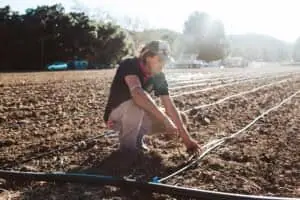
Source: Three Feathers FarmWe are spotlighting the experience of one organic farm—Three Feathers Farm in California—that received funding and support through the Natural Resource Conservation Service’s (NRCS) Environmental Quality Incentives Program (EQIP). Their story offers a transparent look at what it’s really like to work with NRCS: the benefits, the obstacles, and the lessons they’ve learned. We hope other farmers can use their experience to navigate the process of applying for and implementing EQIP contracts more easily. Read Héktor’s story.

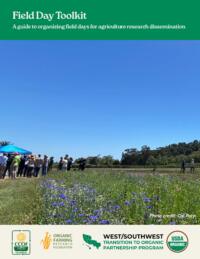
Field Day Toolkit

A guide to organizing field days for agriculture research dissemination

Field days provide a unique space for farmers, researchers, and agricultural professionals to come together to share insights, learn from one another, and foster future collaborations. Discover a roadmap and customizable materials to plan, host, and follow up on hosting a successful event at your farm or research site with OFRF’s new Field Day Toolkit. View the full Field Day toolkit here.

Utilizing NRCS Support on Organic Farms: Tech Note 12

Tech Note 12 provides a wealth of knowledge needed to effectively support the unique requirements of organic producers.

The USDA’s Natural Resources Conservation Service (NRCS) offers funding and technical assistance to help farmers enhance their farming operations, including increasing support for transitioning to organic practices. However, farmers, field agents, and Technical Service Providers (TSPs) may not always be familiar with how NRCS programs can support organic practices. To address this, OFRF collaborated with NRCS to develop a document that equips farmers and field agents with the knowledge needed to effectively support the unique requirements of organic producers. That document is Technical Note 12 (TN-12). Learn more about Tech 12 today.

The Organic Certification Cost Share Program (OCCSP)

Farmers across the U.S. may now receive up to $750 per scope for organic certification costs.

As a farmer or a technical service provider to farms, you understand the importance of organic certification. It not only adds value to your products but also opens doors to a growing market of health-conscious consumers. However, the process of obtaining and maintaining organic certification can be costly. The good news is that financial assistance is available through the Organic Certification Cost Share Program (OCCSP) to help ease this burden. In this blog post, we’ll walk you through the basic steps to access up to $750 in financial assistance for each organic certification scope, covering expenses paid between October 1, 2022, and September 30, 2023. Find out how to get started here. 

Environmental Quality Incentives Program (EQIP)

Farmers across the U.S. are eligible for significant technical and financial assistance from the Natural Resource Conservation Service (NRCS).

Farmers and technical service providers know firsthand that the most significant barriers to developing sustainable infrastructure and production practices are due to time and resource scarcity. NRCS’s EQIP program offers financial assistance and technical support to implement new conservation practices on your farm, with additional support for historically underserved applicants, including socially disadvantaged, beginning, veteran, and limited-resource farmers and ranchers. In this blog post, we’ll provide an overview of what EQIP has to offer and the steps to utilizing this program. Learn more.

Organic Transition Initiative (OTI)

$75M in cost-share grant funding is available to certified organic and transitioning-to-organic growers under EQIP to meet NRCS’s Conservation Practice Standard for Organic Management (CPS-823).

Organic farmers must manage their land without prohibited inputs for 3 years for their products to be certified. This transitioning period can be incredibly challenging as farmers and their land adjust to new production practices. OTI is intended to help producers implement conservation activities required for certification, receive expert technical support, and recover foregone income due to reduced yields during the transition period through EQIP. Read more today.

By |2025-08-04T21:08:00-04:00September 26th, 2023|News, TOPP West|

NRCS Programs on an Organic Farm

How Animal Integration and Crop Rotations Help Sustain Generations of Farmers at Elmwood Stock Farm

Written by Brian Geier

Elmwood Stock Farm is a diversified organic farm in Georgetown, Kentucky, producing mixed vegetables, fruits, beef, chicken, turkey, lamb, pork and value-added products. As a sixth-generation farm, Elmwood has learned to adapt to changing times, shifts in market opportunities, and modifications in state and Federal support programs over the generations. For farmer John Bell, a key to Elmwood’s success has been an ongoing fertility program based on crop-livestock integration and long crop rotations. For the Bell family, the presence of livestock and the practice of crop rotations are part of a family-farm heritage, one that has long been supported by programs like those offered by the Natural Resource Conservation Service (NRCS).
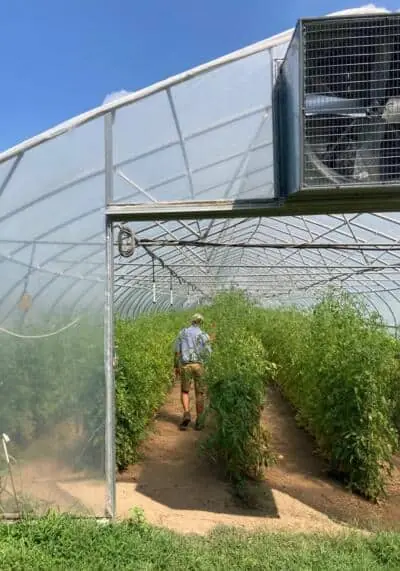
At Elmwood, land remains in perennial pasture with multi-species grazing for 4-5 years before being opened up for intensive vegetable or grain production for 3 years. This type of fertility program, with a focus on long rest periods and grazing, is not new to the farm. Even before organic certification, John Bell’s parents and grandparents farmed tobacco with a similar rotation, raising hay and cattle on lands for four or more years before switching to tobacco for a few seasons. Utilizing programs like those offered by NRCS is not new to the farm, either. Decades ago the Bell family used programs of the Soil Conservation Service, the precursor to the NRCS, to develop a spring on the farm into a system of gravity-fed tanks for livestock water, a system that is still in use today.

“Long-term, it’s the fertility program that usually determines whether somebody is successful with organic.”
-John Bell

Early and late-season tomatoes are being produced in 300′ high tunnels at Elmwood Stock Farm.

More recently, Elmwood has utilized the NRCS High Tunnel Initiative three separate times for season extension of high-value, high-demand crops like tomatoes. For years, Elmwood had three, 300’ Haygrove high tunnels, but they wanted to increase production. They also recognized a need for rest periods for their existing tunnels, to mitigate problems with continuous production like salt buildup and nematodes. The first time they used the NRCS initiative to install a 100’ tunnel (the maximum length for that initiative) next to the existing tunnels. Their second year using the initiative, they added another 100’ to that new tunnel, plus they installed another 100’ themselves to bring it to 300’ to match the Haygroves.

Now, at least one tunnel is rested each year, with the plastic off so that rain and weather interact with the soil, which helps mitigate the buildup of salt and nematodes. The third year using the initiative they installed 100’ of what will become the fifth tunnel, so that two tunnels are rested each year.

John has also utilized incentives like NRCS-EQIP (Environmental Quality Incentives Program) to plant overwintering cover crops and to help establish diverse pastures when rotating fields out of their 3 years of vegetable and grain production. In the future, Elmwood may look toward using the CSP (Conservation Stewardship Program) or related programs for support with pasture and forage diversification. In order to maintain organic certification, all requirements of any program must be allowable under the National Organic Program. The NRCS, along with organizations like OFRF, are working to ensure that programs and support are suitable for organic systems.

Click below to listen to a short audio clip where John speaks about the importance of a fertility program to the success of an organic farm. This clip is from a farm visit conducted by OFRF in August, 2023. 

To learn more about NRCS programs and resources for organic farmers, visit the Organic Agriculture page. For more information on Elmwood Stock Farm, visit their website and stay tuned to OFRF for our upcoming release of Tillage Tools and Practices in Organic Farming Systems in cooperation with the NRCS, a resource full of farmer features, including Elmwood Stock Farm.

At right: Farmer John Bell discusses pasture diversification at a production field that was recently planted with multi-species pasture mixes. August, 2023.

By |2025-09-18T11:21:54-04:00September 11th, 2023|Farmer Stories, News|

Navigating September’s Shifts: Farm Bill Policy, Funding Implications, and Ways to Stay Engaged

Gordon’s Policy Corner, September 2023

September is a month of transitions. In Vermont it brings the first signals of autumn with cool mornings full of valley fog; in DC it brings a flurry of work before the end of the Federal Government’s fiscal year, which brings with it the expiration of the government’s funding and Farm Bill legislation, which are both in flux right now. 

For government funding, or appropriations, neither chamber has successfully passed all twelve of the necessary spending bills on the floor, which means much of the limited floor time for the rest of the year will be spent on both a continuing resolution and then hopefully passing full funding bills before the end of the year. But, that would mean the other expiring piece of legislation, the Farm Bill, would also need an extension. This is all-but guaranteed with the amount of work needed to bridge the yawning gap between the Senate and House spending bills. Some predict that the Farm Bill will be extended until the spring of 2024, some until after the elections in 2024.
As the Farm Bill and FY24 Appropriations situation continues to clear and muddy itself again, one thing remains certain, continued interaction with policy makers is imperative! We at OFRF want to ensure that you all have the ability to meaningfully engage. But, we also depend on our network and community to help keep us in the know of opportunities, too! Below are three ways you can plug in with OFRF and stay connected.  

  • Communicating with Legislators Workshop Series:

First and foremost, I am excited to share that OFRF is hosting another series of workshops aiming to give researchers and farmers some tools to effectively engage with policymakers. Our goal is to equip individuals within the organic farming community with the tools to effectively engage with and educate legislators about the impact of their organic research. This will be geared to both publicly funded researchers as well as farmers that utilize and participate in research.

There are four workshop sessions available:
– Thurs Sep 21st 7-8:30pm EST
– Wed Oct 11th 1-2:30pm EST
– Mon Oct 30th 5:30-7pm EST
– Tues Nov 21st 12-1:30pm ES
All sessions cover the same material, so you only have to attend one. I hope you will also share this opportunity with your colleagues and networks! Registration is FREE. You can find
details here.

  • Field Days with an Organic Component:

Second, we at OFRF are interested in hearing more about research field day opportunities, especially those with organic components, taking place near or organized by you! At OFRF, we are dedicated to fostering the exchange of knowledge and best practices in organic farming. If you know of any field days on the horizon that emphasize organic methodologies, we are keen to explore opportunities for collaboration, participation, or mutual promotion. 

  • Stay Connected with OFRF

Lastly, we always want to stress the significance of staying connected with you and the organic farming community. That is why we’re asking you to highlight any listservs or newsletters your local organizations or extension services operate that we should be aware of! These platforms enable us to learn about upcoming field days, networking events, and initiatives that align with our goals and values.

If you know of any field days that happen annually, especially those with organic components, or of any good newsletters with those events in your region, let me know at gordon@ofrf.org! Thank you for the work you do in the organic community! The possibilities to collectively contribute to the growth of organic agriculture, and empower the next generation of farmers and researchers is an exciting and real opportunity. Please don’t hesitate to reach out to me with any questions or to discuss your work. 

Eat well,

Gordon

By |2025-02-28T15:06:40-05:00September 7th, 2023|News, Policy Corner|

New Crop-Livestock Integration Resources

Introducing our new suite of Resources for Farmers, from Farmers!

In OFRF’s 2022 National Organic Research Agenda (NORA), organic farmers and ranchers across North America shared a common concern about the lack of technical assistance and educational resources available for Integrated Crop-Livestock Systems (ICLS). Integrating crops and livestock results in numerous benefits, however the process can also lead to increased complexity, especially for farmers who must adhere to National Organic Program rules and regulations.

At OFRF we know the #1 source of information is other farmers so at the end of last year we put out a call for connection with farmers engaged in crop-livestock integration. We want to thank everyone that responded! With your help, OFRF is proud to release a suite of resources focused on Integrated Crop-Livestock Systems (ICLS) informed by interviews with four highly-experienced organic producers who shared their challenges, successes, and advice. We also want to say thank you to Organic Valley’s Farmers Advocating for Organics program for supporting this project.

The farmers featured in this series are:

The suite of resources includes:

All of this can be found on our website at https://ofrf.org/crop-livestock-integration/

Arlen Beery
By |2024-06-18T18:11:07-04:00September 5th, 2023|News|

Organic + Regenerative: messaging resources coming soon

By Brise Tencer, OFRF Executive Director

Consumers are showing an increasing interest in understanding the environmental impact of their food choices. Meanwhile, farmers, who are on the front lines of climate change, are actively exploring farming practices that can contribute to both climate change mitigation and adaptation. This alignment presents a unique opportunity to promote transformative practices through research, education, and on-farm trials. However, it’s crucial to expand our efforts to educate a wider audience about the farming systems responsible for generating these benefits and how to effectively scale up these systems.

Although the term ‘regenerative’ has gained widespread traction among farmers and the food industry, definitions of the term vary widely. Organic farmers have long been engaged in regenerative practices, yet organic is often overlooked as a climate solution. Organic agriculture, grounded in principles that collaborate with nature, foster healthy soil, and contribute to clean water, biodiversity, and thriving farm communities, encompasses the essence of holistic and regenerative farming.

OFRF is working to help articulate the benefits of organic by sharing the latest scientific insights on pesticides, soil health, and biodiversity and by clarifying the  regenerative facets inherent in the organic standards. We have been hard at work reviewing a plethora of resources and science on these questions and we are preparing to launch a suite of messaging resources about the ways in which Organic is Regenerative; stay tuned for an upcoming introduction of these valuable resources!

By |2024-06-18T18:12:39-04:00August 14th, 2023|News|

Celebrating Midsummer Growth: OFRF team expands

By Dominica Navarro, OFRF Deputy Director

As farms bustle with midsummer abundance, OFRF is also excited to celebrate growth. In the month of July, we welcomed three new members to our organization! We are elated to see the team grow and with added capacity, OFRF looks forward to continuing to serve organic and transitioning farmers across the nation. Meet our newest members:

Policy and Communications Intern – Adam Bagul

Why is organic important to you?  “Organic agriculture is incredibly important to me because I don’t want to eat poison and I do not want my fellow Americans eating poison either. I firmly believe that agricultural standards (as well as overall food standards) are in desperate need of reform, which makes me very proud to contribute to OFRF’s work.” 

One upcoming work-related thing you are excited about: “As a part of this work, I have had the pleasure and privilege of writing this month’s policy corner blogs and I am very excited to see it posted on the website.” 

Favorite thing to grow in the garden: “While I haven’t had the chance to grow fruits or vegetables myself, I always thoroughly enjoyed eating the tomatoes grown in my dad’s box garden, back when he lived in Tennessee.”

Read more about Adam here. 

Senior Scientist – Heather Estrada

Why is organic important to you? “At its heart, organic farming exemplifies a holistic or systems-approach to farming, which intrigues me as an agronomist and self-confessed soil biology nerd. I’m also really grateful for the continued efforts to preserve the integrity of the organic label and for the freedom of choice that brings to our food system.”

One upcoming work-related thing you are excited about: “OFRF’s soon-to-be-released Crop-Livestock Integration materials. The farmer interviews are super inspiring and informative for aspiring growers—everyone did an awesome job on these! Also, I am excited to be working with such a great team at OFRF and beyond.”

Favorite thing to grow in the garden: “Berries, no contest. Strawberries, raspberries, and honeyberries (haskaps) are favorites.”

Read more about Heather here.

Research and Education Engagement Coordinator – Jose Perez Orozco

Why is organic important to you? “One of the fundamental organic farming principles is to care for a living soil and the entire farming ecosystem. To do that, organic farmers nurture their soil, and protect their water, biodiversity and other natural resources. Today, more than ever, we need this type of holistic resource management to care for ourselves and our earth.”

One upcoming work-related thing you are excited about: “I’m really excited about connecting with farmers, learning from them, and also providing all the technical support I can. I will be leading OFRF’s Farmer Learning Trials. In this role, I’m looking forward to seeing how farmers’ ideas become on-farm trials that can help them improve their farming operation.”

Favorite thing to grow in the garden: “Mint, basil, and creating a native landscape in my non-food garden.”

Read more about Jose here.

By |2024-06-18T18:13:31-04:00August 10th, 2023|News|
Go to Top