Ashley Dulaney (she/her/hers)

Ashley Dulaney (she/her/hers)

By |2024-06-18T18:22:55-04:00March 1st, 2023|Staff|

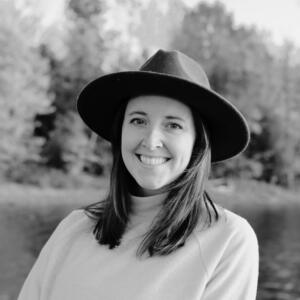
headshot of Ashley Dulaney, Communications Director at OFRF.

Communications Director

ashley[at]ofrf.org

Ashley Dulaney brings a decade of strategic marketing expertise to her role as Communications Director at OFRF. She has extensive experience across various sectors, including higher education and for-profit industries, giving her a strong understanding of effective communication strategies. Her passion lies in creating impactful content and campaigns that resonate with diverse audiences. As Communications Director, Ashley is committed to raising awareness of organic farming research, education, and advocacy efforts. She leverages her skills to connect with organic producers, researchers, and partners, amplifying their efforts toward a thriving organic farming future.

Beyond her professional endeavors, Ashley is deeply passionate about environmental sustainability and community engagement. She is an active member of her city’s Climate Task Force, where she contributes her expertise to help achieve New York State Climate Smart Community (CSC) and Clean Energy Community (CEC) goals. Additionally, Ashley serves as a board member of the Lake Champlain chapter of Trout Unlimited, advocating for the conservation and preservation of local ecosystems. Outside of work, Ashley finds joy in gardening, cooking, and believes in the power of food to bring people together. She also enjoys spending time outdoors, especially trail running, hiking, camping, and canoeing through the Adirondack Park.

Communicating with Legislators workshop series

By |2024-06-18T18:23:03-04:00February 16th, 2023|Gordon's Policy Corner, News|

The Organic Farming Research Foundation is hosting a series of workshops this spring on Communicating with Legislators. The sessions will be free and held remotely. Upcoming session dates are:

  • Wednesday, March 29th from 3-4:30 pm EST
  • Thursday, April 13, 12pm-1:30pm EST
  • Tuesday, April 25, 6pm-7:30pm EST

The workshop is designed to provide researchers with the tools and resources needed to effectively communicate their research and the importance of their work to policymakers and the general public. We will give particular focus on the unique challenges and opportunities of working at public universities. The workshop will cover topics such as:

  • Communicating research findings to non-experts
  • Building relationships with policymakers and stakeholders
  • How to reach out and work with your institution’s Government Relations Office

We will also provide workshop attendees with ongoing opportunities to support issues important to publicly funded research into organic agriculture topics! 

Click Here to register for one of our Workshops!

Legislatures were designed to react to information brought to it, rather than actively seek out that information, which is why it is so important to contact your representatives. 

Congress is at the beginning stages of drafting the next Farm Bill, and they want to hear from experts like you! Survey data shows that Congressional staffers continue to hold scientists and researchers in high regard, and respect the insight you have to offer.  

All are welcome to join these workshop sessions. There is no cost to participate, and the workshop will provide opportunities to network with other researchers, policymakers, and advocacy experts.

Please feel free to reach out directly to Gordon Merrick, OFRF’s Policy & Programs Manager with any questions, (gordon@ofrf.org). We hope to see you in the workshop sessions!

Leah Lawson (she/her/hers)

By |2024-06-18T18:23:11-04:00February 16th, 2023|Staff|

Partnerships & Development Director

email: leah[at]ofrf.org

Leah Lawson has been an active and passionate advocate for an equitable food system that uplifts communities and reinvigorates the land for the past decade. She fell in love with agriculture while working on a process evaluation in a small farming community in Maharashtra, India, as part of her Masters’ degree in International Development. The combination of regenerative practices and community-led action left a deep impression on her work. Since then, she has built skills in grant writing, fundraising, board structure, strategic planning, project management, and facilitation, which she uses to further the creation of a strong and inclusive food system.

Leah lives in Chicago, where she has worked for organizations that serve rural and urban farmers, including Angelic Organics Learning Center, one of her favorite places in northern Illinois. She enjoys board service and helping new and young organizations get their footing. She has served on the board of Advocates for Urban Agriculture and North Branch Projects, both community-based orgs. Currently, she sits on the board of Windy City ToolBank, an affiliate of ToolBank USA, where she is helping to establish programming that allows organizations in the region to participate in radical sharing; ensuring everyone has access to tools they need to create, improve, and care for their community.

Highlights from EcoFarm 2023

By |2024-06-18T18:23:47-04:00February 13th, 2023|News|

Kelsey Grimsley, OFRF Office Manager and Program Administrator, and Brise Tencer, OFRF’s Executive Director, recently attended the 43rd annual EcoFarm Conference. In this blog post Kelsey shares their experience at the conference and some of the highlights from thought-provoking sessions and stimulating conversations happening in the organic and regenerative agriculture world. 

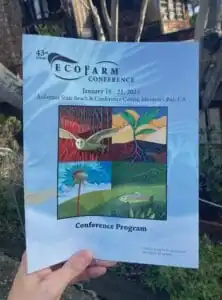
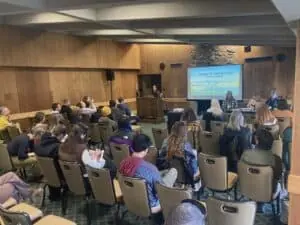
This year was the 43rd annual EcoFarm Conference held at the Asilomar State Beach and conference grounds in Monterey, California. As EcoFarm puts it, this conference “has brought together farmers, ranchers, and food system advocates to advance just and ecological farming and food systems.” It was four days of skill-building workshops, informative speeches, and challenging conversations that spark motivation for action. This was the first in-person reconvening since the January 2020 conference before the pandemic, and as I arrived, there was a noticeable feeling of comradery in the air. People smiled, waved, and were eager to greet each other with what is now becoming a familiar feeling of gratitude to be together in person.

There’s nothing quite like being in-person talking to folks whose minds are engaged in all the big questions that face the regenerative and organic agriculture community. From water management, to land back initiatives, food justice, organic regulation challenges and more, people were ready to discuss their thoughts and experiences with what seemed like less of a filter and more depth than the normal day-to-day chats. This is why I love coming to these conferences! 

I’m a newcomer to the organic agriculture community, bringing my perspective from having worked in sustainability and environmental policy. I was ready to absorb and listen as I headed to the first session of the day, “An Indigenous Panel: Food Sovereignty, Appropriation, and Landback as Integral Pieces of Organic Farming Systems,” with presenters A-dae Romero Briones, a leading voice in food and land systems, and Samantha Hilborn, Laguna and Acoma Pueblos and an Organic Consultant with the Rodale Institute. This session helped create the perfect lens from which to view and approach the rest of the conference, acknowledging that regenerative and organic agriculture theories were derived from Indigenous practice and knowledge.

Next I attended the session moderated by Brise Tencer, OFRF’s own Executive Director. This session was titled, “How to Tap into Federal Funds on your Farm/Ranch.” The presenters included Karen Lowell of NRCS Salinas Station. Stacie Clary of Western SARE, Christopher (Cheetah) Tchudi from TurkeyTail Farm, and Elizabeth Reikowski of Willow Creek Land and Cattle. The discussion was packed with information on all the available avenues of funding. Some suggestions got creative, including my favorite tip coming from Elizabeth to look into CalFire funding for brush and land clearing.

In between sessions there was time to walk the scenic boardwalks of Asilomar State Beach. 

After a necessary cup of coffee from Cafe Mam and some pleasant exchanges with several exhibitor booths, my second day at the EcoFarm conference kicked off with a session reviewing the changes and challenges from the recently finalized Strengthening Organic Enforcement (SOE) initiative. This session went into detail on the challenges that farmers and producers will face with the new compliance rules. You can read more about the final published rule here.

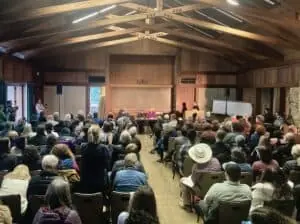
The final session stop of the conference was the Farm Bill Town Hall co-hosted by OFRF, the National Sustainable Agriculture Coalition (NSAC), Regenerative Agriculture Foundation, and Roots of Change. OFRF Executive Director, Brise Tencer, again moderated the event and introduced the speakers: Representative Jimmy Panetta, Karen Ross of CDFA, and Jenny Lester Moffitt of USDA Agriculture Marketing Service (AMS). I had brought some of OFRF’s soil health guides and general research information for folks to take, all of which were quickly swooped up by the session attendees. If you’d like to read through more information on the Farm Bill, you can find that here.

As the Farm Bill session wrapped up, the Organic Agriculture Mixer was beginning. Staff from California Certified Organic Farms (CCOF), EcoFarm, and OFRF set up a space for folks to mingle and converse with music, decoration, and organic libations. This was a chance for folks who had been listening to and absorbing the sessions throughout the week to engage with each other in a more casual environment. Events like the organic mixer seem to create a space with no pressure, where people could exchange thoughts and interact in an authentic way, and converse about the values at the base of our work.

We wrapped up our time at EcoFarm talking about what guides us and our outlooks of the future.

Cheetah Tchudi talks USDA farmer support services

By |2024-06-18T18:24:18-04:00February 8th, 2023|Farmer Stories, News|

Cheetah Tchudi & Samantha Zangrilli

Cheetah Tchudi is the Program Director at Butte Remediation and a farmer at TurkeyTail Farm, a small diversified farm serving Butte, County California. Cheetah is a mycologist by training, and at TurkeyTail Farm grows gourmet and medicinal mushrooms as well as manages a diversity of projects including lamb, pork, fowl, fertility management, construction and heavy machinery operation. His wife, Samantha Zangrilli is also a full time farmer. She tends a flock of 100 ducks for eggs and pasture management, helps maintain the pigs and sheep, and manages a 1 acre garden for the production of cut flowers, dried floral arrangements, value added herb products and plant distillates like hydrosols and essential oils.

OFRF staff recently connected with Cheetah at the EcoFarm Conference, and invited him to share a guest farmer blog post with us. In this post, Cheetah talks about how USDA farmer support programs have benefited TurkeyTail Farm, and offers advice on how to approach working with these national support organizations to generate financial support and incentivize your farm projects.

The Natural Resource Conservation Service (NRCS, a branch of the USDA) provides farmers, ranchers and timberland owners with funding to employ best management practices. The program is called EQIP: Environmental Quality Incentives Program. This cost-share program provides funding for a diversity of wildlife habitat improvement, soil, and water conservation practices on functional farms. This program is not a grant based system, but is intended to support growers in their efforts, and as such is termed a “cost-share” program. The distinction is significant because it is understood that the USDA funding may not always completely cover the full cost of the work. Nonetheless NRCS support may take you a few steps closer to your ultimate goals.

On our farm we have been working with NRCS for over 10 years. On our land we have completed cost-shares that encompass brush clearing, targeted grazing, erosion control, pasture seeding, and development of bird and bat habitat. Most recently we have drilled an additional water-well for livestock. As part of this cost-share we have a network of gravity fed livestock wells and added water storage capacity, a definite boon in the era of megafires and climate chaos.

The NRCS EQIP has been a great resource for us as ecologically conscious agrarians. It has helped us to incentivize doing what we want to be doing. My advice is to set concise goals, give yourself plenty of time to accomplish the conservation practice, and most of all follow through. It is a process, you have to be committed and know what you’re doing. Agriculture is challenging… You got this.

Let’s talk about the USDA SARE program. SARE stands for Sustainable Agriculture Research and Education. Food, farming and innovation. Let’s unbox it: It’s a program to conduct research and educate farmers, extension agents, and ag professionals. SARE operates in different regions: North Central, North East, South and the West. There are a host of different programs ranging from on-farm research to education. As a farmer, you will want to look into the Farmer/Rancher Grants. If you can work with an educational institution a Producer/Professional grant is also an option.

If you are considering authoring a SARE grant, I encourage you to start early. Their application time is in November and you want to be way ahead of that. I feel the need to emphasize this. You need to be planning two years ahead. Make sure your operational budget for the grant is totally separate from your farm, and plan ahead for tax time.

Grant writing is difficult. You have to apply yourself, and there is no guarantee that your work will pay off. The flip side of that is you can do something radical. You can get the fiscal support you need to answer your questions, something that is important to your career and field of work. And at the same time you can do something nobody has ever done before. Let me reiterate that; you are capable of doing something nobody has ever done before!

As a farmer, you fulfill a fundamental need. You feed people. And sometimes the work we do is overlooked. Federal funding is a way to develop your farm, your career, and get some much needed support. It takes work, but can be hugely rewarding. After all, you’re a farmer. You got this.

By guest author, Cheetah Tchudi

Learn more:

Natural Resources Conservation Service (NRCS)

Environmental Quality Incentive Program (EQIP)

Sustainable Agriculture Research and Education (SARE)

SARE North Central

SARE Southern

SARE Northeast

SARE Western

Catching up on the Farm Bill

By |2025-02-28T15:13:29-05:00January 13th, 2023|Gordon's Policy Corner, News|

Gordon’s Policy Corner, January 2023

As you might have noticed, this Congress has already made some history, taking 15 ballots to elect Kevin McCarthy speaker of the House.  As that dust settles, the rules of the House have been agreed upon, and committee membership gets finalized, we at OFRF and our partners are getting a clearer picture of the Farm Bill landscape.  One thing remains abundantly clear, that agricultural research continues to be a bright spot for bipartisan legislation, and we are excited to leverage that fact this Farm Bill cycle.

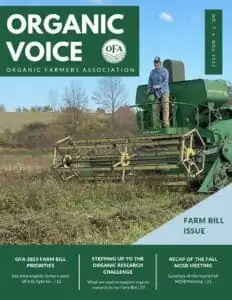
If you missed it, we published a piece in the Organic Farmer Association’s Organic Voice, “Stepping Up To The Organic Research Challenge: The 2023 Farm Bill Must Grow Investments to Meet Growing Demand.”  In it, we lay out our three priorities for organic research for the 2023 Farm Bill. First, increase the organic research funding at the Agricultural Research Service to represent its market share, producing environmentally and economically sound management systems for all producers. Second, continue to support and develop the investments the National Institute for Food and Agriculture has been making in organic agriculture research. Lastly, fully fund and expand the Organic Market and Data Initiative.

Farmers on the Frontlines: Climate Change and the Farm Bill

By |2024-06-18T18:26:15-04:00January 9th, 2023|Gordon's Policy Corner, News|

2023 Farm Bill Presents Opportunities for Farmers and Ranchers on the Frontlines of Climate Change

By Elizabeth Tobey and Gordon Merrick

Farmers and ranchers, the people who produce our food, are often on the frontlines of challenges facing our society. Among the most pressing of those issues is the changing climate and an industrial food system that prioritizes profits over the health and wellbeing of people and the planet. Combined with the unprecedented loss of biodiversity, these three issues have even been called a triple threat to humanity.
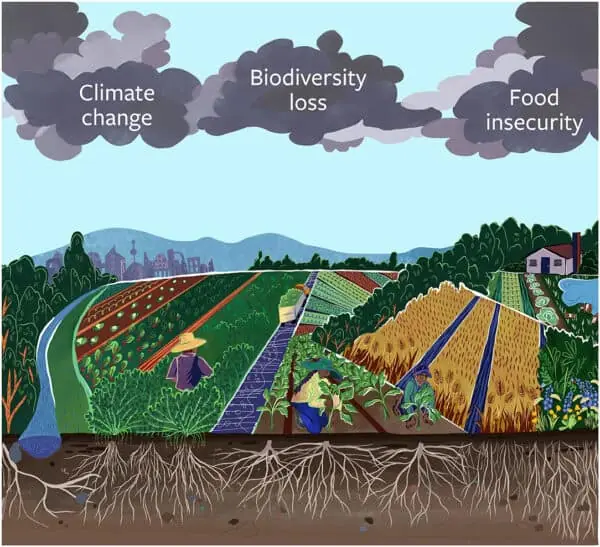
Image from Frontiers article “Narrow and Brittle or Broad and Nimble? Comparing Adaptive Capacity in Simplifying and Diversifying Farming Systems”

These challenges are interrelated. The current standard methods of conventional food production are an outgrowth of the technological and chemical advancements of the mid 20th century, which resulted in a rapid increase in the ability to export calories in the form of commodity crops, such as corn and soy. This production depends on the ubiquitous use of cheap agri-chemical fertilizers and pesticides, and continued expansion of farmer-debt (as discussed in this article and this article) to increase scale and maintain technological relevancy. This ‘get big or get out’, petroleum-dependent production system decreases biodiversity and weakens the landscape’s capacity to be resilient and adapt to our changing climate. It also makes our food system vulnerable to even slight shifts in things like crop production or labor availability. 

Farmers often keenly feel the challenges presented by warmer temperatures, increased flooding, and other extreme weather events. Caroline Baptist is the owner of the River Valley Country Club, a small farm in Washington state. “Farming on a floodplain and a floodway can be a challenge, and changes in climate over the years have only exacerbated this issue,” Baptist says. “The property owner from whom I lease land remembers experiencing 1-2 major floods a year when he first began farming in the area in 1993. More recently, we’ve seen these numbers double and triple.” Describing a recent flooding event Baptist says, “Some areas of the farm were under water by 15 feet and accessible only by canoe. This flood and every flood since is a sobering experience, illustrating clearly that the climate crisis is real, and it affects farmers firsthand.”

Past farm policies that favored the ‘get big or get out’ model led to increases in monocultures. The resulting abundance of commodity crops in the food system correlates with increases in processed foods, and associated adverse health effects in low-income and systemically underserved communities (more on that here).  
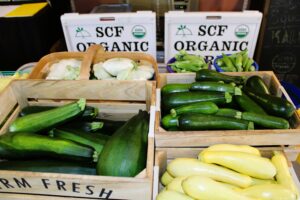
SCF Organics brings fresh produce to people experiencing food deserts.

Shaheed Harris is the farm manager at Sumpter Cooperative Farms (SCF) in South Carolina. Among many other endeavors, SCF runs the Midlands Organic Mobile Markets, which are a suite of vans that directly distribute locally grown organic foods to the food deserts in the Midlands region of South Carolina. This project aims to address the need for equitable food access in communities in nearby metro areas with limited access to healthy foods. “Those places are areas … where they don’t have a grocery store,” Harris explains. “A lot of people don’t have vehicles to drive and they’re basically living on the nearest equivalent of a gas station. So they’re eating out of a gas station and getting chips and all types of processed foods that don’t really have a lot of nutrition.” Through the Midlands program, Harris says SCF aims to serve the people in these areas who would not otherwise have access to fresh healthy foods.

The farm bill is a package of legislation, updated once every five years, that sets the stage for our food and farming systems. The current farm bill expires in October of 2023, and a new suite of legislation will be developed and put into action. This farm bill cycle is a ripe opportunity to make solid advances towards a just transition to a new type of production that both mitigates and adapts to our changing climate, supports the health of the land and the people producing our food, and can help prevent food insecurity by increasing the amount of organic, nutritious food on American’s dinner plates.

Because of their place on the front lines of these challenges, farmers and ranchers represent a vibrant space of innovation and creativity to meet them. Our farmers and ranchers answering these challenges should be sources of inspiration on policy tools and instruments for the 2023 farm bill. 
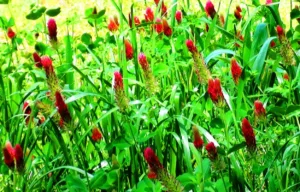
Clover cover crop, to be tilled back into the soil.

Jesse Buie is the president of Ole Brook Organics in Mississippi. One of the main environmental factors that Buie deals with is a lot of rain which can cause leaching of nutrients from the soil. To combat this he focuses on building healthy soil by making sure that he is constantly adding organic matter. At Ole Brook Organics they do this primarily by incorporating all the plant matter back into the soil. Any grasses or crop residue left after a crop is harvested are chopped up and tilled back into the fields, forming a closed-loop of nutrient cycling.

At SCF Harris is dealing with the opposite environmental concern: too little water. They have addressed this challenge by implementing Dry Farming practices that he learned from his family’s farming heritage. This style of farming, which combines unirrigated crop production with shallow cultivation offers a promising alternative in times of uncertain water resources. 

Building resilience to economic disruptions has led some farmers to increase their use of local inputs, processors, and distributors, avoiding or lessening the impacts of supply chain disruptions in global markets. And as an added benefit this localization increases the access to nutritious, culturally appropriate, and tasty food that can connect communities. 
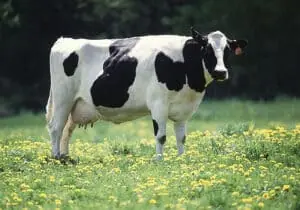
Rotational grazing can be a tool for healthy pasture management.

Dayna Burtness is a farmer at Nettle Valley Farm in Spring Grove, Minnesota, raising pastured pigs. “We’ve been able to build community while building land resiliency,” she explains. “We’re able to work with nearby farmers and fruit growers to take non-marketable produce and turn it into delicious pork, which is benefiting everyone! It reduces the amount of food waste and helps other farmers put what they grow to good use. We are working hard to help create a different type of food system, we just wish there was more public support to really kick this change into overdrive.”

Federal research, conservation, and market development programs created and funded in the Farm Bill make all of these things possible, but expanded support is necessary to continue to support farmers and create a healthier future for people and the planet. If you want to get involved in advocating for a better food system, Ariana Taylor-Stanley (ariana@sustainableagriculture.net) at the National Sustainable Agriculture Coalition or Gordon Merrick (gordon@ofrf.org) at the Organic Farming Research Foundation!

. . . 

Links for further reading:

Narrow and Brittle or Broad and Nimble? Comparing Adaptive Capacity in Simplifying and Diversifying Farming Systems, Frontiers

Green Revolution: History, Impact and Future, by H.K. Jain, available through most book suppliers

Chicken farmers say processors treat them like servants, AP News 

Farmers and animal rights activists are coming together to fight big factory farms, Vox 

2021 Tied for 6th Warmest Year in Continued Trend, NASA Analysis Shows, NASA 

The 2010s Were the Hottest Decade on Record. What Happens Next?, Smithsonian Magazine 

Americans are eating more ultra-processed foods, Science Daily

Ultra-processed foods and adverse health outcomes, The BMJ

Examining the Impact of Structural Racism on Food Insecurity: Implications for Addressing Racial/Ethnic Disparities, National Library of Medicine

Black, Indigenous, and People of Color Community at Disproportionate Risk from Pesticides, Study Finds, Beyond Pesticides

Equitable Access to Organic Foods: Why it matters, Bread for the World

What is the Farm Bill, National Sustainable Agriculture Coalition

Hunger and Food Insecurity, Feeding America
OFRF and FFAR Fund Research on Increasing the Productivity and Market Value of Pulse Crops for Arid Organic Conditions

By |2024-06-18T18:26:29-04:00December 21st, 2022|Press Release|

(SANTA CRUZ, CALIF. – December 23, 2022) – The Organic Farming Research Foundation (OFRF) and the Foundation for Food & Agriculture Research (FFAR) are pleased to announce its sixth award for the 2021/22 OFRF organic research grant cycle. Dr. Travis Parker of University of California – Davis was awarded $19,970.00 to research dependable pulse crops for arid regions that promote the ecological and financial sustainability of organic farms.

Legume crops provide plentiful plant protein and have several agronomic advantages for organic farmers, including the ability to fix atmospheric nitrogen. Certain legume species and varieties provide further advantages, including extreme heat tolerance, low water requirements, and high market value. Despite this, little is known about their yields in organically-managed arid environments, and little breeding has been done to improve their agronomic performance.

This research will screen diverse cowpeas and tepary beans to identify varieties that can outcompete standard commercial pulses, and evaluate and select varieties of common bean specifically for organic environments. Researchers will also use novel sequencing and molecular biology techniques to identify the genes governing the most valuable heirloom common bean seed color patterns.

By evaluating specific pulse varieties, researchers hope to find varieties with higher yields, while conducting genetic investigation that will facilitate genetics-informed breeding of high-value, high-productivity beans. A greater understanding of these traits will help lead to more widespread adoption of pulse crops for more dependable and resilient organic rotations in arid regions.

This year’s research grant program prioritized farmers, early career researchers, and BIPOC applicants. The six projects chosen focus on climate mitigation and building on-farm resilience and have been awarded a grand total of $119,817 in funding. The 2021/22 cycle was made possible by a $66,000.00 grant from FFAR and matching funds from OFRF and its research partners.

To date, OFRF has invested over $3 million in 361 grants across North America to advance scientific knowledge and improve the ecological sustainability and economic prosperity of organic farming systems. All OFRF-funded research must involve farmers or ranchers in project design and implementation, take place on certified organic land, and include strong education and outreach components. All research results are freely available in OFRF’s online database.

###

Foundation for Food & Agriculture Research
The Foundation for Food & Agriculture Research (FFAR) builds public-private partnerships to fund bold research addressing big food and agriculture challenges. FFAR was established in the 2014 Farm Bill to increase public agriculture research investments, fill knowledge gaps and complement USDA’s research agenda. FFAR’s model matches federal funding from Congress with private funding, delivering a powerful return on taxpayer investment. Through collaboration and partnerships, FFAR advances actionable science benefiting farmers, consumers and the environment.
https://foundationfar.org/

Organic Farming Research Foundation
The Organic Farming Research Foundation (OFRF) is a non-profit foundation that works to foster the improvement and widespread adoption of organic farming systems. OFRF cultivates organic research, education, and federal policies that bring more farmers and acreage into organic production. Project results are shared freely at ofrf.org. OFRF also provides free access to all of its educational materials and resources.
https://ofrf.org

Latino Farmer Conference & New Spanish-language course

By |2024-06-18T18:27:10-04:00December 13th, 2022|News|

OFRF Attends Latino Farmer Conference and Announces Spanish-language Soil Health Course – Coming Summer 2023!

By Dominica Navarro

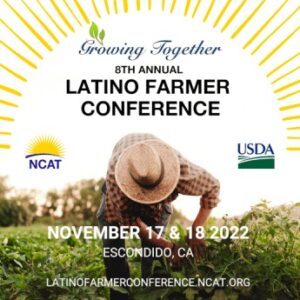
The National Center for Appropriate Technology (NCAT) and USDA’s Natural Resources Conservation Service (NRCS) partnered to host the 8th annual Latino Farmer Conference on November 17th and 18th at the California Center for the Arts in Escondido. This was a two day conference meant to bring together sustainable agriculture professionals for a special all Spanish-language event.
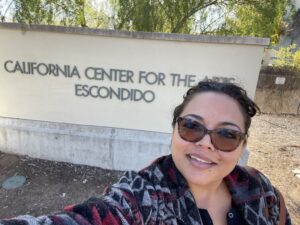
While at the conference, OFRF’s Deputy Director, Dominica Navarro, was able to witness first-hand the unique networking and learning opportunities presented for Latino farmers, as well as spread the word about a new Spanish-language Soil Health Course OFRF will be releasing in Summer 2023. 

The conference was a much needed opportunity for Latino farmers and other service providers to convene. “With such strong Latino/a/x representation in agriculture, this conference was a wonderful opportunity to meet other Latino/a’s doing similar work and with like values,” said Dominica. “As a Latina in agriculture myself, I would love to see more opportunities like this for historically underserved farmers everywhere.”  Topics covered at the conference included: sustainable farming practices, technical assistance, business management, health and wellness, land access and even included a session on how to transition to organic!  
OFRF Spanish-language Soil Health Course

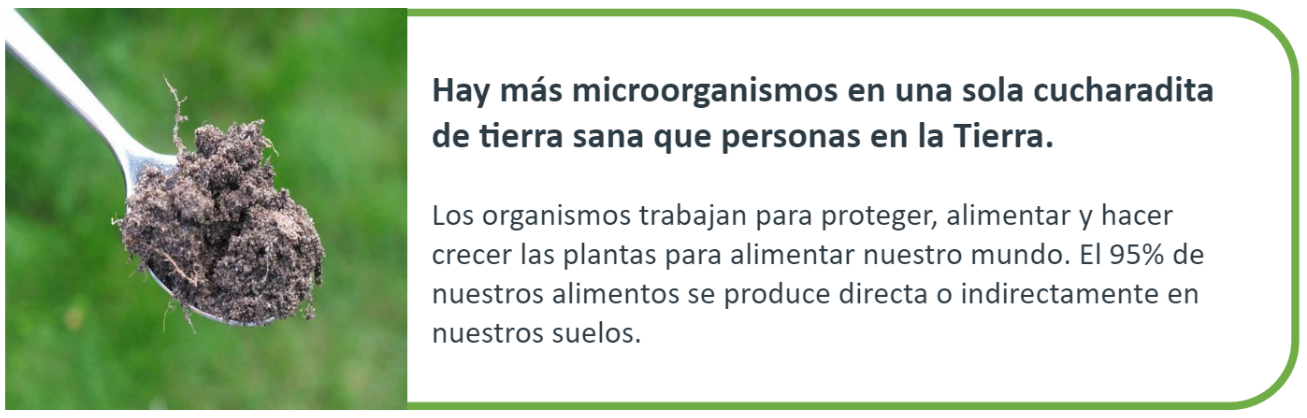
In OFRF’s free online Spanish-language course, coming Summer 2023, we delve into the world of soil and explain how you can promote soil health as part of a healthy ecosystem for humans, plants and other organisms that live within the soil. We discuss the basics of soil health, practices like nutrient management, cover cropping, crop rotation, and also provide tools to help you decide which management practices are best for you and your farm. Our goal is to provide up-to-date science, as well as culturally relevant information for farmers from diverse backgrounds. This course is being developed with the help of partners at UC Davis’s Sustainable Agriculture Research & Education Program (UC SAREP), the Agriculture and Land-based Training Association (ALBA), and the National Center for Appropriate Technology (NCAT). 

Are you a Spanish-speaking farmer in California? Would you like to help us review the course? If so, please contact Research & Education Director, Thelma Velez at thelma@ofrf.org

Senate Farm Bill Hearing on Ag Research Programs Features Former OFRF Board President Steve Ela

By |2024-06-18T18:28:07-04:00December 13th, 2022|Gordon's Policy Corner, News|

The Senate Committee on Agriculture, Nutrition, and Forestry held a hearing on the “Farm Bill 2023: Research Programs” on December 6th. The only farmer testifying was Steve Ela, a fourth-generation farmer who has been farming organically for nearly thirty years at Ela Family Farms, his family’s farm in Hotchkiss, Colorado. As well as his farming experience, Ela also served on the National Organic Standards Board as Board Chair, as well as the Organic Farming Research Foundation (OFRF) Board as Board President. As one of five panelists invited to share their expertise, Ela spoke to the importance of organic systems research and extension programs to all farmers.

“It is significant that an organic producer was invited to testify and share their experiences with research and extension programs before the Senate Committee that writes the Farm Bill.  Steve made a compelling case for the need for more public investment in organic agricultural research,” said Brise Tencer, Executive Director of OFRF. She continued, “Steve has had the experience of both a participant and a consumer of organic research, and it is crucial that we hear more from farmers like him that depend on these research programs.”

To begin the hearing, Research, Education, and Economics (REE) Undersecretary for the USDA Dr. Chavonda Jacobs-Young provided a general overview of REE programs and stressed the importance of meaningful investment into these programs.  Dr. Jacobs-Young provided three main calls to action for the Committee: 1) increase investment into public research programs; 2) invest in the revitalization of our nation’s agriculture research infrastructure; and 3) expand the tracks of research available to young and beginning researchers from diverse backgrounds.

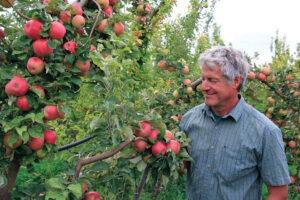
Former OFRF Board President, Steve Ela of Ela Family Farms in the apple orchard

In his testimony, Ela highlighted how USDA funded organic research programs help all farmers, not just those certified organic, giving examples such as codling moth management through pheromone disruption, or the use of cover crops for pest and weed control. Ela also discussed how complex organic agricultural management can be, and why that’s so important to both its resilience and the importance of organic research: “The longer I farm, the more I realize how complex the ecosystem is that I am working with. It is imperative that rather than heavily investing into basic, single issue agricultural research, like specific chemicals or gene transfers, we embrace systems management and action-oriented research that not only enhances our understanding of complex ecosystems but helps farmers work with rather than against natural systems.”

To make sure that this type of research is continued to be supported, and expanded, at the USDA, Ela’s testimony called on Congress to:

  • Increase funding for the Organic Agriculture Research and Extension Initiative (OREI) to $100 million by end of the 2023 Farm Bill;
  • Formally authorize the existing NIFA Organic Transition Program at $20 million by the end of the 2023 Farm Bill, with a name change and program mission updates to avoid confusion and improve program operation;
  • Continue to support the work of other NIFA programs that should expand their organic portfolio, like SARE, SCRI, and AFRI-SAS;
  • Require USDA to direct ARS to increase investments into organic agriculture research, both through coordinating the ongoing and planned research while also increasing the amount of organically certified acreage ARS is operating;
  • Reauthorize the Organic Data Initiative (ODI) to expand segregated organic data collection and analysis by the National Agricultural Statistics Service, Agricultural Marketing Service, and the Economic Research Service and require an economic impact analysis of the organic agriculture market on rural communities;
  • Require USDA to dedicate funds annually to fund the development of cultivars and animal breeds that are regionally adapted using conventional breeding methods to address farmers’ unique soils, farming systems, market needs, and changing climates; and
  • Require USDA to appoint a Public Cultivar and Breed Research Coordinator reporting to the Under Secretary of Research, Education, and Economics to oversee collaboration between existing USDA competitive grant research programs regarding regionally adapted cultivar and breed development activities.

This list of policies align with OFRF’s priorities this 2023 Farm Bill season, and we believe represent an increasingly-rare opportunity for bipartisan legislation. Investing in public agricultural research has historically enjoyed broad support in the Farm Bill. Not only does this research answer the questions farmers need answers to, but it also has a significant economic payoff of $20 for every dollar spent.

“We at OFRF are looking forward to working with a diverse, bipartisan group of legislators this Farm Bill cycle to make sure farmers like Steve have access to the research and technical expertise necessary to be a successful agricultural business managing their land organically,” said Gordon Merrick, Policy & Programs Manager at OFRF.

OFRF supports actionable research that focuses on the wide adoption of organic systems of production and the climate resiliency services it offers. OFRF has led organic farming and research initiatives since its inception in 1993 and has advocated for federal policy supporting integrated research, education, and outreach to farmers who build healthy resilient farming systems that withstand climate change and steward the land for future generations.

###

About Organic Farming Research Foundation

Organic Farming Research Foundation works to foster the improvement and widespread adoption of organic farming systems. OFRF cultivates organic research, education, and federal policies that bring more farmers and acreage into organic production. https://www.ofrf.org/

Policy Contact

Gordon N. Merrick, Policy & Programs Manager, gordon@ofrf.org

Go to Top