
Lola’s Organic Farm

Lola’s Organic Farm

By |2024-06-18T18:48:03-04:00December 13th, 2022|Farmer Stories, News|

Written by Brian Geier

Dr. Jennifer Taylor and her husband started Lola’s Organic Farm in 2009, but Taylor’s family has been working the land there for much longer. Her grandmother, Lola, who the farm is named after, was a sharecropper in rural Georgia who was given the opportunity to buy her own farmland. She became a successful independent farmer, on the land where Lola’s Organic Farm (LOF) is located today. 

“We grow many of the same crops my grandmother grew, such as unique varieties of delicious colorful vegetables, fruit, and herbs,” says Taylor. And while today the farming practices at LOF differentiate it from nearby farms (LOF is one of the only certified organic farms in the surrounding counties), growing organically is not new to the family’s farming practices. “When my grandmother was farming,” explains Taylor, “she used organic farming practices before organic certification even existed. For us, organic farming and agroecology not only builds healthy soil and healthy environments, but also supports access to healthy foods in our communities. I believe organic farming systems can, and should, be enjoyed by all farmers and consumers – in all communities.” LOF has been certified organic since 2011, and the label has helped them access markets. “It speaks to the customers,” Taylor says. 

For us, organic farming and agroecology not only builds healthy soil and healthy environments, but also supports access to healthy foods in our communities. – Dr. Jennifer Taylor

In addition to providing organic food for local markets, Taylor and LOF recognize that small and BIPOC farmers have something else of value that benefits local communities: knowledge, or, as Taylor calls it, more specifically, traditional agroecology knowledge. LOF has been described as a kind of “mecca” for people learning about organic agriculture and furthering the organic movement. The farm hosts many types of educational tours and events, and Dr. Taylor, through her work at Florida A&M University, is a celebrated small farm specialist who connects farmers to researchers and vice versa. Winner of the Florida Department of Agriculture’s Woman of the Year in Agriculture Award in 2019, Taylor is head of a farmer-led research project (partially supported by OFRF) designed to identify needs, hindrances, and barriers of small and BIPOC farmers and works with farmers to develop solutions and resources through relevant learning sessions that provide education, hands-on training, and technical assistance. 

Taylor’s work engages researchers with farmers on the ground and works to amplify farmers’ voices and knowledge. “This project, and on-farm research in general, enables relationship-building with the farmer, the community, and researchers. It builds a unique opportunity to support the specific needs of that farmer and says to the world that farmers have important knowledge to share,” said Taylor. “This is particularly true for BIPOC farmers and communities because it gives us hope and empowerment that our voice matters. It brings our voices to the forefront of this movement.”
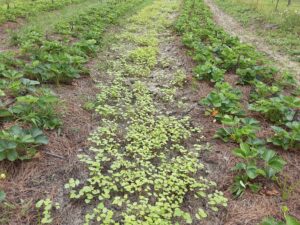
Small and traditionally-underrepresented farmers make up a farming majority in this (and other) areas of the country. As President of Florida A&M University, Larry Robinson, PhD, points out, “Somewhere around 90% of the farms are small farms, right? So although you might drive through these vast acreages of farmland in Florida, the vast majority of farmers (the people) are small farmers, underrepresented farmers, low-resource farmers, etc. But as a nation and as a state, we really have to be concerned about their existence, because it’s really those small farmers that make us whole.” 

To learn more about Dr. Taylor and her work, watch this video by the Florida Department of Agriculture from 2019, when Dr. Taylor was awarded “Woman of the Year in Agriculture”. 
OFRF & FFAR fund On-Farm Research of Best Management Practices for Including Cover Crops in Midwestern Corn

By |2024-06-18T18:49:18-04:00December 8th, 2022|Press Release|

(SANTA CRUZ, CALIF. – December 9, 2022) – The Organic Farming Research Foundation (OFRF) and the Foundation for Food & Agriculture Research (FFAR) are pleased to announce its fifth award for the 2021/22 OFRF organic research grant cycle. Axel Garcia y Garcia of the University of Minnesota, was awarded $20,000 to research effective management practices to  include cover crops into long-season cash crops.

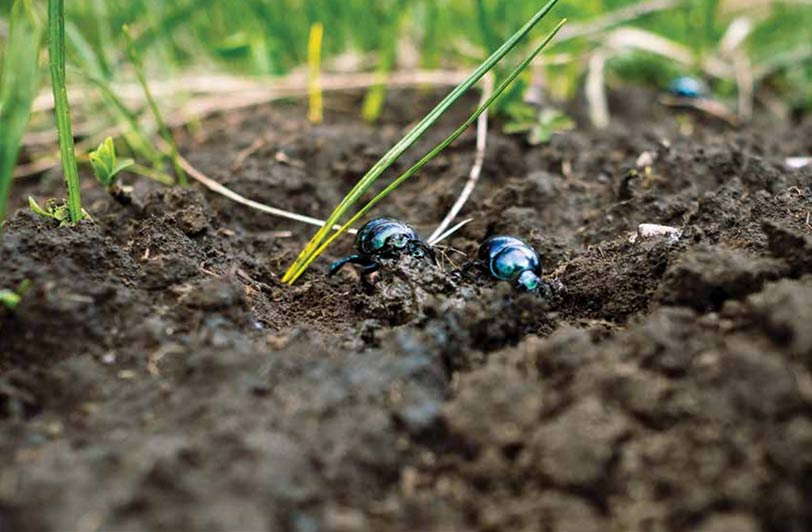
Inclusion of cover crops continues to be a priority for organic farmers, but many struggle with successful establishment in long-season cash crops, especially in the upper Midwest. Typical practices of aerial seeding into standing corn and drilling after fall harvest have yielded inconsistent results leading to low adoption rates. Farmer ingenuity has fueled many independent investigations that spark interest, but have lingering questions on timing, species selection, and methods that demand answers to make the outcomes repeatable and consistent.

This project will address these needs by evaluating how well different cover crop species establish depending on method of seeding. It will help determine the effects of cover crop species on corn yield, soil fertility and weed incidence. By including several species, this research will evaluate treatment interactions to help understand best management practices for individual cover crop species. Researchers hope that this information could potentially help growers select species based on their production system and available equipment.

This year’s research grant program prioritized farmers, early career researchers, and BIPOC applicants. The six projects chosen focus on climate mitigation and building on-farm resilience and have been awarded a grand total of $119,817 in funding. The 2021/22 cycle was made possible by a $66,000.00 grant from FFAR and matching funds from OFRF and its research partners.

To date, OFRF has invested over $3 million in 361 grants across North America to advance scientific knowledge and improve the ecological sustainability and economic prosperity of organic farming systems. All OFRF-funded research must involve farmers or ranchers in project design and implementation, take place on certified organic land, and include strong education and outreach components. All research results are freely available in OFRF’s online database.

###

Foundation for Food & Agriculture Research
The Foundation for Food & Agriculture Research (FFAR) builds public-private partnerships to fund bold research addressing big food and agriculture challenges. FFAR was established in the 2014 Farm Bill to increase public agriculture research investments, fill knowledge gaps and complement USDA’s research agenda. FFAR’s model matches federal funding from Congress with private funding, delivering a powerful return on taxpayer investment. Through collaboration and partnerships, FFAR advances actionable science benefiting farmers, consumers and the environment.
https://foundationfar.org/ 

Organic Farming Research Foundation
The Organic Farming Research Foundation (OFRF) is a non-profit foundation that works to foster the improvement and widespread adoption of organic farming systems. OFRF cultivates organic research, education, and federal policies that bring more farmers and acreage into organic production. Project results are shared freely at ofrf.org. OFRF also provides free access to all of its educational materials and resources.
https://ofrf.org

Conservation of an endophytic insect-pathogen fungus for plant protection in organic cropping

By |2025-04-11T16:48:49-04:00December 1st, 2022|Grant Award|

Mary Barbercheck, Pennsylvania State University
Professor of Sustainable Agriculture, Department of Entomology

Farmers and agricultural professionals have great interest in exploiting beneficial soil organisms, especially in organic systems with their focus on soil health and reliance on natural cycles to manage plant health and pests. Endophytes are microorganisms that form non- pathogenic symbioses with plants and can confer benefits including growth promotion and increased plant tolerance to environmental stresses that are predicted to increase with climate change. Our long-term goal is to understand how to promote and conserve the beneficial endemic soil fungus, Metarhizium robertsii, as an insect pathogen and endophyte in organic cropping systems.

Cover Crops for Soil Health: demonstration of on-farm trial

By |2025-04-11T16:22:10-04:00December 1st, 2022|Grant Award|

Pushpa Soti, Assistant Professor, Biology Department
University of Texas Rio Grande Valley

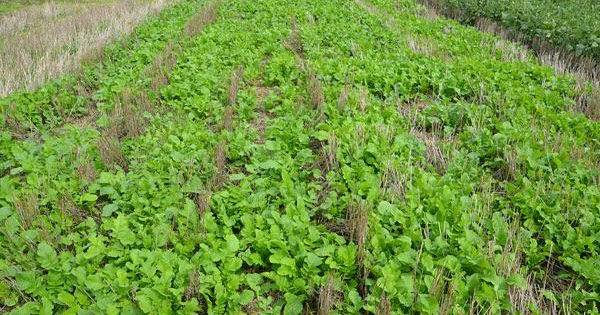
This project was designed to address the three major research needs expressed by the farmers: weed suppression, pest management, and soil conservation. The specific objectives of this study were to determine the right cover crop or cover crop mix by evaluating the agronomic, environmental, and economic benefits, ultimately address local farmers’ priorities to overcome barriers to organic agriculture in this region. We worked closely with the local organic growers to address their research needs. The goal of this project was to address the farmer-driven questions on cover crops.

Advancing Organic Potato Production with Mustard Seed Meal Extract: a multi-pronged tool to control weeds, promote soil health, and improve potato nutrition

By |2025-04-11T16:48:34-04:00December 1st, 2022|Grant Award|

Inna Popova, Dr.
Assistant Professor in the Department of Soil and Water Systems

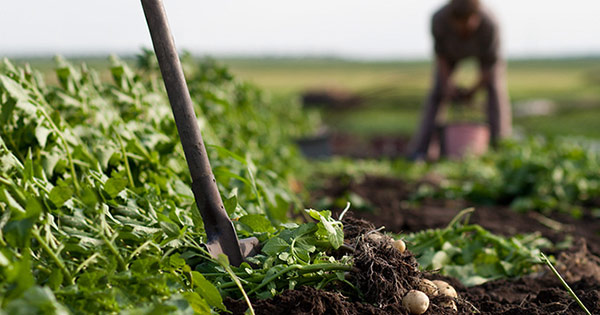
Weed management, soil health, and nutritional quality of organically produced foods are among the highest priority organic research topics according to organic farmers across the US, and abundant peer-reviewed research supports these perspectives. Utilizing innovative organic agricultural practices that improve soil health, combat weeds, and enhance the nutritional quality of staple foods will enable farmers to successfully meet the challenges of feeding a rising global population. Our overall goal is to discover effective weed management strategies for organic potato production that promote healthy soils and nutritious potatoes.

20 to 20, in 2020

By |2025-04-11T16:49:14-04:00December 1st, 2022|Grant Award|

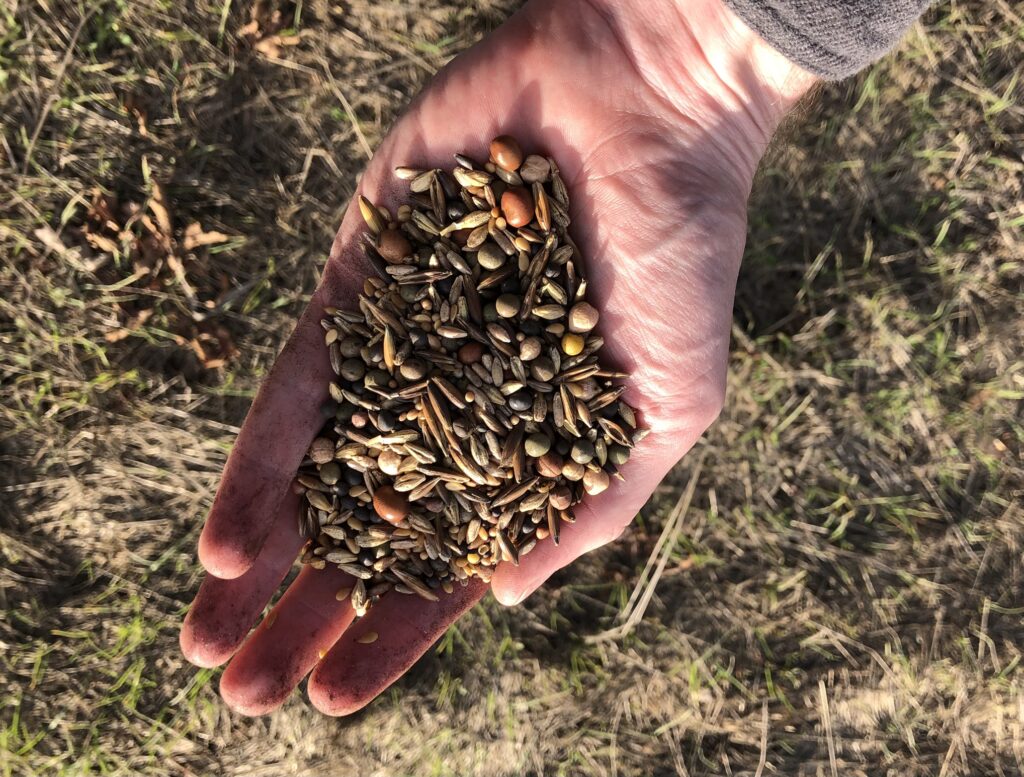
Hand holding 12 species of seed mix

Lee-Ann Hill, Rocky Mount Seed Alliance

This project investigates 20 promising ancient and heritage grain varieties to measure performance for farm scale organic growing conditions and will increase available seed of these 20 unique varieties to a minimum of 20 pounds each in 2020. Data will be collected on weed suppression, lodging, disease, and pest pressure as well as yield and height and environmental conditions at two sites- Ketchum, Idaho and Paonia, Colorado. This on-farm research will be supplemented by data collected through Rocky Mountain Seed Alliance’s grassroots ‘Heritage Grain Trial Program’ (HGTP) and via a new field app. The HGRP not only activates peer-to-peer discovery of regionally adapted germplasm, but also preserves a living diversity of crop genetics.

Evaluation of selection methods and efficacy in on-farm breeding of organic wheat and oat varieties

By |2025-04-11T16:21:40-04:00December 1st, 2022|Grant Award|

Helen Jensen, Research Program Manager
The Bauta Family Initiative on Canadian Seed Security, Seed Change

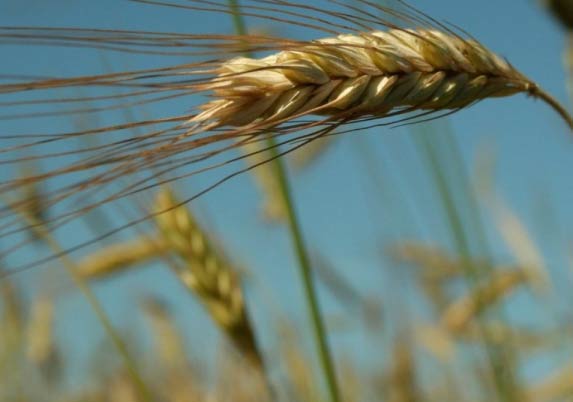
This research project will document how farmer-selectors have contributed to genetic improvement for organic production for wheat and oats and share that information with existing and prospective PPB participants across the country. We will also document and evaluate the strengths and limitations of the PPB partnerships that underpin this particular program. In doing so, we will ensure that new organic PPB programs can be improved based on the experience of farmers. We anticipate that outcomes will include improved knowledge of selection practices for all of the stakeholders in the program, as well as improved methodologies and increased adoption of PPB by a broader range of organic farmers.

A Comprehensive Approach To Control Weeds in Organic Peanut Systems in the Southeast

By |2025-04-11T16:49:24-04:00December 1st, 2022|Grant Award|

Don Cooper, Georgia Organic Peanut Alliance
Agricultural Outreach and Education Specialist

This project will examine the effectiveness of an integrated weed control system in Certified Organic peanut production utilizing regular mechanical cultivation and Eugenol, a broad spectrum herbicide derived from cloves and approved for Certified Organic production in a commercial formulation as Weed Slayer. The project will be conducted with four Certified Organic farmers at four locations in Southwest Georgia: (1) two loamy/clayey farms, (2) two sandy farms. Each site will have two fields planted approximately 2-3 weeks apart within the optimum planting window (May/June) to measure weed pressures and yield. Each farm will begin use of a tine weeder within 5-7 days after planting, with 5-7 total passes, followed by 2-3 passes with sweeps until the peanut plants’ canopies extend across the rows.

Efficacy evaluation of biological control agents against wireworms in organic production

By |2025-04-11T16:49:35-04:00December 1st, 2022|Grant Award|

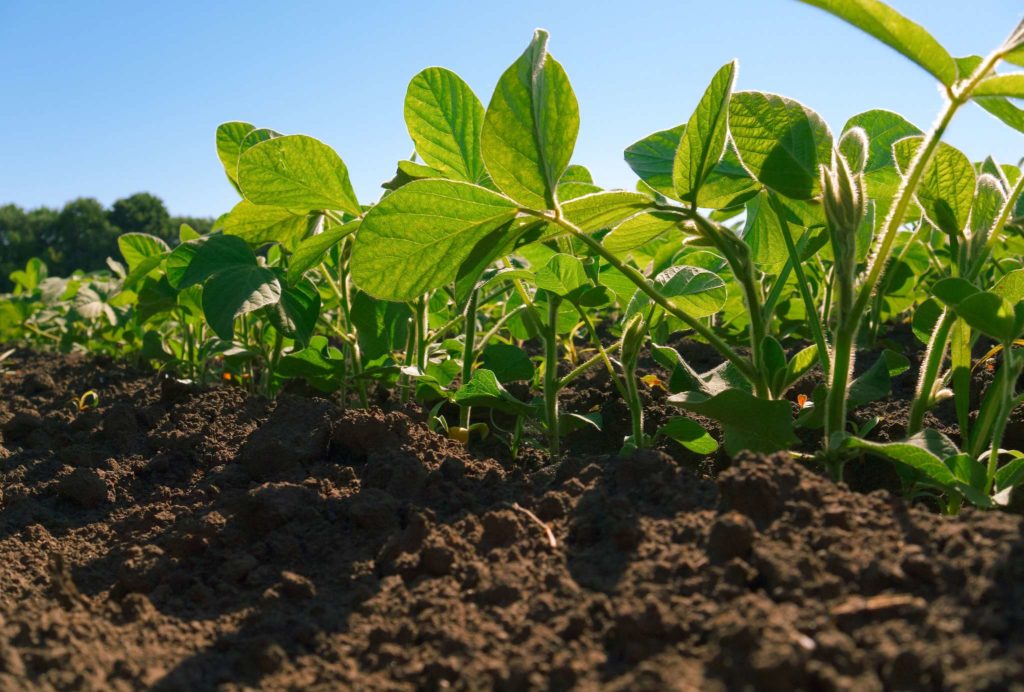
Photo of Soybean plantation rows view from the soil

Arash Rashed, University of Idaho
Associate Professor of Entomology

Wireworms, the larval stage of click beetles (Coleoptera: Elateridae), are generalist subterranean herbivores that cause significant damage in a variety of crops. Managing wireworms has been a challenge due to their long-life cycle, subterranean living habitat, and ability to survive wide range of host plants. Although there are a few insecticides available for conventional farming, there is no effective alternative control measure against wireworms in organic production. Thus, there is a critical need for developing effective non-chemical control protocols against wireworms.

Breeding disease-resistant heirloom-quality tomatoes

By |2025-04-11T16:49:45-04:00December 1st, 2022|Grant Award|

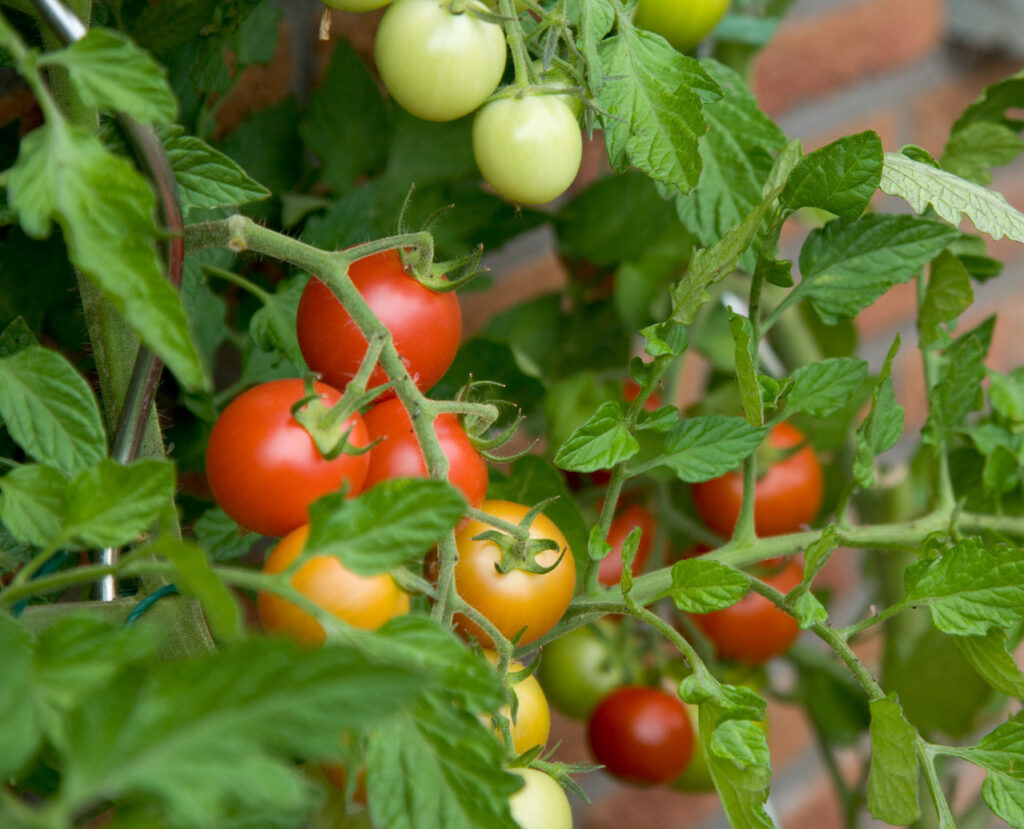
tomatoes on a bush

Carol Deppe, Owner Fertile Valley Seeds

The object of this project is to breed disease-resistant heirloom-quality tomatoes, especially those resistant to late blight and a number of other diseases. I have already crossed ten premiere heirloom tomato varieties—full-size red, pink, black, orange, and paste types—to the hybrid ‘Iron Lady’, which is resistant to late blight and a number of other relevant diseases. And I have developed the second-generation (F2) populations from each of these ten crosses. This year, the grant year, I’ll use marker assisted selection to identify most of the disease resistance genes in each transplant before transplanting them to the field. (This involves taking a sample of leaf from each transplant and sending the samples to a laboratory that can identify the genes in each sample.) This way I’ll be able to plant only the transplants that have the desirable disease resistance genes. I’ll evaluate plants in the field based upon plant form and vigor, maturity, fruit color, shape and flavor. I’ll derive a number of lots of seed from each cross. These lots of seed will be distributed far and wide to allow organic farmers and gardeners to easily develop their own heirloom-quality tomato varieties with resistance to modern disease. Many of the lots of seed will already be pure-breeding for late blight resistance, so breeders working with it will not need to select for late blight resistance. (You might or might not have it in your field any given year.)

Go to Top