
A Trio of Comments: OFRF Chimes in on USDA Actions

A Trio of Comments: OFRF Chimes in on USDA Actions

By |2025-09-05T08:48:49-04:00September 5th, 2025|Gordon's Policy Corner, News|

Three piglets, one for each of the comments we submitted to the USDA last month.

At OFRF, we know that strong, transparent, and farmer-informed federal agencies are essential for the success of all U.S. agriculture, but especially organic agriculture. This month, we acted on that knowledge when we submitted three different comments on USDA actions: one to the USDA on their reorganization plan and two to the National Institute of Food and Agriculture (NIFA) on proposed changes to the Application Kit and Scientific Review Process. Each of these actions may seem bureaucratic and technical on the surface, but together they shape the future of agricultural research and technical service delivery.

NIFA Comments

Earlier this summer, NIFA announced that they are requesting public input on proposed changes to its Application Kit and Proposal Review Process. These processes, and the changes described, directly affect the accessibility, quality, and impact of all USDA-funded research projects.

OFRF raised concerns with the proposed addition of a “Disclosure of Foreign Relationships” form added to the Application Kit, related to a recent memo from the Secretary. While framed as a transparency measure, this new requirement risks chilling international collaborations and excluding non-citizen scientists who have long contributed to the strength of the United States’ agricultural research system. Already, we are seeing foreign-born researchers being impacted. Rather than strengthening national security, this has the risk of hollowing out our research capacity and weakening America’s leadership in agricultural innovation. OFRF urged NIFA to pause implementation of this requirement and engage with agricultural communities, from farmers to university researchers, in assessing its real-world impacts on research quality, workforce development, and international collaboration.

In a second Notice and Comment opportunity, OFRF emphasized the importance of peer review as the cornerstone of scientific integrity and accountability. NIFA’s competitive grants depend on fair, transparent, and diverse review processes that balance scientific merit with on-farm relevance. We recommended a variety of pathways for improving the process’s ability to respond to the needs of farmers and reflecting observations applicable to real-world farm operations. These improvements are not just about improving the administration of NIFA’s research grant programs, they are about making sure that USDA research funding is awarded to projects that matter to farmers, communities, and the environment.

Reorganization Comments

In a less formal comment opportunity, OFRF weighed in on the USDA’s proposed reorganization plan, announced on July 25, 2025. This plan threatens to further erode the research and technical service capacity farmers depend on. Our comments highlighted major risks relating to scientific capacity and program administration, and the very public-interest scientific mission this plan aims to achieve. We learned from the relocation of NIFA and ERS in 2018 that when relocation takes place rapidly and without community engagement, there are significant staff losses that persist for years into the future. We called on USDA to halt this reorganization until it engages in a transparent, public process with a cost-benefit analysis, regional listening sessions, and clear justifications for how changes will improve core services.

OFRF’s Commitment

OFRF works to engage in both legislative and administrative advocacy to reaffirm our commitment to ensuring agricultural research is led with scientific merit, farmer relevance, and diverse perspectives. Whether it is protecting the integrity of peer review, opposing exclusionary policies in grant applications, or defending USDA’s research and service capacity, we will continue to ground our policy priorities in the needs of organic farmers as well as the researchers and technical service professionals that support them.

Take Action, Support Our Work

The future of organic research depends on strong, transparent, and farmer-centered federal institutions. If you want to help defend that future:

Together, we can ensure that USDA research and services remain a public good that builds a future for resilient farms and thriving communities.

Eat well and breathe deeply,

Gordon

Farmer-Led Trials Program Spotlight: The Woven Trifecta

By |2025-12-17T17:31:56-05:00September 2nd, 2025|Farmer Stories, Livestock, News, On-Farm Research, Soil Health|

Testing the Impact of Anaerobic Ferments on Crop Health

Written by Mary Hathaway, OFRF’s Research & Education Program Manager, and Samantha Otto, FLT Program participant

Samantha Otto is the founder and farmer of The Woven Trifecta, a 10-acre farm in western Michigan. Currently in transition to organic, the farm focuses on diversified vegetables for a CSA, local farmers market, as well as farm-to-school sales throughout the school year. Samantha raises Jacob sheep for fiber as well as assorted poultry for meat and eggs. The livestock is rotationally grazed on just over 3 acres of pasture, with 2 acres of no-till beds in production.

Samantha has a decade of hands-on farming experience and is a graduate of Michigan State University’s Agricultural Technology program. Since she started the farm, her primary focus has been on cultivating no-till organic vegetables and cut flowers. But as a curious farmer, she is continuously exploring innovative approaches to sustainable agriculture. Last year, as a participant in the Midwest GRIT program, she began integrating grains into her system, and  she has also recently incorporated livestock into her rotations to create a closed-loop system to help improve soil fertility.

From Waste Product to Resources: Building Fertility and Reducing Reliance in Off-Farm Inputs

One of the main goals of The Woven Trifecta is to reduce reliance on off-farm inputs, and to transform the farm waste products into a resource. Samantha has experimented with different anaerobic fermentation, and was interested in scaling up and fine-tuning its use as a soil amendment. She is particularly interested in incorporating waste from her livestock and compost into anaerobic ferments to improve soil fertility and plant health.

With the help of OFRF’s Farmer-Led Trial (FLT) Program, Samantha hopes to understand how anaerobic ferments impact the health of her crops. When considering which vegetable to test, the team landed on artichokes – a promising crop that her CSA members love and that has yielded well in past seasons. As a long-season vegetable with a short harvest window, the Tavor Artichoke was an ideal crop to trial.

Farm Trial Plan

To answer Samantha’s question, ‘Does an anaerobic compost tea impact yield or plant nutrition in artichokes?,’ she will weigh all harvested artichokes from each plot. Marketable artichokes will be weighed and counted separately. In addition to weights, leaf tissue samples will be collected prior to flowering stalk emergence. 10 representative samples will be taken from each plot, with one leaf collected per plant.

There are two treatments in the trial: a control with no ferment spray, and the anaerobic ferment foliar drench. Samantha will plant in 8 plots to provide sufficient replication. The trial is in a 30′ x 90′ space, in 3′ wide no-till beds, with each row containing 10 plants spaced 36’ apart. Buffer plots will be added on each side, planted with sunflowers.

plot map for on-farm trial at Woven Trifecta Farm

The recipe for the anaerobic fermentation is 60/40 with vegetation scraps and rabbit manure. Samantha brews a fresh batch every two weeks, beginning in early June and applies the fermented drench application biweekly.  A 5-gallon bucket will be suitable for each batch.

Recipe for Anaerobic Fermentation Fertilizer

Using 5-gallon buckets, mix: 

  • 60% vegetation scraps from on-farm and/or compost club program 
  • 40% manure from our rabbits.  
  • 4 cups of soil. 

These will be well mixed, with scraps being chopped into small pieces, and will fill about 3/4 of the 5-gallon bucket.  This mix will then be submerged in water (from well), covered with a lid and stored in the pump shed. The bucket will be fitted with a fermentation lid with spout to release any built-up gases over the course of the fermentation process. 

Ferment will be checked at 7, 14, and 21 days; ready to use at  21 days. Solids are then strained, and the liquid is bottled for use.  

Application: 1 part recipe to 20 parts water every 14 days, and apply it as a soil drench via backpack sprayer.

Samantha is excited to see how the ferment impacts the health and yield of her plants. The process of testing her application of the anaerobic ferment is something she hopes can impact her farm system, and possibly provide sustainable answers for other small farms like The Woven Trifecta.

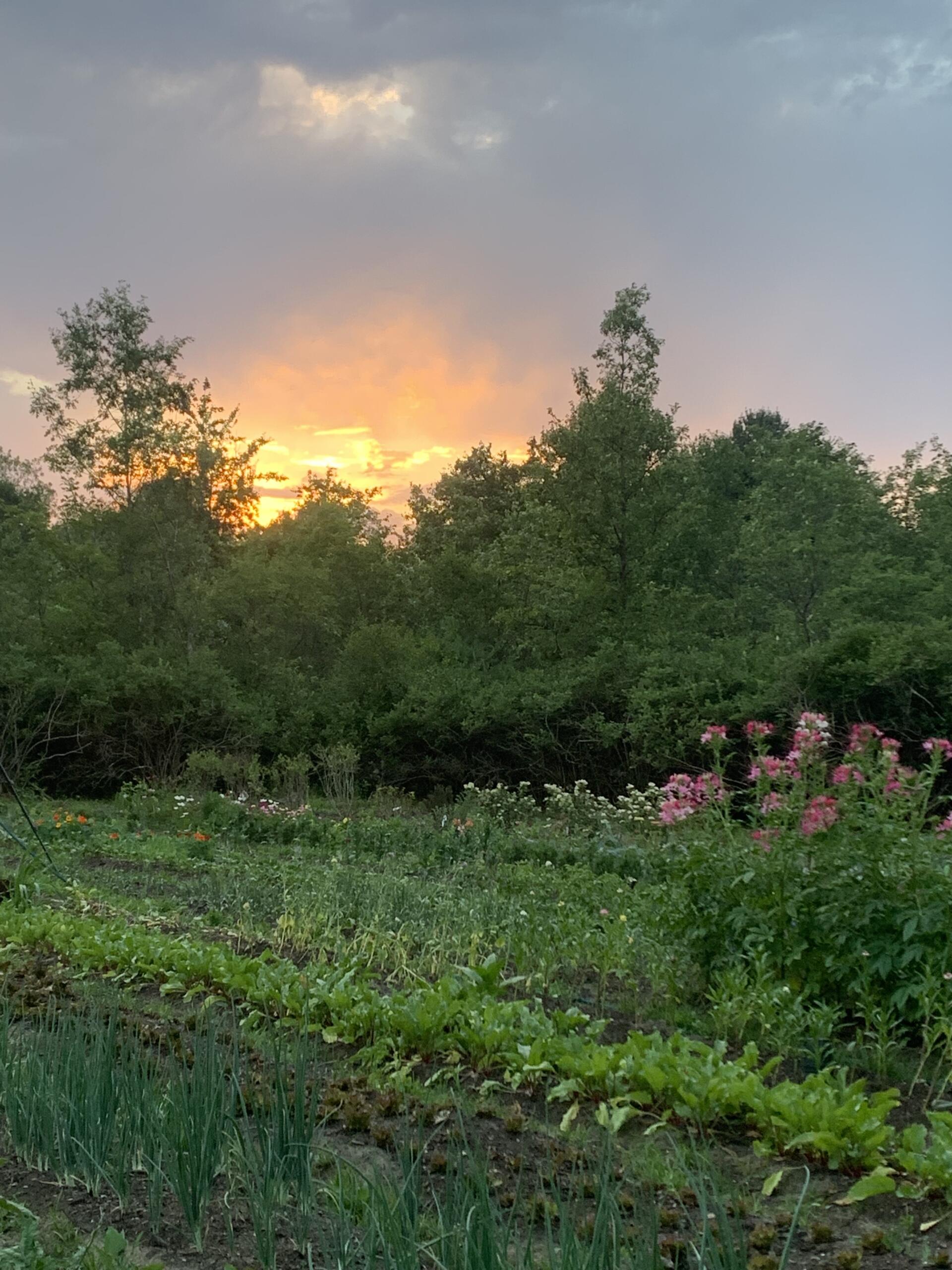
Sunset over a crop field at The Woven Trifecta

“Working with OFRF has been an amazing opportunity for our farm! Closing the loop in our production is a long-term goal of ours, and this project has provided the opportunity to take the time to explore a potential process for making that happen. It has been especially delightful to work with OFRF on creating the foundation of our project, making a once-intimidating idea very fun and feasible to trial! It has been a thrill to find on-farm solutions that support both our livestock and vegetable production. While we are a ways away from harvest, our on-farm ferment is visually showing benefits in our test plot. I look forward to collecting further data as the season progresses! This data will help us make decisions on how to incorporate ferments in our wider production in the future so that we can continue to grow beautiful, healthy, thriving vegetables for our community.

– Samantha Otto, The Woven Trifecta

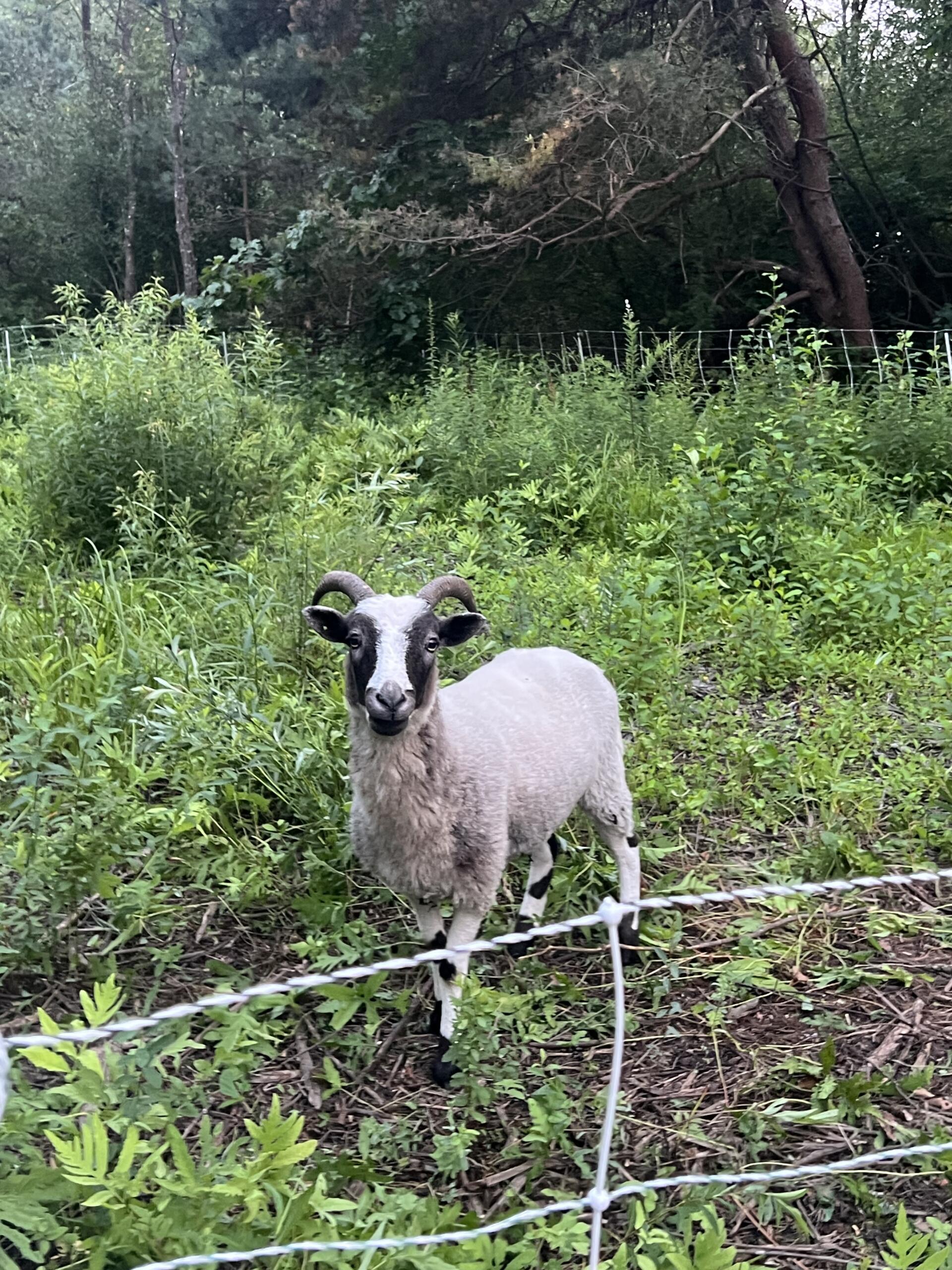
One of the livestock that Samantha integrates into her crop rotations

This is part of a series of blogs highlighting farmers who are participating in OFRF’s Farmer-Led Trials program. Farmers receive technical support to address their production challenges through structured on-farm trials. To learn more about OFRF’s Farmer-Led Trials Program, visit our website page at https://ofrf.org/research/farmer-led-research-trials/ 

To learn more about The Woven Trifecta, visit their website at https://thewoventrifecta.com/

OFRF Raises Concerns on USDA Reorganization Plan

By |2025-08-28T13:14:52-04:00August 28th, 2025|News, Press Release|

Proposed changes threaten research, conservation assistance, and farmer access to USDA programs.

WASHINGTON, D.C., August 28, 2025 — At the Organic Farming Research Foundation (OFRF), we are committed to advocating for organic research as well as the institutions and programs that make that work possible. That is why OFRF submitted comments to the USDA regarding the reorganization proposed in a July 25th memo.

The USDA’s proposed plan—developed without input from affected communities or Congress—comes at a time when public agricultural research and technical assistance are more vital than ever. For organic and transitioning-to-organic farmers, this plan threatens the very foundation of the USDA’s ability to deliver on its mission, particularly in research and conservation assistance. 

“All farmers and researchers, not just those using or studying organic farming systems, need continuity, not turmoil,” said Gordon N. Merrick, OFRF’s Policy Program Director. 

In our comments, linked here, OFRF highlighted how the actions outlined in this plan would:

  • Erode institutional capacity agency-wide. The 2018 relocation of the National Institute of Food and Agriculture (NIFA) and Economic Research Service (ERS) demonstrated how hasty relocations result in significant attrition of seasoned employees, an impact that the agency has yet to fully recover from.
  • Hinder grant administration. Staff reductions would only worsen the current delays in RFA administration, undermining research timelines and trust.
  • Delay on-the-ground assistance for farmers. Natural Resource Conservation Services (NRCS) field offices, already understaffed, are crucial to conservation implementation and free technical assistance. This plan would exacerbate delays despite growing demand and programmatic funding levels.
  • Disrupt public-good science. Agricultural Research Service (ARS) sites and Germplasm Collection Programs, vital for long-term research and system resiliency, would be lost. 
  • Reduce access to USDA programs for rural communities. OFRF and partners serve as bridges to USDA programs, but we all ultimately need robust employment in all county-level offices. Centralizing systems and closing offices would cut farmers off from essential assistance.

OFRF is urging the USDA to pause this reorganization immediately, and instead:

  • Conduct a cost-benefit analysis that assesses service disruption risks and other factors.
  • Publish a public justification report showing how changes will strengthen USDA’s mission.
  • Launch a formal notice-and-comment process, including listening sessions in agricultural regions.

“Disrupting institutional knowledge and service capacity now threatens the organic sector’s ability to meet the challenges of our time, from economic to ecological,” Merrick added. “This reorganization plan would not result in the strengthening of USDA to meet its mission, but a significant blow to its ability to meet that mission.”

Read the full version of OFRF’s submitted comments on our advocacy page here.

##

About the Organic Farming Research Foundation

The Organic Farming Research Foundation (OFRF), headquartered in Santa Cruz, California, with a remote team based across the U.S., works to foster the improvement and widespread adoption of organic farming systems. OFRF cultivates organic research, education, and federal policies that bring more farmers and acreage into organic production. For more information about OFRF, please visit our website: www.ofrf.org. 

Media Contact: Ashley Dulaney, ashley[at]ofrf.org

Advancing Organic Agriculture: Dr. Walter Goldstein on Nitrogen-Fixing Corn with Congressman Steil

By |2025-09-03T10:52:53-04:00August 25th, 2025|News|

Dr. Walter Goldstein

Written by Dr. Walter Goldstein

I recently had the opportunity to join Vinnie Trometter, Policy Fellow at the Organic Farming Research Foundation, and staff from Congressman Bryan Steil (R–WI–01)’s office to discuss how several organic agricultural research programs help the Mandaamin Institute research revolutionary, nutritious, nitrogen-fixing organic corn varieties.

Breeding Corn for a Food-Secure Future

I founded the Mandaamin Institute back in 2011 to study how to breed corn that does not require fertilizers and is more nutritious and sustainable than the corn hybrids controlled by large multinational corporations. Our goal is to change the paradigm of corn production by showing that you can breed organic corn varieties that have similar yields to conventional corn and are competitive against weeds without the need to use synthetic fertilizers or herbicides. Our research shows that this is possible.

Our corn plants have been selected to partner with beneficial bacteria and mycorrhizae. Their tissues are strongly colonized with bacteria in the roots, epidermis, plant hairs, vascular tissues, silks, pollen, glumes, and embryos. Bacteria are passed from one generation to the next through the seed, and those bacteria actively colonize the plant and are extruded into the root zone through the root tip and root hairs.

Through this, we have found that not only does root branching and root health improve, but nitrogen uptake increases substantially. This is because soil bacteria are taken up by the plant through the growing root system and then multiplied and consumed inside the plant as a result of the active oxidants produced by the plant. The dialogue with bacteria increases vitality and nutrient uptake and causes priming of the plant for stress and disease resistance. We have evidence that the defense systems in the root are dialed down to foster bacteria, but they are dialed up in the tops, which accumulate microbial nitrogen. Furthermore, we have isotopic evidence that some of our varieties are fixing substantial quantities of nitrogen from the air.

Some of our inbred varieties and hybrids also compete better with weeds and are less strongly affected by them than conventional varieties. Furthermore, yields under fertilized conditions have been about 10% less, but are generally higher than for conventional inbred corn under unfertilized conditions.

We have also found that our plants have higher nutritional value (more methionine, lysine, minerals, and carotenoids) than conventional corn. This translates to better quality poultry feed. Unlike traditional poultry feed, which is generally composed of a mixture of corn and soybeans, Mandaamin corn varieties are naturally high in protein and contain generated amino acids, usually supplemented in soybean-mixed poultry feeds. The enhanced value of the feed means 9% less soybean meal and no synthetic methionine is required. This allows poultry feeders to pay a 10% premium for the grain without increasing their overall feed costs, resulting in higher prices for egg producers.

Funding for Sustainable and Organic Agriculture Research

The Mandaamin Institute is working with dozens of organic farms and conventional farms, or in conditions that do not use synthetic pesticides or fertilizers, and are also limited in nitrogen, potassium, and phosphorus. The farms we partner with are in several states, but mostly in Wisconsin. Mandaamin Institute also does not patent the corn they give out to farmers, so they can partake in experiments themselves. For analysis, we work intensively with Rutgers University using the latest “omics” technology.

We use Organic Agriculture Research Extension Program (OREI) and Sustainable Agriculture Research Education (SARE) grants to fund our research. Using both programs allows us to experiment on both organic and non-organic land since OREI can only be used on organic acreage, while SARE usage does not have this restriction. Experimenting on both types of land is important because we can test our seeds across a range of soil conditions. 

Our Meeting with Congress

Our meeting with Congressman Bryan Steil’s office went well. We met with one of his staffers who was well-informed and engaged on agriculture issues. He was sympathetic to our call, expressing the importance of organic agriculture research programs. It is important for organic agriculture researchers to directly communicate with their members of Congress about their work and how it impacts their districts, states, and regions. Those members of Congress can then carry on the message of researchers up to the USDA or the Agriculture Committee, where agricultural policy decisions are made.

Use Your Voice

Interested in sharing your research with legislators and highlighting the importance of ongoing public investment in organic research? Enroll in OFRF’s self-paced email course, Communicating with Legislators. This free workshop gives researchers and advocates in the organic farming community the tools to confidently connect with lawmakers and make your work count where decisions are made.

Organic Farmers Withstand Climate Change with Living Soils and Regional Seed Breeding

By |2025-12-09T17:42:40-05:00August 18th, 2025|Climate Change, News, On-Farm Research, Plant Breeding & Variety Selection|

A look at the Organic Microbiome Project

By Brian Geier

Organic farmers understand that soil health is paramount to our success. More specifically, we know that the living, microbial part of soil, sometimes called the soil microbiome, is something our farming practices can quickly and drastically alter, having serious implications for organic systems that rely on organic processes in the soil. But even though we understand that preserving soil life is good practice, we often do not know how soil life is changing, how farming practices are affecting those changes, and which practices are responsible for increases or decreases in crop or animal health because of those changes. 

To address this knowledge gap, researchers at Cornell University are utilizing a novel, farmer-led approach to studying what organic farmers are already doing on their farms and monitoring how the soil microbiome is changing over time. What they find could provide key insights into which organic farming practices might be helping producers promote and maintain soil health through droughts and other climate extremes. 

The Human Body and the Soil: An Analogy for Understanding the Soil Microbiome

To help us understand the importance and complexity of the soil microbiome (the living part of the soil that is composed of soil microorganisms), organic researcher Elias Bloom (a member of the Casteel lab at Cornell University) suggests beginning with an analogy. “The human body has more microbiome cells than it does human cells,” Bloom explained at a recent eOrganic webinar. Over 10,000 different species of microorganisms live in and on the human body, and they can have broad implications for human health. Essentially, a healthy human body is driven by a healthy microbiome.

Compare this analogy with the soil: one teaspoon of soil may have over one BILLION microorganisms living in it. And in just one small teaspoon of soil, there are often over 10,000 species of microbes, similar to the number of species found in the human body. Since microbes are involved in everything from water-holding capacity to promoting disease resistance, one begins to see that what a farmer does everyday can have serious effects on current and subsequent crops.

The Importance of the Soil Microbiome

The living portion of the soil is a primary driver of nutrient cycling, a pillar of healthy soil structure, and can enhance resilience to climate change and pests. The microbiome also helps break down pesticides, toxins, and excess nutrients. It is generally understood that high soil microbe diversity promotes pest suppression and that organic land tends to have higher soil diversity than conventional fields. Still, in some cases increases in diversity can mean increases in plant pathogens. For farmers and researchers, understanding which farming practices result in a ‘healthy microbiome’ and translate to positive effects on crop production, is complex.

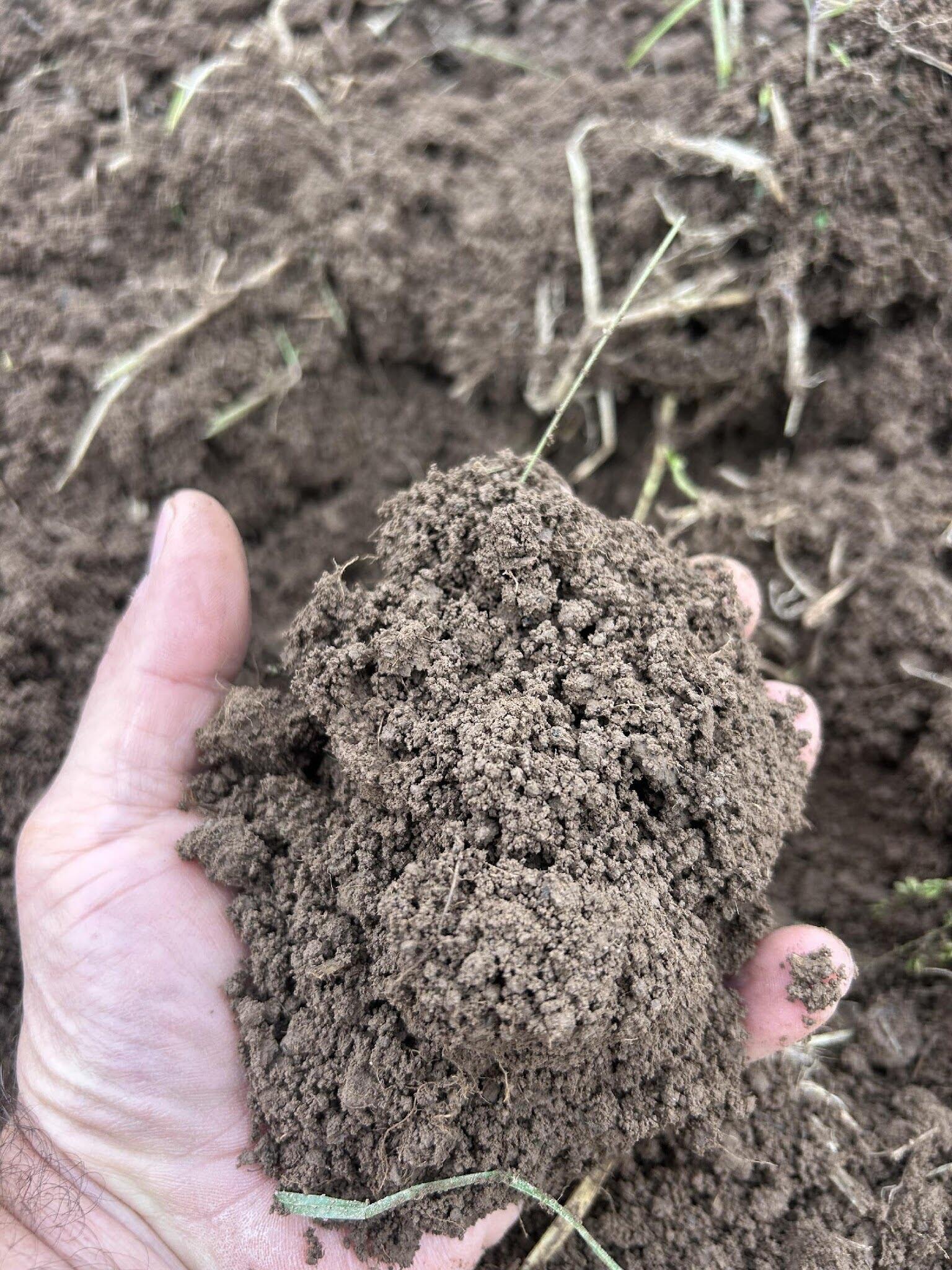
The hand of a farmer holds a handful of soil.

A handful of soil at Four Fold Farm, one of 80 participating organic farms sending soil samples and production practice to the Organic Microbiome Project. Photo credit: Steven Crist

Organic Farmer Driven Research on the Soil Microbiome at Cornell 

To approach this complexity, research projects led at the Casteel lab are utilizing a unique, participatory research approach where organic farmers are providing key insights on soil management practices that could be helping them withstand pests and extreme weather events. 

“The conservation of soil microbes that promote pest management is a new and potentially groundbreaking area for organic agriculture. These microbes naturally occur on organic farms, promote plant chemical defense, and control pests.” -The Organic Microbiome Project

The Organic Microbiome Project is perhaps the largest effort to date that is documenting the soil microbiome on organic farms. Over 80 organic farms are participating. Essentially, organic farmers are sending soil samples in, accompanied with answers about farming practices, and the lab documents changes within the soil microbiome, driving some interesting findings. Rather than deciding what practices to focus on and then involving farmers, the project starts by following practices organic farmers already employ. “We allowed farmers to submit up to two samples from two different fields where they have been using different practices, and we encouraged them to pick comparisons they were interested in,” explained Casteel. In this sense, the project is inherently farmer-led, and evaluates the effects of organic farming practices already being utilized on working farms. While results are still coming in, one thing is clear: when research follows the lead of farmers, it is closely watching how farmers are adapting and building resiliency in real time.

A field at an organic farm has strips tilled with brown soil showing in between green pathways covered with grass.

Strip tillage is one of may practices used to try to help protect soil health at Four Fold Farm, NY. Researchers with the Organic Microbiome Project encourage farmers to send soil samples from areas of their farm they are interested in comparing, leading to farmer-driven insights.

Changes to the soil microbiome and shifts in plant defenses that followed certain farming practices are shown in a table form.

Some interesting insights found so far are illustrated in this graphic. On the left, some organic practices that participants are using on their farms are listed. In the middle, a summary of the change to the microbiome, and on the right, if the crops there exhibited increased or decreased plant defenses.

Standing on the Shoulders: Recent Microbiome Research and Ongoing Seed Breeding

Another project carried out by Dr. Casteel, Dr. Eli Bloom and Ethan McAnally, Leveraging Soil Microbiomes to Promote Climate Change Resilience and Adoption of Organic Agriculture (funded by USDA/NIFA’s Organic Transitions Program) is looking closely at the soil microbiome and organic seed breeding. Also partnered with organic producers, this time specifically seed breeders, the project again follows the lead of farmers, who seem to be lighting the way toward a more regional approach to seed saving that might help withstand climate change. 

The project builds on previous research on both soil microbiomes and regional seed saving, and explores several themes: 

  • Pest pressure is reduced when crops are grown in soil where they are bred. The same effect was observed when the crops were grown with soil microbiomes from regional organic farms.
  • Crops bred under protection and irrigation performed poorly during droughts. When drought conditions were introduced to the study, kale performed better than tsa tsai. Tsa Tsai has been bred in irrigated, protected conditions (greenhouses), while kale is unirrigated and often outside. These results may reflect the maxim “stress as strength”.
  • Some farms’ soil microbiomes may offer protection against drought. All crops performed slightly better during droughts on certain farms in the study.

Voices from the Organic Seed Breeders

“We believe that soil and seed are everything,” Steven Crist, farmer at Four Fold Farm and Hudson Valley Seed Company, and partner on the project, explains. “The more we grow a crop, the better it becomes.” Crist gives a powerful insight into how stress as strength is working through the long-term relationships formed when seedspeople breed crops over time on their farms.

Seed crops that make it through the challenge are almost always more resilient, year to year. We believe this has everything to do with adaptation, directly linked to the microbiome, and to seed memory. That is a slightly pseudo-scientific term but that’s how I call it in the field. The more we grow a crop, the better it becomes, is the long and short of it.” -Steven Crist, Four Fold Farm

At Four Fold Farm, Crist utilizes best practices for protecting the living soil including “mulches, compost, cover cropping, rotation, repeat”. He is also experimenting with biochar, utilizing a New York Carbon grant, and incorporating local ecotypes of native plants, which he theorizes may provide unique and potent additions to his farm’s soil microbiome by attracting and promoting native insects. This approach follows the adage “As above, so below” and Crist suggests that the breeding and feeding of native insects might be mirrored by the breeding and feeding of soil microbes below. 

Lia Babitch, organic farmer at Turtle Tree Seed Initiative and another collaborator on the project, suggests that the social and ecological aspects of growing seed are intertwined. 

The varieties that we carry have become like our children, and like our friends. They’ve grown with us and we’ve watched their steady improvement and occasional shenanigans. And they’ve become rooted in the context of this valley both agriculturally and socially.”  -Lia Babitch, Turtle Tree Seed Initiative

Turtle Tree offers a novel approach to selling seeds that connects buyers to the seedspeople (and potentially the microbiomes there) with what Bloom calls “decision support” for farmers: for varieties of seed in Turtle Tree’s catalog, potential buyers can see the farms and regions where particular lots of seed are from. (Note this option is only available in their catalog, and that it may be added to the website later.)

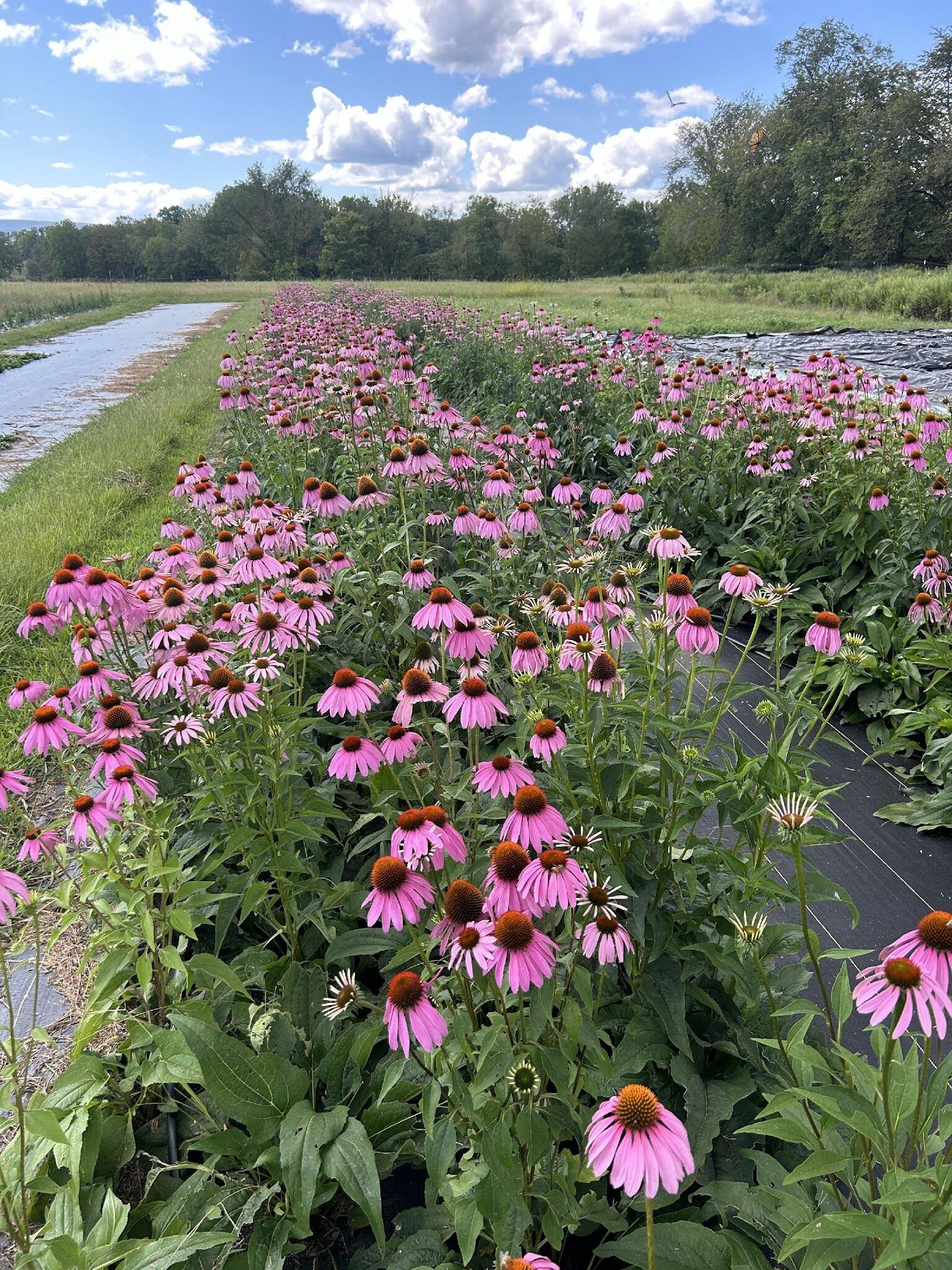
A field of echinacea grows at Four Fold Farm, an organic farm in New York State.

Conservation or production plantings of native plants like this echinacea at Four Fold Farm can attract specialized, native insects and birds. Some organic farmers are asking how plantings of native species may be affecting the soil microbiome through the introduction and presence of the insects and birds that the plants provide habitat for. 

Looking Ahead: The Triad of People, Plants, and Place

As time goes on, and provided funding for research like this continues, we will see more and more insights about how organic farmers’ practices are affecting the soil microbiome and resulting in increased resiliency to climate change. And along the way, it is clear that when researchers study what farmers are already doing, those insights will remain timely, farmer-driven, and translatable to other farmers eager to learn from each other.

Farm Bill, Appropriations, and the Clock Ticking Toward September 30

By |2025-08-10T09:18:54-04:00August 10th, 2025|Gordon's Policy Corner, News|

L-R: Mark Schonbeck, Gordon Merrick, Ashley Dulaney

This past week, Ashley Dulaney, our Communications Director, Mark Schonbeck, our Research Associate, and I attended the National Sustainable Agriculture Coalition’s Summer Meeting. This year, they decided to bring the meeting to the rolling mountains of Vermont, which has been subject to the impacts of climate change, and where I call home.

The week was full of strategy meetings and creating spaces to share the impacts of the changing federal policy landscape, but also to break bread with each other, connect as people doing the work, visit local farms, and give me the opportunity to share the joy that are maple creemees with the sustainable agriculture community.

But, frozen dairy treats aside, there were real opportunities for us as a sustainable agriculture community to expand beyond our niche silos of policy expertise and hear how the impacts we’re experiencing in agricultural research are also being felt in other areas of policy and law.

Over the course of three and a half days, we discussed strategy related to appropriations, the Farm Bill, potential future Reconciliation bills, and administrative actions; each affecting our work at OFRF and how we conduct our advocacy.

What’s at Stake: Farm Bill, Appropriations, and More

For those just tuning in or needing a quick reminder, here is what each of those terms means:

  • Appropriations is the process Congress uses to allocate funding between different priorities that do not have “mandatory funding.” This process must occur every year; if it doesn’t, a government shutdown will happen.
  • The Farm Bill is historically the piece of legislation that provides mandatory funding for food and agriculture programs, as well as authorizations for spending on other related programs that must go through the appropriations process.
  • Reconciliation is a complex legislative process that Congress can use to “reconcile” its new and emerging priorities with the appropriations and mandatory funding provided either by a previous Congress or even the same Congress’s actions. Unlike appropriations and the Farm Bill process, reconciliation doesn’t require a filibuster-proof majority to pass in the Senate, but only a simple majority, and it is subject to strict rules regarding scope and limitations.
  • From an administrative standpoint, when Congress appropriates money, legislates policy with mandatory funding, or completes a reconciliation process, these actions effectively serve as marching orders for the Executive branch to implement those programs and priorities. As we’ve written in recent months, there is growing concern about the USDA’s ability to administer those priorities and programs—especially with a staff estimated to be 16,000-18,000 members smaller than on January 20, 2025.

The Clock is Ticking — Here’s How to Act

As the dust continues to settle from the first six months of the new administration, it’s becoming increasingly clear that we have entered a new status quo for the relationship between Congressional authorization and instruction, and the Administration’s interest in following those. OFRF continues to deepen our engagement in both spaces, Congressional and Administrative, and will ensure you stay informed about what we are hearing and doing. Additionally, we want to make sure that we can bring the experiences and stories you are living to the Halls of Congress and the USDA.

We are entering a crucial time for the Farm Bill and Appropriations bills, as both expire at the end of September. Since Congress is in recess throughout August, this is a great opportunity to meet in person with your representatives while they are in their districts, along with any USDA officials who may be with them.

Relatedly, at the end of the fiscal year on September 30, all unspent funds the administration has refused to or is unable to distribute generally return to the U.S. Treasury.

So, if you’re a researcher relying on USDA competitive grant research programs to do your work, a Technical Service Provider who depends on that research to help farmers overcome challenges, a farmer who has seen an already complex support system become more complicated, or simply an eater concerned about how all of this will impact your grocery bill and the ability of local farmers to survive—now is the time to act.

Please contact me or any member of our policy team to share your stories, experiences, or concerns so we can bring them to Congress and the USDA to add context to their decisions and actions.

Eat well and breathe deeply,

Gordon
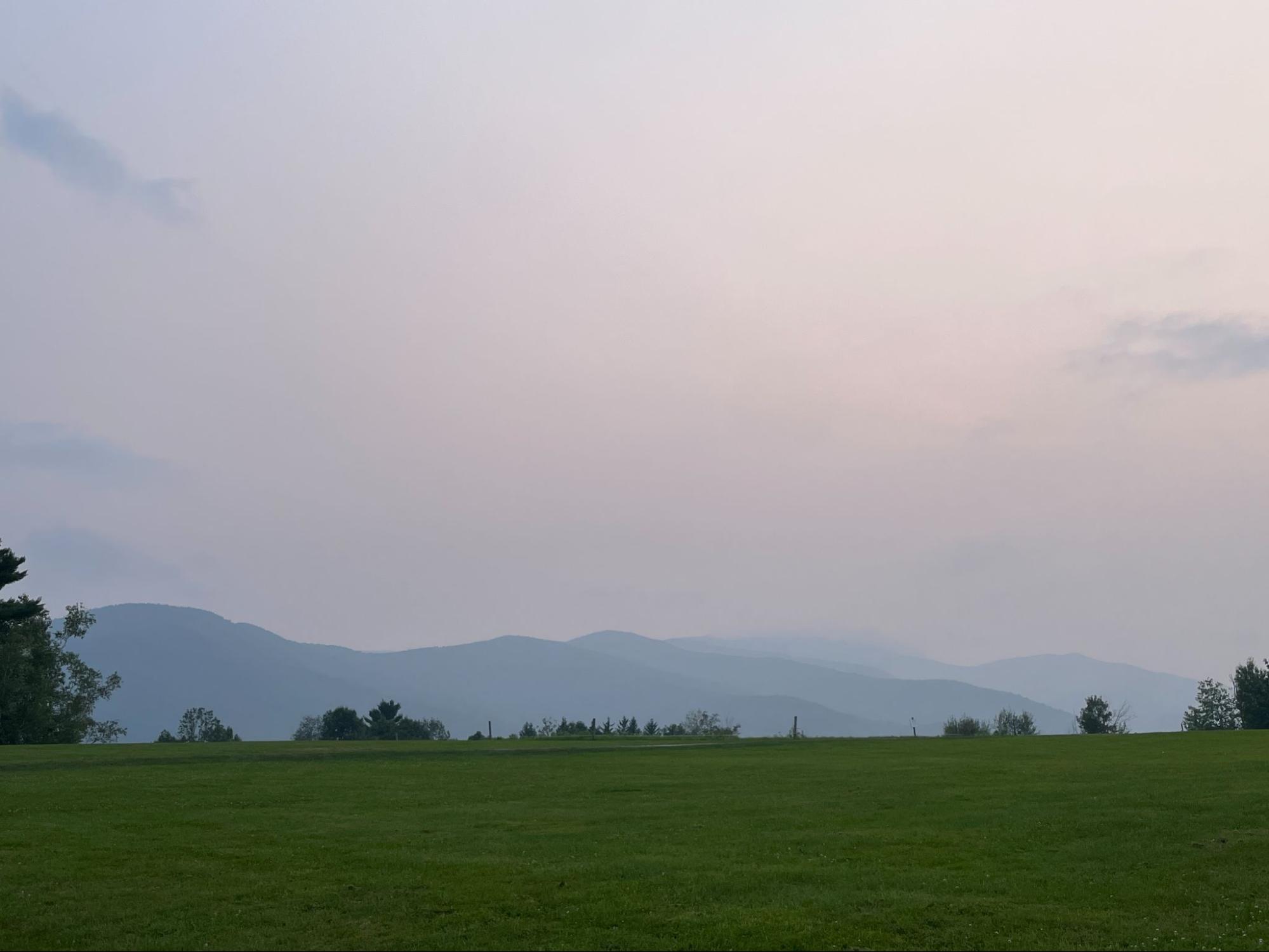
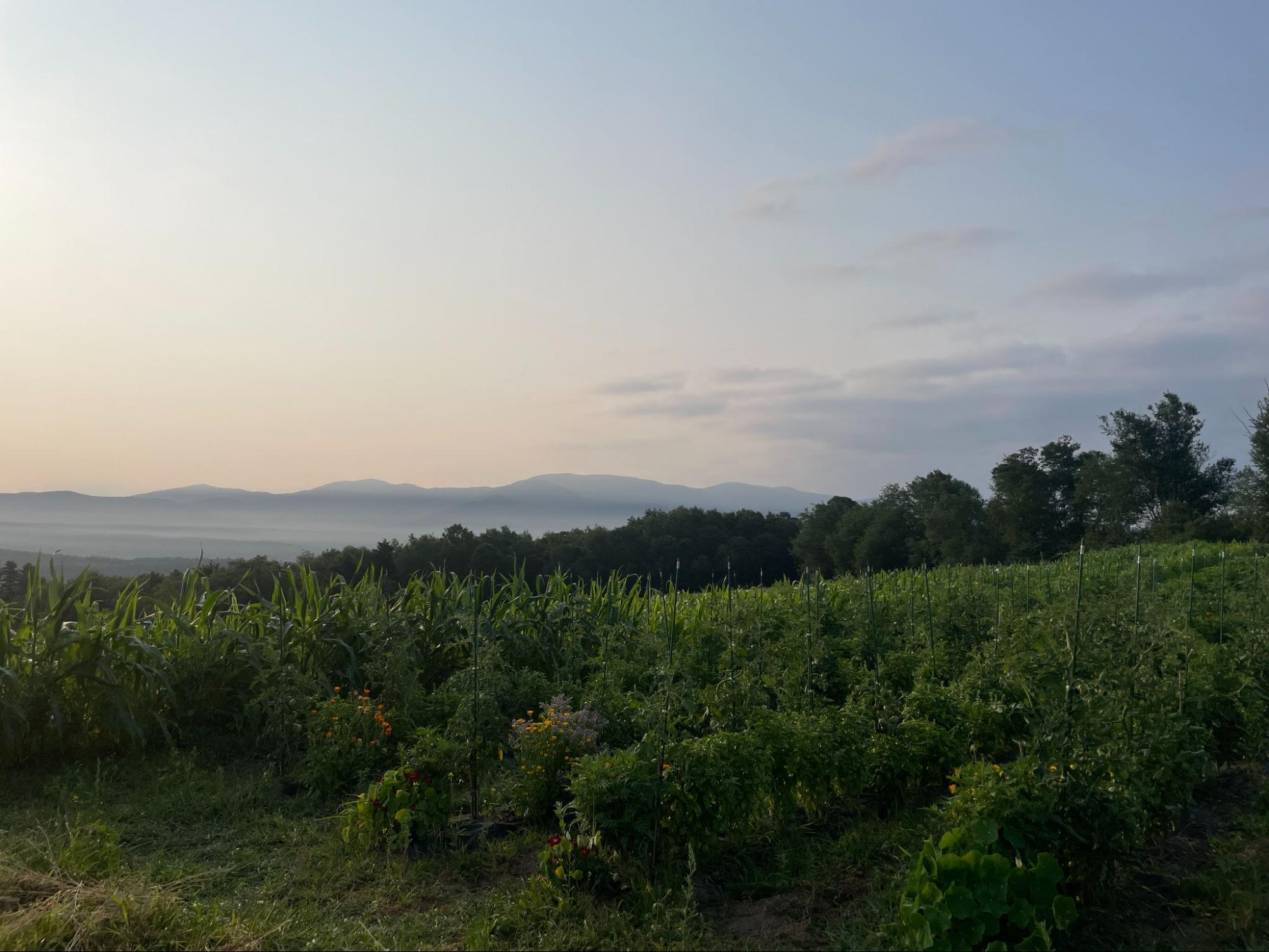
P.S. Enjoy these pictures from our time at the Summer Meeting in beautiful Stowe, VT. Thank you to NSAC for organizing such an impactful gathering.

Fields of Possibility: Tribal Food Sovereignty and Organic Agriculture

By |2025-08-03T09:57:29-04:00August 4th, 2025|News|

The Indigenous Food and Agriculture Initiative (IFAI)’s mission is to enhance the health and wellness of tribal communities by advancing healthy food systems, diversified economic development, and cultural food traditions. They focus on putting tribal sovereignty in food sovereignty, promoting tribally driven solutions to revitalize and advance traditional food systems and diversified economic development throughout Indian Country. Recently, OFRF met with their Senior Staff Attorney, Kelli Case J.D. (Chickasaw Nation), to learn more about IFAI’s work and the intersection with organic agriculture. This was the first in a series of “Lunch and Learn” events that OFRF has begun hosting, to provide opportunities to build stronger connections between our organization and others working in the food and agriculture sectors.

During our time together, Kelli shared an overview of IFAI’s work providing policy expertise, youth programs, and support for tribal food and agriculture efforts across Indian Country. She also took the time to shed light on the complex history of federal Indian policy and the significant impact it has had on tribal land access and food systems. Here are our key takeaways from meeting with IFAI.

Working in Indian Country

There are 574 federally recognized tribes across the U.S., with 9.6 million American Indian or Alaska Natives reported in the 2020 Census. These tribes are distinct, independent nations within the United States, each with their own distinct systems of governance that interact with the U.S. federal government. Tribal leaders are the highest political authorities within their sovereign governments and oversee all aspects of Tribal welfare, including public safety, education, communications, transportation, health & human services, economic development, and more.

Within Indian Country, there is a robust and growing agricultural industry, with an estimated $6.1 billion market value of tribal agriculture according. This number is based on sales as gathered from the 2022 Census of Agriculture. It is the total market value of products sold per all AI/AN people, and those who claim AI/AN within a mixed-race demographic.

IFAI provides Tribal governments, producers, and food businesses with educational resources, policy research, and strategic legal analysis at no cost. Their self-proclaimed goal is to be “Indian Country’s ag nerds on call.” Their work includes food and ag issues, youth programs, policy analysis, and tribal enterprise development, all as a foundation for building robust food economies.

History of Federal Indian Policy

Indigenous food sovereignty exists in the context of centuries of federal Indian Policy, which includes things like forced relocation, or removal of youth from their communities to boarding schools, displacing people from their traditional homelands, interrupting intergenerational knowledge transfer, and punishing traditional cultural practices.

Kelli outlined the policy eras in this way:

  • Pre-contact: an era of robust trade, flourishing communities, healthy lands, plentiful food, and traditional lifeways before European settlers arrived.
  • Colonialism, 1492-1700s: an era defined by major waves of change and the start of land loss for Native Tribes.
  • Treaties, 1778-1871: an era of treaty establishment aimed at easing tension between Tribes and settlers, supporting non-Native settlers, reducing Native lands, and forcing Native Americans to adopt Western agricultural practices. Treaties often dictated hunting and fishing rights on Tribal lands.
  • Removal, 1830-1850s: continued removal of tribes from their traditional homelands and relocated, often very forcibly, such as the Long Walk or the Trail of Tears. Many of these relocations meant a shift to an unfamiliar ecosystem with unfamiliar food plants and animals.
  • Reservation, 1850-1891: tribes forced onto reservation lands, further limiting land and food access.
  • Allotment and Assimilation, 1887-1934: an era during which reservation land was further parceled out into individual allotments, fragmenting the traditional practices of collective land management and implementing further use restrictions. Also the beginning of boarding schools and the removal of a generation of youth from their community, culture, and language.
  • Reorganization, 1934-1953: an era that encouraged Tribes to implement Tribal constitutions in order to be recognized by the U.S. government, while still preventing them from electing their own Tribal leaders.
  • Termination, 1953-1968: a time when the U.S. federal government attempted to sever the trust relationship between Tribal governments and the U.S. government, and ceased recognizing some Tribes. Also relocated many working-age Native Americans to urban metropolitan areas.
  • Self-Determination, 1968-1994: Largely influenced by the 1975 Indian Self-Determination and Education Assistance Act (PL 638). Included reaffirmation of Tribal sovereignty and began to look for ways to put Tribes in the driver’s seat for things that impact their communities.
  • Self-Government, 1994-Current: This era began with the Self-Governance Act of 1994, which accorded tribal governments the authority to administer programs and services to their tribal members which had previously been administered by the BIA. Also reinforced the principle of tribal consultation, whereby the federal government consults with tribes on federal actions, policies, rules, or regulations that will directly affect them.

Food Sovereignty & Tribal Sovereignty

Sovereignty refers to the inherent rights of Tribes to govern themselves, independent from an external power. For Tribes, the pursuit of true sovereignty is deeply linked to control over their food sources. As Kelli said, “Tribes cannot be truly sovereign unless they can feed themselves.”

However, Kelli also noted that it’s not a one-size-fits-all model, and that food sovereignty will look different for different groups, saying that it comes down to the ability to “feed your own people the things that you want to, in a way you feel good about.” She noted that while that often includes taking back control of food production, it can also include trade with other nations, a practice that has a long history among Tribes.

The current era includes a renaissance in tribal food sovereignty efforts, with growing agricultural production and traditional food revitalization. Although challenges remain around land access, Tribes are working to expand Traditional Ecological Knowledge (TEK) and integrate it into food production and education systems. And years of efforts from tribal advocates have greatly improved federal nutrition programs across Indian Country.


One recent example that Kelli shared was a tribal rancher who is now selling meat directly into the tribe’s food distribution program. This one connection has created jobs, supported the local economy, and connected that producer to their community in a new and meaningful way.

Collaboration Opportunities

Kelli expressed that opportunities exist for collaboration between organic agriculture advocates, such as OFRF, and tribal producers, as long as careful cultural sensitivity is observed.

Many tribal farming practices and TEK align with organic principles, even if producers are not certified organic. For those interested in collaborating with Tribes on food production and food sovereignty issues, Kelli offered this advice:

  • Familiarize yourself with the history of the Tribes in your region.
  • Learn about Tribal priorities, and focus on listening to the needs of the Tribes.
  • One way to begin connecting with Tribes in your area is to attend public events hosted by the Tribes. These can often be found on Tribal websites.
    • Be aware that not all spaces are open to non-Native attendees. Respect the intentions of event organizers and don’t show up where you’re not invited.
  • Look for alignment between your work and how it can support Tribal priorities.

Next Steps

Don’t know who the Tribes of record in your area are yet? Here are two resources to use to look up the land that you’re on and find out more about its Tribal history.

Once you’ve identified whose land you’re on, see if you can find where the closest Tribal office is to you,  and then look to see if they have any upcoming public events, or other ways you can get involved, such as joining their newsletter mailing list.

Chloe Sneed (she/her)

By |2025-09-11T17:21:30-04:00August 3rd, 2025|Staff|

Office Assistant

email: chloe[at]ofrf.org

Chloe Sneed (she/her) is the Office Assistant at OFRF. She is currently a second year university student pursuing a degree in environmental science. She discovered her passion for this major her freshman year of college after taking a class called Climate Change and Solutions. Her interests include the intersectionality of anthropogenic activity with the environment. She is looking forward to exploring the avenues her degree will take her.

Maia Garby (she/her/hers)

By |2025-09-25T09:14:11-04:00August 1st, 2025|Staff|

Research & Education Junior Fellow

email: research[at]ofrf.org

Maia Garby (she/her/hers) is the Research & Education Junior Fellow at OFRF. She has a research background in regenerative and organic agriculture, having worked as a field researcher with Minnesota’s Regenerative Agriculture Alliance to analyze the soil health impacts of conventional vs. integrated perennial crop/poultry production systems in the Upper Midwest, and then as a full-time research technician for Utah State University’s Plants, Soils, & Climate Department, where she was involved in several studies assessing soil carbon sequestration and organic compost application in dryland agricultural systems. She is deeply passionate about sustainable food system reform and in the ability of healthy, sustainably-produced food to bring together both People and Planet.

Maia holds a Bachelor’s degree in Environmental Biology from Carleton College and is currently pursuing a Master’s degree in Sustainability, with dual specializations in Corporate Sustainability & Innovation, and Sustainable Food Systems, through the Harvard University Extension School. In her free time, she can be found reading, baking, crafting, and spending time in nature with her partner, family, and beloved Corgi.

Farmer-Led Trials Program Spotlight: Parker Farms

By |2025-12-17T17:32:05-05:00July 28th, 2025|Farmer Stories, News, On-Farm Research, Water Management & Irrigation|

Managing Moisture in Organic Tomatoes on an Urban Farm

Written by Mary Hathaway, OFRF’s Research & Education Program Manager, and Markisha Parker, FLT Program participant

Parker Farms, located in Warren, Ohio, is a small farm with a big heart, committed to serving their community with sustainable, urban agriculture. The farm provides fresh, locally grown produce through wholesale partnerships with food banks and community programs, supporting local food security. Markisha Parker, owner and founder, specializes in sustainable urban farming and organic production and is in her second year of transitioning to certified organic (a process that typically takes three years). With a background in urban agriculture, education, and research, she offers hands-on experience and community education on soil management, crop rotation, and organic pest control.

Her urban farm spans multiple sites totaling approximately one acre with areas dedicated to cultivating native plants, vegetables, and fruits, allowing Parker Farms to grow their impact and bridge the gap between urban gardening and farming. Markisha’s primary crop is tomatoes, but the farm’s mission extends much further: to empower others in agriculture by offering resources and support to help gardeners build successful commercial farming enterprises. While Markisha has done field trials in the past, she was looking for an opportunity to have support in improving her processes and systems on the farm. After this trial, Parker Farms hopes to integrate educational elements by inviting local farmers, aspiring growers, and community members to observe and learn from their research.

Puddling Problems: Managing Moisture in Tomatoes

With limited space in an urban environment, Parker Farms wants to improve their yield and systems in the area that they have. This means making every square foot count. In previous seasons, Markisha had issues with excess moisture and puddling in the fields. One of her biggest challenges was in her most valuable crop: tomatoes. Episodes of excess rain left much of her crop with splitting or blight.

In order to address these issues, she wanted to trial different materials that were readily available as a mulch material to help her tomatoes get to market. In her area, Markisha knew that woodchips, grass clippings, and straw were readily available. So she asked: does a mulching material help mitigate soil moisture for greater tomato yield?

Farm Trial Plan

With technical support from OFRF, Markisha has set up a trial to compare how straw, grass clippings, or woodchips, impact the yield and marketability of slicer tomatoes, and compare it to a control group with no mulch. The design of the trial includes 4 treatments and 4 replications, in a 16-plot layout. Each plot will have 5 tomato plants.

Trial updates

The tomatoes were transplanted on May 22nd, and the mulch types were laid down just after transplanting. The mulch varieties of aged wood chips, straw from a neighboring farm, and fresh grass clippings from areas around her farm, were applied at an approximate 2” depth. The control plot had no mulch added, and was left as bare soil. An initial harvest is expected at the beginning of August. For data collection, Markisha will take both the total weight of tomatoes and the marketable weight of tomatoes. These measurements will help the farm understand if the different mulching materials impact yield, and especially the marketable yield of tomatoes that don’t have damage related to uneven moisture.

Stay tuned for trial updates and a final report at the end of the season!

Farmer-researcher Markisha Parker

“Participating in the Farmer Led Trials has given me the structure and support to test practices that could improve both the health of my crops and the sustainability of my urban plots.”

– Markisha Parker, Parker Farms

Parker Farms.

This is part of a series of blogs highlighting farmers who are participating in OFRF’s Farmer-Led Trials program. Farmers receive technical support to address their production challenges through structured on-farm trials. To learn more about OFRF Farmer-Led Trials Program, visit our website page at https://ofrf.org/research/farmer-led-research-trials/ 

Go to Top