Written by Gordon Merrick, OFRF’s Senior Policy & Programs Manager
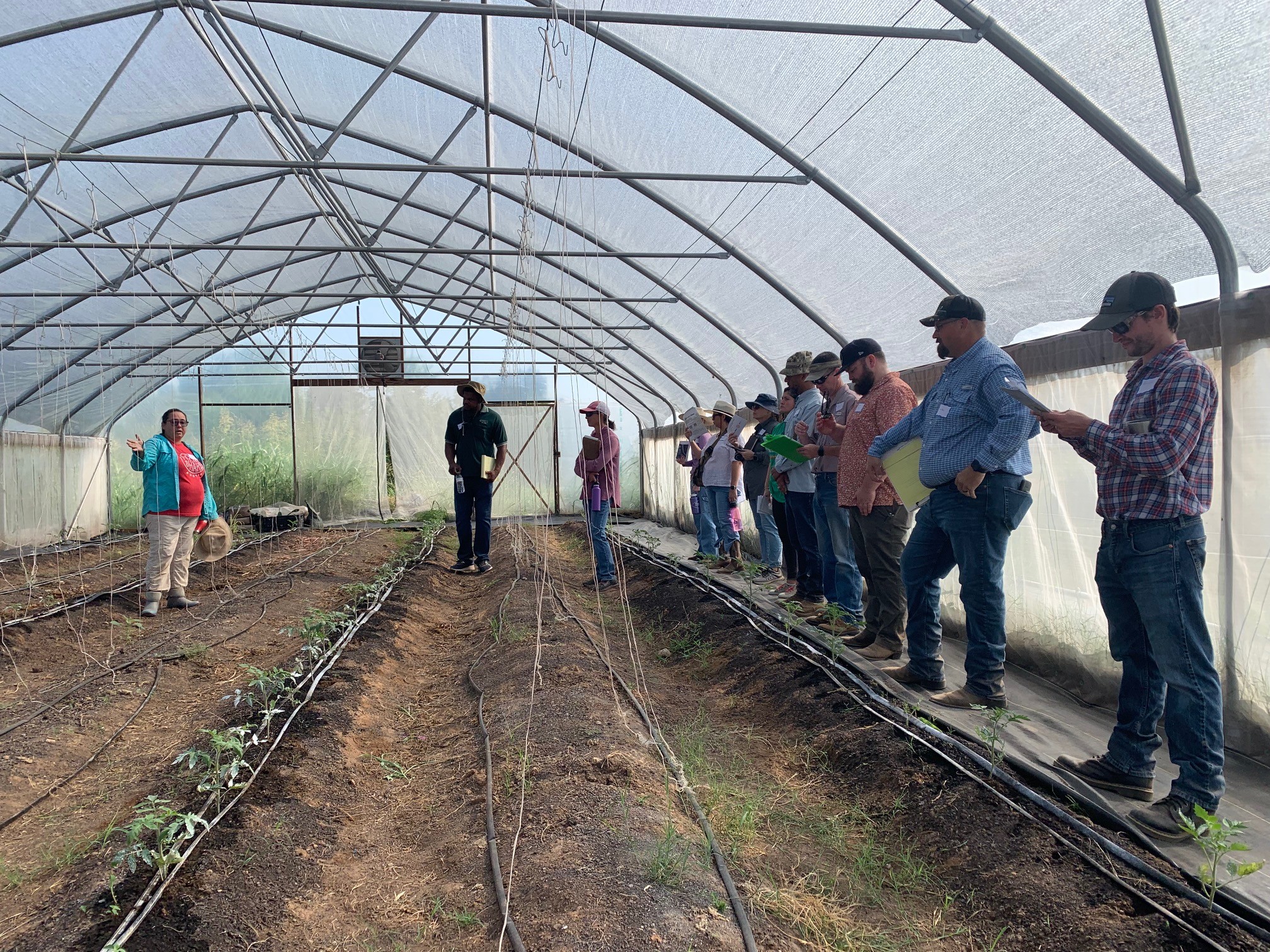
Photo by Daniel Oppenheimer, Hill Country Alliance
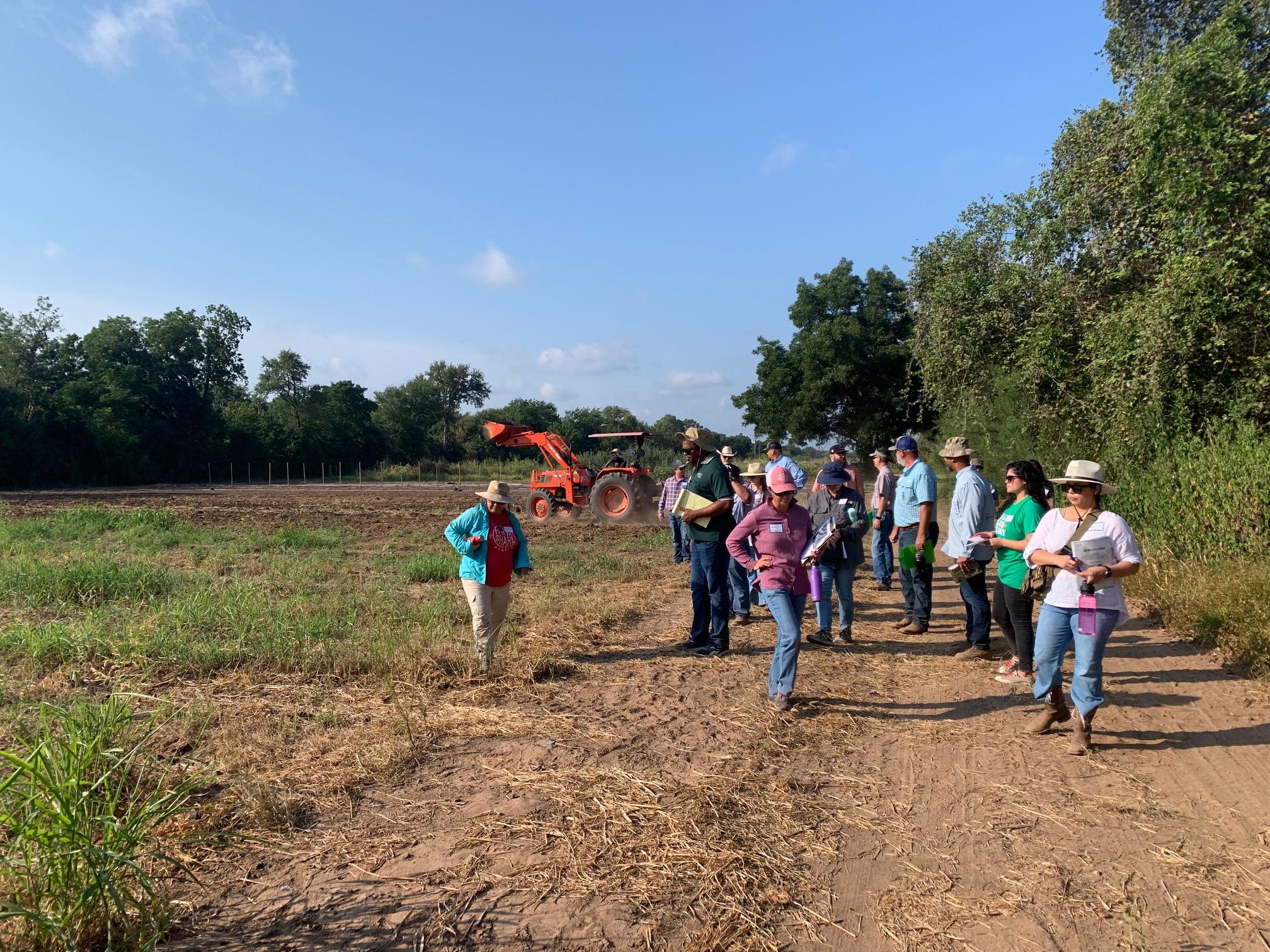
On a plot of land just east of Austin, near the banks of the Colorado River, a small, urban, organic operation was hosting a field day as part of an educational event for Natural Resources Conservation Service (NRCS) field staff. This wasn’t just a “come see our operation” type of field day, though; this was an event co-sponsored by the Hill Country Alliance and the NRCS-TX Urban Agriculture Agronomist intended to provide some hands-on experience working with urban and organic farmers.
For Michelle Akindiya, the Education Director for Farmshare Austin, this was an opportunity to bridge the knowledge gap between NRCS staff and the unique challenges faced by organic farmers.
“The goal of this workshop was to familiarize NRCS agents to the operations of small, urban and organic farms. Many of our District Conservationists in Texas are more familiar with larger, less diversified farms and may not have much contact with organic specialty crop production. We had the unique opportunity to tour our working operation and look at a new parcel that we will be transitioning to organic production.”
Tour Experience & Key Takeaways
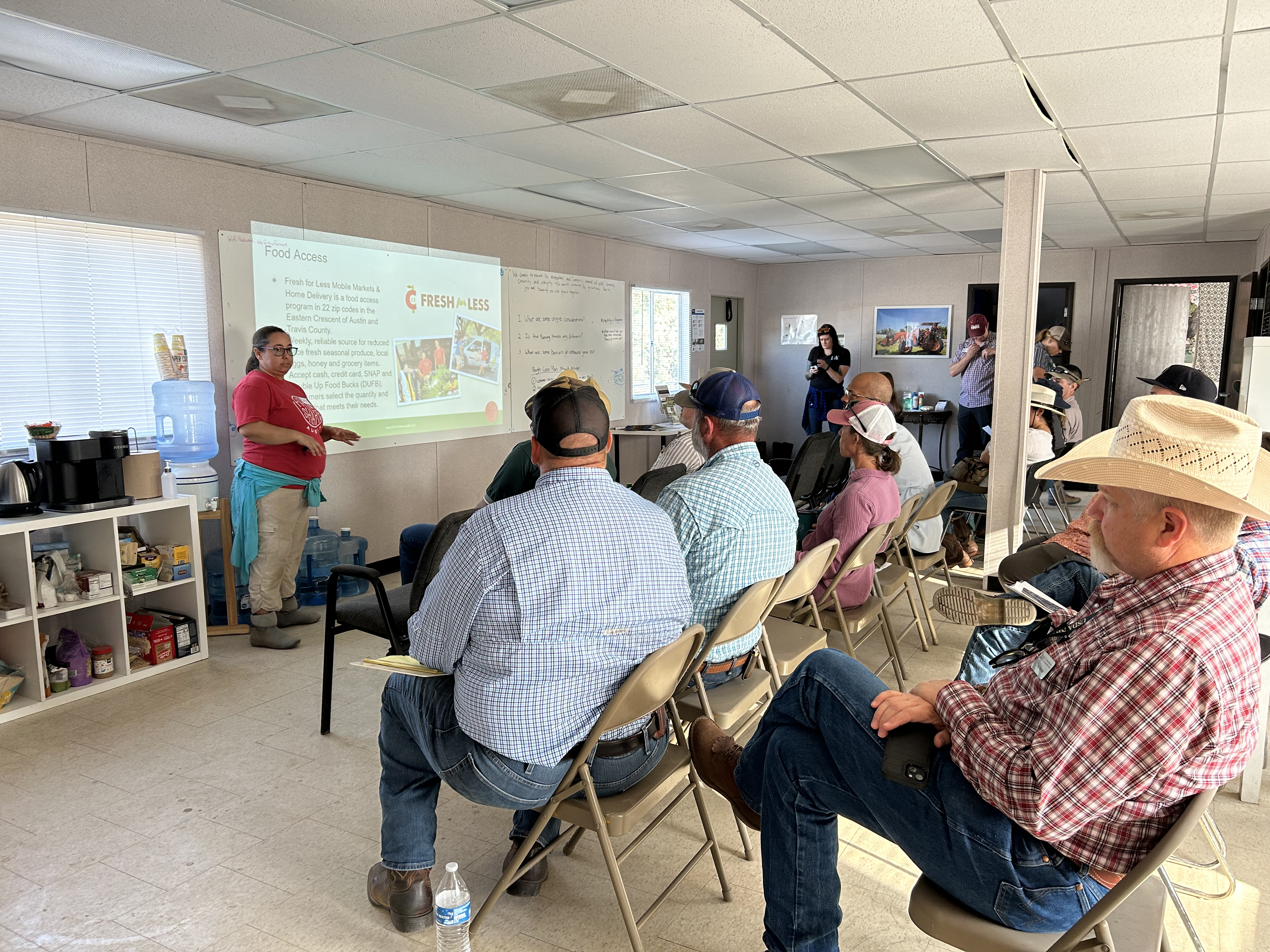
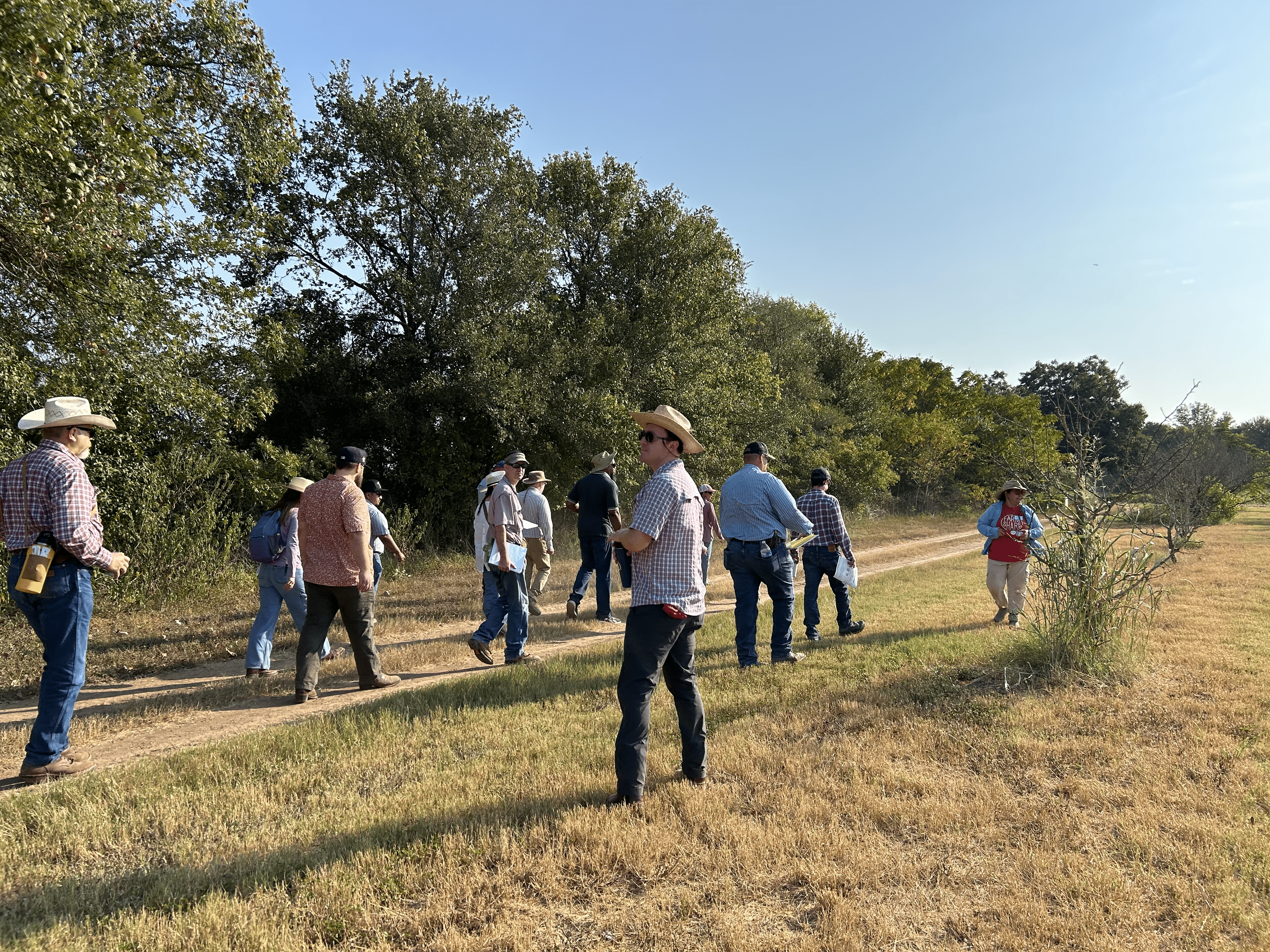
During the tour, attendees explored both established and recently acquired sections of the farm, including three acres at the very beginning stages of an organic transition. Michelle structured the day to include both field observations and a role-playing exercise. After walking the land and discussing resource concerns, attendees broke into groups to devise conservation plans and explore available NRCS programs.
The exercise showed the participants the diversity of resource concerns and the creativity that is allowed (and sometimes needed) to address them on organic farms. Farmers who can participate in this type of exercise can find it equally valuable since they hear directly from NRCS about the programs and resources they can access.
Key takeaways from the event:
- Scenario planning and role exercises were highly effective in fostering engagement and understanding.
- Combining field observations with small-group discussions provided a balanced approach to learning.
- Having a “knowledge broker”—someone familiar with NRCS standards and organic practices—was critical for translating technical concepts.
Photos 1 & 3 by Michelle Akindiya, Photo 2 by Daniel Oppenheimer
Why Farm Tours with NRCS Matter for Organic Farmers
Organic farmers often face challenges navigating NRCS programs designed with conventional agricultural practices in mind. Farm tours like Michelle’s provide NRCS staff with an opportunity to see firsthand how organic farming systems operate and the specific conservation concerns these farmers encounter. For example, understanding the pest and weed management techniques required for vegetable production versus traditional grazing, forage, or field crop operations is critical to tailoring NRCS programs to meet organic producers’ needs.
According to Daniel Oppenheimer of the Hill Country Alliance, who was an organizer alongside Michelle for the event:
“NRCS planners wanted to apply what they learned, not just to absorb information passively. Scenario planning was key. Spending time in the field, we gave them real-world scenarios to think through and discuss; this offered a unique way to translate organic practices into conservation strategies.”
One of the more important features of these tours is how they foster in-person connections, building trust between farmers and NRCS officials. By building that trust, they create a platform for dialogue about how NRCS programs and policies interact with the requirements for organic operations. Michelle highlighted that “hosting a workshop for NRCS on our farm was beneficial in a few ways. One, we got 20 heads together to help identify and solve our resource concerns and we were able to pick up on some key pieces of knowledge that we otherwise would not have. As they were teaching each other, we were learning too! Two, we got to see behind the curtains and really understand what goes into building a conservation plan at the NRCS. I now have a much better understanding of how to best work with our NRCS District Conservationist.”
Steps to Host a Successful NRCS Farm Tour
Working with an organization to host an educational event for your local NRCS office can be a powerful way to showcase your operation, share insights about organic practices, and build relationships with NRCS staff. Based on the success of events like Michelle Akindiya’s field walk and group work at Farmshare Austin, here are steps to start that process:
1. Connect with your local NRCS office.
Start by reaching out to your local NRCS representatives or conservation districts. Gauge their interest and discuss potential focus areas that align with their training needs and your farm’s operations. Michelle’s tour succeeded, in part, because of her collaboration with the Hill Country Alliance and Wilma Tichelaar, the NRCS-TX State Urban Conservationist. These partnerships ensured the event met NRCS priorities and had the right mix of attendees.
Daniel told us about the importance of these relationships: “We had the pre-existing relationships with some of the local NRCS, some of the zone, and some of the state office staff, too, which really helped organize training events. If you’re starting from scratch, spend time getting to know your local NRCS contacts. Attend local working group meetings, build those relationships and consider how your work aligns with the agency’s and community’s conservation priorities.”
If you don’t already have connections with NRCS or local conservation groups, consider attending their events or reaching out through your state NRCS office to establish relationships.
2. Plan the tour’s focus points and consider what to highlight (e.g., soil health practices, crop diversity, etc.).
Think strategically about the areas of your operation you want to showcase. Highlight practices like crop diversity, soil health management, or innovative water conservation techniques. It’s also valuable to include areas where challenges persist, as they can prompt discussions about solutions.
The importance of selecting a compelling site, such as a plot being transitioned to organic or a poorly managed area needing restoration, creates opportunities for NRCS staff to apply their knowledge and develop conservation plans. Try to reflect both your farm’s unique context and NRCS’s conservation goals.
Combine field observations of both highlighted areas and challenging areas with interactive elements like scenario planning, allowing NRCS staff to “get hands-on” and apply their skills in a real-world context.
Other activities to consider include:
- Facilitating a discussion about conservation priorities on your farm.
- Hands-on projects, such as building small erosion control structures or reviewing water management systems.
- Providing time for Q&A, so attendees can learn more about how your practices align with NRCS standards.
3. Organize the day-of tour.
Don’t overlook the logistics: provide snacks, drinks, printed handouts, and a clear agenda. A smooth, organized experience ensures attendees stay focused on learning. By partnering with organizations, tailoring your farm’s presentation to NRCS needs, and incorporating interactive learning opportunities, you can host a successful and impactful farm tour. For more detailed guidance, check out OFRF’s Field Day Toolkit and start planning your event today.
4. Follow up after the tour.
Once the tour is complete, reach out to attendees with a summary of key takeaways, any next steps, and a request for feedback. Follow-up is essential for refining future events and maintaining the relationships built during the tour.
Overcoming Setbacks and Staying Persistent
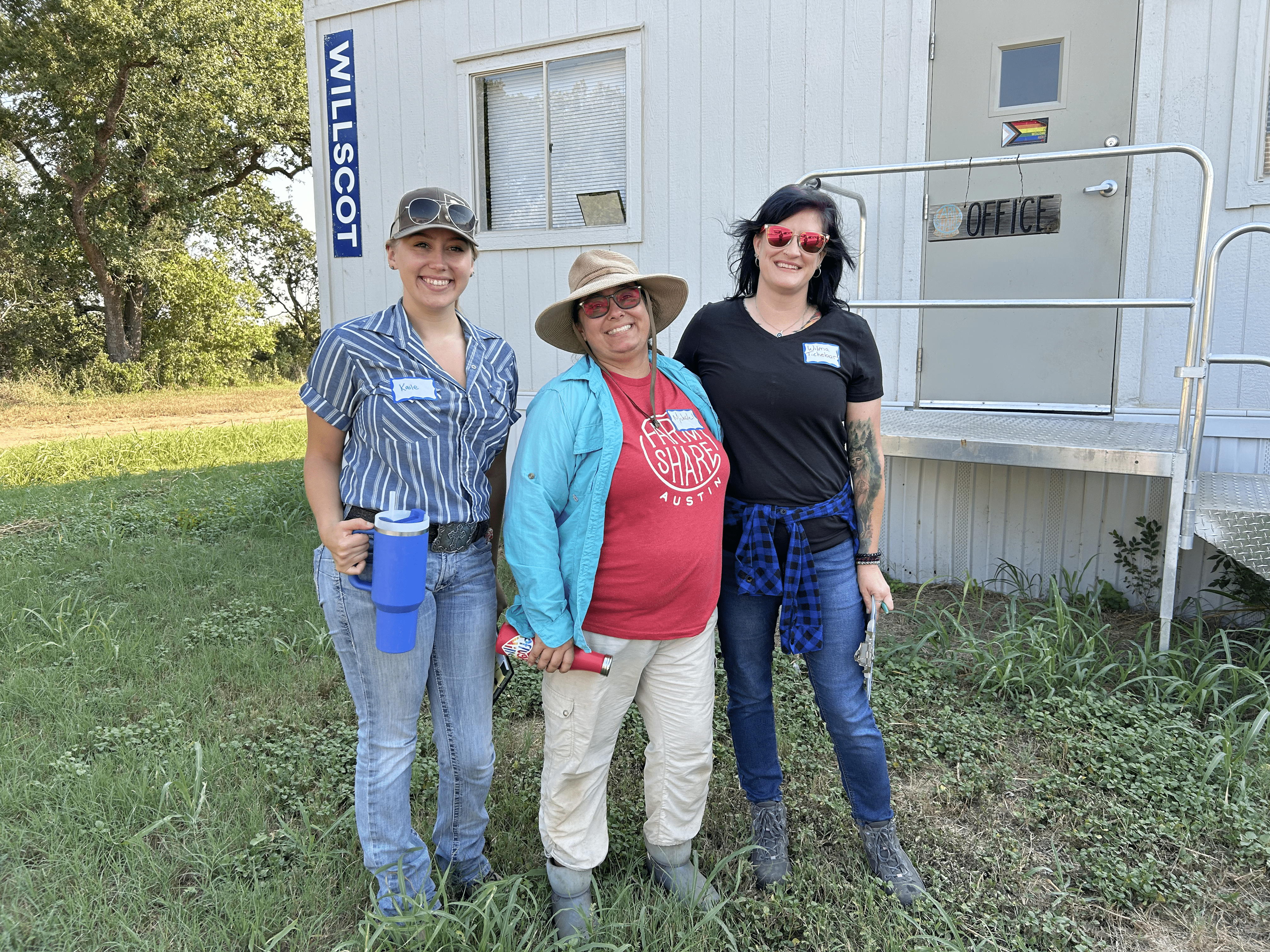
Kaile Brant (NRCS), Michelle Akindiya (Farmshare Austin), Wilma Tichelaar (NRCS)
Hosting a farm tour can come with challenges, from scheduling conflicts to initial rejections. But persistence pays off. If one NRCS agent declines, don’t hesitate to reach out to another. If the timing doesn’t work this year, try again next year. Recognition of this was readily apparent by the participants, as Wilma put it:
“It was really good because we had a lot of people from different backgrounds and different zones. Given the open dynamic we had, everyone was pretty comfortable bringing something up for discussion, which was really good. It’s important for planners to recognize that producers and their fields are all different—different experiences, different viewpoints—and that’s going to reflect what they’re willing and able to do on their operation.”
OFRF, TOPP, and Your Path to Engaging Federal Programs
Whether you’re considering transitioning to organic or are in the final stages of the certification process, resources are available to support your transition. At the Organic Farming Research Foundation, we are dedicated to supporting growers in improving and expanding the widespread adoption of organic farming systems.
One way we do this is through our work with TOPP, the Transition to Organic Partnership Program—a network developed by the USDA’s National Organic Program to support transitioning and organic producers with mentorship and resources. OFRF has created resources to help producers navigate and access the specific USDA technical assistance and funding support programs available to help transition to an organic system of production.