OFRF Introduces Members of New Organic Stewardship Council

OFRF Introduces Members of New Organic Stewardship Council

By |2026-09-23T10:01:16-04:00March 4th, 2025|News, Press Release|

FOR IMMEDIATE RELEASE

Farmer-Led From the Start and for the Future

SANTA CRUZ, Calif.,  March 4, 2025 — The Organic Farming Research Foundation (OFRF) has selected the seven inaugural members of a new Organic Stewardship Council (OSC). Composed of farmers from different regions, agricultural backgrounds, and diverse farming communities, as well as representatives from farmer associations, these stewards bring together diverse voices to shape OFRF’s work and elevate the priorities of organic and transitioning farmers nationwide. The formation of this advisory council strengthens OFRF’s long-standing commitment to taking its lead from farmers.

“By formalizing this advisory body, we are creating an enduring structure that empowers farmers to guide and shape our work at every level. We are thrilled to bring together this council of experienced voices who understand the challenges and opportunities in organic farming,” said OFRF Executive Director Brise Tencer.

Following a competitive nomination and review process, and approval from OFRF’s Board of Directors, OFRF is pleased to introduce the new OSC members:
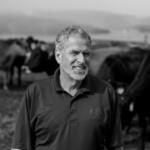
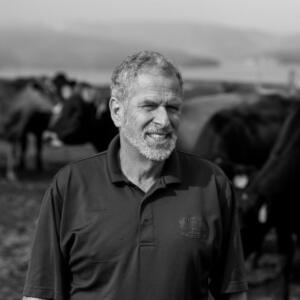
Albert Straus, Straus Family CreameryAlbert Straus, Straus Family Creamery (California)
Albert is the founder and executive chair of Straus Family Creamery, the first 100% certified organic creamery in the United States. He founded the Creamery in 1994, while his farm, the Straus Dairy Farm, became the first certified organic dairy west of the Mississippi River. He brings decades of leadership experience in sustainable organic farming practices.

Anna Jones-Crabtree, Vilicus Farms (Montana)anna jones-crabtree, organic farmer at Vilicus Farms
Anna and her husband Doug own and manage Vilicus Farms, a first-generation, organic, 12,500-acre dryland crop farm in Northern Hill County, Montana, growing a diverse array of organic heirloom and specialty grain, pulse, oilseed, and broadleaf crops under five- and seven-year rotations. Anna holds a Ph.D. in Civil and Environmental Engineering with a minor in Sustainable Systems from Georgia Institute of Technology.

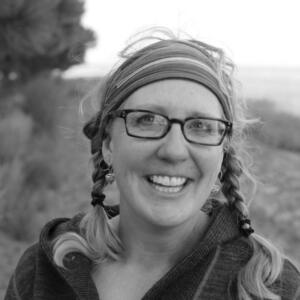
Brooke Gentile, Organic Association of Kentucky (Kentucky)Brooke Gentile, Organic Association of Kentucky
Brooke joined the Organic Association of Kentucky (OAK) in 2017 as the executive director and manages the KY Farm Share Coalition. Born and raised in Kentucky, she has worked with sustainable agriculture projects in New York City, Northern California, Indiana, and Kentucky. Brooke cares deeply about building a regional food system that supports our farmers, is regenerative for our lands, and is healthy and accessible for consumers.

John McKeon, Taylor Farms (California)John McKeon, Taylor Farms
John is the Director of Organic Integrity and Compliance at Taylor Farms Retail, overseeing organic compliance and regenerative organic practices. He has worked at Taylor Farms and Earthbound Farm for 15 years in organic field and facility food safety, international organic supply chain compliance, and organic agricultural operations. John also spent 10 years at CCOF, from an intern to certification director and then inspector. He studied horticulture, sustainable agriculture, and environmental studies at Cabrillo College and the University of California Santa Cruz.

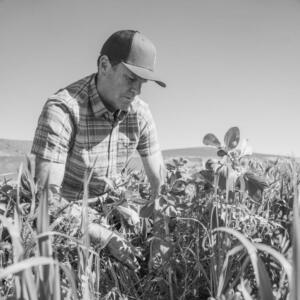
Jordan Settlage, Settlage & Settlage Farms (Ohio)Jordan Settlage, Settlage & Settlage Farms, Ohio
Jordan is a dairy farmer with Organic Valley Cooperative, based in St. Marys, Ohio. Farming alongside his father, he manages 500 acres of certified organic land and cares for a herd of 300 cows. Though he didn’t grow up on a dairy farm, Jordan has been involved in dairy since childhood and became certified organic in 2016. With a strong emphasis on grazing, he is passionate about regenerative agriculture and is dedicated to improving the overall agricultural system.

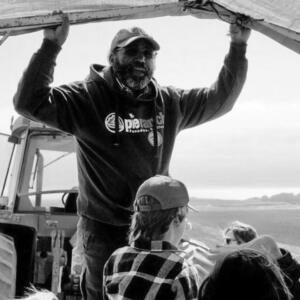
Leonard Diggs, Pie Ranch (California)Leonard Diggs, Director of Operations and Farming at Pie Ranch
The Director of Operations and Farming Education at Pie Ranch in Central California, Leonard has managed sustainable and organic farms in northern California for over 30 years, including a 365-acre college farm with annual and perennial crops, a winery, livestock, and a mixed species forest. He has also instructed a wide range of agricultural classes and served on numerous agricultural boards and committees in an effort to share his experiences with current and future generations of gardeners and farmers.

Meg Moynihan Stuedemann, Derrydale Farm (Minnesota)Meg Moynihan, organic farmer Derrydale Farm
Meg is a certified organic dairy farmer in Le Sueur County, Minnesota, where she and her husband milk about 60 cows and direct market beef from Derrydale Farm. Born and raised in Milwaukee, Wisconsin, and Nashville, Tennessee, Meg earned her B.A. from Brown University and an M.S. in Agronomy from the University of Minnesota. Her experience includes leading the Minnesota Department of Agriculture’s Organic Program, directing a statewide sustainable agriculture program in Michigan, working as an educator and evaluator, participating in the National Association of State Organic Programs, and serving on the board of directors for the Organic Field School in Farmington, Minnesota. Meg also formerly served as president of OFRF’s Board of Directors.

The Council will offer invaluable feedback and recommendations to OFRF’s Board and staff across a range of areas, including:

  • Shaping OFRF’s programs by offering insight into educational resources, research priorities, and policy advocacy to ensure they align with the needs of organic and transitioning farmers.
  • Voicing farmer perspectives by elevating on-the-ground realities and challenges farmers face to guide OFRF’s strategic direction.
  • Evaluating the impact and providing feedback on the relevance and effectiveness of OFRF programs.
  • Addressing emerging agricultural issues, including the National Organic Research Agenda (NORA), feedback on OFRF’s new Organic Research Hub, and Farm Bill priorities.

With this Council, OFRF continues to lead with the voices of organic farmers and create innovative pathways to advance the adoption of organic farming systems that prioritize climate resilience, soil health, and sustainability.

For more information about OFRF and its initiatives, visit www.ofrf.org.

##

About the Organic Farming Research Foundation​

The Organic Farming Research Foundation (OFRF), headquartered in Santa Cruz, California, with a remote team based across the U.S., works to foster the improvement and widespread adoption of organic farming systems. OFRF cultivates organic research, education, and federal policies that bring more farmers and acreage into organic production. For more information about OFRF, please visit our website: www.ofrf.org. 

Contact:
Ashley Dulaney, Communications Director, OFRF
ashley@ofrf.org 

The Consequences of Mass Firings Across the USDA

By |2025-03-13T17:51:05-04:00February 26th, 2025|News, Policy Corner|

A Blow to Agricultural Research and Rural Communities

Written by Gordon Merrick and OFRF staff

Editor’s note: Since the publication of this post, the USDA has announced plans to reinstate affected employees. However, the situation remains fluid, and the long-term impacts on agricultural research funding and capacity are still unfolding. OFRF remains committed to advocating for strong, stable investment in organic research to ensure farmers and researchers have the resources they need to innovate and thrive.

In a sweeping, indiscriminate move that has sent shockwaves through the agricultural community, the administration has dismissed thousands of federal employees with the stated goal of reducing government spending and increasing operational efficiency. While the full scope of these staff cuts is still emerging, recent communications requesting employees justify their continued employment have added to the uncertainty. What is already clear, however, is that the USDA has been acutely impacted, particularly within the agencies that form the backbone of our nation’s agricultural research and farmer technical and financial assistance programs.

The Role of USDA Research Agencies and the Impacts of These Firings

The agencies within the Research, Education, and Economics division of the USDA (USDA-REE) are the Agricultural Research Service (ARS), the National Institute of Food and Agriculture (NIFA), the Economic Research Service (ERS), and the National Agricultural Statistics Service (NASS). These agencies are cornerstones of our agricultural assistance systems, conducting and awarding grants for high-quality research that informs and improves our conservation, risk management, and market development programming in other USDA mission areas.

As these mass firings unfold, it remains difficult to assess the full extent of the cuts, with many agency personnel pages having been taken down. What’s already evident is that these mass firings will have far-reaching consequences—disrupting critical research, data collection, and economic analysis that farmers, the businesses they sell to, and policymakers rely on.

Capitol building, The United States Congress covered with snow in winter time and Capitol hill area covered with snow

The United States Congress covered with snow.

Among the agencies most directly affected by these cuts is ARS, which plays a crucial role in advancing agronomic research. ARS is the sole intramural research agency at the USDA, conducting long-term research that will undoubtedly face disruptions due to these firings. Reports indicate significant staffing reductions at ARS stations, with sources stating that 10-50% of the workforce at different stations has been dismissed, reportedly due to performance-related concerns. While the scope and rationale for these firings remain unclear, they have already disrupted critical research programs across the country.

It is still unclear how NIFA has been affected by these firings. NIFA doesn’t conduct its own research but rather operates competitive grant programs that fund research conducted by farmers themselves (SARE), land-grant institutions, and nonprofits across the country (OREI). As we’ve written about in the past weeks, the RFAs for these grant programs are still under review, and application portals, including for grants that were supposed to be open for applicants, are not currently available, impacting critical funding for universities and other institutions.

Focused more on understanding the past, present, and future status of agricultural markets and related information are the USDA’s NASS and ERS agencies. NASS works to collect and publish raw data about the agricultural system in the United States through their Census of Agriculture and supplemental surveys, like the Organic Survey. ERS provides crucial economic analyses on agriculture, food markets, and the environment. Their research has led to a better understanding of the economic impact of publicly-funded agricultural research: every $1 invested triggers $20 of economic activity, a massive return on investment (ROI). This fact highlights the point that cutting research dollars will negatively impact the agricultural economy.

Immediate Consequences

The abrupt firing of USDA scientists and their lab staff at ARS has thrown vital research projects into chaos. Initiatives aimed at critical topics like improving crop resilience, combating pests and diseases, and improving livestock production systems are now jeopardized, facing setbacks due to reduced research capacity. This is not isolated to any one region or station, derailing research projects that have been able to continue for decades, even through the COVID pandemic, due to the dedication of the civil servants that are now being cast aside.

These firings not only impact the research projects, though; they impact the local and often rural communities that host the research stations and the employees who work there. As mentioned above, the massive ROI of agricultural research will be drastically reduced. In one case, the research station in Salinas, California, has had four researchers and seven lab staff fired, reflecting hundreds of thousands of dollars that will no longer be circulating in that community, meaning that the industries that provide supplies and services to these staff will also be taking a significant hit.

Long-term Consequences

The long-term ramifications of these mass firings are profound. Aside from the economic impacts on the businesses directly involved with the research, this will impact the agricultural industry for decades to come. The United States risks falling even farther behind in meeting the growing demand for organic products as domestic production struggles to keep pace without the support of robust research programming. For example, if NIFA does not award funds through their competitive grant programs, this will lead to significant setbacks at land-grant universities across the nation, simultaneously affecting both the institutions that conduct the research while also hurting the farmers that rely on the research that these programs fund.

Most privately-funded research conducted is focused on generating patentable genetics and compatible products, not the public-welfare-oriented research that NIFA competitive grants fund and ARS conducts. Put simply, cutting federal research funding and personnel undermines the economic engine and weakens the resilience of the agricultural systems against climate change and supply chain disruptions.

Why This Matters

Agricultural research is the backbone of the technical and financial assistance programs operated by the USDA that ensure food security, food safety, environmental sustainability, and economic vitality for the United States. Disruptions in research will lead to higher food prices, reduced innovation in sustainable agriculture systems, and ultimately weakened rural economies. It is imperative to recognize that supporting agricultural research is an investment in the nation’s future success, ensuring that our domestic food supply is stable and resilient, especially in the face of a continually unpredictable international trade environment.

But, it is important to highlight that these firings were not just in USDA-REE’s agencies. The Natural Resource Conservation Service (NRCS), the primary conduit for free technical assistance for farmers, had over 1,200 field staff fired; the Farm Service Agency (FSA) has been significantly impacted, in some cases being forced to close entire county offices; and the Risk Management Agency (RMA), which supports farms securing of insurance products and other risk-reduction assistance, have seen significant firings which are just starting to be understood. Ultimately, these firings are impacting these programs’ ability to access high-quality agronomic research and economic information that improves their operation, as well as their specific on-the-ground operation.

OFRF’s Commitment to Farmers

The Organic Farming Research Foundation (OFRF) has a longstanding history of advocating for policies, research, and programs that support organic farmers, both certified and non-certified. Our efforts have directly led to increased USDA funding for organic research, the development of conservation programs tailored to organic producers, and the inclusion of organic priorities in federal farm policies and appropriations allocations. Looking ahead, we have outlined our key policy priorities to strengthen organic research and ensure farmers have the resources they need to succeed.

In this current environment of uncertainty, OFRF is actively working to both understand and address the challenges posed by these mass firings by engaging with policymakers, providing resources to affected communities, and amplifying the voices of farmers and researchers who have been affected.

We have already been working to get in contact with researchers and their support staff who have been unjustly fired during this time. If you have a story or experience you are willing to share, please reach out directly to our Senior Policy & Programs Manager at gordon@ofrf.org or through his Signal account at 207.408.3086.

How To Take Action

Staying informed and taking action right now is crucial to counteract these impacts.

  • Get Educated: We at OFRF have developed a newly updated advocacy page that will help you understand the issues and access resources. We will be continually updating this webpage as new materials and resources are developed.
  • Contact Your Representatives: Share your concerns about the impact of these layoffs on agricultural research, the technical and financial assistance that it impacts, and the rural communities that benefit from these investments. Personal stories about what these mean are oftentimes more important than impersonal data. Find their contact information here.
  • Engage in Community Advocacy: Participate in local meetings that help raise awareness of these impacts, write Letters to the Editor and opinion pieces in your local news outlets, and collaborate with organizations like OFRF to raise awareness.
  • Support Affected Workers: Offer assistance to those who have lost their jobs, whether through networking opportunities or whatever is possible given your current situation.

By taking these steps, you can contribute to a collective effort to uphold the rule of law and the integrity of agricultural research, the technical and financial assistance programs that it bolsters, and the communities that depend on it.

Meg Moynihan Stuedemann

By |2026-09-23T09:57:37-04:00February 26th, 2025|OSC|

Meg Moynihan, organic farmer Derrydale Farm

Farmer, Derrydale Farm

Meg Moynihan Stuedemann was born and raised in Milwaukee, Wisconsin, and Nashville, Tennessee, and earned her B.A. from Brown University. She was captivated by agriculture while working with the Peace Corps in Thailand where she served as a community development extension specialist. After returning to the U.S., she earned an M.S. in Agronomy at University of Minnesota. Meg has led the Minnesota Department of Agriculture’s Organic Program since 2002. She has been active in the National Association of State Organic Programs and serves on the board of directors for the Organic Field School in Farmington, MN.

She’s now a dab hand at milking cows, driving tractors, fixing fence, repairing water lines, oh – and organic paperwork for Derrydale Farm, which she and her husband run in Le Sueur County, Minnesota. Derrydale Farm is a certified organic dairy. They milk about 60 crossbred cows and direct market beef.

Meg also formerly served as OFRF board president.

Leonard Diggs

By |2025-02-26T17:12:57-05:00February 26th, 2025|OSC|

Leonard Diggs, Director of Operations and Farming at Pie Ranch

Director of Operations and Farming, Pie Ranch

Leonard Diggs is the Director of Operations and Farming Education at Pie Ranch in Central California. Leonard has managed sustainable and organic farms in northern California for over 30 years, including a 365 acre college farm with annual and perennial crops, a winery, livestock and a mixed species forest. He has also instructed a wide range of agricultural classes and served on numerous agricultural boards and committees in an effort to share his experiences with current and future generations of gardeners and farmers.

Jordan Settlage

By |2025-02-26T17:25:15-05:00February 26th, 2025|OSC|

Jordan Settlage, Settlage & Settlage Farms, Ohio

Dairy Farmer, Settlage & Settlage Farms

Jordan Settlage is an Organic Valley dairy farmer based in St. Marys, Ohio. Farming alongside his father, he manages around 500 acres of certified organic land and milks approximately 300 cows. Though he didn’t grow up on a dairy farm, Jordan has been involved in dairy since childhood and became certified organic in 2016. With a strong emphasis on grazing, he is passionate about regenerative agriculture and is dedicated to improving the overall agricultural system. Jordan lives with his wife and their three children, prioritizing family life alongside his work on the farm.

John McKeon

By |2026-06-08T08:37:44-04:00February 26th, 2025|OSC|

John McKeon, Taylor Farms

Organic Agriculture and Conservation, Pelican LLC

John McKeon has worked in organic agriculture for 30 years, overseeing organic and field food safety compliance and research, and managing agricultural operations. He has worked at Taylor Farms, Tanimura & Antle, and Earthbound Farm. Prior to those roles, he served as an organic inspector and organic certification manager. Currently, John has created Pelican LLC to continue his journey. He is working on projects around the Monterey Bay area and continuing to support organic agriculture. 

Brooke Gentile

By |2025-02-26T16:06:55-05:00February 26th, 2025|OSC|

Brooke Gentile, Organic Association of Kentucky

Executive Director, Organic Association of Kentucky

Brooke Gentile joined the Organic Association of Kentucky in the summer of 2017 as the Executive Director and manages the KY Farm Share Coalition. She is a Kentucky native and has worked with sustainable agriculture projects in New York City, Northern California, Bloomington, Indiana, and most recently the College of Agriculture, Food and the Environment at University of Kentucky. Brooke cares deeply about building a regional food system that supports our farmers, is regenerative for our lands and is healthy and accessible for consumers. She enjoys outdoor adventures with family and friends, gardening and photography.

Anna Jones-Crabtree

By |2025-02-26T17:25:47-05:00February 26th, 2025|OSC|

anna jones-crabtree, organic farmer at Vilicus Farms

Farmer, Vilicus Farms

Anna Jones-Crabtree and her husband Doug own and manage Vilicus Farms, a first generation, organic, 12,500 acre dryland crop farm in Northern Hill County, Montana growing a diverse array of organic heirloom and specialty grain, pulse, oilseed and broadleaf crops under five and seven-year rotations. In fifteen seasons, Vilicus Farms grew from 1,280 acres using USDA’s beginning farmer programs, employing extensive conservation practices, and fostering unique risk sharing relationships with food companies, land investment firms and individuals that care about having an intact planet. Over 26% of their land is in non- crop conservation and 300 acres seeded to native pollinator habitat. Annually they seed over 3,000 acres of cover crops, and use integrated grazing. Vilicus Farms became Bee Better certified and Real Organic Project Certified in 2019. They will be Regenerative Organic certification in 2024 and are transitioning towards Demeter Biodynamic certification. They have hosted 14 apprentices, many interns and more farm campers than can be counted. They launched a value added enterprise to sell identity preserved rye direct to distillers in 2021.

Anna also serves as the Executive Director for Vilicus Institute, a land-based learning laboratory with the mission of supporting social and economic conditions conducive to life for organic farmers on the Northern Great Plains.

Anna holds a Ph.D. in Civil and Environmental Engineering with a minor in Sustainable Systems from Georgia Institute of Technology. She currently serves on the Xerces Society Bee Better Advisory Board, and Chair of the Iroquois Valley Farmland REIT’s Board of Directors. Anna served on the USDA Secretary’s Advisory Council on Beginning Farmers & Ranchers and is a Donella Meadows Leadership Fellow. Given the realities of agriculture, she still holds an off-farm position as the Regional Director of Data, Information and Geospatial Resource for the Northern Region of the US Forest Service.

Albert Straus

By |2025-02-26T15:56:25-05:00February 26th, 2025|OSC|

Albert Straus, Straus Family Creamery

Founder and Executive Chair, Straus Family Creamery

Albert Straus is the Founder and Executive Chair of Straus Family Creamery – the first 100% certified organic creamery in the United States. He founded the Creamery in 1994, while his farm, the Straus Dairy Farm, became the first certified organic dairy west of the Mississippi River.

Albert has been a leader in sustainable organic farming practices for many decades. He is committed to creating a carbon-neutral organic dairy farming model on the Straus Dairy Farm. This internationally recognized model extends to Straus Family Creamery’s 12 other supplying dairy farms, which are on the path to being carbon neutral by 2030.

Climate-positive farming innovations at Albert’s farm include a methane digester, which converts cow waste into renewable energy for on-farm vehicles, including the first full-scale electric feed truck; a carbon farming program designed to measure and optimize carbon capture; and a first-of-its-kind trial at his farm in 2021, testing red seaweed to dramatically reduce enteric methane emissions.

OFRF kicks off NRCS webinar series with a deep dive into Technical Note 12

By |2025-02-26T14:19:23-05:00February 21st, 2025|News|

Written by Rebecca Champagne, OFRF Conservation Scientist

The Organic Farming Research Foundation recently led two webinars for the USDA National Resources Conservation Service (NRCS) on Technical Note 12 as part of our Cooperative Agreement with the agency. These two webinars were the first of several that will be held over the next four years to help build institutional knowledge of NRCS staff and equip them to better support the unique needs of organic and transitioning-to-organic farmers across the US.

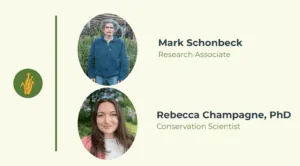
Mark Schonbeck, OFRF Research Associate, led the webinars with support from Rebecca Champagne, OFRF’s Conservation Scientist. The first webinar, held on January 16, covered the first half of Technical Note 12 including topics such as soil health, climate, and nutrients. The second webinar, held on February 5, covered the second half of the Technical Note including topics like organic integrated pest management (IPM), livestock, pastures, and buffers. The webinars concluded with Question & Answer sessions so participants could ask follow up questions and get clarification on the topics discussed. During these webinars we fielded questions relating to OMRI-approved materials, composting, shallow disturbance cultivation tools for weed management, and in-row drip irrigation challenges.

Interested in viewing these webinars? Recordings are available online through Conservation Webinars.

Technical Notes such as this one are meant to give detailed information for the conservation planning and implementation of a specific subject. Technical Note 12 provides this information as it relates to organic production and how conservation practices can meet national organic standards while addressing resource concerns related to soil, water, plants, animals, and air. NRCS staff can use this resource when working with organic and transitioning-to-organic farmers to propose appropriate conservation practices for an operation as they relate to organic requirements. Learn more about Technical Note 12 here!

OFRF will be hosting three webinars each year over the next four years, covering various topics related to organic farming. Webinar participants also have the chance to test what they learn and earn Certified Crop Advisor Continuing Education Units (CEU) credits by answering quiz questions at the end of each webinar. By identifying and summarizing the latest peer-reviewed research and highlighting real-world farm examples, we aim to help NRCS staff and Technical Service Providers better understand organic production requirements, challenges, and what successful conservation practice implementation can look like.

To learn more about our Cooperative Agreement with NRCS, contact Rebecca Champagne at rebecca@ofrf.org. 

To stay up-to-date with the latest organic farming news, research updates, and opportunities for advocacy, sign-up to receive the OFRF newsletter at https://ofrf.org/get-involved/receive-news/

Go to Top