
Gordon’s Policy Corner
Gordon Merrick is OFRF’s Policy & Programs Manager. Here he shares periodic updates on what’s happening at the intersection of organic agriculture and policy.
Why Capacity Funding is Foundational for Organic Agricultural Research
A huge source of public agriculture research funding comes from capacity funding. Learn how these programs impact organic research, the broad agriculture research landscape, and what would happen if they were cut.
The Senate Farm Bill Fails in Committee: What Happened and What Now?
The August 6 markup of the Farm Bill failed in the Senate. What are we left with and where do we go from here? Here is a debrief about why the markup failed and why this might be a blessing in disguise.
Farm Bill Victories, Coalition Building, and Fighting USDA Restructuring
The Senate Farm Bill is taking shape and USDA restructuring is moving forward. Here's what OFRF has been doing on both fronts — and how you can make your voice heard.

Post House Agriculture Committee Markup: How OFRF is Viewing Organic Research Priorities in the Farm Bill
Congressional authorization for the Organic Transitions Program (ORG) was included in the House Agriculture Committee’s Farm Bill markup on March 4, 2026, which could present an opportunity for Senate Agriculture Committee members to take a meaningful step in right-sizing federal funding for organic agriculture research this year.

Policy Developments in 2025 and How They Are Affecting Small Farms
Despite messaging around reinvigorated support for small farms, policy choices over the last year have revealed a widespread decline in resources for small farmers. Learn about the program cuts and how they are impacting farmers across the country.

Doing the Unglamorous, Essential Work to Help Organic Agriculture Thrive
As Gordon prepares to step away from his role at OFRF, he reflects on the lessons learned in four years working in organic agriculture policy and how it has shaped the way he thinks about food, farming, and creating policy that serves the people who are integral to our food system.
New Year, Same Farm Bill… Again.
As we turn the calendar to a new year, we are still operating under an extended version of the 2018 Farm Bill. In this month’s Policy Corner, Gordon provides a quick reset on where things stand, what key players are signaling, and how OFRF is approaching organic agriculture policy advocacy for the year ahead to ensure organic agriculture is fully recognized as a research-driven, conservation-forward, and economically significant part of U.S. agriculture.

Something to be Grateful For: Northeastern State Secretaries of Agriculture Send Letter to Secretary Rollins about OREI
On November 20th, the state secretaries of agriculture from Connecticut, Delaware, and New Jersey joined Pennsylvania Secretary Redding to submit a letter to the U.S. Secretary of Agriculture, Brooke Rollins, requesting unreleased FY2025 funding for the Organic Agriculture Research Extension Initiative (OREI) be included on top of new fiscal year funds for the program in FY2026.

How OFRF is Building Bipartisan Support for Organic Research Programs in Congress
At a moment when the organic sector is the fastest growing segment of U.S. agriculture, the need for its fair share of research investments has never been clearer. That's why we are working hard to build bipartispan support for the Organic Science and Research Investment (OSRI) Act. Discover how the OSRI Act will support all producers.
The Organic Science and Research Investment Act: What It Is and How It Benefits All Farmers
Developed with OFRF’s leadership, the bipartisan Organic Science and Research Investment (OSRI) Act—introduced by Reps. Mike Lawler (R-NY-17) and Eugene Vindman (D-VA-07)—expands USDA funding for organic research that benefits all farmers and strengthens the future of American agriculture.

The Government Shutdown: What it Means for Organic Farming and Research
In the midst of a government shutdown, with no clear end in sight, organic farming and research is taking a hit. A complete freeze in all federal work directly affects the nation’s programming at USDA, especially for organic producers and the agricultural research they depend on. This month’s Policy Corner breaks it down.
A Trio of Comments: OFRF Chimes in on USDA Actions
At OFRF, we know that strong, transparent, and farmer-informed federal agencies are essential for the success of all U.S. agriculture, but especially organic agriculture. This month, we acted on that knowledge when we submitted three different comments on USDA actions.
Farm Bill, Appropriations, and the Clock Ticking Toward September 30
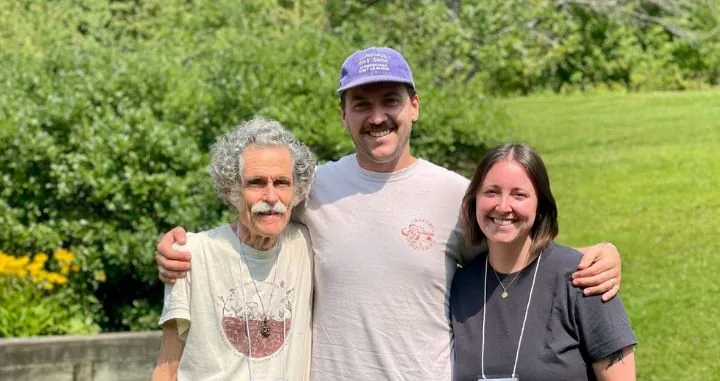
This month’s Gordon’s Policy Corner comes from Vermont, where OFRF joined the National Sustainable Agriculture Coalition’s Summer Meeting. From Farm Bill and appropriations deadlines to shifts in how Congress and the Administration work together, we break down what’s at stake for farmers, researchers, and advocates. Now is the time to connect with your representatives and USDA officials to ensure your voice is heard.
What’s Going On? A Brief Update on What’s Happening in DC
With endless stops and starts, shifting deadlines, and overlapping processes, it can be hard to track what actually matters in the federal policy spheres. At OFRF, we want to keep our community grounded in the real implications for organic research and the systems that support and benefit from it. This month’s Policy Corner provides brief updates on some of the processes we are engaged in, and how you can help support that work.

Keeping it Real: How OFRF Groundtruths Our Policy Priorities, and Why That Matters
In today’s political environment, defined by complexity, shifting political winds, and consistently competing interests, clarity and consistency matter more than ever. That’s why it is all the more important that OFRF stays grounded by always adhering to one simple principle: our work must be rooted in the real needs of the organic farming and research community.

Spring Storms in Policymaking: How Organic Research is Affected by Reconciliation
Reconciliation is a fast-track budget process that allows Congress to adjust spending, revenue, and debt limits. For advocates of organic farming and publicly-funded agricultural research, reconciliation can have profound implications on the future of important programs. Learn what’s happening right now, and what’s at stake for organic agriculture.
Why the Trade War Increases the Need for More Organic Farming Research
OFRF’s new Policy Fellow addresses the elephant in the room–tariffs. How will new tariffs impact organic agriculture and farmers' livelihoods? What does research have to do with it? And what can we do about it? Read more.

Action Alert! Tell Congress: Don’t Fail Our Farmers
The USDA funding freeze is leaving farmers in limbo. Learn how you can take action right now to help protect farmers from the damaging effects of the federal funding freeze and government layoffs.
The Consequences of Mass Firings Across the USDA
A massive wave of federal firings has terminated employment for critical agricultural departments. Learn more about the dire impacts of these cuts, the short and long term consequences on agronomic and economic research, why it matters, and how you can take action at this critical time.

Unlocking the Full Potential of Organic Agriculture: OFRF’s Policy Priorities for the Future
At OFRF, we believe that strategic, science-based policies can unlock the full potential of organic farming. Our new Policy Priorities align research investments with market opportunities, enhance technical and financial assistance for organic farmers and farmworkers, and strengthen the incentive structures that reward sustainable stewardship of our natural, social, and economic resources.

Looking Back, Planning Ahead: The Farm Bill, Government Funding, and Political Gridlock
As we move into 2025 we’re taking a look back at what happened with agricultural policy in 2024, and what it means for the year ahead. Discover what the legislative calendar has in store, what government funding caps means for organic farmers, and what you can do to insure that organic farming, research, and education is recognized and supported in Washington.

Agricultural Runoff: Organic Practices as a Method for Marine Conservation
This month, our Policy & Programs intern takes a deep dive into the intersection of agriculture and marine health, highlighting how agricultural runoff impacts our oceans and estuaries. As a Religious Studies major and Oceanography minor, Jazea's unique perspective bridges land and sea, offering insights into the consequences of conventional farming practices on marine ecosystems, and the solutions that organic systems offer.
A Landscape Shift: Opportunities and Challenges for Organic Agriculture Under a Trump Administration
What do this year’s election results mean for the Organic Farming Research Foundation and organic agriculture at large? With a Trump presidency and a solid, multi-seat Republican majority in the Senate, the USDA will likely be shaped and directed in line with the new administration’s vision.
First Frost and Federal Deadlines
Discover why the Farm Bill and federal appropriations processes are crucial for organic agriculture and climate resilience. Learn how pending deadlines could impact funding for vital agricultural research and conservation programs. Join us in advocating for increased investment in organic practices that benefit farmers, researchers, and communities alike.