Monthly Archives: September 2019

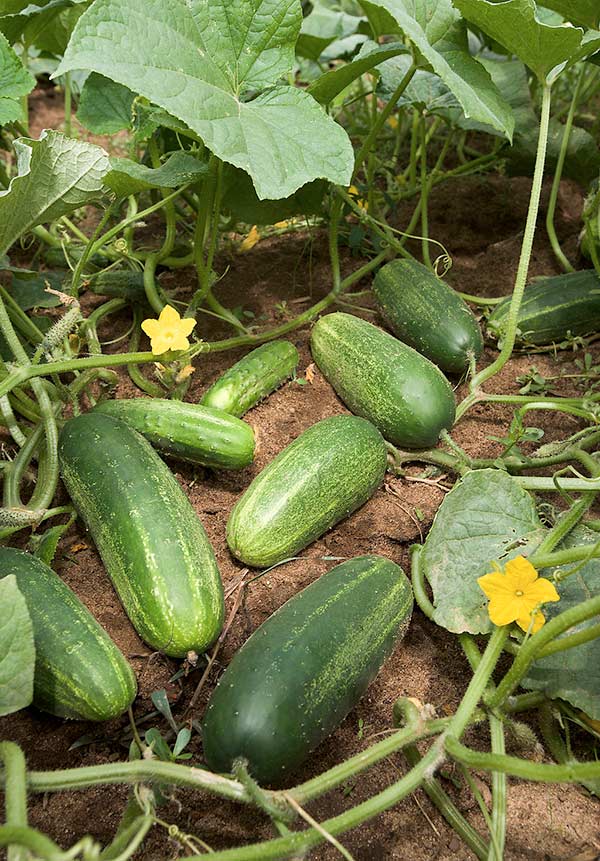
Development and Assessment of Bacterial Wilt and Downy Mildew Resistant Cucumber Seedstocks – Year Two

Development and Assessment of Bacterial Wilt and Downy Mildew Resistant Cucumber Seedstocks – Year Two

Edmund Frost, Farmer, Common Wealth Seed Growers LLC, Louisa, Virginia

Downy mildew (DM) is a central limiting factor for cucumber production in the eastern U.S, especially for midseason and late season crops. Frost will continue his assessment of DM resistant cucumber seedstocks, with increased focus on evaluating and advancing high-performing lines selected in 2018. Trials will take place at University of Massachusetts, North Carolina A&T University, University of Mount Olive, and four farms around the Southeast U.S. Trials will evaluate yields in high-DM conditions, rate the impact of DM on foliage, and provide feedback on fruit quality and marketability. Frost will conduct a BW-focused trial in early-planted, low-DM conditions on his own farm, as well as a late-season breeding trial of his selected slicing and pickling cucumber lines.

Impact: New cucumber varieties that are easier to grow, offer a longer harvest window, yield better under disease pressure, and help assure conventional farmers considering organic certification that transition is workable.

By |2022-12-01T20:21:50-05:00September 30th, 2019|Grant Award|

Plant-based Nutrient Management for Socially Disadvantaged Farmers

Plant-based Nutrient Management for Socially Disadvantaged Farmers

Aysha Peterson, Ph.D. Student, University of California, Santa Cruz

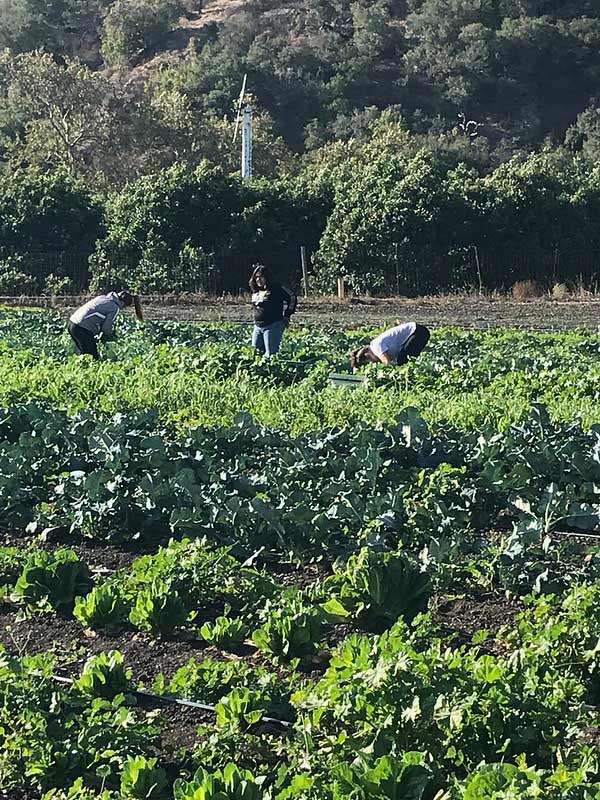
This research aims to promote successful utilization of best organic nutrient management practices by employing qualitative social science research. The researchers will examine barriers to implementation of plant-based nutrient management strategies among organic, socially disadvantaged farmers in California’s Salinas Valley. Findings will directly inform educational programming via ALBA’s Farmer Education Course and will be incorporated into economic and infrastructural assistance available through ALBA’s Organic Farm Incubator. Empirically based conclusions will provide for comparative analysis with other agricultural regions of the U.S.

Impact: Widespread improvement of organic farmer assistance services among socially disadvantaged organic farmers.

By |2025-04-11T16:51:02-04:00September 30th, 2019|Grant Award|

Assessment of Nitrogen Flows on Diversified Organic Farms: A Road Toward Enhancing Soil Health from the Ground Up

Assessment of Nitrogen Flows on Diversified Organic Farms: A Road Toward Enhancing Soil Health from the Ground Up

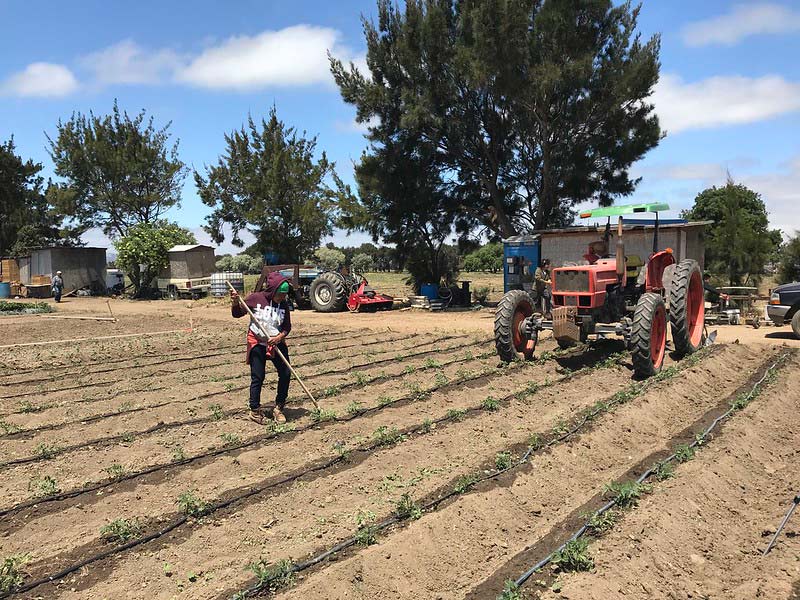
Photo of farmer tending the soil

Timothy Bowles, Assistant Professor of Agroecology, UC Berkeley

Soil health is a central part of organic farm management. This project seeks to determine how diversification practices such as crop rotations and cover crops that build soil health influence nitrogen availability from soil organic matter. This is particularly important to consider when determining the timing and choice of organic fertilizer application on diversified organic farms. The goal of this project is to provide farmers in Yolo County, California—an area with a high concentration of diversified farms—with both technical support and a community of practice that allows for more informed decision-making about nutrient management.

Impact: More precise information for making informed decisions about fertilizer application, ultimately reducing added costs and environmental impacts associated with nutrient losses from organic fertilizers.


By |2025-04-11T16:51:17-04:00September 30th, 2019|Grant Award|

Evaluating Benefits of Winter Annual Cover Crop Systems for Organic Sweet Potato in North Carolina

Evaluating Benefits of Winter Annual Cover Crop Systems for Organic Sweet Potato in North Carolina

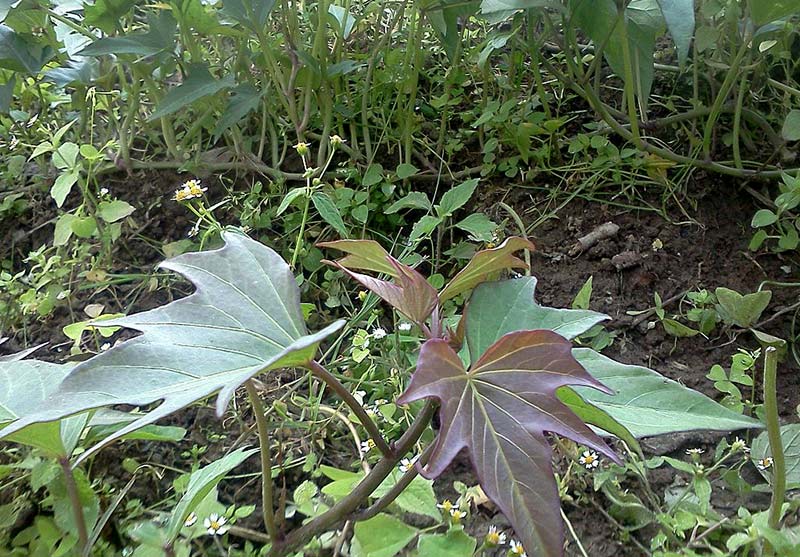
Photo of sweet potato plant

Alex Woodley, Assistant Professor, North Carolina State University

Despite a steady demand for organic sweet potatoes in North Carolina, marketable yield often does not reach the yield potential for this region due to challenges in weed, insect, and soil fertility management. Weed proliferation and soil borne pests such as wireworm have been identified as two areas of concern. Using a roller-crimper modified to work on raised beds, this research will assess the viability of winter cover crops seeded onto autumn formed beds and terminated in the spring as effective tools for weed control. The researchers will also determine if there is a trade-off of including cover crops in rotation by potentially providing improved overwintering conditions for wireworms, and if this translates into increased root damage and marketable yield losses. Lastly, by embedding increasing rates of organic nitrogen fertilizer in each cover crop treatment, they will determine if this management practice requires modification to nutrient recommendations.

Impact: Innovative weed, insect, and soil fertility management options to help increase organic sweet potato yields.

See full grant in OFRF’s Organic Research Hub

By |2025-04-11T16:51:35-04:00September 30th, 2019|Grant Award|

OFRF Planted the Seed and a Research Network Grew

Nothing says summer like fresh picked sweet corn. That’s why organic farmers consider it crucial for attracting customers to their market stands and CSAs. However, farmers growing sweet corn in cool climates face unique challenges. They need varieties with superior cold germination, disease and pest resistance, early vigor to out-compete weeds, and of course, flavor.

When Martin Diffley couldn’t find an organic sweet corn variety that would tolerate his Minnesota farm’s cool soils, he contacted Dr. Bill Tracy in the Department of Agronomy at the University of Wisconsin for help. The university was working on sweet corn breeding and the meeting with Diffley led to a grant proposal to OFRF requesting funding to conduct trials on Diffley’s farm. In 2008, OFRF awarded Tracy and his team a $14,795 grant for a participatory plant breeding project to improve sweet corn for organic farmers in cool climates. This initial grant led to several additional research projects with significant impacts in the world of organic seed breeding and an important research network that continues today.

The effect of OFRF’s grant program is like one kernel of corn. A single seed grows into multiple cobs and from there it grows organically and exponentially. From one seed arises the potential for so much sustenance.

Tracy worked with three organic farmers to evaluate a methodology for participatory plant breeding to improve farmer skills and involvement in on-farm breeding. The farmers who partnered with Tracy gained the skills to initiate and manage on-farm breeding projects themselves and have been sharing this knowledge with other growers through organic breeding workshops.

OFRF grants to researchers at the Organic Seed Alliance in Port Townsend, Washington in 2010 (Micaela Colley, $15,000) and 2011 (Jared Zystro, $12,000) funded the development of a toolkit to help farmers and researchers succeed in participatory organic plant breeding projects. Tracy and Diffley collaborated on both projects. Jim Myers at Oregon State University also collaborated on the research. The toolkit they developed is available at seedalliance.org.

OFRF grants paved the way for a new open-pollinated sweet corn variety called, “Who Gets Kissed?” that arrived on the market in 2014. This best-seller yields well, tolerates cool soils, resists common rust and corn smut, and is absolutely delicious. Because it’s an open-pollinated variety, growers can save and select seed from their “Who Gets Kissed?” harvests to adapt the variety to their own conditions and market needs.

The new variety is just one of the positive outcomes of the work that grew from OFRF’s initial grant.

Funding innovative work at the early stages becomes enhanced and very impactful when researchers are able to continue to work at a larger scale. Outcomes from the OFRF-funded projects helped leverage $2.3M in funding from USDA’s Organic Agriculture Research and Extension Initiative (OREI) to establish the Northern Vegetable Improvement Collaborative (NOVIC). The research collaborators include Dr. Bill Tracy and Dr. Erin Silva from the University of Wisconsin; Dr. Jim Myers and Lane Selman from Oregon State University; Laurie McKenzie, Micaela Colley, and Jared Zystro from Organic Seed Alliance, and Dr. Michael Mazourek from Cornell University. These researchers engage farmers around four hubs (OR, WA, WI, and NY) in breeding and trialing of a variety of vegetables. Results include a new multiple-disease-resistant tomato “Iron Lady,” several other vegetable varieties, increased markets for varieties that performed well in on-farm trials, as well as many advanced breeding lines with improved tolerance to temperature extremes and other desired traits.

NOVIC Impacts
2 New commercial organic varieties released
8 Crops being developed for organic agriculture
8 Graduate students trained in NOVIC who now work in the organic seed industry
19 States reached with in-depth trainings
40 States where new NOVIC organic varieties have been sold
80 NOVIC events and presentations

With another OREI grant of $2M, NOVIC II continues working to improve the profitability of organic farmers and the quality of organic produce for consumers.

Public funding such as OREI—and private funding from organizations like OFRF—are critical to training the next generation of scientists and developing new talent.

The future success of organic agriculture depends on breeders, who will work to develop new varieties for organic and low-external-input systems. Unfortunately, according to Rural Advancement International, public plant breeding programs have been reduced by a third in recent years. Three private firms now control more than half of the global seed market, up from 22 percent in 1996. This is troublesome as the private sector will focus mainly on researching and developing major commodity crops such as corn and soybeans, while ignoring more diversified crops such as fruits and vegetables.

Dr. Tracy and his colleague Dr. Erin Silva, an Organic and Sustainable Cropping Systems Specialist, recently spoke at a Congressional briefing in Washington, DC about the impact public investment in organic research is having on both organic and conventional farmers. Dr. Silva received a $20,000 grant from OFRF in 2016 to research how symbiotic microbes increase plants’ access to vital nutrients. Tracy and Silva join OFRF and other organic stakeholders in supporting the bipartisan Organic Agriculture Research Act, which would raise funding for OREI in the next Farm Bill from $20 million to $50 million annually.

For nearly three decades, OFRF has been at the forefront of the organic movement. Through our advocacy work we’ve helped shape policies and develop programs that support organic farmers. In 2017, OFRF awarded Tracy and his research team a grant of $3,588 to survey sweet corn growers in the U.S. about their strategies for managing corn earworm. The data will be shared in an extension publication and inform longer-term efforts of developing earwormresistant sweet corn cultivars for organic farmers. OFRF has invested $3.2 million in 337 grants. All of our research results and educational materials are available at ofrf.org
By |2020-01-08T18:12:49-05:00September 27th, 2019|Case Study|

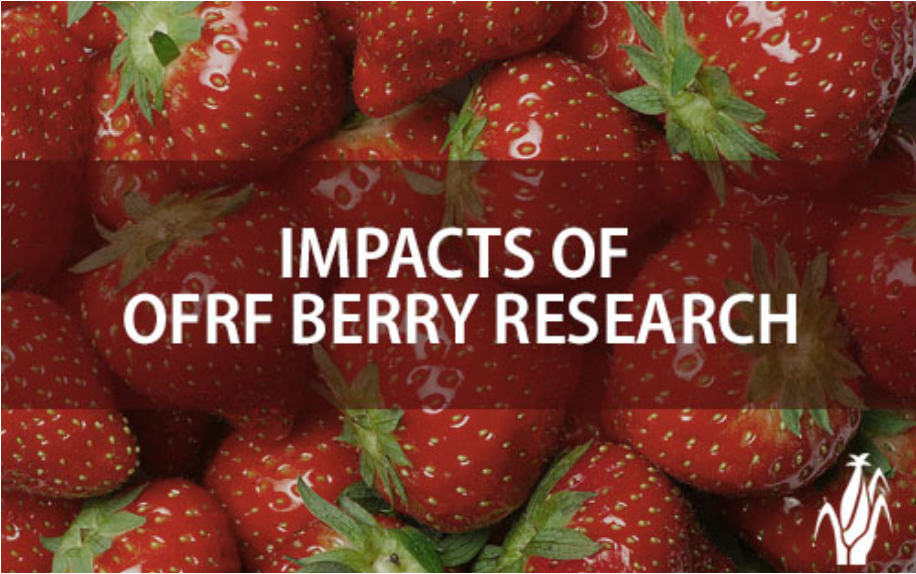
Impacts of OFRF Berry Research

This report offers a detailed review and impact assessment of OFRF-funded research on organic
berry production, with a focus on strawberries. These research projects address the most pressing
issues in the industry and this evaluation clearly indicates that OFRF investments have resulted
in important advances in organic berry production knowledge and practices, especially in
California. Overall, OFRF grant funding has advanced scientific knowledge and improved the
practices, ecological sustainability, and economic prosperity of organic berry farming. This
report recommends continued research support for organic insect, disease, and weed
management research efforts in berry production.

By |2026-03-02T11:42:18-05:00September 25th, 2019|Advocacy, Insects & Diseases, On-Farm Research, Resource|

2016 National Organic Research Agenda (NORA)

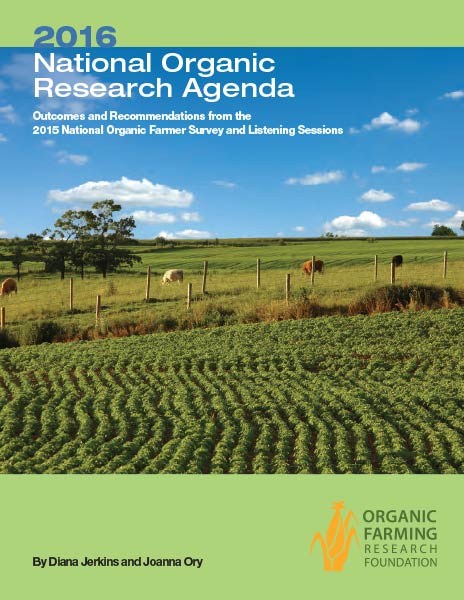
This 2016 National Organic Research Agenda (NORA) report provides comprehensive recommendations for future investment in organic agricultural research. These recommendations are based on the Organic Farming Research Foundation’s 2015 survey of organic farmers, nationwide listening sessions with organic farmers, and a review of key documents and recommendations from other organizations, including the National Organic Standards Board (NOSB). The 2015 Organic Farmer Survey was conducted online and completed by over 1,000 organic farmers. Their responses directly inform our top recommendations for organic research.

Photo of cover of the National Organic Research Agenda 2016 report
By |2026-03-02T11:43:17-05:00September 24th, 2019|Advocacy, On-Farm Research, Uncategorized|

Stakeholders Meet to Talk Organic Policy Stakeholders Meet to Talk Organic Policy

By Haley Baron, Education and Research Program Associate

September 24, 2019 – On September 18th and 19th, I had the privilege of joining CCOF staff and 13 other stakeholders at Paicines Ranch in Paicines, CA to discuss policy recommendations that will help build an organic California. Through facilitated discussion over the two days, we shared our perspectives on CCOF’s proposed policy initiatives and learned about one another across sectors. Our group was made up of farmers, social justice advocates, academics, legislators, agency staff, and leaders of membership organizations. The goal of the gathering was for CCOF to hear our opinions, experiences, and priorities before moving forward with future policy initiatives.

The event began on Wednesday afternoon with a farm tour of the majestic Paicines Ranch by Sallie Calhoun, owner of Paicines Ranch. We walked the grounds and learned about the innovative ways they are farming and ranching. Their mission is to find creative techniques to build healthy soils through certified organic rangeland, row crops, and vineyards. After the tour, we came together for a beautiful outdoor dinner to get to know one another before starting our big day of discussions.

On the second day, we were ready to get to work. The policies we discussed looked at how to solve a number of pressing issues that California faces—pesticide usage near schools, land preservation, beginner organic farmer support, organic research and training funding, and much more. Despite our diverse and sometimes conflicting perspectives, we came together as a group to find common ground and think through our differences.
It was an inspiring two days of sharing in a community that rarely has the opportunity to meet. Thank you to CCOF for putting in the time and effort to create space to truly hear the opinions of others. Our gathering proved that the more you work with those around you, the more likely the success of positive policy change.

By |2020-01-08T18:13:18-05:00September 24th, 2019|News|

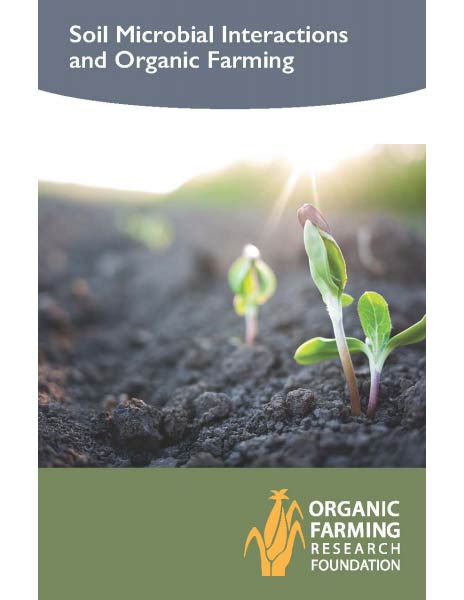
Soil Microbial Interactions in Organic Farming

This guide explores how diverse soil microorganisms—bacteria, fungi, protozoa, and microfauna—drive nutrient cycling, plant health, and ecosystem balance in organic farming systems. It covers microbial roles in plant nutrition, bioremediation of contaminated soils, and biological control of weeds and diseases. Readers will gain science-based insights into practices that build organic matter, support beneficial microbes, and strengthen soil resilience over time.

Photo of Soil Microbial Interactions & Organic Farming report cover
By |2026-03-02T11:45:29-05:00September 24th, 2019|Resource, Soil Health|
Go to Top