
Looking Local: Opportunities for Organic in State-Level Policy
By Katelyn Hemmer, OFRF’s Summer 2026 Policy Intern
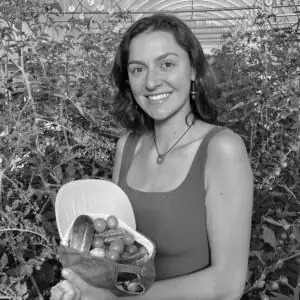
Katelyn Hemmer, OFRF Policy Intern.
For decades, the Farm Bill has been a consistent, bipartisan, omnibus piece of legislation passed every five years. However, as polarization becomes more and more entrenched in the federal government, the Farm Bill has become harder and harder to pass. The last Farm Bill passed in 2018, but despite a full negotiation process in 2023 under Senate Agriculture Committee Chairwoman Debbie Stabenow, Congress has failed to pass a Farm Bill since then. Since 2023, we have seen Congress pass yearly extensions of the 2018 Farm Bill, but fail to make meaningful updates to meet the moment for farmers across the country. The Farm Bill currently under consideration reflects a complete breakdown of the traditional bipartisan negotiation process, especially given both sides’ refusal to budge on the SNAP cuts passed as part of H.R. 1 in 2025. With farm issues in limbo at the federal level, OFRF and other organizations are looking again for opportunities to advance progress at the state and local levels.
In an industry as place-based as agriculture, states can tailor policy and programs to fit specific climate needs, sectors, and communities. For example, Hawaii’s Farm to School program allows flexibility in school lunch menu requirements, enabling schools to serve more locally grown, culturally relevant produce. In Maryland, producers must follow strict nutrient management protocols to protect the Chesapeake Bay from pollution. California has become a powerhouse of agricultural research following a 2001 law that directs the University of California to direct resources toward sustainable agriculture adoption and research. Some states have even begun passing their own “Farm Bill” to address agriculture and nutrition issues at once.
Due to the strength of the National Organic Program (NOP), states have largely spent their legislative power developing other areas of the food and agriculture system. USDA Organic has become a trusted food label and has driven rapid growth in the organic food and products market. State policy often focuses on promoting state-grown food, especially through farm-to-school and other institutional purchasing programs. While these programs don’t specifically promote organic, they are a crucial support for organic farms, especially small-scale specialty crop operations.
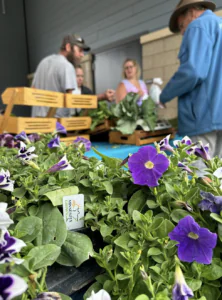 Source: Minnesota Grown
The Minnesota Grown label at a local farmers’ market.
Across the country, labels like Jersey Fresh, Louisiana Grown, and Minnesota Grown have been developed to promote local food and agricultural products. Building on the state-grown label, states can create programs that further support the local food system. In New Mexico, Governor Michelle Lujan Grisham’s administration spearheaded an initiative addressing a number of food and nutrition issues in 2023, which included the creation of New Mexico Grown. New Mexico Grown works with local farmers, ranchers, and food businesses to connect them to preschools, K-12 schools, senior centers, and food banks. The program was specifically designed to support small-scale farmers and rural nutrition, with 67% of producers farming 10 or fewer acres and 85% of buyers reporting the program improved meal quality and food security. Many other states also have farm-to-school programs that provide grants going toward the purchase of local produce (like Pennsylvania, Alabama, and Iowa). Some states have also created programs in the last year that attempt to make up for the loss of the federal Local Food Purchase Assistance Cooperative Agreement Program (LFPA). In Maryland, the Maryland Food and Agricultural Resiliency Mechanism Grant Program (MFARM) allows Maryland’s food banks, charitable emergency food providers, and nonprofits to purchase agricultural products listed in the state’s Certified Local Farm and Fish Program.
These programs and others like them support a network of small-scale farmers and strengthen the local food network. While these state programs do not set aside specific funding for organic farmers, they create market opportunities that allow organic farmers to stay in business. Evidence suggests that small farms are more likely to adopt organic practices. Regardless of discourse surrounding the efficiency of small and large farms, small farms have much more flexibility to experiment with different farming systems and sustainable methods. Though they may have smaller harvests, small-scale farms are often more connected to the community, more responsive to public opinion and cultural shifts, and catalysts for larger changes in the agricultural industry. To support the transition to a healthier food system, state and federal policies should support not only existing organic producers, but also small and large farms that are likely to become certified or consider transitioning.
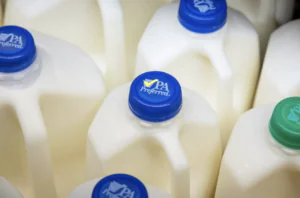 Source: PA Preferred
The PA preferred logo.
Some states are beginning to create programs that specifically support organic agriculture. Pennsylvania is the first and only state to create a label for Pennsylvania-grown, USDA Organic produce. The Pennsylvania Preferred Organic label builds on the state-grown Pennsylvania Preferred label. This policy initiative grew out of the Pennsylvania Center for Organic Excellence, which also offers free consultation to farmers considering a transition to organic. Their work focuses on breaking down silos and connecting producers with resources, especially technical assistance providers. As much as the organic label has boosted marketing, it can force producers into a box. Sometimes, organic farmers don’t realize they can participate in programs not specifically targeted to organic. This barrier is exacerbated by the fact that many grant approval committees have less experience with organic systems than with conventional ones. In collaboration with the Center for Organic Excellence, Pennsylvania’s Agricultural Business Development Center is attempting to address this through offering business planning support, including helping farmers find grants they are eligible for.
Another example of state policy supporting organic is California’s Farm to Community Food Hub. The program was created in 2021 with the express intent to “increase purchasing of local, environmentally sustainable, climate-smart, and equitably produced food by schools and other institutions, build a better food system economy, support the local farming economy, accelerate climate adaptation and resilience, and employ food system workers with fair wages and working conditions.” The same legislation defines sustainable practices as “including, but not limited to, organic methods, biological control, and integrated pest management, and ecologically beneficial means of soil improvement, irrigation, cultivation, harvesting, transportation, and marketing for California agriculture based on methods, as identified by the department.” This specifically incentivizes transition to sustainable agriculture systems, including organic, by opening a new, reliable market avenue for producers.
Programs like these are concentrated in states that pride themselves on a vibrant local agriculture network and prioritize sustainability concerns. The amount of focus and type of programs that states have regarding agriculture varies greatly. States in the Southeast generally have fewer state-level programs promoting organic or local agriculture, while regions like New England and the Pacific Northwest have implemented innovative agriculture policies and programs. State advocacy and sustainable agriculture organizations in regions with fewer agriculture policies in place face a harder road in implementing new programs. However, they benefit from other states’ trial and error. While it may be harder to convince conservative state legislatures of the positive impact of government-funded grant programs and other support for organic farming, reports from successful programs across the country can help make that case.
As Congress drags its feet on passing a federal Farm Bill, states have an opportunity to pick up the slack. States with similar agricultural landscapes and industries can look at what their neighbors are doing almost as a pilot program. If policies or programs have succeeded, they can build on existing policy language from other states instead of reinventing the wheel. The Center for Agriculture and Food Systems at Vermont Law and Graduate School has begun this work by cataloging more than 1,400 state and municipal policies. OFRF is working to foster communication among state-level agriculture and policy organizations and state departments of agriculture. It’s easy to get caught up in what Congress is doing, but improving the farm economy and working toward a more sustainable food system requires innovative legislation at every level of government.
Does your state have programs or policies that support organic agriculture? OFRF would love to hear about them. Vinnie Trometter, OFRF’s policy manager, is mapping what states across the country are doing to improve their local organic agricultural economies. You can get in touch with Vinnie at vinnie@ofrf.org.


 Feedback from Congress shows that support for increasing organic research funding is growing. Ten Senators