
Latest OFRF News
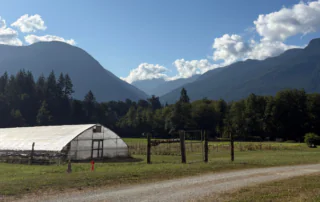
Growing Perennials in the Pacific Northwest: Rodale Institute’s Summer Field Day
Rodale's Pacific Northwest center in Skagit Valley, Washington, showcases the benefits of organic agriculture through research and farmer education. OFRF attended their recent Field Day to tour their perennial plantings.
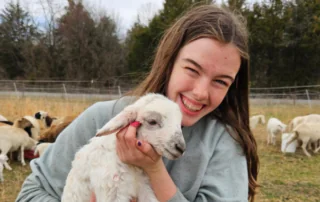
Farmer-Led Trials Program Spotlight: Chestnut Acres Farm
Chestnut Acres Farm is a family operation in Kelso, Tennessee, specializing in seasonal produce, pastured lamb, and free-range eggs. Farmer Madeline Lucas and her parents are participating in OFRF's Farmer-Led Trial Program to study the effectiveness of using a botanical, organic drench on parasite-load in sheep.
Why Capacity Funding is Foundational for Organic Agricultural Research
A huge source of public agriculture research funding comes from capacity funding. Learn how these programs impact organic research, the broad agriculture research landscape, and what would happen if they were cut.

The Senate Farm Bill Fails in Committee: What Happened and What Now?
The August 6 markup of the Farm Bill failed in the Senate. What are we left with and where do we go from here? Here is a debrief about why the markup failed and why this might be a blessing in disguise.
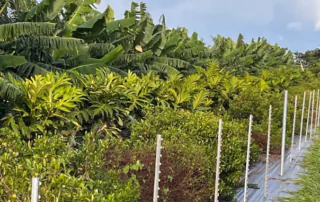
Two Oʻahu Farmers Share Wins & Challenges Accessing CSP Support
Read the stories of two organic farmers in O'ahu, Hawai'i, Maigee Chang of Farm of the Fearless Monkey and Timothy Clark of Sunshine Farm Foundation, sharing the wins and challenges of accessing support through the Conservation Stewardship Program (CSP).
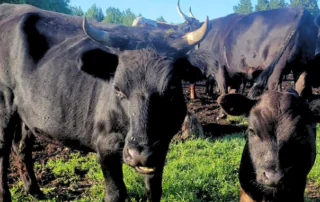
Farmer-Led Trials Program Spotlight: O’Meara Family Farm
O'Meara Family Farm raises a variety of livestock in New Sweden, Maine, prioritizing high quality organic forage for the health of their land and animals. Farmer John O'Meara is participating in OFRF's Farmer-Led Trial Program to study the effectiveness of interseeding sunn hemp to increase soil health and boost hay production.
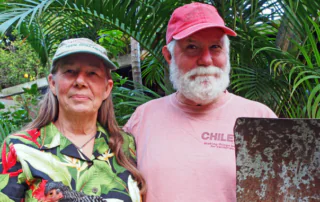
How One Kona Farm Made Federal Funding Work for Organic Agriculture
Makili Farm is a certified organic coffee and vanilla bean farm on Hawaiʻi Island, which also grows a variety of tropical fruits and vegetables. Farmer Kathy Vass shared the financial and knowledge-sharing benefits of her Conservation Stewardship Program contract for enhancing agroforestry and organic pest management on her farm.
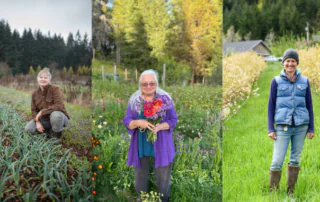
Think Like a Certifier, Lean on a Mentor: Support and Resources for the Organic Certification Journey
Three farmers with over 80 years of collective experience and expertise in organic farming and certification share the resources and support you need in your organic certification journey.
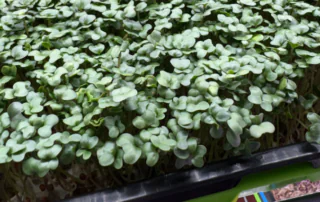
Farmer-Led Trials Program Spotlight: Sanders Funny Farm
Sanders Funny Farm grows a diverse lineup of certified organic microgreens in a greenhouse in Indianapolis, Indiana. Farmer Tiffany Sanders is participating in OFRF's Farmer-Led Trial Program to study which growing medium (jute mats or soil) is best for her microgreen varieties.
Financial Options for Your Farm: Farm Service Agency (FSA) Loans
From covering everyday operating costs to buying land, FSA loans offer flexible financing for farmers at every stage. Find out which loan is right for your operation.