
General News
Farmer-Led Trials Program Spotlight: O’Meara Family Farm
O'Meara Family Farm raises a variety of livestock in New Sweden, Maine, prioritizing high quality organic forage for the health of their land and animals. Farmer John O'Meara is participating in OFRF's Farmer-Led Trial Program to study the effectiveness of interseeding sunn hemp to increase soil health and boost hay production.
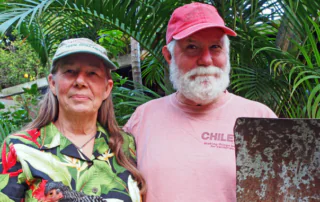
How One Kona Farm Made Federal Funding Work for Organic Agriculture
Makili Farm is a certified organic coffee and vanilla bean farm on Hawaiʻi Island, which also grows a variety of tropical fruits and vegetables. Farmer Kathy Vass shared the financial and knowledge-sharing benefits of her Conservation Stewardship Program contract for enhancing agroforestry and organic pest management on her farm.
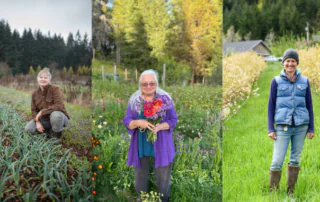
Think Like a Certifier, Lean on a Mentor: Support and Resources for the Organic Certification Journey
Three farmers with over 80 years of collective experience and expertise in organic farming and certification share the resources and support you need in your organic certification journey.
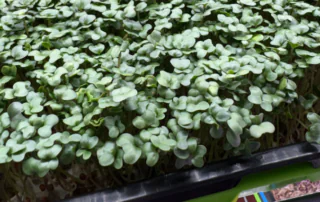
Farmer-Led Trials Program Spotlight: Sanders Funny Farm
Sanders Funny Farm grows a diverse lineup of certified organic microgreens in a greenhouse in Indianapolis, Indiana. Farmer Tiffany Sanders is participating in OFRF's Farmer-Led Trial Program to study which growing medium (jute mats or soil) is best for her microgreen varieties.
Financial Options for Your Farm: Farm Service Agency (FSA) Loans
From covering everyday operating costs to buying land, FSA loans offer flexible financing for farmers at every stage. Find out which loan is right for your operation.
Brands, Farm Groups, and Research Organizations Call for Organic Research Support in the Farm Bill
OFRF joined four major agricultural organizations to lead a letter to the Senate Agriculture Committee urging increased funding for the only two dedicated organic research programs under the USDA — as the organic market races toward $100 billion by 2030.
Farm Bill Victories, Coalition Building, and Fighting USDA Restructuring
The Senate Farm Bill is taking shape and USDA restructuring is moving forward. Here's what OFRF has been doing on both fronts — and how you can make your voice heard.
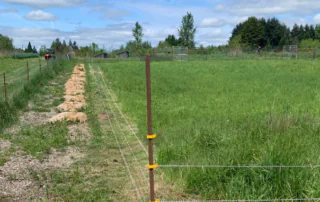 Source: April Joy Farm
Working with NRCS: April Joy Farm’s Story and Recommendations
April Joy Farm is a 24-acre certified-organic farm located in Ridgefield, Washington. This is a story of how a diversified organic crop and livestock farm is using NRCS programs to meet conservation goals – and what they’ve learned from this experience.
Farmer-Led Trials Program Spotlight: Perkins’ Good Earth Farm
Perkins' Good Earth Farm, a certified organic, diversified vegetable farm in De Motte, Indiana, utilizes no-till, permanent deep-compost beds. Farmer Dan Perkins is participating in OFRF's Farmer-Led Trial Program to study the connection between plant nutrition and pest pressure.
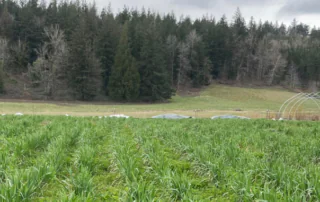
NRCS and Organic Producers: Organic Participation in Conservation Programs
The programs administered by the Natural Resources Conservation Service are great ways for farmers to boost conservation on their operations. However, data for EQIP and CSP from 2018-2025 show a clear lack of investment in organic producers.
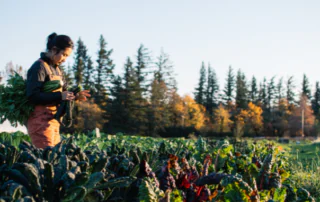 Source: Mora Mora Farm
Conservation at Work: Cover Cropping through CSP at Mora Mora Farm
Catherine Nguyen is the owner and operator of Mora Mora Farm, a one and a half acre diversified vegetable farm in Troutdale, Oregon. To reduce soil compaction on her farm, Catherine worked with NRCS to enhance her cover cropping strategy through the CSP program.
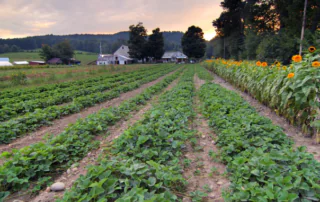
Congress Is Paying More Attention to Organic Research. Here’s Why It Matters.
By Vinnie Trometter, OFRF Policy Manager OFRF has been working hard to increase support for organic research on Capitol Hill. Every year, OFRF submits requests for organic research priorities as part of the annual Congressional appropriations process. Our actions ensure that OFRF is fighting for more organic research funding that can result in breakthrough innovations for organic farmers each year, even outside of the Farm Bill. Feedback from Congress shows that support for increasing organic research funding is growing. Ten Senators submitted an organic research support letter to the [...]
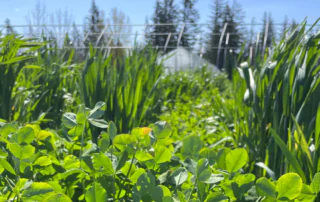
NRCS and Organic Producers: What EQIP, CSP, and the Regenerative Pilot Program Can Do for Your Farm
EQIP, CSP, and the new Regenerative Pilot Program, administered by the Natural Resources Conservation Service, are great options for producers interested in boosting conservation on their operations.
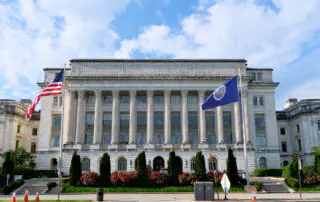
The Proposed USDA Restructuring Will Hurt Farmers, Not Bring the Agency Closer to Them
By Vinnie Trometter, OFRF Policy Manager Record-high input costs, low commodity and specialty crop prices, and lack of access to markets are placing massive economic pressures on farmers. In January of this year, over 300 farm groups sent a letter to Congressional leadership issuing a dire warning that the long-term viability of American agriculture is under threat unless conditions change. Since then, the situation has only gotten worse. The war in Iran has spiked fertilizer prices during the peak spring planting season, affecting the vast majority of farmers who [...]
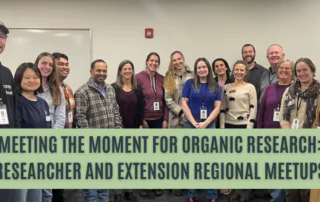
Meeting the Moment for Organic Research: A Novel Approach with Researcher and Extension Regional Meetups
OFRF is leading new Research and Extension Regional Meetups for organic research, extension, and specialists at organic conferences across the US.
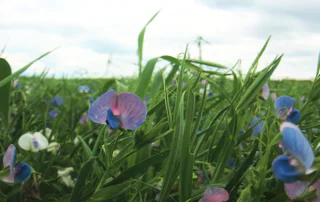
Earth Day Spotlight: Organic Farming as Stewardship
In honor of Earth Day, we’re spotlighting four organic farmers from across the country who prioritize the health of the planet through land stewardship and working in partnership with natural systems.
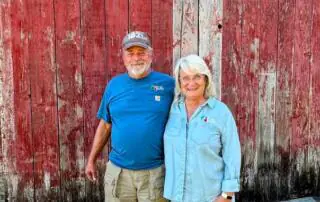 Source: North Star Organics
Working with NRCS: North Star Organics’ Story and Recommendations
North Star Organics, owned and operated by Cheryl and Alan Kobernik, is a 40-acre certified-organic cherry farm located in Frankfort, Michigan. This is the story of how their organic cherry farm is using NRCS programs to meet conservation goals - and what they’ve learned from this experience.
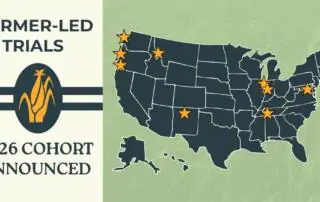
OFRF Announces 2026 Farmer-Led Research Trials Cohort
OFRF announces the 2026 Farmer-Led Research Trials Cohort. Nine organic farms across the country have been selected to receive technical support for next round of innovative on-farm research trials.
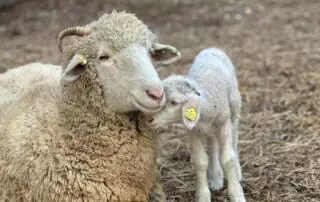 Source: Mesta Meadows
Farmer-Led Trials Program Spotlight: Mesta Meadows
Mesta Meadows, a family-owned ranch in the Ozark Highlands, prioritizes responsible land and animal stewardship. Farmer Ed Crowley is participating in OFRF's Farmer-Led Trial Program to experiment with using forage species as a natural deworming agent for their lambs.

Post House Agriculture Committee Markup: How OFRF is Viewing Organic Research Priorities in the Farm Bill
Congressional authorization for the Organic Transitions Program (ORG) was included in the House Agriculture Committee’s Farm Bill markup on March 4, 2026, which could present an opportunity for Senate Agriculture Committee members to take a meaningful step in right-sizing federal funding for organic agriculture research this year.