
News

OFRF Introduces Members of New Organic Stewardship Council

FOR IMMEDIATE RELEASE

Farmer-Led From the Start and for the Future

SANTA CRUZ, Calif.,  March 4, 2025 — The Organic Farming Research Foundation (OFRF) has selected the seven inaugural members of a new Organic Stewardship Council (OSC). Composed of farmers from different regions, agricultural backgrounds, and diverse farming communities, as well as representatives from farmer associations, these stewards bring together diverse voices to shape OFRF’s work and elevate the priorities of organic and transitioning farmers nationwide. The formation of this advisory council strengthens OFRF’s long-standing commitment to taking its lead from farmers.

“By formalizing this advisory body, we are creating an enduring structure that empowers farmers to guide and shape our work at every level. We are thrilled to bring together this council of experienced voices who understand the challenges and opportunities in organic farming,” said OFRF Executive Director Brise Tencer.

Following a competitive nomination and review process, and approval from OFRF’s Board of Directors, OFRF is pleased to introduce the new OSC members:

Albert Straus, Straus Family CreameryAlbert Straus, Straus Family Creamery (California)
Albert is the founder and executive chair of Straus Family Creamery, the first 100% certified organic creamery in the United States. He founded the Creamery in 1994, while his farm, the Straus Dairy Farm, became the first certified organic dairy west of the Mississippi River. He brings decades of leadership experience in sustainable organic farming practices.

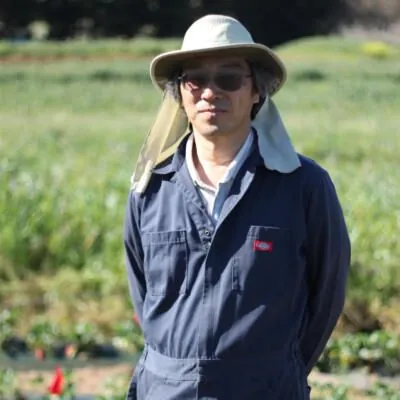
Anna Jones-Crabtree, Vilicus Farms (Montana)anna jones-crabtree, organic farmer at Vilicus Farms
Anna and her husband Doug own and manage Vilicus Farms, a first-generation, organic, 12,500-acre dryland crop farm in Northern Hill County, Montana, growing a diverse array of organic heirloom and specialty grain, pulse, oilseed, and broadleaf crops under five- and seven-year rotations. Anna holds a Ph.D. in Civil and Environmental Engineering with a minor in Sustainable Systems from Georgia Institute of Technology.

Brooke Gentile, Organic Association of Kentucky (Kentucky)Brooke Gentile, Organic Association of Kentucky
Brooke joined the Organic Association of Kentucky (OAK) in 2017 as the executive director and manages the KY Farm Share Coalition. Born and raised in Kentucky, she has worked with sustainable agriculture projects in New York City, Northern California, Indiana, and Kentucky. Brooke cares deeply about building a regional food system that supports our farmers, is regenerative for our lands, and is healthy and accessible for consumers.

John McKeon, Taylor Farms (California)John McKeon, Taylor Farms
John is the Director of Organic Integrity and Compliance at Taylor Farms Retail, overseeing organic compliance and regenerative organic practices. He has worked at Taylor Farms and Earthbound Farm for 15 years in organic field and facility food safety, international organic supply chain compliance, and organic agricultural operations. John also spent 10 years at CCOF, from an intern to certification director and then inspector. He studied horticulture, sustainable agriculture, and environmental studies at Cabrillo College and the University of California Santa Cruz.

Jordan Settlage, Settlage & Settlage Farms (Ohio)Jordan Settlage, Settlage & Settlage Farms, Ohio
Jordan is a dairy farmer with Organic Valley Cooperative, based in St. Marys, Ohio. Farming alongside his father, he manages 500 acres of certified organic land and cares for a herd of 300 cows. Though he didn’t grow up on a dairy farm, Jordan has been involved in dairy since childhood and became certified organic in 2016. With a strong emphasis on grazing, he is passionate about regenerative agriculture and is dedicated to improving the overall agricultural system.

Leonard Diggs, Pie Ranch (California)Leonard Diggs, Director of Operations and Farming at Pie Ranch
The Director of Operations and Farming Education at Pie Ranch in Central California, Leonard has managed sustainable and organic farms in northern California for over 30 years, including a 365-acre college farm with annual and perennial crops, a winery, livestock, and a mixed species forest. He has also instructed a wide range of agricultural classes and served on numerous agricultural boards and committees in an effort to share his experiences with current and future generations of gardeners and farmers.

Meg Moynihan, Derrydale Farm (Minnesota)Meg Moynihan, organic farmer Derrydale Farm
Meg is a certified organic dairy farmer in Le Sueur County, Minnesota, where she and her husband milk about 60 cows and direct market beef from Derrydale Farm. Born and raised in Milwaukee, Wisconsin, and Nashville, Tennessee, Meg earned her B.A. from Brown University and an M.S. in Agronomy from the University of Minnesota. Her experience includes leading the Minnesota Department of Agriculture’s Organic Program, directing a statewide sustainable agriculture program in Michigan, working as an educator and evaluator, participating in the National Association of State Organic Programs, and serving on the board of directors for the Organic Field School in Farmington, Minnesota. Meg also formerly served as president of OFRF’s Board of Directors.

The Council will offer invaluable feedback and recommendations to OFRF’s Board and staff across a range of areas, including:

  • Shaping OFRF’s programs by offering insight into educational resources, research priorities, and policy advocacy to ensure they align with the needs of organic and transitioning farmers.
  • Voicing farmer perspectives by elevating on-the-ground realities and challenges farmers face to guide OFRF’s strategic direction.
  • Evaluating the impact and providing feedback on the relevance and effectiveness of OFRF programs.
  • Addressing emerging agricultural issues, including the National Organic Research Agenda (NORA), feedback on OFRF’s new Organic Research Hub, and Farm Bill priorities.

With this Council, OFRF continues to lead with the voices of organic farmers and create innovative pathways to advance the adoption of organic farming systems that prioritize climate resilience, soil health, and sustainability.

For more information about OFRF and its initiatives, visit www.ofrf.org.

##

About the Organic Farming Research Foundation

The Organic Farming Research Foundation (OFRF), headquartered in Santa Cruz, California, with a remote team based across the U.S., works to foster the improvement and widespread adoption of organic farming systems. OFRF cultivates organic research, education, and federal policies that bring more farmers and acreage into organic production. For more information about OFRF, please visit our website: www.ofrf.org. 

Contact:
Ashley Dulaney, Communications Director, OFRF
ashley@ofrf.org 

By |2025-03-06T17:06:43-05:00March 4th, 2025|News, Press Release|

The Consequences of Mass Firings Across the USDA

A Blow to Agricultural Research and Rural Communities

Written by Gordon Merrick and OFRF staff

Editor’s note: Since the publication of this post, the USDA has announced plans to reinstate affected employees. However, the situation remains fluid, and the long-term impacts on agricultural research funding and capacity are still unfolding. OFRF remains committed to advocating for strong, stable investment in organic research to ensure farmers and researchers have the resources they need to innovate and thrive.

In a sweeping, indiscriminate move that has sent shockwaves through the agricultural community, the administration has dismissed thousands of federal employees with the stated goal of reducing government spending and increasing operational efficiency. While the full scope of these staff cuts is still emerging, recent communications requesting employees justify their continued employment have added to the uncertainty. What is already clear, however, is that the USDA has been acutely impacted, particularly within the agencies that form the backbone of our nation’s agricultural research and farmer technical and financial assistance programs.

The Role of USDA Research Agencies and the Impacts of These Firings

The agencies within the Research, Education, and Economics division of the USDA (USDA-REE) are the Agricultural Research Service (ARS), the National Institute of Food and Agriculture (NIFA), the Economic Research Service (ERS), and the National Agricultural Statistics Service (NASS). These agencies are cornerstones of our agricultural assistance systems, conducting and awarding grants for high-quality research that informs and improves our conservation, risk management, and market development programming in other USDA mission areas.

As these mass firings unfold, it remains difficult to assess the full extent of the cuts, with many agency personnel pages having been taken down. What’s already evident is that these mass firings will have far-reaching consequences—disrupting critical research, data collection, and economic analysis that farmers, the businesses they sell to, and policymakers rely on.

Capitol building, The United States Congress covered with snow in winter time and Capitol hill area covered with snow

The United States Congress covered with snow.

Among the agencies most directly affected by these cuts is ARS, which plays a crucial role in advancing agronomic research. ARS is the sole intramural research agency at the USDA, conducting long-term research that will undoubtedly face disruptions due to these firings. Reports indicate significant staffing reductions at ARS stations, with sources stating that 10-50% of the workforce at different stations has been dismissed, reportedly due to performance-related concerns. While the scope and rationale for these firings remain unclear, they have already disrupted critical research programs across the country.

It is still unclear how NIFA has been affected by these firings. NIFA doesn’t conduct its own research but rather operates competitive grant programs that fund research conducted by farmers themselves (SARE), land-grant institutions, and nonprofits across the country (OREI). As we’ve written about in the past weeks, the RFAs for these grant programs are still under review, and application portals, including for grants that were supposed to be open for applicants, are not currently available, impacting critical funding for universities and other institutions.

Focused more on understanding the past, present, and future status of agricultural markets and related information are the USDA’s NASS and ERS agencies. NASS works to collect and publish raw data about the agricultural system in the United States through their Census of Agriculture and supplemental surveys, like the Organic Survey. ERS provides crucial economic analyses on agriculture, food markets, and the environment. Their research has led to a better understanding of the economic impact of publicly-funded agricultural research: every $1 invested triggers $20 of economic activity, a massive return on investment (ROI). This fact highlights the point that cutting research dollars will negatively impact the agricultural economy.

Immediate Consequences

The abrupt firing of USDA scientists and their lab staff at ARS has thrown vital research projects into chaos. Initiatives aimed at critical topics like improving crop resilience, combating pests and diseases, and improving livestock production systems are now jeopardized, facing setbacks due to reduced research capacity. This is not isolated to any one region or station, derailing research projects that have been able to continue for decades, even through the COVID pandemic, due to the dedication of the civil servants that are now being cast aside.

These firings not only impact the research projects, though; they impact the local and often rural communities that host the research stations and the employees who work there. As mentioned above, the massive ROI of agricultural research will be drastically reduced. In one case, the research station in Salinas, California, has had four researchers and seven lab staff fired, reflecting hundreds of thousands of dollars that will no longer be circulating in that community, meaning that the industries that provide supplies and services to these staff will also be taking a significant hit.

Long-term Consequences

The long-term ramifications of these mass firings are profound. Aside from the economic impacts on the businesses directly involved with the research, this will impact the agricultural industry for decades to come. The United States risks falling even farther behind in meeting the growing demand for organic products as domestic production struggles to keep pace without the support of robust research programming. For example, if NIFA does not award funds through their competitive grant programs, this will lead to significant setbacks at land-grant universities across the nation, simultaneously affecting both the institutions that conduct the research while also hurting the farmers that rely on the research that these programs fund.

Most privately-funded research conducted is focused on generating patentable genetics and compatible products, not the public-welfare-oriented research that NIFA competitive grants fund and ARS conducts. Put simply, cutting federal research funding and personnel undermines the economic engine and weakens the resilience of the agricultural systems against climate change and supply chain disruptions.

Why This Matters

Agricultural research is the backbone of the technical and financial assistance programs operated by the USDA that ensure food security, food safety, environmental sustainability, and economic vitality for the United States. Disruptions in research will lead to higher food prices, reduced innovation in sustainable agriculture systems, and ultimately weakened rural economies. It is imperative to recognize that supporting agricultural research is an investment in the nation’s future success, ensuring that our domestic food supply is stable and resilient, especially in the face of a continually unpredictable international trade environment.

But, it is important to highlight that these firings were not just in USDA-REE’s agencies. The Natural Resource Conservation Service (NRCS), the primary conduit for free technical assistance for farmers, had over 1,200 field staff fired; the Farm Service Agency (FSA) has been significantly impacted, in some cases being forced to close entire county offices; and the Risk Management Agency (RMA), which supports farms securing of insurance products and other risk-reduction assistance, have seen significant firings which are just starting to be understood. Ultimately, these firings are impacting these programs’ ability to access high-quality agronomic research and economic information that improves their operation, as well as their specific on-the-ground operation.

OFRF’s Commitment to Farmers

The Organic Farming Research Foundation (OFRF) has a longstanding history of advocating for policies, research, and programs that support organic farmers, both certified and non-certified. Our efforts have directly led to increased USDA funding for organic research, the development of conservation programs tailored to organic producers, and the inclusion of organic priorities in federal farm policies and appropriations allocations. Looking ahead, we have outlined our key policy priorities to strengthen organic research and ensure farmers have the resources they need to succeed.

In this current environment of uncertainty, OFRF is actively working to both understand and address the challenges posed by these mass firings by engaging with policymakers, providing resources to affected communities, and amplifying the voices of farmers and researchers who have been affected.

We have already been working to get in contact with researchers and their support staff who have been unjustly fired during this time. If you have a story or experience you are willing to share, please reach out directly to our Senior Policy & Programs Manager at gordon@ofrf.org or through his Signal account at 207.408.3086.

How To Take Action

Staying informed and taking action right now is crucial to counteract these impacts.

  • Get Educated: We at OFRF have developed a newly updated advocacy page that will help you understand the issues and access resources. We will be continually updating this webpage as new materials and resources are developed.
  • Contact Your Representatives: Share your concerns about the impact of these layoffs on agricultural research, the technical and financial assistance that it impacts, and the rural communities that benefit from these investments. Personal stories about what these mean are oftentimes more important than impersonal data. Find their contact information here.
  • Engage in Community Advocacy: Participate in local meetings that help raise awareness of these impacts, write Letters to the Editor and opinion pieces in your local news outlets, and collaborate with organizations like OFRF to raise awareness.
  • Support Affected Workers: Offer assistance to those who have lost their jobs, whether through networking opportunities or whatever is possible given your current situation.

By taking these steps, you can contribute to a collective effort to uphold the rule of law and the integrity of agricultural research, the technical and financial assistance programs that it bolsters, and the communities that depend on it.

By |2025-03-13T17:51:05-04:00February 26th, 2025|News, Policy Corner|

OFRF kicks off NRCS webinar series with a deep dive into Technical Note 12

Written by Rebecca Champagne, OFRF Conservation Scientist

The Organic Farming Research Foundation recently led two webinars for the USDA National Resources Conservation Service (NRCS) on Technical Note 12 as part of our Cooperative Agreement with the agency. These two webinars were the first of several that will be held over the next four years to help build institutional knowledge of NRCS staff and equip them to better support the unique needs of organic and transitioning-to-organic farmers across the US.

Mark Schonbeck, OFRF Research Associate, led the webinars with support from Rebecca Champagne, OFRF’s Conservation Scientist. The first webinar, held on January 16, covered the first half of Technical Note 12 including topics such as soil health, climate, and nutrients. The second webinar, held on February 5, covered the second half of the Technical Note including topics like organic integrated pest management (IPM), livestock, pastures, and buffers. The webinars concluded with Question & Answer sessions so participants could ask follow up questions and get clarification on the topics discussed. During these webinars we fielded questions relating to OMRI-approved materials, composting, shallow disturbance cultivation tools for weed management, and in-row drip irrigation challenges.

Interested in viewing these webinars? Recordings are available online through Conservation Webinars.

Technical Notes such as this one are meant to give detailed information for the conservation planning and implementation of a specific subject. Technical Note 12 provides this information as it relates to organic production and how conservation practices can meet national organic standards while addressing resource concerns related to soil, water, plants, animals, and air. NRCS staff can use this resource when working with organic and transitioning-to-organic farmers to propose appropriate conservation practices for an operation as they relate to organic requirements. Learn more about Technical Note 12 here!

OFRF will be hosting three webinars each year over the next four years, covering various topics related to organic farming. Webinar participants also have the chance to test what they learn and earn Certified Crop Advisor Continuing Education Units (CEU) credits by answering quiz questions at the end of each webinar. By identifying and summarizing the latest peer-reviewed research and highlighting real-world farm examples, we aim to help NRCS staff and Technical Service Providers better understand organic production requirements, challenges, and what successful conservation practice implementation can look like.

To learn more about our Cooperative Agreement with NRCS, contact Rebecca Champagne at rebecca@ofrf.org

To stay up-to-date with the latest organic farming news, research updates, and opportunities for advocacy, sign-up to receive the OFRF newsletter at https://ofrf.org/get-involved/receive-news/

By |2025-02-26T14:19:23-05:00February 21st, 2025|News|

Unlocking the Full Potential of Organic Agriculture: OFRF’s Policy Priorities for the Future

Gordon’s Policy Corner, February 2025

Organic agriculture is not just a method for growing our food and fiber, it is a proven solution to many of the challenges facing U.S. agriculture today. It reduces dependence on imported synthetic inputs, strengthens rural and urban economies, and builds resilience to a changing climate through supporting healthy soils and agroecological systems. But, despite its rapid growth and growing importance, public investment in organic agriculture programs has not kept pace.

At the Organic Farming Research Foundation (OFRF), we believe that strategic, science-based policies can unlock the full potential of organic farming. That is why we have developed a new set of Policy Priorities designed to align research investments with market opportunities, enhance technical and financial assistance for organic farmers and farmworkers, and strengthen the incentive structures that reward sustainable stewardship of our natural, social, and economic resources.

By embracing these policies, Congress and the USDA can ensure that organic agriculture continues to be a thriving part of the United States’ food system; creating economic opportunities, empowering producers, and delivering environmental benefits far beyond the farm.

Bridging the Research Investment Gap to Drive Innovation and Resilience

Organic agriculture is the fastest-growing sector in the United States’ food market, accounting for over 6% of total food sales and 15% of all produce sales. Despite this growth, organic research receives less than 2% of USDA’s research funding, and less than 1% of the Agricultural Research Service’s research budget. Simultaneously, public agricultural research funding has declined by 20% since 2000, even though every $1 invested generates over $20 in economic benefits. Private funding has attempted to fill this gap, but it often prioritizes proprietary technologies over public welfare.

This underinvestment slows the ability of U.S. farmers to keep up with demand, increasing our national reliance on imported organic goods and products. Public research funding is vital to closing the domestic supply gap and ensuring that communities across the United States benefit from the economic growth of the organic sector. Increasing federal investments in organic agriculture research will drive innovation, improve resilience to agronomic and economic disruptions, and ensure U.S. farmers have access to high quality science-backed tools.

Key Policy Solutions:

  • Establish an Organic Research Coordinator at the USDA
  • Expand ARS Intramural Research on Organic Systems
  • Strengthen NIFA Competitive Grant Programs for Organic Research
  • Improve Organic Market Data Collection and Dissemination

Read more in our Policy Priorities

Ensuring Farmers Get the Support They Need

The USDA alongside state and local governments offer a range of financial and technical assistance programs for farmers, but many organic farmers struggle to access these resources. There are multiple, related, reasons for this, from a general lack of awareness, administrative barriers, or insufficient organic knowledge among USDA field staff. These must be addressed to ensure organic farmers receive the support they deserve.

Many agricultural service providers, from NRCS conservation planners to private Technical Service Providers (TSPs) lack training and knowledge of organic systems, leading to guidance and advice that might not be practical or relevant for an organic farmer. Simultaneously, many organic farmers are not aware of the USDA resources available to them, leading to them missing out on key financial and technical support.

Key Policy Solutions:

  • Increase Organic Knowledge Among Technical Service Providers
  • Improve Outreach to Organic Farmers about Available Programs
  • Expand Organic-Focused services at USDA Agencies

Read more in our Policy Priorities

Understanding Organic’s Role as an Economic Engine

Organic agriculture isn’t just good for farmers and farmworkers, it’s a powerful economic engine for rural and urban communities. Research shows that regions with high levels of organic production, known as “organic hotspots,” have higher household incomes, and lower poverty rates compared to regions with lower levels of organic production. Importantly, this research shows that organic agriculture generates wealth in these areas through a variety of methods, like local capital cycling and decreased reliance on imported inputs.

A significant limiter on this economic engine is the lack of organic supply chains and connections to markets. Investing in organic infrastructure and market development will help U.S. farmers capture more of the organic market’s economic value.

Key Policy Solutions:

  • Expand Funding for Organic Market Development
  • Support Research on the Economic Benefits of Organic Agriculture
  • Develop Policies that Recognize Organic’s Environmental and Social Benefits

Read more in our Policy Priorities

Moving Forward With a Bold Vision for Organic Agriculture

Organic farming systems provide economic, environmental, and social benefits that impact entire communities. But to fully realize the organic method’s potential, Congress and the USDA must take action: investing in research, strengthening farmer technical and financial support, and ensuring organic agriculture remains a competitive and viable option for agricultural businesses across the country.

At OFRF, we are committed to advocating for policies that advance organic agriculture, support producers, and strengthen the entire food system. With the right investments, organic can continue to blaze the trail and foster economic opportunity, environmental resilience, and a healthier food system for all.

We invite policymakers, farmers, farmworkers, and the general public to join us in pushing for these critical investments in organic agriculture. The future of farming depends on it.

Stay engaged, stay informed, and together we can make a difference.

Eat well and breathe deeply,

Gordon

By |2025-02-28T16:17:44-05:00February 6th, 2025|News, Policy Corner|

OFRF Welcomes Two New Members to Its Board of Directors

FOR IMMEDIATE RELEASE

Carrie-Anne Palmeri of Nature’s Path Organic Foods and Bryan Wood of Organic Valley/CROPP Cooperative join OFRF’s Board of Directors.

SANTA CRUZ, Calif., Jan. 13, 2025 – The Organic Farming Research Foundation (OFRF) is proud to announce the addition of two esteemed professionals to its Board of Directors: Carrie-Anne Palmeri, Organic Program Manager at Nature’s Path Organic Foods, and Bryan Wood, Director of Farm Resources at Organic Valley’s CROPP Cooperative. These two highly respected leaders bring valuable expertise to help guide OFRF’s mission to foster the improvement and widespread adoption of organic farming systems.

OFRF board member Bryan Wood smiling at camera, black and white

Bryan Wood

OFRF board member Carrie-Anne Palmeri in the woods in winter, black and white

Carrie-Anne Palmeri

Carrie-Anne Palmeri serves as Organic Program Manager to Nature’s Path Organic Foods, North America’s largest independent organic breakfast food company whose pursuit has been to “leave the Earth better than we found it” throughout its upwards of 50-year legacy as a pioneer & steward to the organic community. With the personal mission of advancing organic integrity from seed to fork and championing equitable access to the organic opportunity across borders, Palmeri builds on nearly two decades of extensive experience across the industry to lead the Nature’s Path Sustainable Supply Chain Program as well as its Organic Policy Advocacy, Regulatory Affairs, and Strategic Partnerships.

“It is an honor to join the Organic Farming Research Foundation Board to support the critical work they’re doing to equip the organic sector for success,” said Palmeri. “OFRF’s powerful farmer-driven research; commitment to meaningful and equitable access to organic education and technical outreach; coupled with targeted organic-first policy advocacy is key to the health of our collective food future.” 

Bryan Wood, a seasoned advocate for organic farmers, brings over a decade of experience from Organic Valley/CROPP Cooperative, where he develops programs and services that strengthen farmer support and enhance financial stability. Through his hands-on leadership, Wood has advanced initiatives such as farm financial analysis and strategic pay price tools, ensuring organic farmers receive fair compensation for their work. 

“Joining OFRF’s board is an opportunity to further amplify the voices of organic farmers and build critical bridges between growers and the broader industry,” said Wood. “I’m excited to support OFRF’s work advancing research and policies that empower farmers to succeed.”

Palmeri and Wood join a distinguished group of board members committed to OFRF’s farmer-first mission. Their combined expertise with major organic brands will enhance OFRF’s capacity to connect the needs of organic farmers with the wider organic industry. This alignment is crucial as OFRF advances its strategic plan for 2024-2029, which prioritizes farmer-focused research, education, and advocacy for organic systems.

These appointments come at a pivotal time for OFRF, which recently launched its Organic Stewardship Council (OSC)—a new initiative to complement the board’s efforts by assembling a farmer-led group dedicated to advancing organic systems and research nationwide. The OSC, alongside the expertise of Palmeri and Wood, underscores OFRF’s commitment to fostering collaboration that uplifts farmers while driving sustainable change across the organic sector.

“The organic sector thrives on collaboration,” said April Jones Thatcher, OFRF Board President, and Farmer/Founder of April Joy Farm. “With Carrie-Anne and Bryan’s extensive backgrounds and their dedication to organic farming, we’re better positioned than ever to bridge the needs of organic farmers with the broader industry and continue driving impactful change.”

As OFRF continues to champion farmer-driven research and equitable access to organic education, these new board members will play a pivotal role in steering the organization toward a more sustainable and resilient future for organic agriculture.

For more information about OFRF, its mission, and the Organic Stewardship Council, please visit www.ofrf.org.

###

About Organic Farming Research Foundation
The Organic Farming Research Foundation (OFRF), headquartered in Santa Cruz, California, with a remote team based across the U.S., works to foster the improvement and widespread adoption of organic farming systems. OFRF cultivates organic research, education, and federal policies that bring more farmers and acreage into organic production. For more information about OFRF, please visit our website: www.ofrf.org.

Media Contact
Ashley Dulaney, Communications Director, OFRF
ashley@ofrf.orf
P.O. Box 440, Santa Cruz, CA 95061

By |2026-02-23T15:19:42-05:00January 13th, 2025|News, Press Release|

Looking Back, Planning Ahead: The Farm Bill, Government Funding, and Political Gridlock

Gordon’s Policy Corner, January 2025

2024 was a year to remember in the political realm, not for the actions taken by Congress, but rather the cans kicked down the proverbial road. We at OFRF wanted to take a moment to review some of the happenings at the close of last year, and give a brief overview of what that means for the legislative and administrative agendas in 2025. 

What Happened in 2024?

Long story short, the last year of the 118th Congress was defined by lots of aspiration and almost no delivery. Here’s a quick rundown of the items we’ve been watching:

  • The 2018 Farm Bill was extended (for the second time) for a year, expiring in September 2025. This extension did not include crucial programs that do not receive mandatory levels of funding, like the Organic Certification Cost Share Program and the 1890 Land Grant University Scholarship program. 
  • FY25 Appropriations was delayed well into the fiscal year by passing a Continuing Resolution (CR) that funds the government at FY24 levels into March of 2025. For reference, Congress usually starts working on the next fiscal year budget in February of the preceding year, potentially creating a log jam with all of the rest of the legislative actions needed this year. 
  • The federal debt limit was not raised or amended, which means that the United States Treasury will need to order all agencies to begin “extraordinary measures” almost immediately in the new administration.

What Needs to Happen in 2025?

Because of the lack of action in 2024, that has just added more work to the legislative calendar in 2025:

  • The Farm Bill is in desperate need of updating, and the Farm Bill process starts over from square one; meaning that marker bills and priorities need to be reintroduced and revisited, and new Members of Congress must be educated on the importance and impacts of the Farm Bill’s many policies on their States and Districts.
  • Both FY25 and FY26 Appropriations packages will need to be finished and passed to both avoid a government shutdown, and also make sure the programs and supports that our farmers and researchers need continue!
  • One of the biggest things taking up space on the legislative calendar so far this year has been Reconciliation, which is a detailed budget and legislative process that Congress can use to move money around that has not yet been obligated to a specific program or line item. As some might remember from the Democrat’s use of this early in the Biden Administration it is difficult and very procedurally demanding.
  • Another budget-related task is the debt limit, mentioned above. This is different from the need to pass a budget, or reconcile for different priorities; this is the authority of the United States Treasury to establish new debts to pay for ongoing obligations. To put simply, this is the debt limit on the nation’s credit cards, and we’re close to hitting it once again. 

What You Can Do

While this legislative gridlock is frustrating, there are ways to make your voice heard and advocate for the programs that matter most:

Call Your Representatives and Senators: Ask them what their stance is on organic agriculture and agricultural research. Let us know how those conversations go!

Highlight the Impacts: Share personal stories about how these programs benefit you, your community, or your operation. Legislators are more likely to act when they hear directly from their constituents.

Stay Engaged: Keep up with the latest developments and participate in advocacy opportunities as they arise. Sharing information with your network can amplify the message and drive greater action.

This continuing situation underscores the importance of public engagement and advocacy to ensure that the programs supporting organic farmers, agricultural research, and rural resilience remain funded and effective. As Congress resumes discussions in the coming months, OFRF will continue to push for robust investments in organic agriculture and support for critical orphan programs.

Your voice is vital. Together, we can ensure that the value of organic farming, research, and education is recognized and supported in Washington.

Stay engaged. Stay informed. Together, we can make a difference.

We’re here for it,

Gordon

OFRF Senior Policy & Programs Manager

gordon@ofrf.org

By |2025-02-28T14:51:34-05:00January 9th, 2025|News, Policy Corner|

Field Day Toolkit: Build Community Through Sharing Knowledge

By Gordon Merrick, Senior Policy & Programs Manager at OFRF

Field days have been a longstanding tool in the agriculture community, both to disseminate research being done at Agricultural Experiment Stations and Land Grant Universities, but also communities and non-governmental organizations. These events provide a unique space for farmers, researchers, and agricultural professionals to come together to share insights, learn from one another, and foster future collaborations. At OFRF, we know that hosting a field day can feel like a daunting task, especially if it is your first go around! That’s why we are thrilled to announce the release of a new resource to guide you through the process of planning and hosting a field day, and it’s available in both English and Spanish!

Why Host a Field Day?

Field days are about a lot more than just showcasing research findings or demonstrating a new technique or technology. They are opportunities to create meaningful connections within the larger agricultural community. We know, through our NORA-22 report, that farmers are each other’s greatest source of knowledge, and in-person events like these can amplify the exchange of ideas and information tremendously. Additionally, they offer researchers and other professionals a chance to ground their work in the realities of farming, ensuring that their research continues to be relevant, practical, and impactful.

Hosting a field day on your own farm can have some additional co-benefits too, like having a group of experts look at your operation and discuss opportunities to improve it through implementing the latest research findings with USDA programs that provide detailed technical and financial assistance.

Making Field Days Easier: OFRF’s New Toolkit!

To make harnessing these benefits as easy as possible, we’ve developed a comprehensive Field Day Toolkit that provides a roadmap and customizable materials to plan, host, and follow up on a successful event. This guide includes practical tips, checklists, and resources to streamline the process, and maximize the impact of your field day! Whether you’re new to hosting events, or looking to refine your approach, the toolkit covers every phase of organizing one. 

Highlights of the toolkit include:

  • Step-by-Step Guidance: A detailed roadmap to plan, execute, and evaluate a successful field day.
  • Audience Engagement Tips: Best practices for creating interactive, farmer-focused events that maximize learning and participation.
  • Logistics Planning: Checklists for equipment, scheduling, and accessibility to ensure a seamless experience.
  • Outreach Strategies: Ideas to promote your event and attract attendees from diverse backgrounds.

This resource is also available in Spanish, ensuring that more communities have access to tools that help build knowledge and collaboration.

We at OFRF know that agriculture thrives when we can effectively and efficiently share knowledge with one another. As the challenges facing organic and non-organic producers continue to grow, the exchange of ideas and practices through events like field days are even more valuable. This toolkit helps make these events accessible, inclusive, and impactful; ultimately leading to a stronger foundation for the agricultural community and economy.

Start Planning Your Field Day Now!

Hosting a field day doesn’t have to be overwhelming. With the right tools and a clear plan, you can create and implement an event that inspires action, builds relationships, fosters growth, and can even better your operation! Download our Field Day Toolkit today and take the first step toward bringing your community together.

Together we can continue to grow, learn, and collaborate to create a sustainable future for American agriculture, one field day at a time.

By |2026-01-15T11:26:07-05:00January 9th, 2025|News, On-Farm Research, TOPP West|

Is the Future of Organic Food at Risk? Research Funding Holds the Answer

Editor’s Note: This blog post was originally published as a guest post on the National Sustainable Agriculture Coalition’s website. The post is authored by OFRF’s Gordon Merrick, Senior Policy and Programs Manager and Mark Schonbeck, OFRF Research Associate.

field day with participants looking at a field of sunflowers

Photo credit: Matt Ryan/Sandra Wayman

The world is increasingly recognizing the value of sustainable food systems, and organic agriculture plays a vital role in this movement. Organic practices enhance soil health and biodiversity, foster resource regeneration, and help mitigate and build resilience to climate change. This translates to healthier food and a healthier environment and reduces reliance on synthetic fertilizers and pesticides.

However, recent budget proposals by the National Institute of Food and Agriculture (NIFA) within the United States Department of Agriculture (USDA) suggest a concerning decrease in funding for organic research programs. If implemented, this shift could stifle the progress documented by these programs, hindering the growth and innovation of the organic sector at a critical juncture.

For the FY25 budget, NIFA is suggested a $3.5 million, or a nearly 50% budget decrease, for the Organic Transitions Research Program (ORG), justifying it through the need to transfer organic research funding into broader programs like the Agriculture and Food Research Initiative (AFRI). Yet, a closer look reveals a gap exists between stated intentions, even congressional direction, and reality. This analysis found that AFRI has historically funded low levels of organic research, while the Specialty Crop Research Initiative (SCRI) has been erratic in supporting organic research projects. Both programs have a sustained trend of funding fewer and fewer organic research projects.

On the other hand, analysis of past funding allocations through dedicated organic agriculture programs reveals a wealth of cutting-edge research and innovative outreach that can support organic, transitioning, and conventional producers in succeeding. Nonetheless, there are also persistent knowledge gaps regarding specific needs and challenges that organic producers face that must be addressed.

A Flourishing Landscape of Organic Research at Risk

A review conducted by our organization, the Organic Farming Research Foundation, revealed a flourishing landscape of existing USDA-funded research and outreach with significant value to organic agriculture. We examined projects funded between 2015 and 2021 through the Organic Research and Extension Initiative (OREI) and the ORG. These programs stand as testaments to the power of dedicated research in propelling the organic sector forward, reinforcing that this is no time to stop growing or even suggest reducing their impact. They offer valuable resources and practical solutions for organic and transitioning producers, as well as conventional producers interested in ecologically and economically sound practices. These programs work together synergistically to build the scientific foundation for a more successful, climate-friendly, and resource-conserving organic agricultural sector that can thrive well into the future.

Investing in organic research provides farmers, both certified organic and non-certified, with innovative solutions and practical tools that enhance profitability, mitigate financial and ecological risks, and foster economic growth and social well-being in rural communities. By addressing specific challenges and knowledge gaps, dedicated research funding helps current and aspiring organic farmers overcome barriers to realizing this potential.

Let’s delve into a few examples of how dedicated funding has demonstrably fostered innovation within organic agriculture.

Organic Research and Extension Initiative (OREI)

The OREI program awards funds for research conducted on certified organic land to address production, marketing, and socioeconomic constraints on the growth of the organic sector and to elevate the economic and social benefits of organic farming.

OREI funds integrated projects that combine research with an outreach component—extension (delivering practical outcomes to producers) and/or education (training students and service providers in organic practices). The UC Davis Student Collaborative for Organic Plant Breeding Education (SCOPE) is an excellent example. This initiative trains future plant breeders and develops new crop varieties specifically suited for organic systems. It addresses a critical need for organic producers who often lack access to cultivars optimized for their production methods.

Most OREI projects address multiple aspects of an organic farming system, practice, problem, or commodity. For example, researchers utilize the long-term farming systems trials at USDA’s Agricultural Research Service station in Beltsville, MD, to address nutrients, weeds, soil health, greenhouse gas mitigation, and net economic returns in organic field crop rotations. OREI also prioritizes research that takes place on working farms, like this research project that investigated the pest management services a robust bird population can provide orchards.

Additionally, OREI funds conferences and planning projects that bring farmers, processors, input vendors, buyers, chefs, researchers, service providers, and students together to share knowledge and innovations, identify priorities, develop integrated OREI proposals, and provide professional development opportunities. The 2022 Student Organic Seed Symposium and the 2021 Northeast Organic Seed Conference built robust and lasting collaborations. They engaged Black, Indigenous, and other minority farmers and scientists at a level not realized in the past.

Organic Transitions Research Program (ORG)

The ORG program focuses on helping producers overcome the challenges of transitioning to organic practices, such as production and marketing obstacles, infrastructure needs, and policy or administrative constraints. Additionally, ORG provides funding for research and development of alternatives to substances on the USDA’s National List of allowed synthetic substances, which are subject to periodic review and potential removal from the List. For example, ORG supports the development of fish meal in lieu of synthetic methionine supplements in poultry feed and the use of biological controls instead of streptomycin to manage fire blight in organic apple and pear production.

OREI and ORG benefit all major agricultural regions across the country by tackling region-specific challenges. For instance, farmers in the Southern region face acidic, low-fertility soils, intense weed, pest, and disease pressures, along with marketing and infrastructure constraints. Responding to these challenges with ORG and OREI projects, North Carolina State University researchers integrated cover crops, diverse rotations, and organic amendments to accelerate soil improvement. Additionally, a team at Texas A&M University combined cultivar selection, biological seed treatments, cover crops, and seeding rates to enhance weed, pest, and disease resilience and increase yield in organic rice.

Addressing Critical Production Challenges to Fuel Innovation

OREI- and ORG-funded research benefits all farmers and ranchers, not just those who hold or seek USDA Organic Certification. Many conventional farmers implement organic practices such as compost applications, diversified rotations, cover cropping, or biological integrated pest management (IPM) to build healthy soil and reduce the direct and environmental costs of production.

USDA organic research has addressed top challenges identified by organic farmers in a recent OFRF survey, including:

  • Soil health, fertility, and crop nutrition.
  • Maintaining yields and managing production costs.
  • Managing weeds, diseases, and pests.
  • Accessing crop cultivars suited to organic systems (especially OREI).
  • Managing the farm as a system to reduce reliance on inputs.
  • Market research and development for organic commodities (especially OREI).
  • Overcoming barriers to organic transition (especially ORG).

Specific examples of OREI and ORG outcomes that address these challenges include:

  • Strategic crop rotations that maximize cover, minimize tillage, and limit weed competition in organic grains.
  • New organic crop and whole-rotation budgeting tools to help new and aspiring organic farmers assess and manage the economic risks of organic transition.
  • Development of carrot and tomato cultivars with enhanced plant-root-microbe associations for disease resistance, nutrient use efficiency, and nutritional quality.
  • Anaerobic soil disinfestation (ASD), a NOP-compliant alternative to soil fumigation that reduces pathogen loads and promotes a disease-suppressive soil microbiome to protect organic vegetables and strawberries.

Exploring Uncharted Knowledge Gaps

Working with limited funding, OREI and ORG have enabled tremendous strides in advancing the science and practice of organic farming and ranching over the past two decades. Yet, knowledge gaps remain that warrant additional research attention. These include:

  • Livestock and poultry breed development for organic systems.
  • Climate resilience strategies for organic systems.
  • Organic production of crop seeds and transplants.
  • Organic production of pork, beef, poultry and eggs, tree nuts, herbs, and cut flowers.
  • Managing soil health, pests, and diseases in protected cultivation such as high tunnels.
  • Organic utilization and production of perennial planting stock.
  • Policy and socioeconomic constraints on the growth of the organic sector (adopted in 2018 as a specific program priority).

While gaps exist, impactful projects are underway to address these challenges.

Scientists and farmers in Mississippi have identified sheep resistant to gastrointestinal nematodes (GIN), a significant hurdle in organic sheep production. These findings can inform breeding programs for improved animal health in organic systems. Additionally, research in dairy cattle genetics holds promise for identifying and evaluating breeds suited for organic production, which generally requires a lot more walking and mobility than conventional milk operations, a trait that has not been selected for in many commercial breeds.

Climate resilience has become a priority for OREI and ORG. For example, University of Wisconsin scientists are working with farmers to develop vegetable cultivars with increased resilience to the changing climate conditions in the Midwest. Similarly, Clemson University received funding to develop salt-tolerant rice cultivars for organic farms affected by rising sea levels. Further research is crucial to supporting organic farmers in simultaneously mitigating and adapting to the effects of climate change.

Several OREI plant breeding projects train farmers in organic seed production. However, challenges remain. Difficulties with seed increases for cover crop breeding and a decline in organic seed production due to factors like climate change highlight the need for further research, outreach, and training in this critical area.

High tunnels offer high-return opportunities for organic producers but also present unique challenges regarding soil health (salinity, nutrient imbalances) and specific pests and diseases. OREI-funded research on cover crops for high tunnels and advanced IPM strategies has made significant progress in addressing these challenges. However, further research is needed to optimize organic production fully within high tunnels in all regions.

From a commodities perspective, OREI- and ORG-funded research has greatly advanced the support for a wide range of agricultural commodities, fostering innovation and diversification among organic farmers. Researchers at the University of Minnesota are tackling the leading challenges in organic pork production, including swine nutrition and parasite control. Several teams, including those at Washington State University, the Agricultural Research Service in Mississippi, and Montana State University, have made advances in managing diseases in organic poultry and integrating crop and poultry production to improve soil, nutrient, and weed management. Researchers at Middle State Tennessee University were awarded an ORG grant that has supported the research and development of advanced biological control strategies to manage diseases in the medicinal herb ginseng, a high-value crop for the region. Beef, pork, tree nuts, and herbs play important roles in American diets, and demand for cut flowers continues to be strong; yet, organic market share for these products remains low. Additional research is needed to remove barriers to expanding organic production and sales of these commodities.

The Road Ahead for Investing in a Sustainable Future

A thriving organic sector offers numerous benefits, including environmental sustainability, economic growth, and increased consumer choice. Without robust, consistent investments in organic agriculture research into critical topics like livestock breeding, addressing agronomic challenges, and organic seed production, the organic sector will not be able to reach its full potential. These research efforts are essential for building a resilient food and farm system that meets the growing consumer demand for organic products while safeguarding the environment and providing economic opportunities to rural communities.

Positive signs are on the horizon. With annual OREI funding increasing to $50 million in 2023, the program has considerably increased its capacity to address these research needs. The research being funded by these programs can be perused using USDA’s DataGateway. Given its history of supporting highly innovative and practical research, ORG merits an increased investment through formal authorization in the next Farm Bill and robust funding in the annual Appropriations process. Continued and strengthened support for both OREI and ORG is crucial.

Organic agriculture is crucial for sustainable farming, biodiversity, a healthy food system, and combating climate change. However, the 2024 Farm Bill falls short in addressing the funding needs for organic agriculture research.

We are working with the National Organic Coalition to make sure your voice is heard by providing a tool to send a personalized message to your representatives, urging them to support increased funding in organic agriculture research. By investing in the future of organic agriculture, we can unlock its full potential and contribute to a more sustainable and healthy food system for all.

By |2024-12-20T18:41:59-05:00December 20th, 2024|News|

Why I Spend My Time With OFRF, Relections on 2024 From Our Board President

April Thatcher, farmer and board president, holding carrots

Written by April Jones Thatcher, founder and farmer of April Joy Farm and president of OFRF’s Board of Directors.

We’re settling into our winter routine out here at April Joy Farm. It’s what I call the season of deferred maintenance! In addition to repairing and restoring, we’re organizing barns and the workshop, winterizing the packing shed, and mucking out the poultry coop. This is a time of year when I begin to take stock—looking back at what has been and looking forward to what may be, so I can root myself squarely in what is necessary in this moment.

This is my first year as the president of OFRF’s Board of Directors but my sixth year serving on the board. I have to say, the growth and change this year has felt exponential. In the last five years, the organization has quietly been building crucial networks and planting the seeds of new dreams, all while ensuring the integrity of our foundational work. For me, 2024 marks the year OFRF has bloomed profoundly—in remarkable and unexpectedly wonderful ways.

 Here are a few highlights we’re most proud of:

  • This year, we funded 10 farmer-led research projects. You can read stories about their projects on our website here and view the recording of a recent project recap from three farmers in the program.
  • We advanced 2 marker bills that would grow federal investment in organic research, SOAR and OSRI.
  • We launched a messaging campaign to educate the public about how organic is good for the soil, biodiversity, and climate: Organic Is Regenerative.

AND the Board recently approved a new five-year strategic plan that:

  • Supports farmers where it matters most. Listening to organic producers is at the heart of our work, and this plan strengthens our ability to provide them with the resources and support they need to thrive. One immediate outcome is the formation of a new Organic Stewardship Council, that will function as a farmer advisory body to OFRF.
  • Tackles climate change head-on. We’re amplifying our efforts to showcase how organic farming plays a vital role in climate resilience and environmental sustainability.
  • Builds a more equitable future. Organic farming should be accessible to all. We’re committed to breaking down barriers and ensuring that underserved communities have access to the benefits and opportunities within organic agriculture.

As a direct market farmer, time is my most critical resource. Like so many of us out here in the field, there is a surfeit of important work that vies for my time and attention. So why do I continue to support OFRF?

The three big reasons I spend precious time stewarding OFRF’s goals are:praying mantis on stem of pumpkin

  • OFRF is truly invested in farmer well-being.
    Over the past six years, I have seen how OFRF is focused on understanding and advancing the needs of organic producers across our country. This means continuing to collect, distill, and disseminate findings and practical applications of organic research to farmers and agricultural professionals of all backgrounds and experience levels, emphasizing the benefits of organic to all farmers striving to farm more ecologically, responsibly, and profitably. 
  • OFRF is advancing a research agenda that supports ALL American farmers, regardless of their farming philosophy.
    Organic farmers like me require research that does not depend on expensive chemical inputs but rather on creating integrated, resilient agroecological systems. Why does this matter? Because unlike chemical-based farming research, organic farming research applies to all farming systems—and can be (and is being) adopted by farmers across the country. Nationally, the organic market makes up more than 15% of total produce food sales. Despite this growth, organic agriculture research funding makes up less than 2% of the total research budget at the USDA and less than 1% of the Agricultural Research Service’s budget. 
  • Organic farming is climate resilient.
    Climate change poses critical risks for farmers and ranchers and endangers the soil, water, and other resources on which food production depends. Rising temperatures have already intensified droughts, heat waves, and storms, making it harder to grow crops and raise livestock. Organic systems that emphasize soil health help farmers and ranchers increase resilience to the impacts of climate change by capturing and storing more carbon (CO2) in the soil (carbon sequestration) and releasing fewer greenhouse gases. There is also extensive research demonstrating the potential of organic systems to reduce agriculture’s contribution to climate change (i.e., mitigate climate change).

As we look to 2025, I invite you to find a way to build a connection to or strengthen your ties with OFRF. So many hundreds of farmers across our country, like me, are counting on your engagement.

By |2025-03-24T22:10:21-04:00December 12th, 2024|News|

Farmer-Led Trials Program Spotlight: Kennebec Valley Farm

Written by Mary Hathaway, OFRF’s Research & Education Program Manager

Up on a ridge in rural Maine is Kennebec Valley Farm, a 22-acre historic farm. Owner Jennifer Barrientos was able to purchase the farm three years ago to become steward of the property, which is a mix of woodland and pastureland. Jennifer grows on just about one acre, including greenhouses. She is certified organic and uses no-till and biodynamic methods to grow her produce. You’ll also find chickens and alpacas on her pastureland, and she makes good use of their manure in her soil fertility regimen. 

Jennifer had a long journey to get to her current farm. She grew up in Hawaii, where she helped grow food and care for chickens, goats, and rabbits on her family’s farm. Many years later, after moving back to the mainland and working as a teacher for more than 25 years, Jennifer began working on organic and biodynamic farms on both the West and East Coasts. Now, settled in at Kennebec Valley Farm, Jennifer grows food for her community, offering seasonal produce at their farm store, through a CSA and local farmers markets. 

Rebecca Champagne, OFRF’s Conservation Scientist, visited Kennebec Valley Farm in October to see Jennifer’s operation and chat about her involvement in the FLT program. They chatted about why Jennifer decided to apply for the program, why she chose the specific research question, and discussed how the trial was going. Jennifer is in the beginning phases of being in no-till production, and after visiting some long-term no-till farms in Maine, she knew she wanted to investigate what would create the healthiest soil at her farm. She is interested in finding the right balance in practices financially, labor-wise, and what will build soil health and microbial activity.

Comparing farm-made compost and commercial fertilizer

In her transition to a no-till system, Jennifer has begun to incorporate Dutch white clover as a cover crop to add fertility to her beds and suppress other weeds. As she’s developing and stabilizing her permanent bed system, Jennifer wanted to make use of more cover crops and farm-generated inputs to feed her soil. However, as a market farmer, Jennifer did not want her change in amendments to decrease her yields. Jennifer decided it was a good idea to compare her farm-made compost with the commercially available fertilizer that she had used in previous seasons. 

Farm trial plan

plot map for field trial at Kennebec Valley Farm, part of the Farmer Led Trials Program at OFRFWith technical support from OFRF, Jennifer built out her trial, asking, “Will purchased soil amendments result in higher yield and soil health when compared to farm-made compost in brassica crops?”

OFRF staff helped Jennifer set up a randomized block design to compare the yields of Brussel sprouts growing with her farm-made compost and a commercial fertilizer that consists of blood meal and potassium sulfate. Jennifer is also taking soil tests of plots before and after harvest to see what impact the treatments are having on the soil, as well as the current crop.

Trial updates

The Brussel sprout harvest will be complete in December, with just over half the crop harvested so far. Jennifer continues to track the yield data as the plants are ready for harvest. To capture a full picture of the impact that the cover crop and amendment treatments have on the soil, she will take soil samples after the ground thaws in spring.

rows of organic veggies in a high tunnel at Kennebec Valley Farm, part of the Farmer Led Trial Program with OFRF

“By embracing a holistic approach to farming, I not only contribute to sustainable agricultural practices but also inspire others to recognize the health benefits of consuming locally grown, nutrient-rich produce. As stewards of the land, this research can cultivate a culture that honors the environment, nourishes communities, and builds a better future.”

– Jennifer Barrientos, Kennebec Valley Farm

the farm store at Kennebec Valley Farm, selling local organic fruits and veggies

This story is part of a series profiling farmers who are taking part in OFRF’s Farmer-Led Trials (FLT) program. Farmers receive technical support from OFRF to address their challenges through structured on-farm trials. To learn more about OFRF Farmer-Led Trials Program, visit our website page at https://ofrf.org/research/farmer-led-research-trials/

To learn more about soil fertility rates and various amendments, check out these links:

To learn more about Kennebec Valley Farm visit https://www.kennebecvalleyfarm.com/

By |2025-12-17T17:37:36-05:00December 10th, 2024|Farmer Stories, News, On-Farm Research, Soil Health|
Go to Top