
Midwest

Farmer-Led Trials Program Spotlight: The Woven Trifecta

Testing the Impact of Anaerobic Ferments on Crop Health

Written by Mary Hathaway, OFRF’s Research & Education Program Manager, and Samantha Otto, FLT Program participant
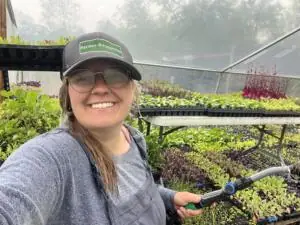
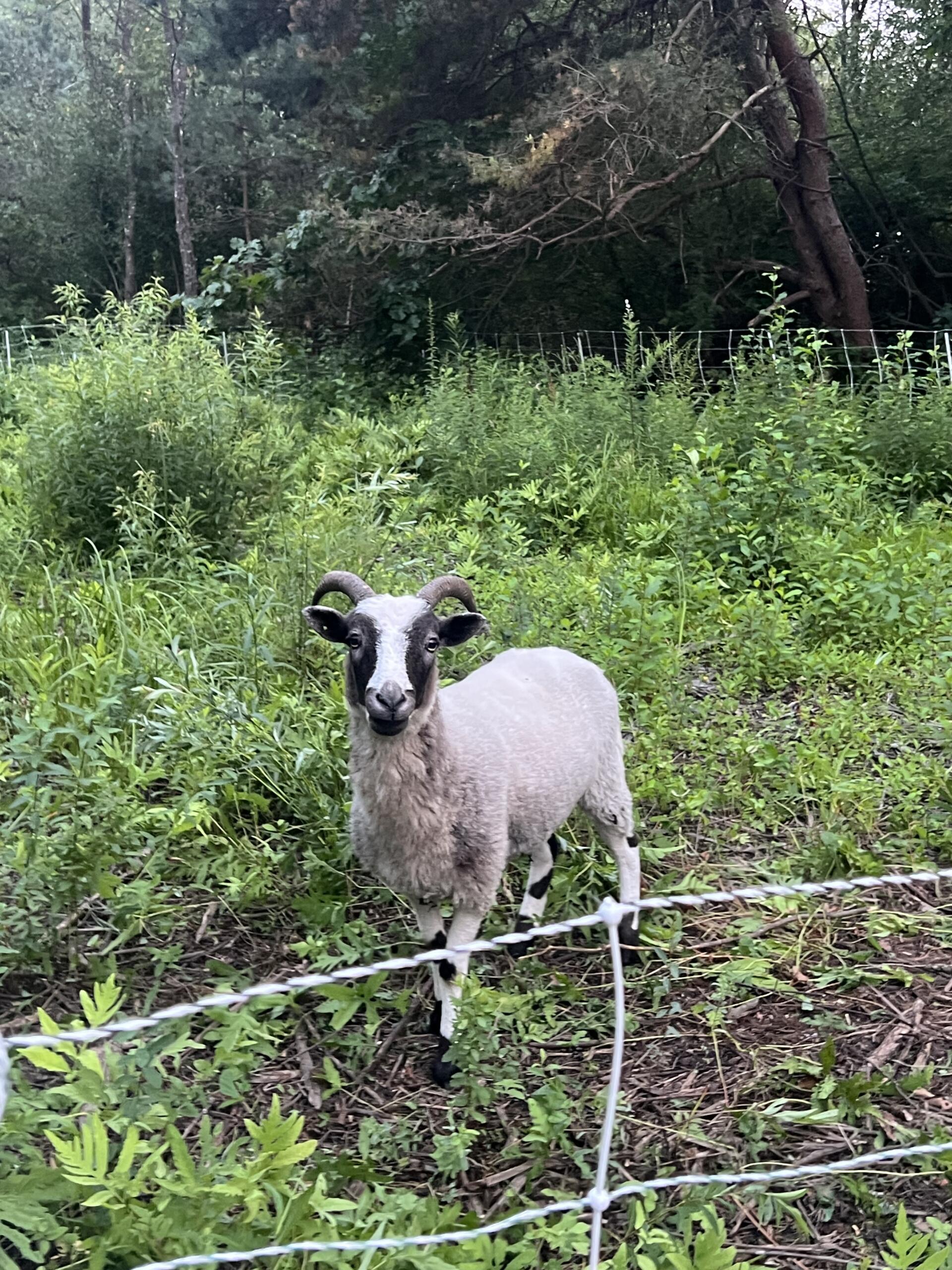
Samantha Otto is the founder and farmer of The Woven Trifecta, a 10-acre farm in western Michigan. Currently in transition to organic, the farm focuses on diversified vegetables for a CSA, local farmers market, as well as farm-to-school sales throughout the school year. Samantha raises Jacob sheep for fiber as well as assorted poultry for meat and eggs. The livestock is rotationally grazed on just over 3 acres of pasture, with 2 acres of no-till beds in production.

Samantha has a decade of hands-on farming experience and is a graduate of Michigan State University’s Agricultural Technology program. Since she started the farm, her primary focus has been on cultivating no-till organic vegetables and cut flowers. But as a curious farmer, she is continuously exploring innovative approaches to sustainable agriculture. Last year, as a participant in the Midwest GRIT program, she began integrating grains into her system, and  she has also recently incorporated livestock into her rotations to create a closed-loop system to help improve soil fertility.

From Waste Product to Resources: Building Fertility and Reducing Reliance in Off-Farm Inputs

One of the main goals of The Woven Trifecta is to reduce reliance on off-farm inputs, and to transform the farm waste products into a resource. Samantha has experimented with different anaerobic fermentation, and was interested in scaling up and fine-tuning its use as a soil amendment. She is particularly interested in incorporating waste from her livestock and compost into anaerobic ferments to improve soil fertility and plant health.

With the help of OFRF’s Farmer-Led Trial (FLT) Program, Samantha hopes to understand how anaerobic ferments impact the health of her crops. When considering which vegetable to test, the team landed on artichokes – a promising crop that her CSA members love and that has yielded well in past seasons. As a long-season vegetable with a short harvest window, the Tavor Artichoke was an ideal crop to trial.

Farm Trial Plan

To answer Samantha’s question, ‘Does an anaerobic compost tea impact yield or plant nutrition in artichokes?,’ she will weigh all harvested artichokes from each plot. Marketable artichokes will be weighed and counted separately. In addition to weights, leaf tissue samples will be collected prior to flowering stalk emergence. 10 representative samples will be taken from each plot, with one leaf collected per plant.

There are two treatments in the trial: a control with no ferment spray, and the anaerobic ferment foliar drench. Samantha will plant in 8 plots to provide sufficient replication. The trial is in a 30′ x 90′ space, in 3′ wide no-till beds, with each row containing 10 plants spaced 36’ apart. Buffer plots will be added on each side, planted with sunflowers.

plot map for on-farm trial at Woven Trifecta Farm

The recipe for the anaerobic fermentation is 60/40 with vegetation scraps and rabbit manure. Samantha brews a fresh batch every two weeks, beginning in early June and applies the fermented drench application biweekly.  A 5-gallon bucket will be suitable for each batch.

Recipe for Anaerobic Fermentation Fertilizer

Using 5-gallon buckets, mix: 

  • 60% vegetation scraps from on-farm and/or compost club program 
  • 40% manure from our rabbits.  
  • 4 cups of soil. 

These will be well mixed, with scraps being chopped into small pieces, and will fill about 3/4 of the 5-gallon bucket.  This mix will then be submerged in water (from well), covered with a lid and stored in the pump shed. The bucket will be fitted with a fermentation lid with spout to release any built-up gases over the course of the fermentation process. 

Ferment will be checked at 7, 14, and 21 days; ready to use at  21 days. Solids are then strained, and the liquid is bottled for use.  

Application: 1 part recipe to 20 parts water every 14 days, and apply it as a soil drench via backpack sprayer.

Samantha is excited to see how the ferment impacts the health and yield of her plants. The process of testing her application of the anaerobic ferment is something she hopes can impact her farm system, and possibly provide sustainable answers for other small farms like The Woven Trifecta.
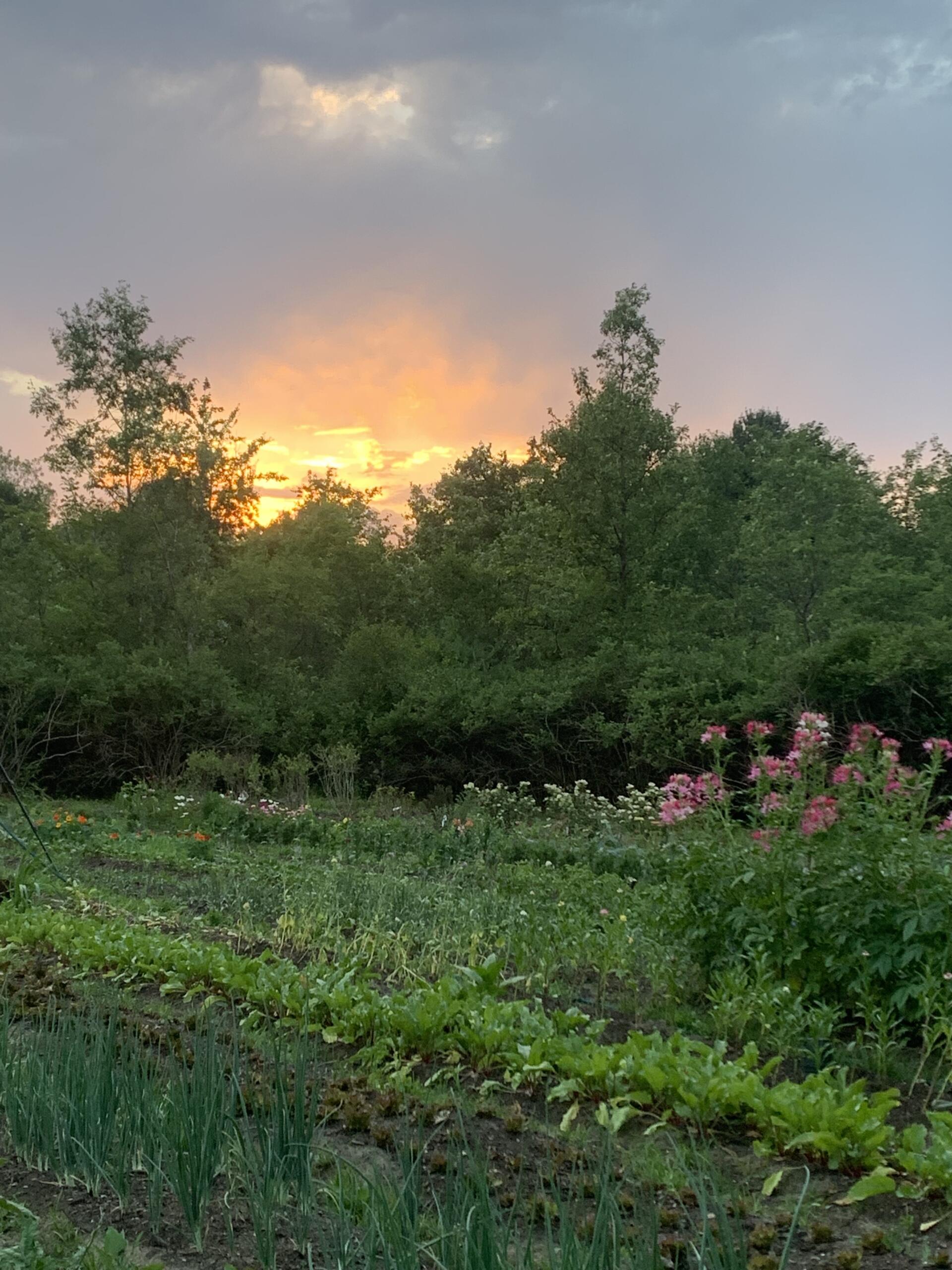
Sunset over a crop field at The Woven Trifecta

“Working with OFRF has been an amazing opportunity for our farm! Closing the loop in our production is a long-term goal of ours, and this project has provided the opportunity to take the time to explore a potential process for making that happen. It has been especially delightful to work with OFRF on creating the foundation of our project, making a once-intimidating idea very fun and feasible to trial! It has been a thrill to find on-farm solutions that support both our livestock and vegetable production. While we are a ways away from harvest, our on-farm ferment is visually showing benefits in our test plot. I look forward to collecting further data as the season progresses! This data will help us make decisions on how to incorporate ferments in our wider production in the future so that we can continue to grow beautiful, healthy, thriving vegetables for our community.

– Samantha Otto, The Woven Trifecta

One of the livestock that Samantha integrates into her crop rotations

This is part of a series of blogs highlighting farmers who are participating in OFRF’s Farmer-Led Trials program. Farmers receive technical support to address their production challenges through structured on-farm trials. To learn more about OFRF’s Farmer-Led Trials Program, visit our website page at https://ofrf.org/research/farmer-led-research-trials/ 

To learn more about The Woven Trifecta, visit their website at https://thewoventrifecta.com/

By |2025-12-17T17:31:56-05:00September 2nd, 2025|Farmer Stories, Livestock, News, On-Farm Research, Soil Health|

Farmer-Led Trials Program Spotlight: Parker Farms

Managing Moisture in Organic Tomatoes on an Urban Farm

Written by Mary Hathaway, OFRF’s Research & Education Program Manager, and Markisha Parker, FLT Program participant

Parker Farms, located in Warren, Ohio, is a small farm with a big heart, committed to serving their community with sustainable, urban agriculture. The farm provides fresh, locally grown produce through wholesale partnerships with food banks and community programs, supporting local food security. Markisha Parker, owner and founder, specializes in sustainable urban farming and organic production and is in her second year of transitioning to certified organic (a process that typically takes three years). With a background in urban agriculture, education, and research, she offers hands-on experience and community education on soil management, crop rotation, and organic pest control.

Her urban farm spans multiple sites totaling approximately one acre with areas dedicated to cultivating native plants, vegetables, and fruits, allowing Parker Farms to grow their impact and bridge the gap between urban gardening and farming. Markisha’s primary crop is tomatoes, but the farm’s mission extends much further: to empower others in agriculture by offering resources and support to help gardeners build successful commercial farming enterprises. While Markisha has done field trials in the past, she was looking for an opportunity to have support in improving her processes and systems on the farm. After this trial, Parker Farms hopes to integrate educational elements by inviting local farmers, aspiring growers, and community members to observe and learn from their research.

Puddling Problems: Managing Moisture in Tomatoes

With limited space in an urban environment, Parker Farms wants to improve their yield and systems in the area that they have. This means making every square foot count. In previous seasons, Markisha had issues with excess moisture and puddling in the fields. One of her biggest challenges was in her most valuable crop: tomatoes. Episodes of excess rain left much of her crop with splitting or blight.

In order to address these issues, she wanted to trial different materials that were readily available as a mulch material to help her tomatoes get to market. In her area, Markisha knew that woodchips, grass clippings, and straw were readily available. So she asked: does a mulching material help mitigate soil moisture for greater tomato yield?

Farm Trial Plan

With technical support from OFRF, Markisha has set up a trial to compare how straw, grass clippings, or woodchips, impact the yield and marketability of slicer tomatoes, and compare it to a control group with no mulch. The design of the trial includes 4 treatments and 4 replications, in a 16-plot layout. Each plot will have 5 tomato plants.

Trial updates

The tomatoes were transplanted on May 22nd, and the mulch types were laid down just after transplanting. The mulch varieties of aged wood chips, straw from a neighboring farm, and fresh grass clippings from areas around her farm, were applied at an approximate 2” depth. The control plot had no mulch added, and was left as bare soil. An initial harvest is expected at the beginning of August. For data collection, Markisha will take both the total weight of tomatoes and the marketable weight of tomatoes. These measurements will help the farm understand if the different mulching materials impact yield, and especially the marketable yield of tomatoes that don’t have damage related to uneven moisture.

Stay tuned for trial updates and a final report at the end of the season!

Farmer-researcher Markisha Parker

“Participating in the Farmer Led Trials has given me the structure and support to test practices that could improve both the health of my crops and the sustainability of my urban plots.”

– Markisha Parker, Parker Farms

Parker Farms.

This is part of a series of blogs highlighting farmers who are participating in OFRF’s Farmer-Led Trials program. Farmers receive technical support to address their production challenges through structured on-farm trials. To learn more about OFRF Farmer-Led Trials Program, visit our website page at https://ofrf.org/research/farmer-led-research-trials/ 

By |2025-12-17T17:32:05-05:00July 28th, 2025|Farmer Stories, News, On-Farm Research, Water Management & Irrigation|

Farmer-Led Trials Program Spotlight: Farmacea

Farmacea Strawberry Trial Explores Sustainable Mulching

Written by Mary Hathaway, OFRF’s Research & Education Program Manager

In the heart of Munith, Michigan, Farmacea is undertaking an exciting experiment to help enhance their farm systems and design. Run by Mike Lucas and Rollin Baker, the farm’s 31 acres had previously been dedicated to conventional corn production for many decades. Over the past two years, Mike and Rollin have been diligently working to convert about 2 acres into arable, quality land by incorporating leaf mold and other organic materials. As they work to transition their land to certified organic, they are excited and energized to grow healthy, sustainable fruits and vegetables for their community. Mike and Rollin are committed to bringing the land back to life and hope to honor the tradition of Food as First Medicine.

The Strawberry Trial: Plastic vs. Clover

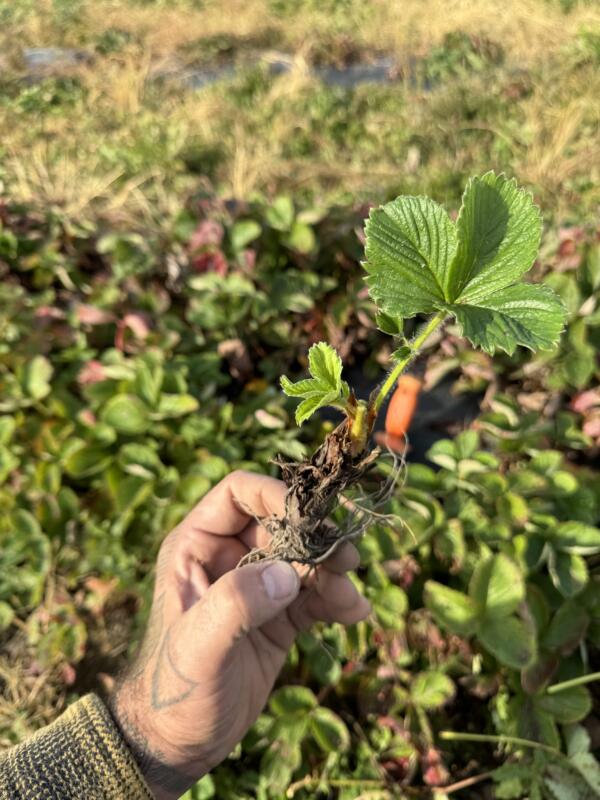
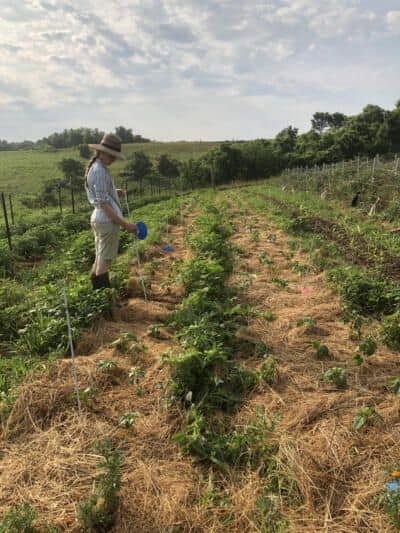
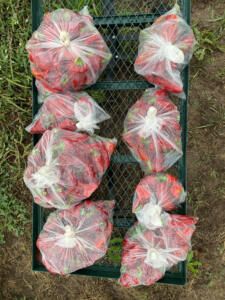
On-farm research trial at Farmacea comparing clover living mulch with conventional plastic mulch in organic strawberry crops.Farmacea’s project is a strawberry trial comparing traditional plastic mulch to a living mulch of white Dutch clover. Their research question is simple but will help Farmacea determine which strawberry planting system will work best for them in the coming years: “Does a living clover mulch produce higher strawberry yields than a plastic mulch?”.

To answer this, they’ve set up six beds. Three beds use the conventional plastic mulch, while the other three are planted with New Zealand White Clover (Trifolium repens) to serve as a living mulch. Both sets of beds include a mix of strawberry cultivars: Earliglow, Chandler, Allstar, and San Andreas, ensuring consistency in strawberry varieties across the trial.

Careful initial planning was essential, focusing on a consistent number and mix of strawberry plants in each bed. Mike and Rollin standardized the beds and timed clover planting, which faced weather-related delays and farm facility damage. Additionally, deer intrusions necessitated the construction of higher fences to protect the crops.

What They’re Measuring

Farmacea will be tracking several key metrics to determine the success of each mulching method:

  • Yield: Weight of harvested berries, percent marketable yield, and pint counts.
  • Brix: A measure of sugar content in the berries.
  • Weed Pressure: Observations and frequency of weeding interventions.
  • Photo Documentation: Keeping a visual record of the trial’s progress.
  • Soil Testing: Collecting samples to analyze soil health.

Data is being collected consistently over the season, with harvests twice weekly. They plan to document everything from the number of pints of berries to the weight of both marketable and unmarketable yields. Brix levels are being measured to gauge the sweetness of the berries and will ideally be taken at three intervals during the strawberry season.

Why This Matters

Farmacea’s trial is about more than just growing strawberries. It’s about finding sustainable options for weed suppression and improving soil health through practices like cover cropping. They are also interested in decreasing their reliance on nonrenewable resources and preventing microplastic contamination in their soil. Implementing a living mulch strategy is intended to lessen the need for manual weeding, enhance soil structure, and foster an environment that naturally inhibits weeds.

“For too long, the bulk of attention, funding, and resources in the agricultural research world have gone toward so-called ‘conventional’ farming methods. As a result, advances in organic farming practices have stalled and many today consider it an inefficient, outdated, and impractical way to produce food. We couldn’t disagree more. We see participating in a research trial on organic farming to be an important step in turning this tide, and hope that it will lead to better understanding and acceptance of these essential practices.”

– Rollin & Mike, Farmacea

Looking Ahead

As the trial progresses, Farmacea will continue to monitor and collect data. Soil tests will be conducted, and observations on weed pressure will be recorded. At the end of the trial, they will analyze the results to determine which mulching method provides the best yields, berry quality, and weed control.

This trial at Farmacea is a perfect example of how farmer-led research can lead to valuable insights and sustainable agricultural practices. By sharing their findings, Farmacea contributes to a broader community of farmers and researchers working towards a healthier, more resilient food system.

Stay tuned:

  • Follow Farmacea on Instagram @farma.cea to see photos and updates as Farmacea’s strawberry trial unfolds!
  • Check back here for future blog posts on the trial’s progress.

This story is part of a series profiling farmers who are taking part in OFRF’s Farmer-Led Trials (FLT) program. Farmers receive technical support from OFRF to address their challenges through structured on-farm trials. To learn more about OFRF Farmer-Led Trials Program, visit our website page at https://ofrf.org/research/farmer-led-research-trials/

By |2025-12-17T17:37:24-05:00May 29th, 2025|Farmer Stories, News, On-Farm Research, Weeds|

Organic Research in the Balance: What’s Happening in Wisconsin

Written by Brian Geier, OFRF Communications Manger. This article was originally published in the Spring 2025 Organic Broadcaster by Marbleseed.

In labs in Wisconsin and Indiana, researchers are studying how microbial communities found on different varieties of carrots might help lead to disease resistance on organic farms. At a field day in Illinois, ten varieties of carrots are served on paper plates to attendees, who taste and rate the sweetness, texture, and color. And on forty farms across the country, farmers try the new carrot varieties on-farm, via a decentralized trial service called Seedlinked. All are part of the “Carrot Improvement for Organic Agriculture” (CIOA) project, led by Dr. Phillipp Simon at the University of Wisconsin (UW) and partnered with the Organic Seed Alliance (OSA). The effort aims to develop and release new seed lines that can support a surging organic carrot industry that already represents 12% of the carrots grown in the US and is valued at over $120 million annually.

Advanced breeding lines of carrots are being evaluated at the Hoagland Lab at Purdue University, a partner on the CIOA project. To learn more, visit CIOA’s eOrganic page. Photo credit: Purdue University.

The CIOA is one of several projects developed and led in Wisconsin that are responding to the needs of various organic industries and doing critical work to empower farmers to elevate their operations. It serves as just one example of how the organic community in Wisconsin is leading the way toward new innovations through research, helping to advance organics nationwide.

Organics in Wisconsin

Wisconsin is undoubtedly a leader in organic farming. It ranks 5th in the nation in terms of organic market value, after having grown 16% in just two years to $312 million in 2021. The state has the highest number of organic farms of any state outside California, with 1,455 certified operations, representing 8% of the nation’s total. And, Wisconsin is the nation’s leader in the number of organic farmers statewide in several commodities: field crops, livestock and poultry, layer chicken farms, and pig farms. 

By many indicators, the growth trend for organic in Wisconsin is poised to continue: the state ranks second in the number of non-certified farms with transitioning organic acres, an indicator of the potential for growth in a state’s organic sector. And according to UW, the majority of organic farmers in the state (80%) plan to maintain or increase their organic production.

Federally-Funded Research in Wisconsin

To begin a discussion on Federal funding, it can be useful to decode some alphabet soup. Organic research funding reaches Wisconsin through the USDA’s National Institute of Food and Agriculture (NIFA) via the Organic Research and Extension Initiative (OREI), the Organic Transitions Program (ORG), and the Agricultural Research Service (ARS). Project leads are often researchers at universities, but many projects involve collaborative teams of researchers in other states, and many have organic farmers collaborating in research as well.  

Project leads often have ongoing connections to organic farmers, and ideas for research can come from a variety of places including formal surveys or simply through discussions with growers. According to the 2022 National Organic Research Agenda, a comprehensive survey of organic producers across the country conducted by the Organic Farming Research Foundation (OFRF), organic farmers in the Great Lakes ag-ecoregion have identified three key research concerns: 

  • Climate adaptation and resilience. 
  • Weed, pest, and disease management.
  • Soil health.

NIFA has awarded over $19 million in grants to the state’s research institutions for organic research to address these and other concerns. These grants translate to over $380 million in economic activity, since every dollar invested in agricultural research generates about $20 in benefits, according to a long-term study by the USDA’s Economic Research Service (ERS). UW has played a crucial role, securing and investing $8 million of those grants. The ARS has historically funded 20 projects in the state researching organic topics, but currently, only two of those remain active, revealing a gap in the institution’s portfolio.

Innovative Projects Ongoing in Wisconsin

Research led by Dr. Yang, left, seen here standing in his lab alongside business collaborator Daniel Burgin, is bringing new biological agents to organic growers that can help protect apple, tree, and citrus trees from disease. Photo credit: UW.

Organic research underway in Wisconsin serves a diverse range of production systems, from vegetables to tree fruits and dairy. 

Besides the CIOA, which is funded through OREI, another project at UW-Madison, led by Dr. Rebecca Larson and funded by ORG, is partnering with organic dairy farmers through the Organic Valley Cooperative. The team is developing life-cycle analysis models for eight dairy-producing regions so farmers can measure and meet conservation goals. Also funded by ORG but headquartered at UW-Milwaukee, a project led by Dr. Ching-Hong Yang is working to boost the efficacy of a bacterial strain in controlling fire blight in organic apple and pear trees. Dr. Yang, along with a business partner and researchers at the University of Florida, is also testing the same strain for efficacy in lessening the severity of citrus greening.

Wisconsin’s organic producers have a diverse range of operations, and the challenges that organic farmers face are varied. Researchers are answering the calls with strong collaborations, multi-state networks, and dissemination components to bring key findings that farmers can use to inform decisions on their operations. 

Resources and Insights from Research Completed in Wisconsin

Celery variety trials at UW. Photo credit: The Organic Center.

The Organic Alternatives to Conventional Celery Powder project, led by Dr. Erin Silva at UW, addressed a constraint of the organic processed meat industry. This was a timely project, as the National Organic Program (NOP) was about to sunset the allowance of non-organic celery powder. But the question remained: can organic systems produce celery powder with the nitrate content needed for curing meat? The project verified that organic production systems can produce celery powder with sufficient N content for the industry.

Another project, called Connecting Community to Strengthen Organic Seed Breeding and Research and led by the OSA, responded to an urgent need to recruit and train a new generation of plant breeders specializing in cultivar development for organic systems. Plant breeders whose methods comply with organic standards have become an endangered species. The needs of organic seed farmers were collected and presented in OSA’s 2022 State of Organic Seed Report. And yes, 2022 is the same year as OFRF’s NORA report mentioned above. In fact, OFRF and OSA collaborated on an OREI-funded project to conduct the surveys and produce both reports!

OSA’s seed-breeding project conducted the Student Organic Seed Symposium (SOSS), an annual networking and professional development opportunity for graduate students in plant breeding and seed production for organic systems. The symposium was held at West Virginia University to convene a greater geographical and ethnic diversity of students. A speed-mentoring activity amongst participants was found to be especially valuable in identifying the next steps in their professional development. Reflecting on the Symposium, one seed-breeder-in-training stated: “It takes all of us (farmers, researchers, chefs, storytellers) to further our aims of creating genetic diversity and adapting to climate change.”

While research projects in Wisconsin may have been born from the challenges that Wisconsin’s organic farmers face, the knowledge and resources created by projects in the state have made significant contributions to the broader organic community.

Advocacy to Protect Federal Funding for Organic

Certified organic produce now makes up more than 15% of total produce sales in the United States. Organic dairy and eggs now constitute more than 11% of the total market. And overall, organic sales have doubled over the last 10 years and in 2024 made up about 6% of the total US food market. By most measurements, organic food is trending upward nationally, not just in Wisconsin. Most notably, the growth of organic sales is consistently outpacing the growth of the overall food market. To say it another way, we might be heading into a future that is more and more organic! 

But will we get there? 

Despite the growth of the organic sector, organic agriculture research funding makes up less than 2% of the total research budget at the USDA, and less than 1% of the Agricultural Research Service’s (ARS) budget. Additionally, much of the research focused on conventional agriculture relates to chemical applications or genetic traits—technologies that organic producers do not, and if certified, can not, use. To put it another way, organic research benefits all farmers, including conventional ones, but not the other way around.

In order to sustain the growth in organic acreage, producers, and products, it is crucial that more USDA funding be organic and applicable to all farmers. National policy priorities identified by OFRF include:

  • Increasing USDA’s research funding for organic research through both competitive grant programs at the National Institute of Food and Agriculture (NIFA) and intramural research at ARS to reflect its market share and growth trajectory.
  • Fully funding the Organic Data Initiative to provide the necessary market analysis of an increasingly sophisticating sector. 
  • Expanding the accessibility and applicability of technical and financial assistance programs for organic farmers. 

At the time of this article’s writing (early 2025), uncertainty abounds within the organic community as federal funds for a number of programs related to organic farming, addressing climate change or support for specific farming communities ,are currently inaccessible due to executive action by the new administration in January. A federal judge recently ruled against the, but congressionally appropriated funds for active, ongoing organic research, conservation practices, and other services that organic farmers and researchers rely on remain inaccessible. This is causing immense uncertainty and disruption. 

The moment calls for steadfast advocacy and a commitment to organic research programs. OFRF offers resources and ways to get involved: join OFRF’s newsletter to stay informed, share your story if you are a farmer or researcher impacted by interruptions or resumptions of Federal funding, and visit OFRF’s advocacy page to learn more.

By |2025-12-09T17:40:32-05:00April 30th, 2025|Insects & Diseases, Livestock, News, Plant Breeding & Variety Selection|

Farmer-Led Trials Program Spotlight: Trouvaille Farm

Written by Mary Hathaway, OFRF’s Research & Education Program Manager

female organic farmer in Ohio inspects pepper plants as part of an on-farm research trial

An apprentice in the pepper field at Trouvaille Farm.

In the hills of Southeastern Ohio you will find Lindsay Klaunig on her farm: Trouvaille Farm. While she has been a grower for more than 20 years, this her seventh season as owner and operator of Trouvaille Farm, something that the name itself acknowledges (Trouvaille means lucky find).  

The farm landscape is a patchwork of diversity. There are grass-fed beef and goats on pasture, heirloom crops on the ridge tops and fruit trees throughout the farm. Many of the open-pollinated varieties are being grown to maturity and processed as seed crops, to be sold through small regional seed companies. 

Lindsay manages the land using regenerative, organic practices and focuses on building healthy soil, and increasing biodiversity so that she can provide nutritious food for her family and neighbors. To avoid using pesticides, there are insectaries, rows of flowering plants that attract beneficial insects, throughout the farm that naturally keep pests under control.

Open Pollinated Seeds for Climate-Resilience

As a seed grower, it is important for Lindsay to have access to varieties that are regionally adapted and able to thrive in low-input systems. She sees the opportunity of open-pollinated seed varieties as a tool that is vital as the climate changes and modern hybrids may not have the same capacity to thrive in severe weather events. Seeds from open-pollinated varieties can be saved by the grower and selected for those that best meet the demands of their own particular climate, growing systems and market. This is ever more important for growers using organic systems, where farmers look to cover crops and compost for soil fertility rather than synthetic fertilizers.

In recent years, the extremes of heat and drought have been a major challenge for many of her long-season summer crops, like tomatillos and peppers. Lindsay has been interested in trying shade cloth on her peppers to help nurture them through extreme weather conditions, but she wasn’t sure if it would have a negative effect on fruit set or seed production. After learning about OFRF’s Farmer-Led Trial program, she decided this would be a relatively risk-averse way to see the impact of this growing practice on her harvest.

Farm trial plan

Plot map – legend S= shade; N= no shade

After considering some of the logistics of on-farm research trials with OFRF staff, Lindsay was able to develop a question that would help her decide if shade cloth would help, or hurt her seed harvest. The trial was further narrowed down to peppers. Research Questions: Will using shade cloth improve fruit set in pepper plants grown for seed? And if so, will that lead to early mature harvest and overall higher yields? 

The trial was designed as a paired comparison with the treatments being peppers that were given 35% black netting shade cloth vs. peppers that received no shade cloth. The measurements Lindsay decided upon were to weigh the fresh fruit harvested and the fresh and dried seed weight in addition to taking basic fruit quality observations. Since she often sells her peppers for seeds, rather than as fresh fruit, this was the most helpful measurement for her production practices.

Trial updates

Harvest data is almost complete, with the first harvests beginning in late September, much later than expected due to the extreme drought conditions. Once the harvests are complete, Lindsay and the OFRF staff are excited to see the results and impact of shade cloth on pepper production.

“Every season we adjust our growing methods and try out new techniques. But inevitably the season gets busy, we lose track of outcomes and end up with incomplete impressions of what worked or didn’t. With the FLT program, I had support in designing a solid project, and funds to allow me allocate time and focus to data collection and analysis.”

– Lindsay Klaunig, Trouvaille Farm

seed saving from organic pepper research trial
Trouvaille Farm farmer-led trial organic peppers
harvesting peppers for on-farm research at Trouvaille Farm in Ohio
shade net over organic peppers during on-farm research at Trouvaille Farm in Ohio

Research Results

Lindsay Klaunig’s farmer-led trial experimented with using shade cloth to improve fruit set in pepper plants grown for seed, and examined the impact on fruit yield, seed yield and seed quality (germination rate).

Key Findings:

  • Total fruit yield (Harvest 1+Harvest 2) was significantly higher in non-shaded plots, with a total yield of 10.9 lb compared to just 4.7 lb in shaded plots (Table 2). Seed yield (per plant and per bed ft) was also higher in non-shaded plots. Seed yield per lb of fresh fruit was higher in shaded plots, but this is likely due to the low fruit yield in these plots.
  • There were, however, some differences between results from the two separate harvests in September and October. For example, in Harvest 1, seed yield per bed ft was not significantly different in shaded vs unshaded plots, but in Harvest 2, seed yield per bed ft was significantly higher in unshaded plots.

The season that this trial took place was one of the warmest and driest on record. The use of black shade cloth may have increased the temperature rather than provide any shade relief, as intended. In the future, Lindsay would like to try white shade cloth, and be sure to use larger hoops to allow space for more airflow over bushier crops like peppers.

For full details on the study’s methodology and results, read the final report.

This story is part of a series profiling farmers who are taking part in OFRF’s Farmer-Led Trials (FLT) program. Farmers receive technical support from OFRF to address their challenges through structured on-farm trials. To learn more about OFRF Farmer-Led Trials Program, visit our website page at https://ofrf.org/research/farmer-led-research-trials/

To learn more about bell pepper research, click the following link: Bell Pepper (Capsicum annum L.) Crop as Affected by Shade Level: Fruit Yield, Quality, and Postharvest Attributes, and Incidence of Phytophthora Blight (caused by Phytophthora capsici Leon.)

To learn more about Trouvaille Farm, visit https://www.trouvaillefarm.com/

By |2025-12-17T17:37:44-05:00November 7th, 2024|Farmer Stories, News, On-Farm Research, Plant Breeding & Variety Selection|

Organic Researcher Spotlight: Dr. Ajay Nair

Integrating poultry, cover crops & vegetable production can reduce purchased inputs while increasing yields

Written by Brian Geier

Dr. Ajay Nair, Department of Horticulture Chair, Iowa State University

Organic farmers with successful Integrated Crop-Livestock Systems (ICLS) report benefits ranging from increased farm productivity and reduced inputs to improvements in soil fertility and increased nutrient density in food products. Additionally, organic farmers report site-specific benefits, for instance livestock grazing that provides unique options for crop pest control or decreases the need for mechanical cultivation (learn more about these specific benefits to organic farmers in OFRF’s Crop-Livestock Integration resources). 

While these benefits are becoming better understood, researchers at Iowa State University, led by Dr. Ajay Nair, wanted to look more closely at a specific crop-livestock integration scenario: poultry and diversified organic vegetable production systems. “Commonly researched and implemented methods of crop-livestock integration in the United States,” they write, “include grazing livestock on cover crops, rotational grazing of permanent pasture, and grazing livestock on crop residues such as corn or wheat. Several reviews on crop-livestock integration discuss its benefits, such as increased soil organic carbon, aggregate stability, enhanced nutrient cycling, and increased soil nitrogen (N). There is, however, limited research on the integration of animals in vegetable production.” Now, with funding from USDA’s Organic Agriculture Research & Education Initiative (OREI), Dr. Nair and a team of researchers across the country are evaluating poultry, cover crop and vegetable integration.  

Pastured Poultry: a unique fit for diversified vegetable production

Organic vegetable production systems are often highly diversified, requiring intensive management techniques and quick turnaround times between crops. Poultry, which require less space and are easier to move than other livestock could prove to be a unique fit for organic vegetable farmers. Add to that the relatively low capital investment and many growers and researchers wonder if integrating poultry with vegetables could be profitable while still meeting food safety and National Organic Program requirements. “‘How will I integrate poultry? Where? When?’ That was the number one question our growers had,” explains project lead, Dr. Nair.

Above, left: the three rotations in the study are: 1) vegetable > vegetable > cover crop (V-CC), 2) vegetable > cover crop > poultry (V-CC-P), and 3) vegetable > poultry > cover crop (V-P-CC). Above, right: a floorless coop moves around a cover crop in a plot where treatment 2 (V-CC-P) is being evaluated.

The research evaluates the effects of pasturing poultry in movable, floorless coops through vegetable and cover crop rotations. The multi-state project, which involves research in Iowa, Kentucky and California won’t conclude until August of 2024, but it already has several key findings:

  1. Poultry and cover crops can successfully be integrated with vegetable production systems.
  2. Where poultry are integrated with vegetable production systems, nitrogen inputs can be reduced while vegetable yields are increased.
  3. In field tests at Iowa State University, over time, more weeds accumulated in systems where poultry were integrated with vegetables than in systems without poultry.  
  4. Birds in this study are more efficient at converting food to meat. The Feed Conversion Ratio (FCR) of birds in this study is almost double that of conventionally raised broilers. 

The impact of USDA funding for organic research & farmers

Dr. Nair, a professor at the Department of Horticulture at Iowa State’s College of Agriculture and Life Science who in July of this year became the Department Chair, credits the USDA/NIFA’s Organic Research and Extension Initiative for making projects like his possible all over the country.

“OREI is the foundation for several of the organic projects that happen across the country, and we are very thankful for NIFA for having such a dedicated program for organic growers. It serves as a good platform for us to reach out to organic growers and for organic growers to reach out to us.” -Dr. Ajay Nair

You can learn more about this project and the importance of OREI in this video excerpt from OFRF’s interview with Dr. Nair in early 2024:

This research is funded by the USDA/NIFA’s Organic Research and Extension Initiative. To learn more about OFRF’s advocacy work to protect and increase this type of funding, and how you can help become an advocate for organic farming with us, see our Advocacy page.

By |2025-12-17T18:01:25-05:00July 17th, 2024|Livestock, News, On-Farm Research, Soil Health|

Organic Researcher Spotlight: Dr. Amaya Atucha

Federal support is bringing new production systems and researchers to organic agriculture in the upper Midwest

Written by Brian Geier

Dr. Amaya Atucha is an Associate Professor at the University of Wisconsin-Madison (UW), specializing in crop ecophysiology and production of small fruit and cold climate viticulture. Until recently she had not worked with organic production systems. “One of the reasons why I was not working on organic production,” she explains, “is because of the difficulty of being able to produce organic fruit in climates like the upper midwest.”

While strawberries represent the third largest fruit crop in Wisconsin, and Wisconsin ranks in the top 10 states for organic production in the United States, organic strawberry production is negligible in the region. This is despite what preliminary research shows: that there is an interest among growers in organic strawberry production, there is an excess demand from consumers in the region, and premium prices are being fetched for organic strawberries at local markets.

Dr. Atucha’s current research project, Transitioning to organic day-neutral strawberry production in the upper midwest – A systems approach, funded by USDA/NIFA’s Organic Transitions Program (ORG), has provided opportunities for her to expand her research into organic production and is providing growers with research-based information on the profitability of new production systems for organic strawberries.

 “Something that I would share with other researchers like me who were not doing any research on organic production is that if you want to expand on organic production and you might not feel that you are an expert, the ORG is a wonderful opportunity to get your foot into doing organic research. It will allow you to become an expert and become familiar with organic practices, and then to expand into these great production systems that can have fantastic benefits for our stakeholders.”  -Dr. Amaya Atucha

To help increase organic production of strawberries, the project is taking a systems approach. The production system currently used in the region is a perennial matted row system that increases weed, insect, and disease pressure over multiple seasons that are challenging to control with organic practices. Her project proposes a shift from a perennial to an annual production system, and is evaluating yields, pest pressure, fruit quality, and profitability of day-neutral strawberries grown on four different mulches.

To keep up to date on this research project, visit UW’s Fruit Program website. See an excerpt from OFRF’s conversation with Dr. Amaya Atucha about the importance of the ORG program for her research and farmers in her region here:

This research is funded by the USDA/NIFA’s Organic Transitions Program. To learn more about OFRF’s advocacy work to protect and increase this type of funding, and how you can help become an advocate for organic farming with us, see our Advocacy page.

By |2025-12-17T18:08:48-05:00November 28th, 2023|Education, News, Plant Breeding & Variety Selection, Weeds|

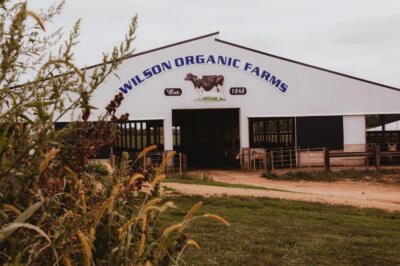
Wilson Organic Farms, Chris Wilson

The Organic Farming Research Foundation is honored to share this farmer story, featuring Chris Wilson, business manager and farmer at Wilson Organic Farms. The following article is based off of an interview with Chris that was conducted earlier this year. You can press play below to listen to an edited version of the interview, click this link to download it and listen later, or click the green button below to watch a recording of Chris telling his story!

Written by Elizabeth Tobey

Chris Wilson remembers the day that the first load of milk from his family’s farm was picked up by the Organic Valley cooperative. The Wilson farm, which has been in the family for seven generations, began the transition to organic in the mid 90s, inspired by a neighbor who was making the switch as well. The certification process takes three years on land that has been receiving inputs that are prohibited under the organic program, and the Wilson family farm also needed to transition their herd of dairy cows. They started the process in 1996 and by 1999 all their crop land was certified organic. January 2nd, 2000 the Organic Valley truck pulled away from the farm for the first time, full of certified organic milk.

Chris Wilson and his partner walk the farm with their child.

Chris Wilson is the business manager, and seasonal labor. The farm, which is located in the driftless region of Wisconsin, has been passed down in his father’s side of the family since it was first homesteaded in 1848. Now it is managed by a network of extended family including several of Chris’s cousins, with seven different families participating in total. Although transitioning the farmland through the generations hasn’t always been easy, it’s something that the Wilson’s don’t take for granted. In a world where access to farmland is one of the biggest barriers of entry into agriculture, inheriting a family farm is a huge advantage. They have worked hard to find ways to ensure that anyone in the next generation who wants to be involved will be able to participate in the farm business, and that older family members who are retiring are also provided for.

Transitioning to Organic

The family originally had some hesitations about making the change to organic production. They started with just a small portion of their farm the first year, but soon went all in, transitioning the full 1000 acres that they were farming at the time. “We had concerns about losing some tools for antibiotics in the livestock,” Chris explains. “But that ultimately ended up being a non-issue as we got into (it), and really the animals, they build up better immune systems and we have less problems today than we ever did when we had those tools.”

“We had concerns about losing some tools for antibiotics in the livestock, but that ultimately ended up being a non-issue as we got into [it], and really the animals, they build up better immune systems and we have less problems today than we ever did when we had those tools.”

Wilson Organic Farms now manages 3500 acres total. Of that, about 2600 acres are in crops, with a mix of alfalfa, forage mixes, corn for silage and snaplage, and grain, wheat, barley, soybeans, yellow peas and occasional other food grade crops. The remaining 900 acres is in pasture, 250 of which supports their dairy herd, and the remainder which is used for heifers and beef cattle.

Wilson Organic Farms began their transition to organics in the mid 90s.

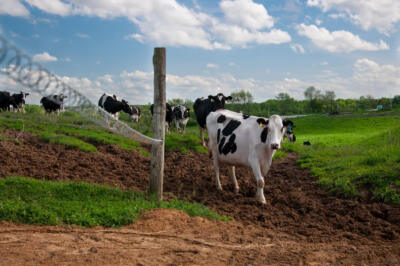
Looking at their farming practices now, Chris says that organic standards reflect the way that they approach farming with the inclusion of livestock. They utilize resources in a “circular motion,” as he says. Livestock fertilize the ground, crops grown in the ground feed the livestock, and all of it contributes to feeding life in the soil. They intensively graze the milk cows, which means they move them daily during the grazing season. As they eat, they leave behind their manure and also trample the ground, the combination of which provides tremendous eco benefits to the soil.

Organic farming principles “lined up with things we were already doing and things that we already believed in,” Chris says. “…and that made it a really easy transition for us, philosophically.” And he adds, “We got the premium for the crop, so we were rewarded for that effort.”

NRCS Partnerships

The Wilson farm has also partnered with their local USDA Natural Resources Conservation Service (NRCS) to design and implement a variety of conservation practices and to support their transition to organic. They have received support for farm infrastructure and implementation of different farming practices through NRCS’s Environmental Quality Incentives Program (EQIP) and Conservation Stewardship Program (CSP). Projects that the Wilson farm has implemented have ranged from implementing cover cropping and intensive rotational grazing, installing improved fencing and watering systems, livestock corridors, and creating season-long forage for pollinators. Chris was quick to point out that in addition to the financial support, another aspect of what NRCS has to offer “is the expertise that’s brought to the table.”

“The other aspect of this that doesn’t show up in the dollars and cents is just the expertise that was brought to the table on laying that stuff out and thinking about it holistically. Our NRCS rep happened to be an expert in setting up water infrastructure, so he was able to think about some of the detailed engineering questions.”

Pasture Infrastructure Programs

NRCS cost-share programs assisted Wilson Organics with improved pasture infrastructure.

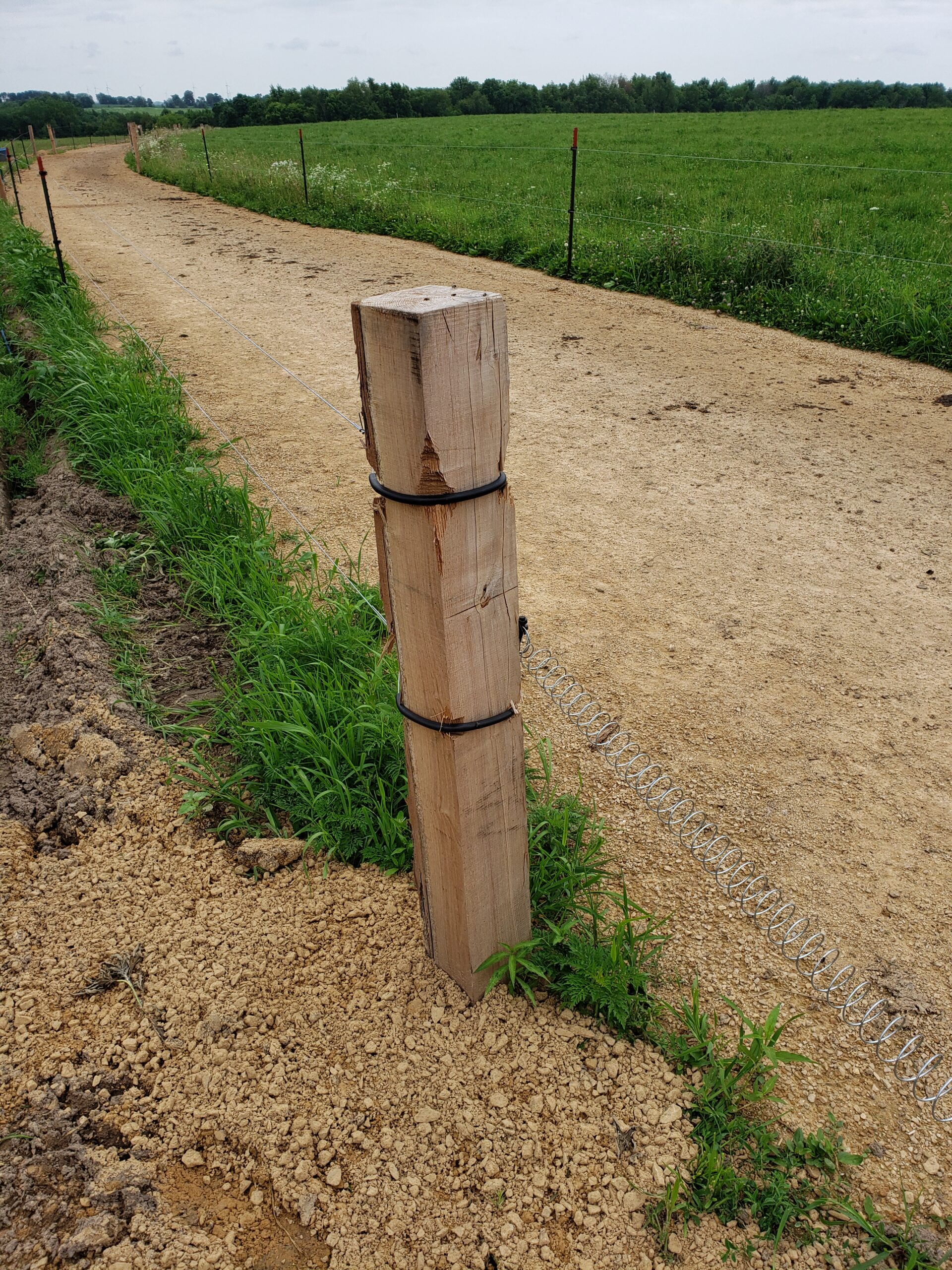
Through a cost share program, Wilson Organic Farms received financial support for improved pasture  infrastructure and installation costs. They installed a six-strand barbed wire fence around the whole perimeter, and hired someone to install it. Chris points out that they had the option to install it themselves, which could save labor costs. They also installed underground water lines throughout the pasture. The NRCS program offered a cost share per linear foot, which Chris says “covered 50-60% of total cost.” This was similar to the support they received for the cow lanes they installed, where the cost share was based on square feet of cow lane. Their local agent was able to help them think through the details and layout of the systems they wanted to install. This financial and logistical support helped the farm transition from large paddocks to a rotational system that improves pasture and soil health.

Cow lanes in action at Wilson Organic Farms.

Cover Cropping

Another project that Wilson Organic Farms implemented with NRCS support was integrating cover cropping into their crop plan. Chris explains that “you sign up the number of acres you want to cover crop” and then there’s a list of cover crops you can use. “It’s been super successful,” he adds. They now have a system in place that includes cover cropping at three different times in the year. The cost share support for this project spans five years.

Wisconsin Honey Bee Pollinator Initiative

The farm also hosts Field Days with their partners, such as NRCS and Organic Valley, to share what they are doing with others.

Wilson Organic Farms has also participated in the Wisconsin Honey Bee Pollinator Initiative, a statewide project to increase pollinator habitat in the grazing landscape. By incorporating a variety of different plants, and shifting the grazing schedule, the farm is able to create an environment where pollinators had continuous access to flowering plants. The seed mix includes lots of clovers and other plants that result in a long season of blooms. This program also required that they only graze each section of pasture every 30 days. That is a core principle of intensive grazing anyway, which was already something that Wilson Organic Farms was practicing. They often wait 40-45 days to rotate cattle back onto the same pasture during the driest parts of the season. This allows the pasture to regrow between grazing. “It’s pretty incredible to see,” Chris says. “I come out to the farm in late April, early May when the dandelions are blooming all the way into the fall when the burdock plants are starting to bloom. And there’s flowers, you can find tons of flowers any day of the year, and there’s tons of bees, tons of pollinators.”

As well as implementing these programs, the farm strives to share what they’re doing and what they’ve learned with others. They typically host at least one field day each year, either in partnership with the NRCS, their local Extension Service, or Organic Valley. Their focus is often on natural resource management on farms. For instance they recently hosted a field day on organic cropping systems and water resource management for farms. Last year their topic was grazing systems. These events invite farmers in the region to come tour Wilson Organic Farms and learn more about the farm programs that are available. For farmers who are curious about what’s available, Chris’s advice is to “meet with your local NRCS agent and start a conversation.” Then, he adds, “Start small. Maybe cover crop a few acres, see how it goes. You can expand if you want or try something else if it’s not for you.”

Distribution

Organic Valley is a farmer-owned cooperative that aggregates and distributes milk products from coast to coast.

Wilson Organic Farms milk continues to be sold to Organic Valley and made into cheese and butter for distribution nationwide. Their milk is also used in many Stonyfield products as well as other store brand products. Organic Valley is a farmer owned cooperative with around 1600 participating farms located across the country. “It is unique,” Chris says, “because it evolved from a group of farmers who wanted to farm using organic principles and reach a consumer who valued those things.” To this day the cooperative is committed to supporting small farms, and member farmers have a strong voice in decision-making.

In addition to the dairy products, Wilson Organic Farms also grows hard red winter wheat, which is sold to a mill 10 miles away. It is ground into flour for Meadowlark Organics, and distributed nationally. They also sell corn and soybeans to local farmers who are raising livestock. And they sell beef cattle off the farm, most of which is processed locally and sold in the local or regional area.

Farming in a Changing Climate

A young calf will grow up on pasture in an organic, rotational grazing system at Wilson Organic Farms.

Like many farmers, the Wilson family has not been immune to the effects of intensified weather patterns. In 2018 and 2019 the region they’re in received unusually high rainfall, sometimes getting several inches in a day, for weeks on end. This kind of weather pattern can make a farm particularly susceptible to runoff and erosion, especially in a region with more sloping terrain like where the Wilson farm is located. Now they’ve had two years of drier than normal weather in 2021 and 2022. Chris describes the recent rain pattern as “scarce but timely,” with the area receiving rain only about once every three weeks. Chris attributes the resiliency of their farm in the face of both extreme rain and drought to the diversity of crops and to the prevalence of perennials in their farm system. They strive to have a living root in the ground as many days of the year as possible. They are able to do this using long and diversified crop rotations, including perennial crop production like alfalfa and grass mixtures. Their crop rotation and cover cropping means that they always follow a crop immediately after it comes out of the field, either with the next cash crop or a cover crop.

You have eco benefits, where you have perennials and cover crops and different things that are grabbing rainfall and filtering it. It’s incredible to see the differences in how that soil can absorb rainfall when it does come and then also weather long periods without rainfall and still stay productive.

The nearly year-round soil cover, and the soil-holding and water-holding capacity of the root systems protects against erosion and helps the soil to absorb water when it does come and then withstand the periods of dryness without losing productivity. Also, because the farm has several different enterprises they are not relying on the success of just one or two crops in order for the farm to have a successful year. This doesn’t make it easy, but it does mean that they’ve been able to watch their fields maintain productivity during adverse weather events.

Here are a sampling of photos from Wilson Organic Farms of the work they have done in partnership with NRCS.

By |2025-12-17T18:24:35-05:00April 4th, 2023|Farmer Stories, Federal Assistance, Livestock, News|
Go to Top