

Farm Bill, Appropriations, and the Clock Ticking Toward September 30

L-R: Mark Schonbeck, Gordon Merrick, Ashley Dulaney
This past week, Ashley Dulaney, our Communications Director, Mark Schonbeck, our Research Associate, and I attended the National Sustainable Agriculture Coalition’s Summer Meeting. This year, they decided to bring the meeting to the rolling mountains of Vermont, which has been subject to the impacts of climate change, and where I call home.
The week was full of strategy meetings and creating spaces to share the impacts of the changing federal policy landscape, but also to break bread with each other, connect as people doing the work, visit local farms, and give me the opportunity to share the joy that are maple creemees with the sustainable agriculture community.
But, frozen dairy treats aside, there were real opportunities for us as a sustainable agriculture community to expand beyond our niche silos of policy expertise and hear how the impacts we’re experiencing in agricultural research are also being felt in other areas of policy and law.
Over the course of three and a half days, we discussed strategy related to appropriations, the Farm Bill, potential future Reconciliation bills, and administrative actions; each affecting our work at OFRF and how we conduct our advocacy.
What’s at Stake: Farm Bill, Appropriations, and More
For those just tuning in or needing a quick reminder, here is what each of those terms means:
- Appropriations is the process Congress uses to allocate funding between different priorities that do not have “mandatory funding.” This process must occur every year; if it doesn’t, a government shutdown will happen.
- The Farm Bill is historically the piece of legislation that provides mandatory funding for food and agriculture programs, as well as authorizations for spending on other related programs that must go through the appropriations process.
- Reconciliation is a complex legislative process that Congress can use to “reconcile” its new and emerging priorities with the appropriations and mandatory funding provided either by a previous Congress or even the same Congress’s actions. Unlike appropriations and the Farm Bill process, reconciliation doesn’t require a filibuster-proof majority to pass in the Senate, but only a simple majority, and it is subject to strict rules regarding scope and limitations.
- The most recent reconciliation bill, The One Big Beautiful Bill, was passed on July 4, 2025. For more details on what it includes, read NSAC’s blog post, “What’s Really Inside the Final Budget Reconciliation Bill: A Breakdown of Food and Agriculture Provisions.”
- From an administrative standpoint, when Congress appropriates money, legislates policy with mandatory funding, or completes a reconciliation process, these actions effectively serve as marching orders for the Executive branch to implement those programs and priorities. As we’ve written in recent months, there is growing concern about the USDA’s ability to administer those priorities and programs—especially with a staff estimated to be 16,000-18,000 members smaller than on January 20, 2025.
The Clock is Ticking — Here’s How to Act
As the dust continues to settle from the first six months of the new administration, it’s becoming increasingly clear that we have entered a new status quo for the relationship between Congressional authorization and instruction, and the Administration’s interest in following those. OFRF continues to deepen our engagement in both spaces, Congressional and Administrative, and will ensure you stay informed about what we are hearing and doing. Additionally, we want to make sure that we can bring the experiences and stories you are living to the Halls of Congress and the USDA.
We are entering a crucial time for the Farm Bill and Appropriations bills, as both expire at the end of September. Since Congress is in recess throughout August, this is a great opportunity to meet in person with your representatives while they are in their districts, along with any USDA officials who may be with them.
Relatedly, at the end of the fiscal year on September 30, all unspent funds the administration has refused to or is unable to distribute generally return to the U.S. Treasury.
So, if you’re a researcher relying on USDA competitive grant research programs to do your work, a Technical Service Provider who depends on that research to help farmers overcome challenges, a farmer who has seen an already complex support system become more complicated, or simply an eater concerned about how all of this will impact your grocery bill and the ability of local farmers to survive—now is the time to act.
Please contact me or any member of our policy team to share your stories, experiences, or concerns so we can bring them to Congress and the USDA to add context to their decisions and actions.
Eat well and breathe deeply,
Gordon
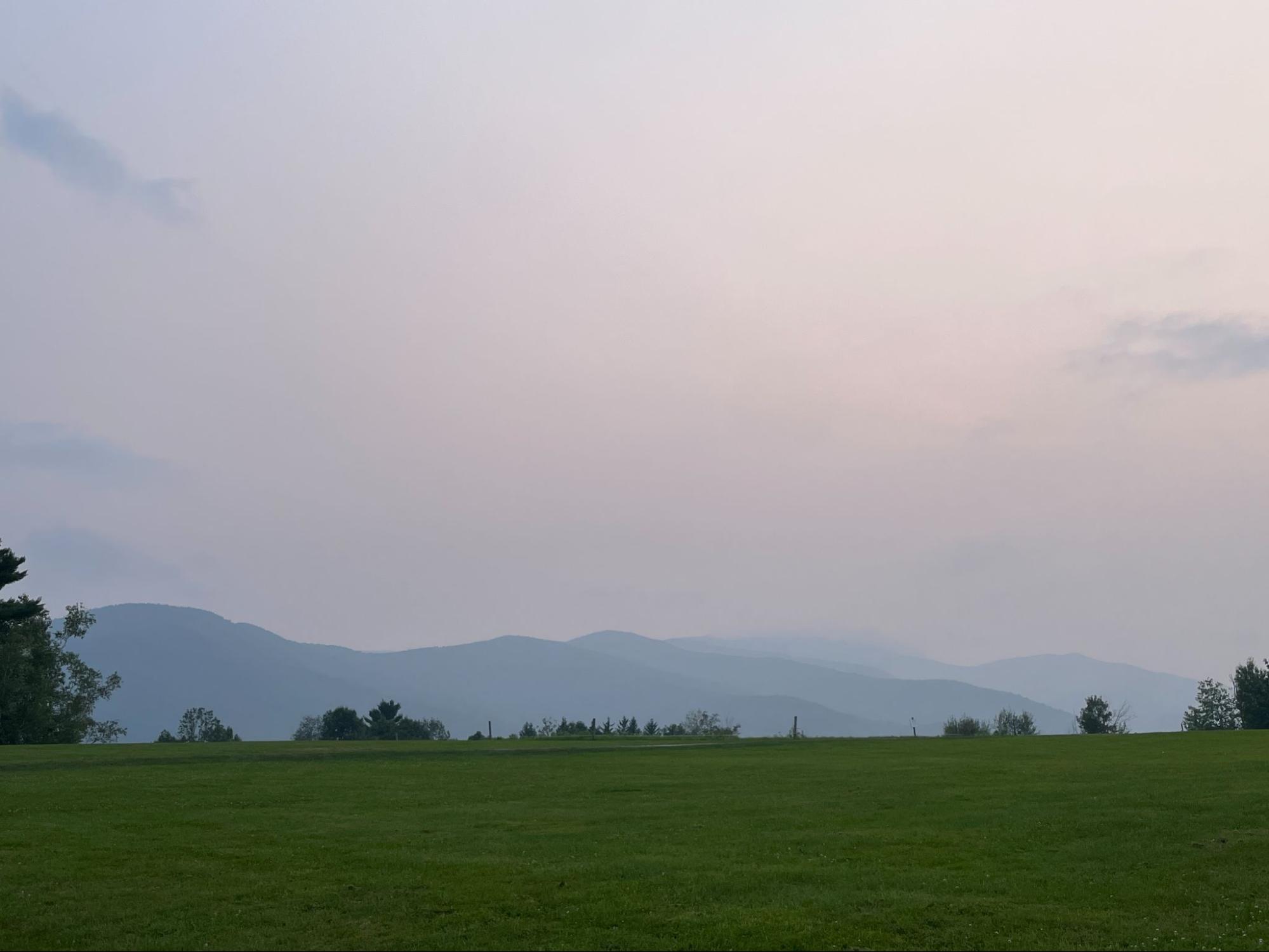
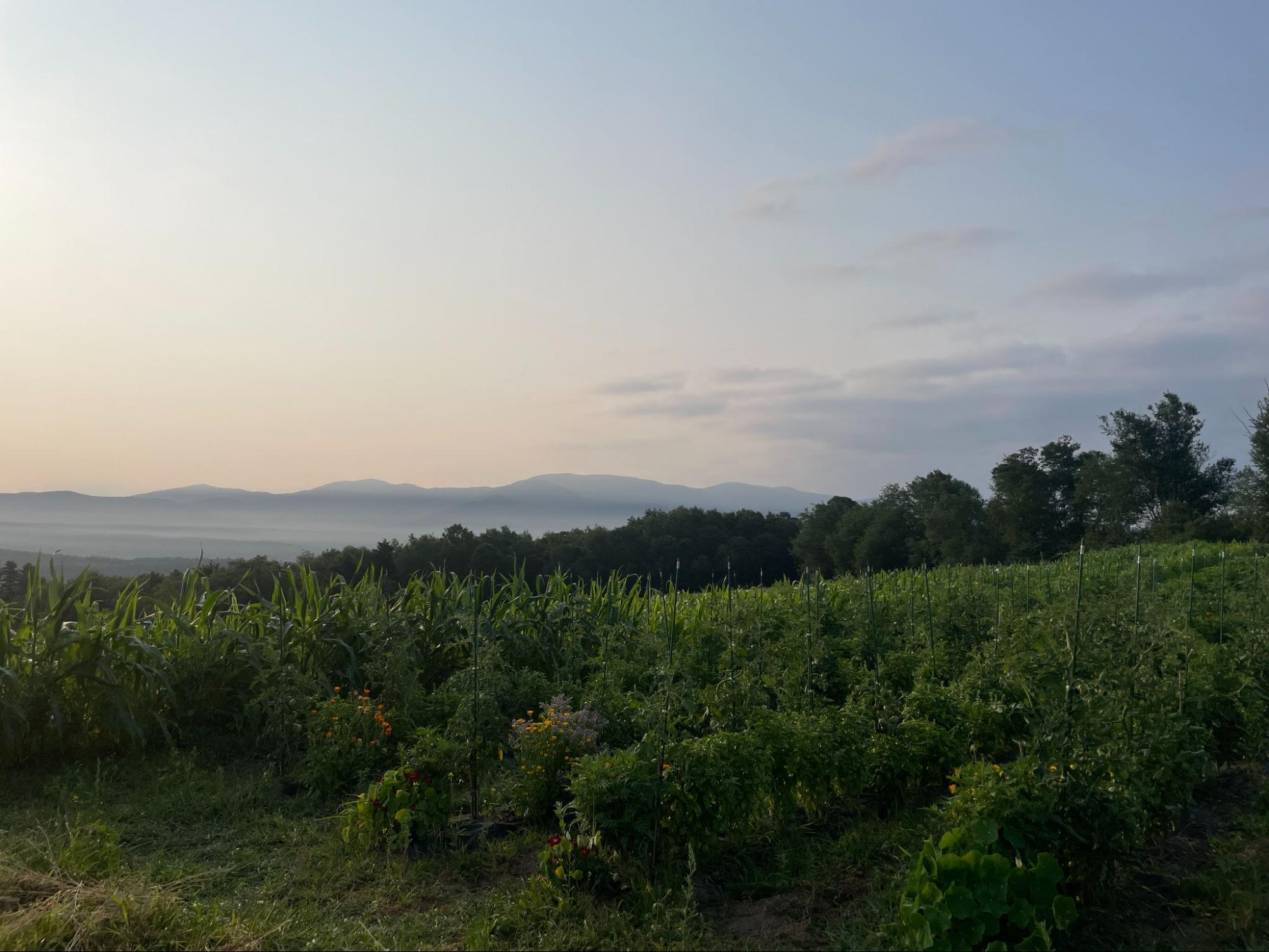
P.S. Enjoy these pictures from our time at the Summer Meeting in beautiful Stowe, VT. Thank you to NSAC for organizing such an impactful gathering.

 There are 574 federally recognized tribes across the U.S., with 9.6 million American Indian or Alaska Natives reported in the 2020 Census. These tribes are distinct, independent nations within the United States, each with their own distinct systems of governance that interact with the U.S. federal government. Tribal leaders are the highest political authorities within their sovereign governments and oversee all aspects of Tribal welfare, including public safety, education, communications, transportation, health & human services, economic development, and more.
 The current era includes a renaissance in tribal food sovereignty efforts, with growing agricultural production and traditional food revitalization. Although challenges remain around land access, Tribes are working to expand Traditional Ecological Knowledge (TEK) and integrate it into food production and education systems. And years of efforts from tribal advocates have greatly improved federal nutrition programs across Indian Country.



 To do this, we use a combination of greenhouse trials and multi-location field experiments at certified organic research sites in Tennessee. We’re testing organic seed treatments, comparing legume living mulch species, and monitoring soil health, nutrient cycling, weed pressure, and corn yield. We also conduct full economic analyses, including cost of production, breakeven yield, and net returns. We also work closely with the



 The reconciliation process is
 To date, we have successfully combined resistance to multiple diseases in several tomato hybrids, including resistance to late blight, early blight, Tomato mosaic virus, Tomato spotted wilt virus, and