The Story of Diane Green and Greentree Naturals
Written by Elizabeth Tobey
 Source: Greentree Naturals
Diane Green is a farmer, researcher, and educator, who has been tending the land at Greentree Naturals Farm in northern Idaho for over 30 years.
Nestled between the Cabinet and Selkirk Mountain ranges outside of Northern Idaho, just 60 miles south of the Canadian border, lies Greentree Naturals Farm. Diane Green and her husband, Thom Sadoski, have been tending this certified organic farm for over three decades. At its peak, this small farm had 2.5 acres in production. In recent years, as Diane and Thom have entered their 70s, they’ve downsized and are now actively farming one acre. They produce 130 varieties of certified organic vegetables, herbs, gourmet garlic, flowers, hops, and seeds—many of which are open-pollinated and saved annually. Their mission has always been clear: to build community through education, to model exemplary land stewardship, and to provide fresh, nutritious organic produce to their local community.
Over the years, Greentree Naturals has hosted numerous research projects in collaboration with local universities in Washington, Idaho, and Montana, and the Organic Seed Alliance. They’ve also received funding from OFRF and several of the major USDA research grant programs, including NIFA’s Organic Transition Program (ORG) and the Sustainable Agriculture Research and Education (SARE)—both programs OFRF works to bolster and protect through our advocacy work.
We spoke with Diane in the spring of 2024 about her experience as a farmer and the importance of research, collaboration, and community education.
Why Organic?
For Greentree Naturals, organic farming is more than a method—it’s a commitment to conservation and land stewardship. Reflecting on the broader impacts of climate change and environmental degradation, she emphasizes that everyone can contribute, regardless of their scale of operation.
“When I look at all the things happening with climate change and the desecration of the earth, it’s overwhelming,” Diane shares. “Growing organically is about making a commitment to practicing conservation and land stewardship, and it’s something that everyone can commit to, whether they have a few grow boxes or a one-acre market garden, or hundreds of acres of food production.”
This commitment is reflected in every aspect of Greentree Naturals, from their diverse crop offerings to their sustainable farming practices and their continuous participation in organic agriculture research and education activities on their farm.
Challenges and Adaptation
 Source: Greentree Naturals
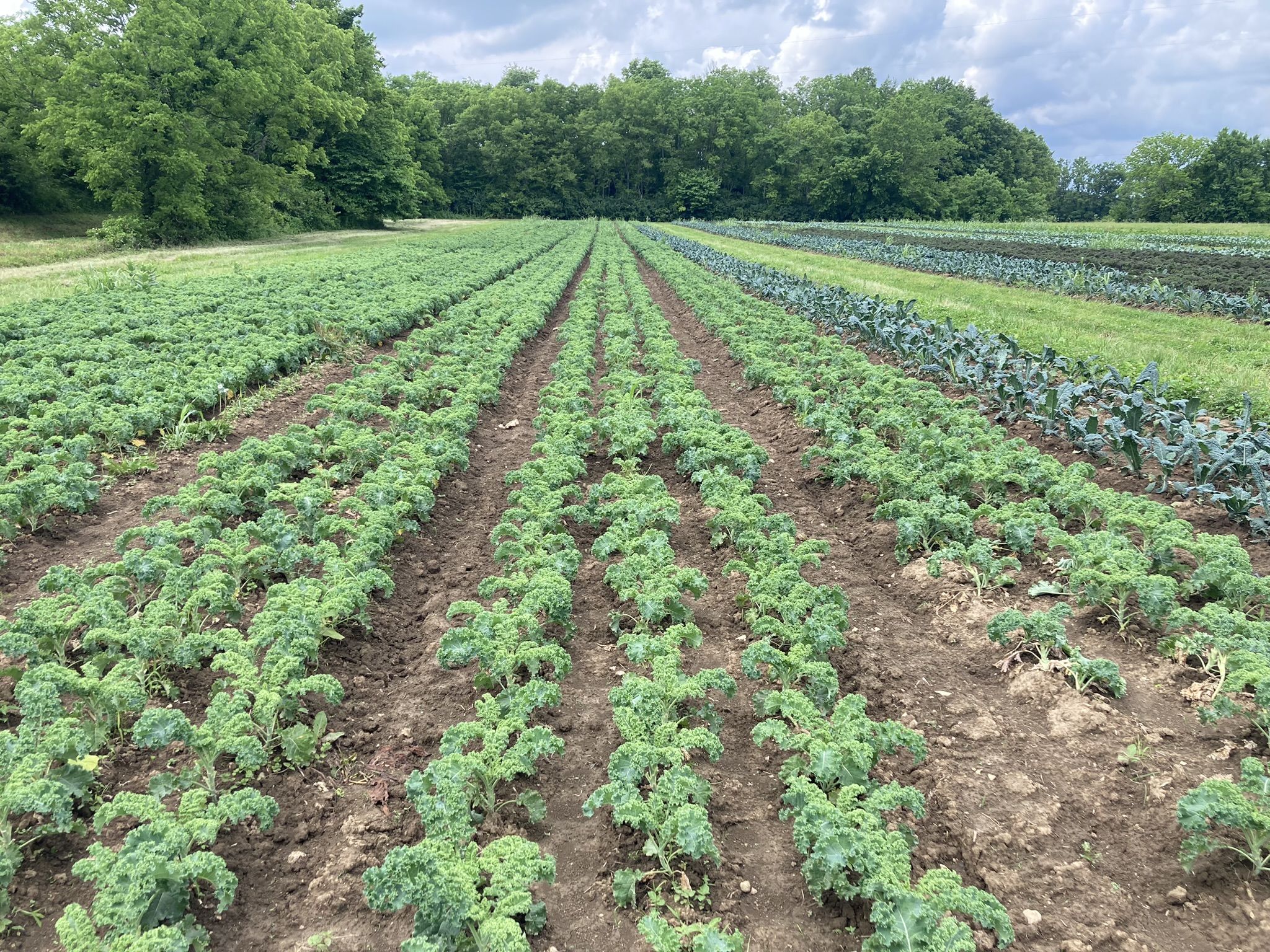
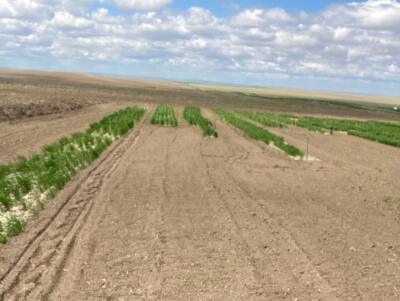
Organic crops growing in the fields at Greentree Naturals.
Farming in Northern Idaho presents unique challenges, particularly with the increasingly unpredictable weather. Over the years, Diane and Thom have kept detailed notes and observed significant changes in weather patterns, including more extreme conditions, such as 90-degree days in May dropping to freezing temperatures overnight. These conditions necessitate season extension techniques and constant adaptation. “Everything I thought was normal has changed,” Diane notes. Planning for these extremes and embracing flexibility is key to success. “I tell my gardening students that as long as you plan for the hottest, coldest, wettest, driest growing season in recorded history, you’ll be ready to grow in North Idaho. But I suppose that’s probably the same for growing everywhere anymore.”
Diane underscores the importance of on-farm research in observing these changes and developing adaptive strategies. “On-farm research [is] a way to help people focus on documenting those changes, and working together through partnerships to find solutions to adapt to those challenges,” she says.
As the growing seasons become hotter, Diane and Thom have noticed new pests showing up. “We’ve had new beneficials too,” Diane notes. “Last year, we saw praying mantises showing up, which we’ve never had before.” But the new types of pests can be alarming and present a challenge. The farm now has three types of wireworms which were not present before. “The grad student that was specializing in wireworms was thrilled about it, we’re not so much,” Diane says with a laugh. As these variables come into play, Diane highlights the importance of clear observations and documentation. “As farmers, we’re always watching,” she says, adding that participating in research can make a difference in how you see things. “It makes you focus,” she says. “I like that.”
Conservation Practices
 Source: Greentree Naturals
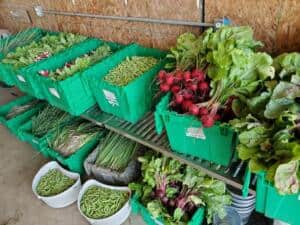
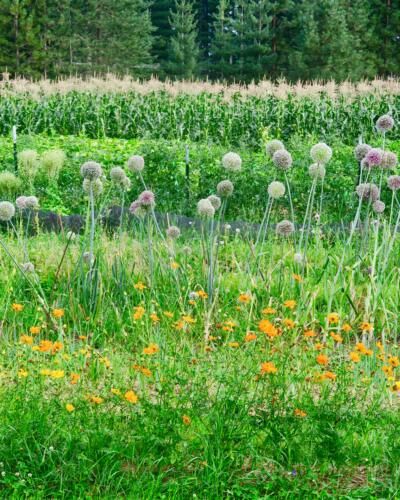
Greentree Naturals produces 130 varieties of certified organic vegetables, herbs, gourmet garlic, flowers, hops, and seeds.
At Greentree Naturals, healthy soil is the cornerstone of their farming philosophy. Diane emphasizes the importance of thinking about soil as a living entity. “The more we learn, the more we know we have to learn about growing healthy soil,” she says. The farm employs a variety of practices to enhance soil health, including reduced tillage and cover cropping, utilizing mustard as a main cover crop because it germinates and grows well in a variety of conditions. They also utilize worm composting and make their own compost, supplemented with OMRI-approved chicken manure-based compost when necessary.
Intimately related to soil health, water quality and biodiversity are critical to their conservation efforts. Greentree Naturals is bordered by wild lands, leading to frequent encounters with local wildlife such as black bears, grizzlies, deer, and elk. Diane incorporates these animals into the pest management workshops she teaches, discussing how to coexist collaboratively with nature.
Research and Education
Greentree Naturals has been a hub for numerous research projects and Diane’s passion for education is evident in her extensive involvement in on-farm research and community education. She contracts with the Oregon State University and the University of Idaho as a consultant, advisor, and farmer-educator. She is also one of the founders of the Cultivating Success Small Farms Education Program and a mentor with the USDA Transition to Organic Partnership Program (TOPP) with Oregon Tilth.
Thom and Diane both have backgrounds collecting field data for the USFS, and were taught early on the importance of recording accurate field information. Their fields are mapped with numbered rows and easy-to-identify locations of plots, specific crops, and field applications. And, because they are a certified organic farm, they are required to maintain clear records of everything they do in the fields.
The farm has been a host site for a variety of research projects, including:
- Efficacy Evaluation of Biological Control Agents Against Wireworms in Organic Production
- Soil Health and Fertility Testing to Optimize Organic Carrot and Beet Production in Northern Idaho
- Biodiversity and Natural Pest Suppression
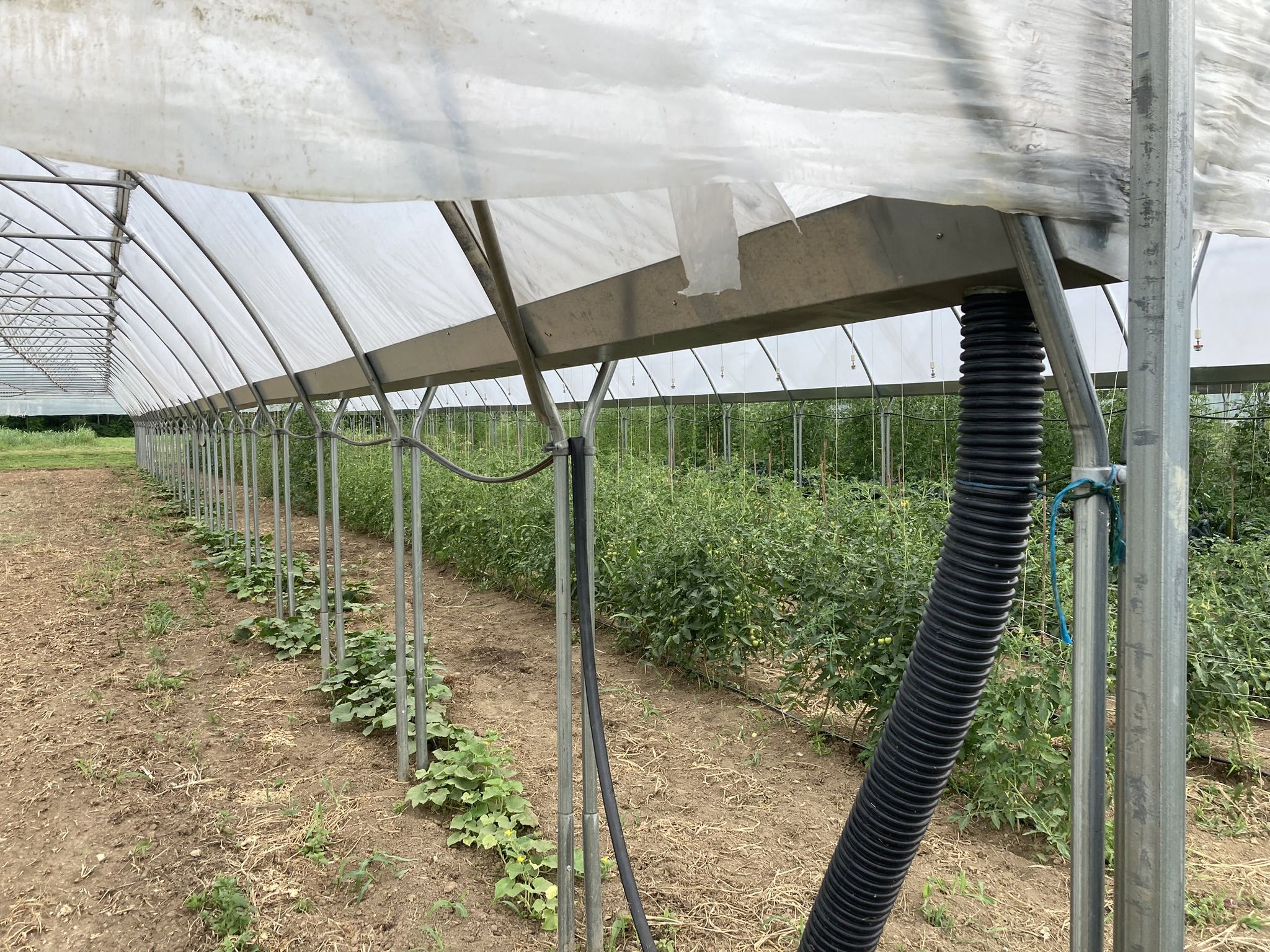
- Extension of Local Food Production in Idaho Using High Tunnel Technology
- Combining Trap Cropping with Companion Planting to Maximize Control of the Crucifer Flea Beetle in Organic Mixed Vegetable Farms
- On-Farm Variety Seed Trials for Organic Systems
Detailed information about the research projects is available on the farm’s website.
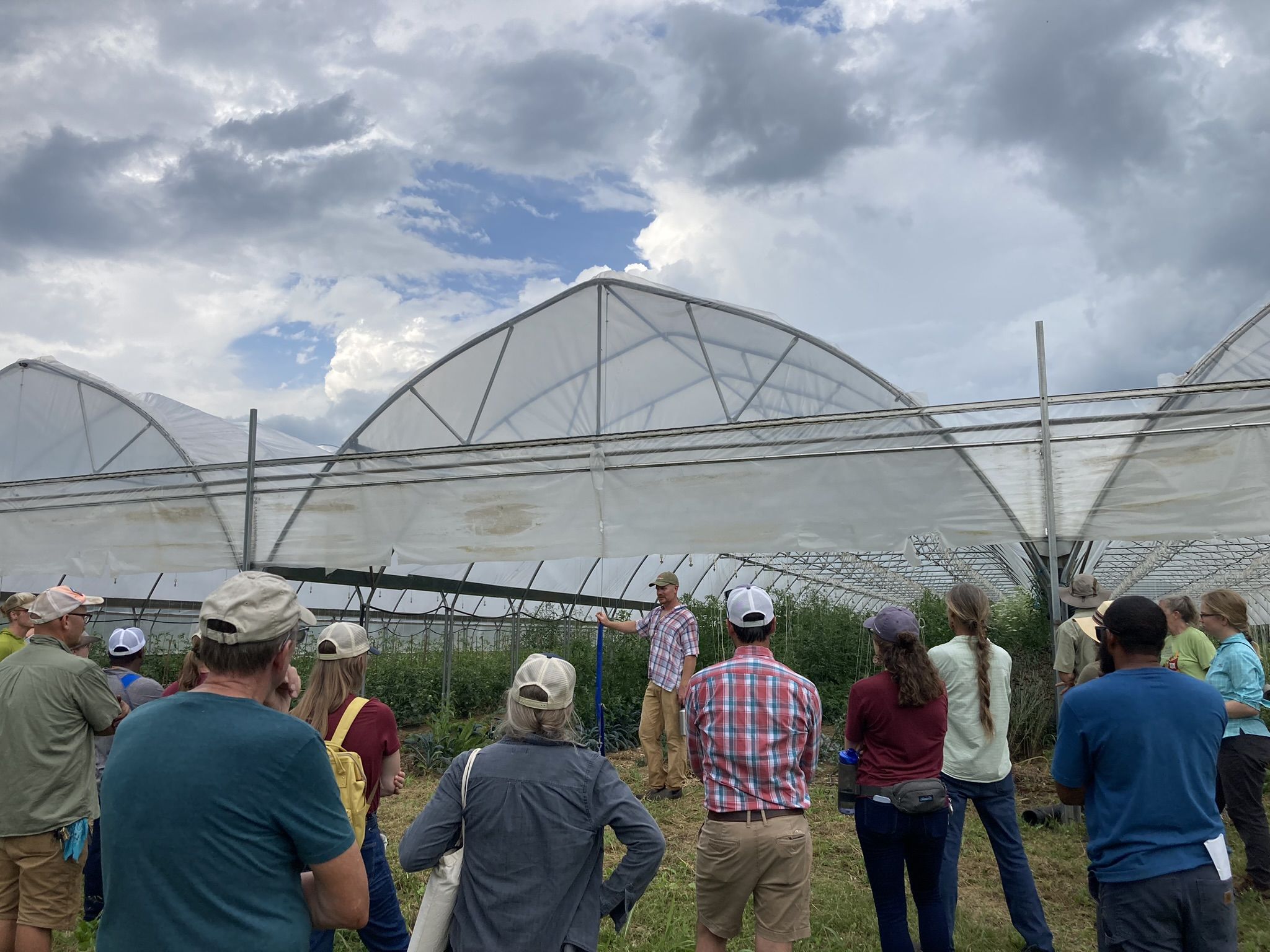
 Source: Greentree Naturals
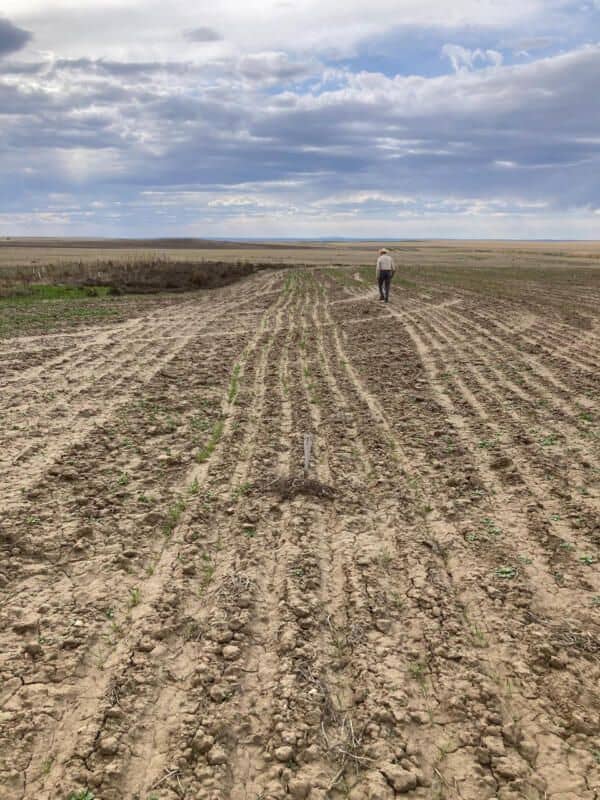
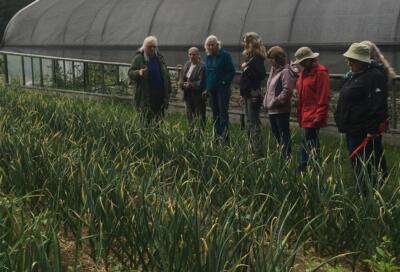
Hosting field days is an important part of community engagement and education at Greentree Naturals farm.
Diane believes strongly in the necessity of these research collaborations. “It’s really important with agriculture research that it’s duplicated on a farm and doesn’t only happen in a controlled university site,” she asserts. “The more we cultivate partnerships between universities and on-farm research, the better.”
Hosting field days has also become a substantial part of how Greentree Naturals promotes farmer education and networking. They’ve had to cap attendance for these events, which often sell out.
“Field days are a wonderful opportunity to network with other farmers, community members, and researchers,” Diane says. “We’ve so enjoyed hosting those at our farm.” They’ve found that the format of a Sunday afternoon event that includes lunch works well for them and their farming community. “Farmers want to learn from farmers,” Diane states, noting that they are always sure to pair a farmer with an extension educator or researcher so that the two perspectives can be shared side-by-side.
Engaging Farmers in Grant Funded Research
 Source: Greentree Naturals
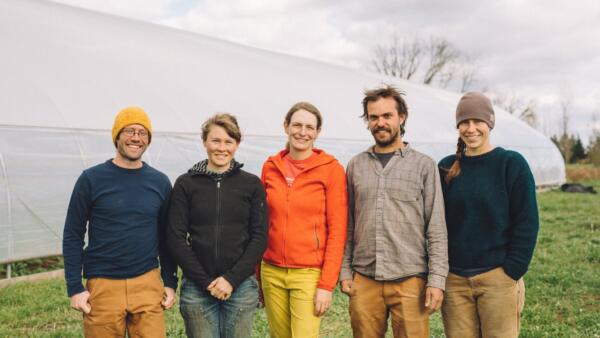
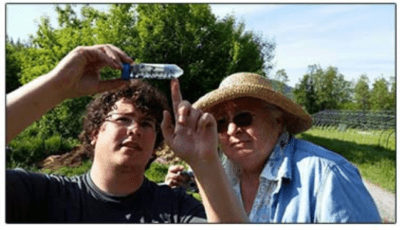
Diane believes on-farm research is a critical component of successful organic research and innovation.
Grant-funded research has played a significant role in the farm’s ability to conduct meaningful research. Diane was quick to note that the money is not the only reason they have participated in research projects; they have donated hundreds of hours and production space to research projects. But as Diane says, it’s much more sustainable for farmers to participate in research when their contributions are honored. “It’s much easier to let go of a production area for research if you’re compensated,” she explains. She notes that too often grantees come to the farmers after a grant is already written. She strongly encourages researchers and extension staff to engage farmers in the grant-writing process from the beginning to ensure that adequate compensation that respects the farmers is written into the proposal.
Diane encourages other farmers to engage in on-farm research and to utilize existing resources and partnerships, noting that “as farmers, we are constantly experimenting and testing our ideas.” But, she says, “it’s important to remind ourselves we don’t have to reinvent the wheel.” There are lots of resources available from sources like OFRF, SARE, and others. Diane also recommends forming partnerships with local extension educators. “Don’t try to do these things alone,” she advises.
 Source: Greentree Naturals
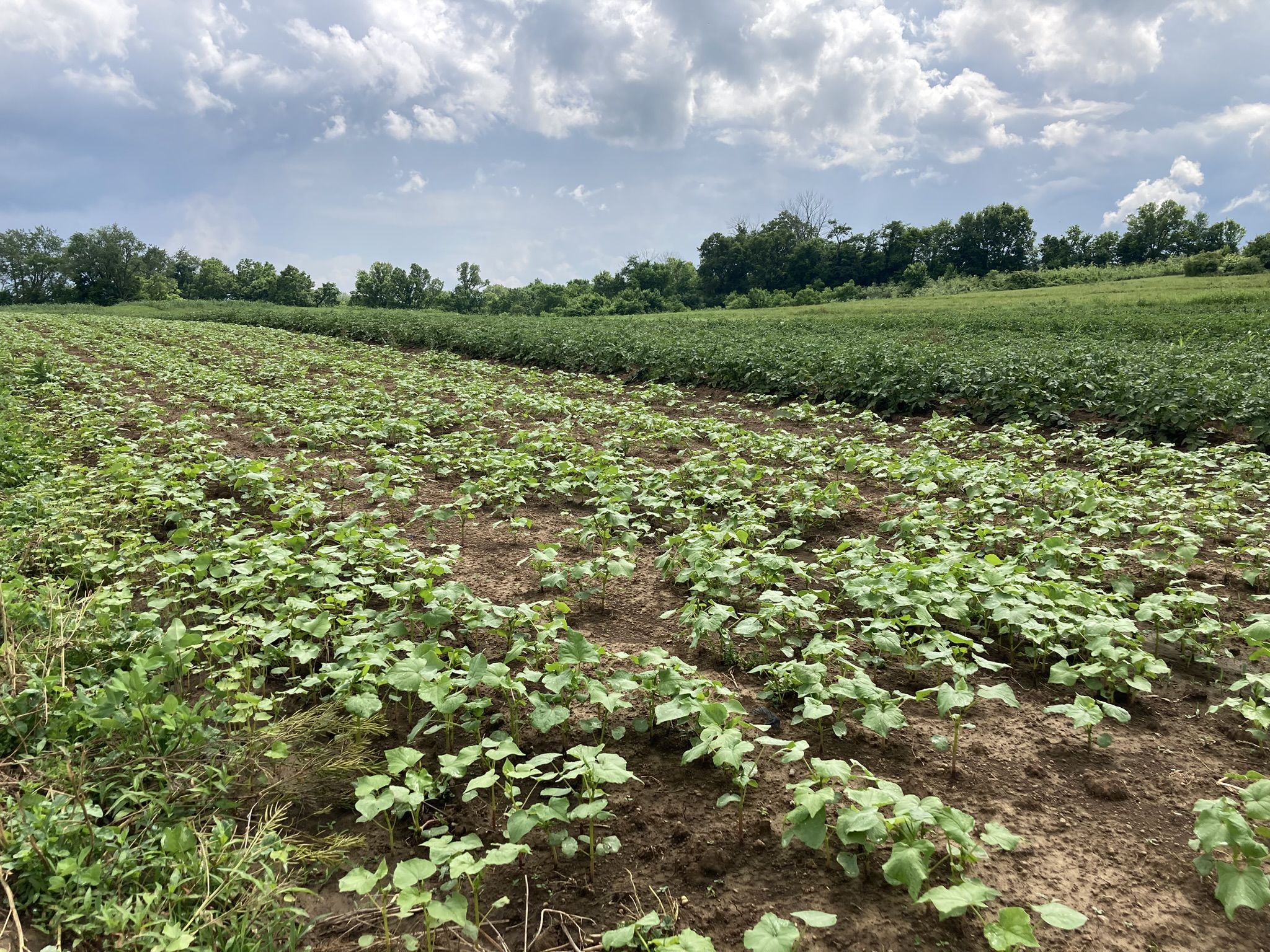
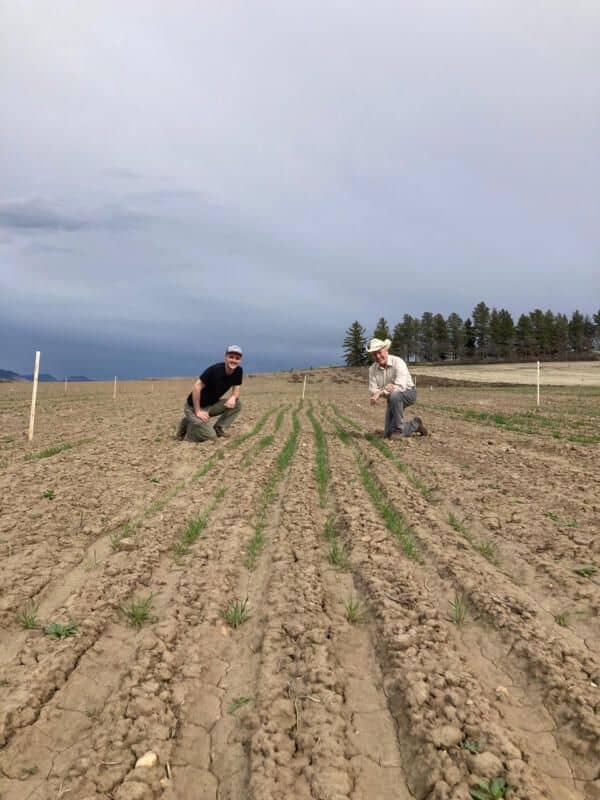
University students assist with an on-farm research trial.
“Applied research and partnerships are crucial,” Diane continues, emphasizing the broader importance of collaboration and community in agricultural research. “As farmers, we tend to be pretty isolated, and we tend to want to put our heads down and do what we’re doing,” Diane admits. “But I think ideally one of the best things we can be doing for ourselves and for the planet is working together and building partnerships through the agricultural community.”
By forming partnerships and engaging in applied research, farmers can achieve more significant and impactful results, benefiting both their operations and the broader agricultural community. “It’s going to take all of us working side by side,” Diane states.
Looking Forward
As Diane and her husband begin to downsize their operations, she has concern for the future of agriculture, particularly the loss of farmland to development and the challenges new farmers face.
“There needs to be a new model for farmland succession, especially in organic farming,” she urges. Diane envisions a future where farmland is preserved for new generations of farmers, ensuring that the biodiversity and sustainability practices they have cultivated at Greentree Naturals continue to thrive, while also supporting aging farmers in their retirement.
Conclusion
Diane Green’s story is one of hope, resilience, and unwavering commitment to organic farming and community education. Through her work at Greentree Naturals, she demonstrates that sustainable farming is not only possible but essential for the health of our planet and our communities. Her message is clear: by working together, farmers, researchers, and educators can create a more sustainable and equitable agricultural system for future generations.
Make sure you never miss a Farmer Story like Diane’s from OFRF by signing up for our newsletter here. Do you know a farmer whose story should be featured? Fill out this short form to let us know about them.





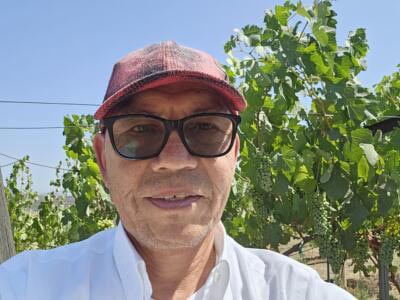
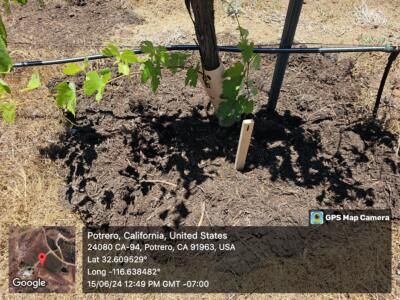
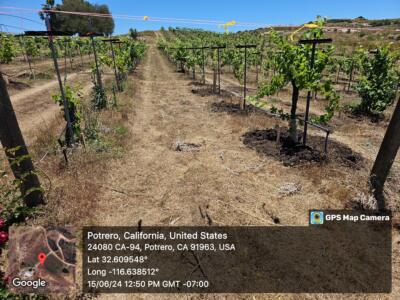 To compare the moisture levels of the two treatments, Jorge purchased a soil moisture sensor. To date, he has conducted two measurements, one in late June and one in mid-July. Based on those readings, Jorge already sees a clear winner: The soil around the mulched grapevines has consistently been showing good moisture levels, while the readings around the un-mulched plants show dry conditions. Jorge’s own observations confirm this: “The mulch is like a double win, the mulch holds the moisture for longer and it suppresses the weeds as well… There are also a lot of creatures and biological activity in the mulched areas, while just putting the soil probe into the un-mulched areas was a challenge, as the soil was hard,” Jorge said.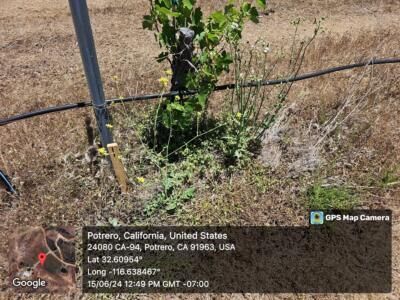


 The average American family spends