Crop Livestock Integration with John Bitter

Crop Livestock Integration with John Bitter

By |2026-03-02T12:00:30-05:00August 30th, 2023|Crop Livestock Integration, FAFO Crop-Livestock Farmers, Insects & Diseases, Livestock, Resource, Soil Health, Weeds|

In OFRF’s 2022 National Organic Research Agenda (NORA), organic farmers and ranchers across North America shared a common concern about the lack of technical assistance and educational resources available for Integrated Crop-Livestock Systems (ICLS). Integrating crops and livestock results in numerous benefits, however the process can also lead to increased complexity, especially for farmers who must adhere to National Organic Program rules and regulations.

This series of resources focused on Crop-Livestock Integration is informed by interviews with four highly-experienced organic producers that shared their challenges, successes, and advice for others interested in integrating livestock and crops on their organic farms.

This video features John Bitter, Production Manager and co-owner of Frog Song Organics. Frog Song is a diversified organic farm producing vegetables, orchard crops, herbs, flowers, pork, and eggs. Operating on 62 acres in north Florida, Frog Song employs about 30 full-time workers, supplies direct and wholesale markets in several nearby cities, and runs an online, customizable CSA program. In this video, John talks about integration of crop and animal production systems at this thriving organic farm.

Plants sprouting with the Organic Farming Research Foundation Logo

Food Safety and Crop-Livestock Integration

By |2026-03-02T11:57:51-05:00August 30th, 2023|Certification & Compliance, Crop Livestock Integration, FAFO Crop-Livestock Farmers, Livestock, Resource|

In OFRF’s 2022 National Organic Research Agenda (NORA), organic farmers and ranchers across North America shared a common concern about the lack of technical assistance and educational resources available for Integrated Crop-Livestock Systems (ICLS). Integrating crops and livestock results in numerous benefits, however the process can also lead to increased complexity, especially for farmers who must adhere to National Organic Program rules and regulations.

This series of resources focused on Crop-Livestock Integration is informed by interviews with four highly-experienced organic producers that shared their challenges, successes, and advice for others interested in integrating livestock and crops on their organic farms.

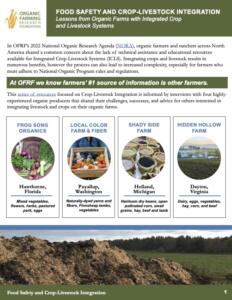
Food safety is a critical concern for any farmer, and those with integrated systems must take extra precautions. Learn how organic farmers identify and mitigate critical points for food safety and where you can find assistance in developing a food safety plan for your farm.

Food Safety and Crop Livestock Integration report cover

Benefits of Crop-Livestock Integration

By |2026-03-02T11:56:41-05:00August 30th, 2023|Cover Crops & Crop Rotation, Crop Livestock Integration, FAFO Crop-Livestock Farmers, Insects & Diseases, Livestock, Resource, Soil Health|

In OFRF’s 2022 National Organic Research Agenda (NORA), organic farmers and ranchers across North America shared a common concern about the lack of technical assistance and educational resources available for Integrated Crop-Livestock Systems (ICLS). Integrating crops and livestock results in numerous benefits, however the process can also lead to increased complexity, especially for farmers who must adhere to National Organic Program rules and regulations.

This series of resources focused on Crop-Livestock Integration is informed by interviews with four highly-experienced organic producers that shared their challenges, successes, and advice for others interested in integrating livestock and crops on their organic farms.

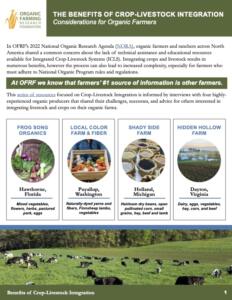
Learn about the benefits of crop-livestock integration, including reduced inputs, improvements in soil tilth and health, higher nutrient densities in food and forages, pest control in crops and livestock, decreased need for mechanical cultivation, and more.

Benefits of Crop Livestock Integration report cover

Crop Rotations and Crop-Livestock Integration

By |2026-03-02T11:59:32-05:00August 30th, 2023|Cover Crops & Crop Rotation, Crop Livestock Integration, FAFO Crop-Livestock Farmers, Insects & Diseases, Livestock, Resource, Soil Health, Weeds|

In OFRF’s 2022 National Organic Research Agenda (NORA), organic farmers and ranchers across North America shared a common concern about the lack of technical assistance and educational resources available for Integrated Crop-Livestock Systems (ICLS). Integrating crops and livestock results in numerous benefits, however the process can also lead to increased complexity, especially for farmers who must adhere to National Organic Program rules and regulations.

This series of resources focused on Crop-Livestock Integration is informed by interviews with four highly-experienced organic producers that shared their challenges, successes, and advice for others interested in integrating livestock and crops on their organic farms.

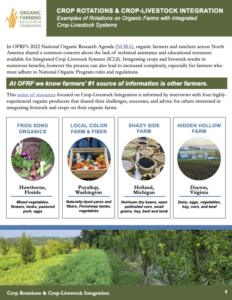
Farmers with ICLS utilize carefully-planned rotations of  crops and animals that intersect and overlap to provide benefits to soil, crop, and livestock health. Read about and see illustrations of examples of integrated crop and animal rotations developed by organic farmers.

Crop Rotations and Crop-Livestock Integration report cover

Organic + Regenerative: messaging resources coming soon

By |2024-06-18T18:12:39-04:00August 14th, 2023|News|

By Brise Tencer, OFRF Executive Director

Consumers are showing an increasing interest in understanding the environmental impact of their food choices. Meanwhile, farmers, who are on the front lines of climate change, are actively exploring farming practices that can contribute to both climate change mitigation and adaptation. This alignment presents a unique opportunity to promote transformative practices through research, education, and on-farm trials. However, it’s crucial to expand our efforts to educate a wider audience about the farming systems responsible for generating these benefits and how to effectively scale up these systems.

Although the term ‘regenerative’ has gained widespread traction among farmers and the food industry, definitions of the term vary widely. Organic farmers have long been engaged in regenerative practices, yet organic is often overlooked as a climate solution. Organic agriculture, grounded in principles that collaborate with nature, foster healthy soil, and contribute to clean water, biodiversity, and thriving farm communities, encompasses the essence of holistic and regenerative farming.

OFRF is working to help articulate the benefits of organic by sharing the latest scientific insights on pesticides, soil health, and biodiversity and by clarifying the  regenerative facets inherent in the organic standards. We have been hard at work reviewing a plethora of resources and science on these questions and we are preparing to launch a suite of messaging resources about the ways in which Organic is Regenerative; stay tuned for an upcoming introduction of these valuable resources!

Celebrating Midsummer Growth: OFRF team expands

By |2024-06-18T18:13:31-04:00August 10th, 2023|News|

By Dominica Navarro, OFRF Deputy Director

As farms bustle with midsummer abundance, OFRF is also excited to celebrate growth. In the month of July, we welcomed three new members to our organization! We are elated to see the team grow and with added capacity, OFRF looks forward to continuing to serve organic and transitioning farmers across the nation. Meet our newest members:

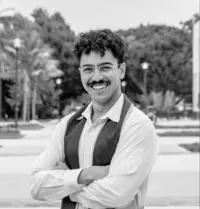
Policy and Communications Intern – Adam Bagul

Why is organic important to you?  “Organic agriculture is incredibly important to me because I don’t want to eat poison and I do not want my fellow Americans eating poison either. I firmly believe that agricultural standards (as well as overall food standards) are in desperate need of reform, which makes me very proud to contribute to OFRF’s work.” 

One upcoming work-related thing you are excited about: “As a part of this work, I have had the pleasure and privilege of writing this month’s policy corner blogs and I am very excited to see it posted on the website.” 

Favorite thing to grow in the garden: “While I haven’t had the chance to grow fruits or vegetables myself, I always thoroughly enjoyed eating the tomatoes grown in my dad’s box garden, back when he lived in Tennessee.”

Read more about Adam here

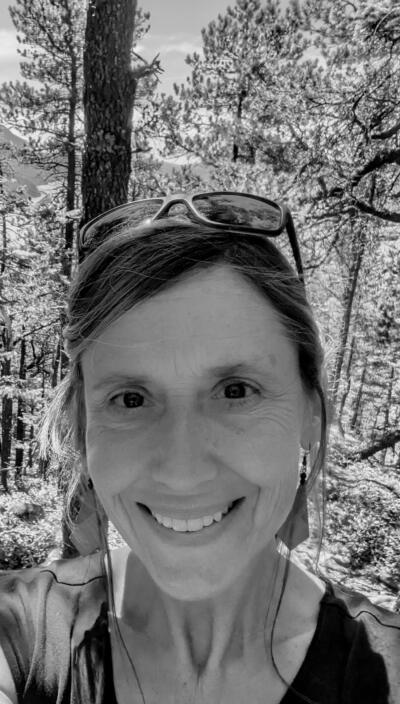
Senior Scientist – Heather Estrada

Why is organic important to you? “At its heart, organic farming exemplifies a holistic or systems-approach to farming, which intrigues me as an agronomist and self-confessed soil biology nerd. I’m also really grateful for the continued efforts to preserve the integrity of the organic label and for the freedom of choice that brings to our food system.”

One upcoming work-related thing you are excited about: “OFRF’s soon-to-be-released Crop-Livestock Integration materials. The farmer interviews are super inspiring and informative for aspiring growers—everyone did an awesome job on these! Also, I am excited to be working with such a great team at OFRF and beyond.”

Favorite thing to grow in the garden: “Berries, no contest. Strawberries, raspberries, and honeyberries (haskaps) are favorites.”

Read more about Heather here.

Research and Education Engagement Coordinator – Jose Perez Orozco

Why is organic important to you? “One of the fundamental organic farming principles is to care for a living soil and the entire farming ecosystem. To do that, organic farmers nurture their soil, and protect their water, biodiversity and other natural resources. Today, more than ever, we need this type of holistic resource management to care for ourselves and our earth.”

One upcoming work-related thing you are excited about: “I’m really excited about connecting with farmers, learning from them, and also providing all the technical support I can. I will be leading OFRF’s Farmer Learning Trials. In this role, I’m looking forward to seeing how farmers’ ideas become on-farm trials that can help them improve their farming operation.”

Favorite thing to grow in the garden: “Mint, basil, and creating a native landscape in my non-food garden.”

Read more about Jose here.

What August Recess means for Organic Ag Advocacy

By |2025-08-05T11:47:03-04:00August 10th, 2023|Gordon's Policy Corner, News|

This month’s Policy Corner has a guest author, OFRF Policy and Communications Intern, Adam Bagul.

Photo credit: Adam Bagul

Almost as if chased away by the potent combination of heat and humidity that has descended upon the District of Columbia, our Senators and Representatives have returned back home to their districts for the August recess. Congress Members usually use this time to hold town hall meetings or to be available for in-district meetings. This break from the hustle and bustle of Capitol Hill presents a golden opportunity for constituents to connect with their policymakers. Since 2023 is a Farm Bill year, let’s take a moment to delve into the Farm Bill process, a linchpin of agricultural policy, and use this recess to mobilize support for bills that will ensure a robust future for organic and sustainable agriculture in the United States.

The Farm Bill is a comprehensive piece of legislation that shapes agricultural policy, nutrition programs, and rural development initiatives for the next five years. My internship with the Organic Farming Research Foundation has provided me with a front-row seat to this intricate process. I’ve witnessed various organic and sustainable agriculture advocacy organizations, all working towards a common goal – a resilient and sustainable agricultural future. I’ve worked to promote different marker bills, legislation used to signal positions on issues within our legislative bodies. This work has helped me to see that the Farm Bill isn’t just an obscure collection of irrelevant policies; it’s about our farmers, our land, our health, and our food security. The bills that make up this Farm Bill will dictate the immediate future of agriculture, nutrition, conservation, and forestry of the US.

The August recess allows Congress to step back into their home districts, reconnect with their roots, listen to their constituents’ concerns, and gain a better understanding of local issues. Showing legislators that farms and organic businesses are part of your community, how they make an impact in their districts, and communicating what support they need to be successful are important actions to take during this period. As citizens passionate about agriculture and rural development, this is our moment to be heard. Meeting with policymakers might seem daunting, but it’s an avenue that holds immense potential to create change. Here are a few tips to make the most of your interaction:

  1. Plan Ahead: Reach out to your Congressperson’s local office to schedule a meeting. Be clear about the topic you wish to discuss and your objectives for the conversation.
  2. Do Your Homework: Familiarize yourself with the Congressperson’s stance on agricultural issues and the Farm Bill. This shows your commitment and helps tailor your conversation. Additionally, familiarize yourself with the marker bills being considered this year. OFRF has great resources for you to do so.
  3. Bring Data: Numbers and statistics can be persuasive. If you’re discussing the impact of a certain policy, back it up with relevant data. Another piece of information to bring could be lists of organizations within your legislator’s district that are in support of initiatives or bills that you support.
  4. Be Concise and Clear: Time is often limited. Clearly articulate your main points and concerns. Provide real-life examples to illustrate your arguments. Constructing a rough road map of how you’d like to share information with your legislator is a helpful way to ensure every point that you’d like to make is included.
  5. Engage Emotionally: Share personal stories that highlight the real-world implications of agricultural policies. Emotionally compelling narratives can leave a lasting impression.

These principles for successful conversations with our elected legislative officials are a part of my daily work as an intern at OFRF. Amidst this bustling realm of policy and legislation, my internship experience has been informative and rewarding. From diving into research on agricultural sustainability to participating in policy discussions, I’ve gained invaluable insights into the complexities of policy advocacy in the United States. At OFRF, much of my work consists of drafting and sending communications to congressional staffers, conveying the significance of marker bills centered around organic farming research for the impending Farm Bill, such as the Organic Science Research Investment (OSRI) Act and the Strengthening Organic Agriculture Research (SOAR) Act. Similarly, sitting in on meetings between various organic and sustainable agriculture advocacy organizations has been edifying. Witnessing the behind the scenes work and shared determination to drive positive agricultural reform has been nothing short of inspiring. 

One particular initiative that I have been working with is the Safeguarding Agricultural Research (SARF) letter. This letter is a call for legislators to prioritize and protect agricultural research funding, written by OFRF, signed by organizations, businesses, and farmers from all over the US. The purpose of SARF advocacy isn’t just for Universities to receive more money for research; it’s about ensuring that our farmers have access to the knowledge and tools they need to overcome challenges. It’s about fostering innovation that leads to more resilient crops, sustainable practices, and a brighter agricultural future. My internship with OFRF has illuminated the necessity of agricultural advocacy: as engaged citizens we have a duty to communicate our priorities to our legislators and secure our commitment to the land and crops that sustain us. The August recess is an occasion for us to advocate for policies that bolster initiatives like SARF, in turn advocating for the resilience and vitality of American agriculture. Our voices, together, have the power to shape the future of our fields and farms.

If you have questions about OFRF’s policy advocacy work, or want to know how to get involved, please reach out: gordon[at]ofrf.org. As Gordon says:

Eat well,

Adam

Heather Estrada (she/her/hers)

By |2024-06-18T18:13:47-04:00August 1st, 2023|Staff|

Research & Education Senior Scientist

email: heather[at]ofrf.org

Heather Estrada has been a part of the organic farming community for the past 20 years, as a scientist, professor, grower, and advocate. She has worked with transitioning and certified organic farmers in the field, conducted organic crop and weed research, and has spent much of her career educating students in regenerative organic farming principles and practices. 

Heather started her organic agriculture career in Edmonton, Canada, studying and researching organic wheat breeding and agronomy. She graduated from the University of Alberta (BS, Crop Science; PhD, Plant Science) and then moved to Kalispell, Montana to work as a cropping systems research agronomist with Montana State University. Heather switched her career focus to education in 2012, taking on the role of college professor and Agriculture program director at Flathead Valley Community College in Kalispell. While there, she created degree programs and curriculum, started a working educational vegetable farm on the college campus, and taught classes such as plant science, soil nutrient management, integrated pest management, practical farm production, and building community food systems.

Heather is looking forward to bringing her experience and passion for research and education to OFRF, and hopes to make a meaningful contribution to the lives of farmers through her work.

Frog Song Organics

By |2024-06-18T18:14:01-04:00July 26th, 2023|Crop Livestock Integration|

Frog Song Organics

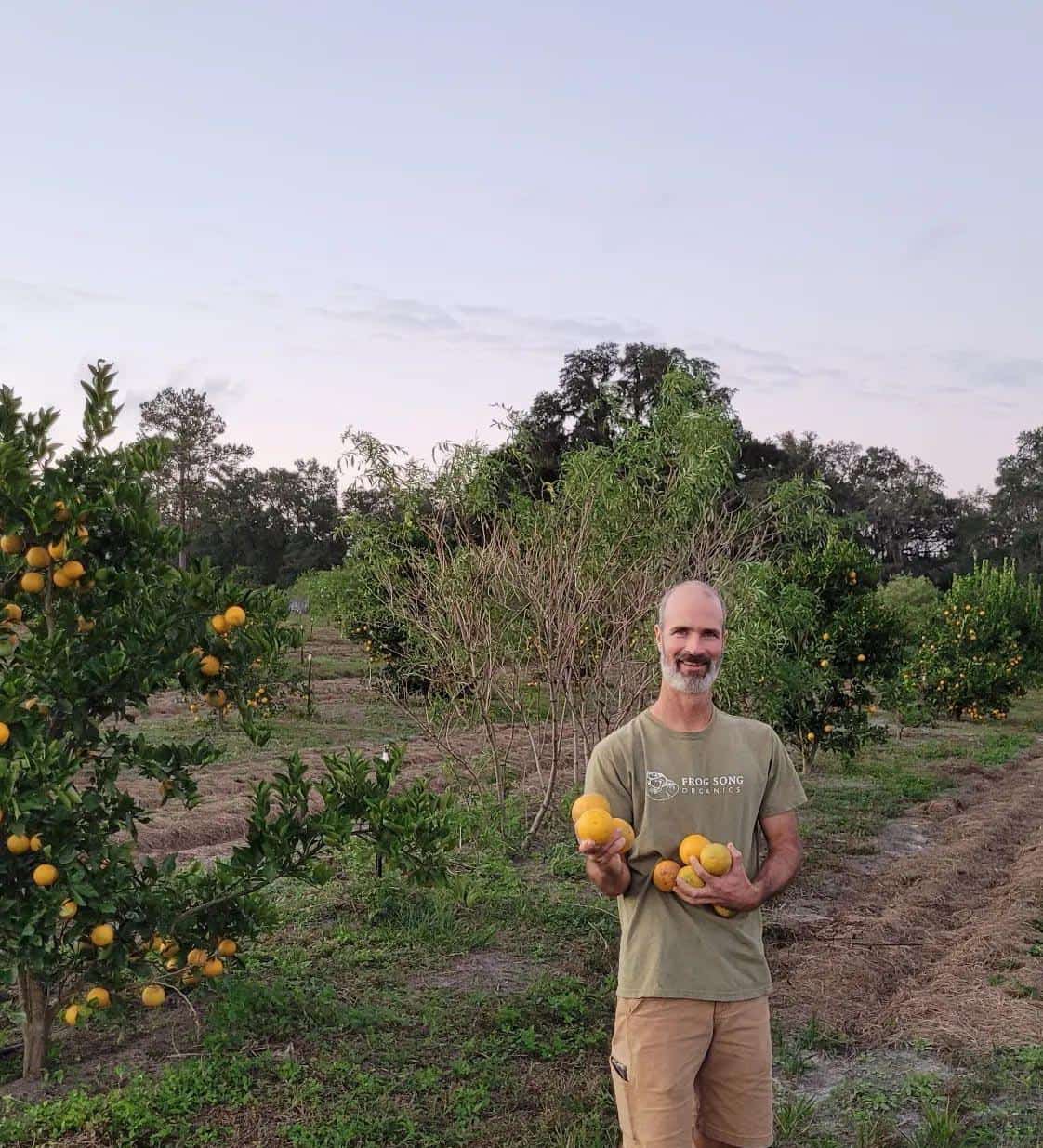
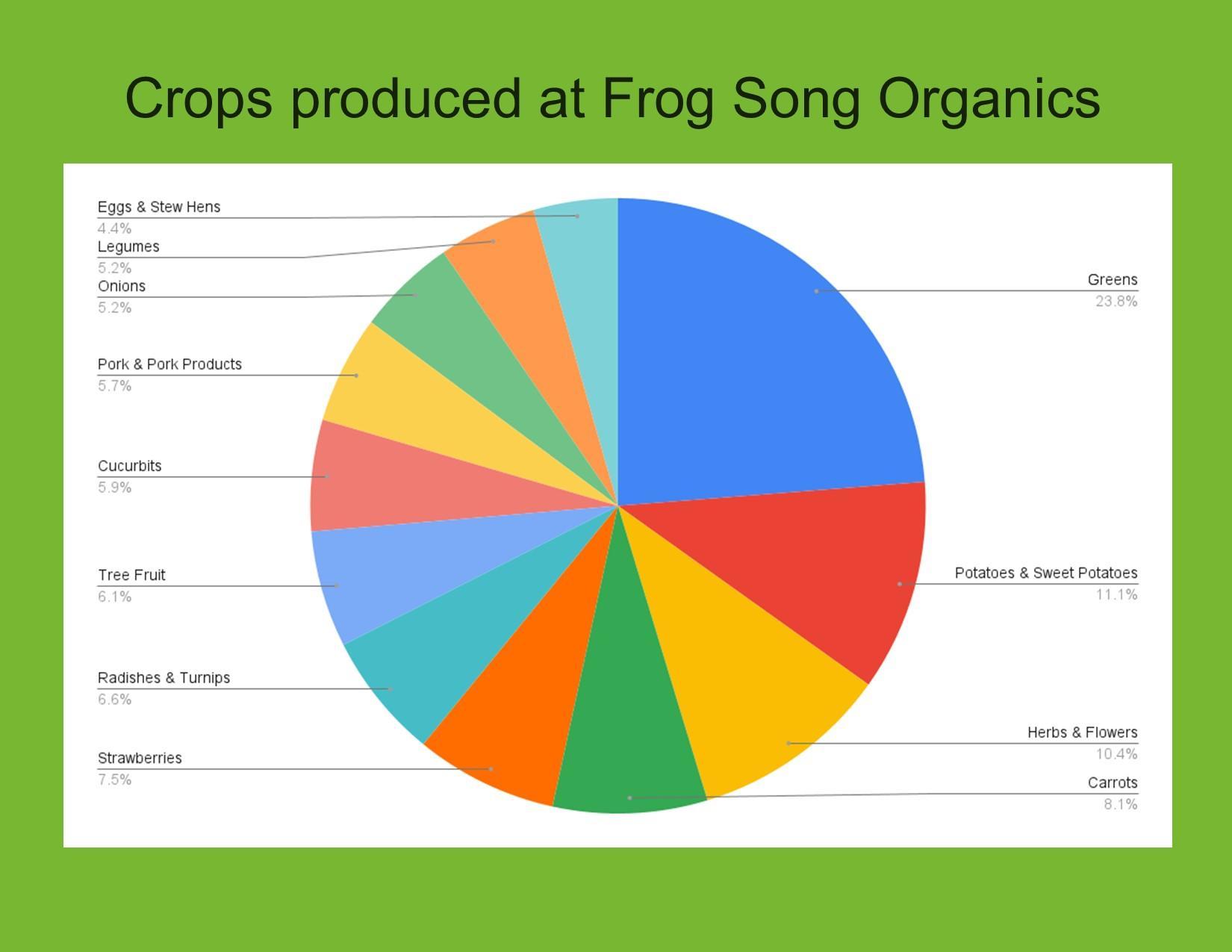
Frog Song Farm is a highly diversified farm producing vegetables, herbs, flowers, orchard crops, pork and poultry products, and legumes. John Bitter was one of the farmers that OFRF spoke to in a series of interviews about Integrated Crop-Livestock Systems, the practice of raising livestock and crops on the same farm, overlapping on the same ground in ways that can benefit the animals and the plants, as well as the whole farm ecosystem.

Farm name: Frog Song Organics
Farmer name: John Bitter
Location: Eastern Alachua County, near Gainesville, Florida, (traditional homelands of the Seminole Tribes, the Republic of Timucua, the Miccosukee Tribe, and Mascogo).
Products: Diversified mixed vegetables, flowers, herbs, pastured pork, eggs.
ICLS practices: Grazing & terminating cover crop, cleaning up crop residue, breaking pest cycles.
Years certified organic: Since 2012.
Acreage: Manage 62 acres, mix of leased and owned with 20-40 acres in production at a time.
Type of livestock: Pigs, chickens.
Markets: Farmers Markets, CSA, wholesale distribution, and home delivery/custom boxes.
Years in operation: Since 2011.
Farm crew size: Employ ~30 people. Half the team is directly involved in daily crop production.

Balancing Act: How Frog Song Organics Integrates Livestock and Crops

When John Bitter and his wife Amy started Frog Song Organics on 5 acres in 2011, a vision of how to carefully scale-up the farm was long in the works. They both had several years’ experience working with farms in the area, and each knew nearby markets well enough to know they had opportunities to grow. Looking ahead, they had also spoken with the owner of neighboring land about leasing additional acreage in the future. 
Fast-forward 12 years, and Frog Song Organics is a 62-acre operation with about 30 full-time employees and 20-40 acres in production at any one time. Located less than a 2 hour’s drive from several markets, Frog Song provides organic products year-round to four farmers markets and wholesale accounts in Gainesville, Orlando, St. Augustine, and Tampa, and through an online-order, customizable-box CSA program. 

At this stage, John is happy with the size of the operation, and focused on improvements to the overall farm. “Now we’re just trying to fill in the efficiency of what we are doing. We don’t really want to get a lot bigger but we want to get more efficient and more profitable, being able to do more with less resources, essentially,” he said. 

Frog Song is a highly diversified farm producing vegetables, herbs, flowers, orchard crops, pork and poultry products, and legumes. For John, balancing the livestock and crop enterprises is key. “Something to think about is how all this scales,” he said. From his perspective, scaling “needs to match the fertility, the planting, and the marketing…and if one of those is way out of whack, the business might fail.” So while Frog Song could produce a lot more pork and eggs, keeping a system that is balanced, where the amount of livestock fits the crop systems, is John’s recommended strategy. “People are looking at one way or the other, like ‘I’m going to be a pig farmer or a chicken farmer’, well, that’s 1/8th of what you do, or 1/12th of what you do, and you base the rest on what grows really well in your area and what resources you already have available rather than trying to bring in too much of the resources that will end up driving you out of business. If you depend too much on other resources, eventually, when the prices of those resources change, your business model will have to change, very rapidly, or else you won’t stay in business.” 

Why integrate livestock with crop production?

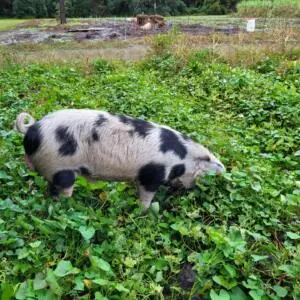
Speaking about why John and Amy decided to include animals from the onset, John says, “The primary reason we integrate livestock is to turn a liability into a resource.” For Frog Song, that means pigs are brought into sweet potato fields following harvests to help clean up 

‘seconds’ and bits left behind that can otherwise harbor pests. In the warmth of the southeastern region where Frog Song is located, a sweet potato weevil thrives. The highly mobile bug can ruin inventories and crops in fields. Non-organic controls include herbicide applications to sweet potato fields following harvests, or soil fumigants. As an organic farm, Frog Song had to find other methods. “We decided pigs were the best way to plow over the land without using a lot of diesel. So the pigs will take sweet potato scraps and turn it into something that’s a very high-value product: organic bacon. Better than organic, it’s actually pasture-raised and on organic pasture!”

Another liability-turned-to-resource can be seen in the orchards. Chickens are ranged under established (2 years old or more) stone fruit trees after fruiting. As they scratch and peck around the trees, they effectively reduce plum curculio, millipedes, cutworms and other lepidoptera pests. To make the most of the benefits of the chickens’ manure, feed is concentrated around the base of fruit trees to maximize the time they spend scratching weeds and leaving behind manure. 

Cover crops and livestock integration

On farms with integrated systems of crops and livestock, cover crops can provide valuable forages. At Frog Song, cover crops are planted year-round, and almost always include a multi-species mix. From November to February, winter rye, coker oats, and wheat are planted. Buckwheat, 4 types of millet, and sorghum-Sudan grass go in from March to October. And from April through August, John plants Sunn Hemp as a stand-alone. All of these crops, in addition to certain cash crops like the sweet potatoes, are eventually grazed by animals. 

Sunn Hemp is planted as a stand-alone cover crop in a pear orchard. “This would be a good time to graze it down by pigs, if you needed to. Sunn Hemp is kind of our backup plan for pig grazing. We try to have enough millet and sorghum and buckwheat after the sweet potato crop, and if we fail at any time, then we have acres and acres of the Sunn Hemp that would be a decent forage for them.” John recommends grazing sunn hemp only until about 20 inches tall. At about waist-high, it becomes too tough, high in a particular acid, and the pigs “just won’t eat it,” he says.  Also of note: for grazing pigs in this area, the fence would be placed to exclude the pigs from the pear trees. 

The choice of which cover crops to plant for grazing centers around three questions for John. One, will the animals eat it, and at what stage is best to start grazing? Two, how much does it cost to establish, in both time and expenses, especially given that the cost of cover crop seeds can vary from year to year? And three, how does the crop fit in with the rotation? The answer to that third question, for Frog Song, has special implications for legume cover crops. Since one of Frog Song’s cash crops is legumes, they need at least 3 years in the rotations without legumes in order to avoid building up diseases like white rot. Sunn Hemp seems to be a distant enough relative that it remains in the cover-crop mix at Frog Song, and does not contribute to buildup of diseases affecting legume cash crops

The switch to on-farm breeding

For years at Frog Song, piglets were purchased off-farm, but after some time, John decided it was best to breed their own pigs on-farm. “After being in business for some years,” he explains, “sometimes the piglets aren’t there when you need them to be there, in your cycle.” Since beginning on-farm breeding with Red Wattle Hogs, the animals are bred and available at times that suit the farm, and the animals “stayed in good health and stayed productive.” 

To maintain healthy genetics, a few sires from different lines are brought in to live on site. A few sows cycle through the “Honeymoon Suite” to breed with them, and then are introduced to farrowing pens, which are “good spots on the farm…basically giving the sow the best of what there is in that moment of the year,” with plenty of shade and quality forage. Within 7-14 days, the piglets have begun to graze the forage and are learning the cycles and systems of Frog Song. 

“Certain animals can be pretty much addicted to grain,” John explained. “They won’t go forage for themselves, they’ll just wait for when the grain comes, then they get really nasty to have to battle out their siblings or bunkmates for that grain. In our system, we’re looking for the pigs who just want to go plow up any part of their block, go find their own sweet potatoes, and there’s really no way that a bully pig can dominate that system: they’ve all got plenty to eat, they’re stress-free, and by the time they get to the end of the block, there’s a new block waiting for them.”

Adaptations in infrastructure for livestock
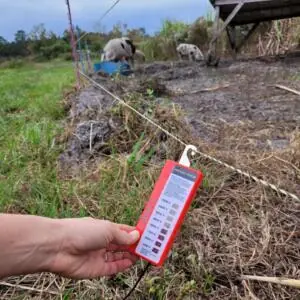
Two of the most important pieces of infrastructure for livestock at Frog Song are electric fencing and animal housing. Training workers so that each understands how electricity flows through an entire fencing system has been key to being able to troubleshoot problems in the field quickly without slowing other parts of the operation down. And to keep a careful eye on the electric systems, John recommends having one person who is responsible for checking systems at least once a day. At Frog Song, handlers check the systems twice a day. Electric fencing is key to the paddock systems at the farm, typically set up as block-paddocks that are fractions of a longer, rectangle-shaped field. The animals move across the field into a new paddock every 5-7 days. 

For livestock housing, one important adaptation has to do with the clay soils at the farm: John has moved away from anything with wheels, such as chicken houses on trailers, because clay gets into tire seals, ruins them, and the seals need to be replaced often. New housing structures are custom-built using 2-inch metal tubing, in a design that can be picked up with a front-end loader and easily moved with a tractor.  

Risks of raising animals and crops together

Understanding the risks of raising livestock is simple, but it is of the utmost importance. John explains, “How do you grow vegetables and raise animals at the same time? This is a really important part to talk about. This is where the farm can go really wrong if you don’t acknowledge your risks. But the risks are simple: you don’t want to get manure in the product in any way possible!”
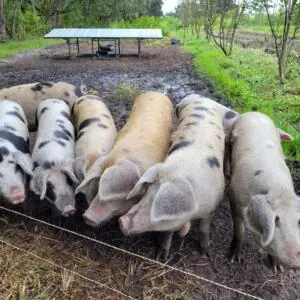
The plans for dealing with this simple risk are taken seriously. In order to know where the risks lie, the farm identifies where manure is traveling, from paddocks to packing shed or plantings. These “Critical Control Points” (CCP’s) are part of the farm’s HACCP plan (Hazard Analysis and Critical Control Point Systems plan), which means they are “identified, verified, and validated” so they all get met. With animals moving around the farm often, John starts thinking about where the manure will go the moment he starts designing the layout of fields. 

That means thinking about the flow of water. “I’d say, start there, as a farmer,” he suggests, “you need to look at ‘Which way does every drop flow?’ As it comes out of the sky and hits your farm. Then you need to know where your paddocks are, where you’re going to raise your crops, and what kind of crops you are going to raise (low or high risk).” Having staff trained in safe handling and protocols for visiting anywhere on the farm with manure or entering packing areas is also a necessary part of managing the CCP’s and risks of manure. 

Benefits you can see: soil fertility

Despite the risks, workload, and infrastructure needs, having pigs and chickens is an integral part of what makes Frog Song successful. When asked about the benefits of the 12+ years of crop-livestock integration at the farm, John spoke about one key indicator of soil health: the health of the cover crops. In the first few years, some fields barely sustained a cover crop. Other fields with more clay had large incongruencies in growth over the area and in how water moved through them (areas with poor drainage and large puddles). Now these same fields produce uniform, lush patches of cover crops, and as John reflects on a decade-plus of integration, he says, matter-of-factly, “every year certain blocks are getting better.”
Adam Bagul

By |2025-09-02T16:59:53-04:00July 13th, 2023|Uncategorized|

Policy Intern

Adam Bagul joins the OFRF team as a policy intern for the Summer 2023 quarter. He holds a B.A. in History of Public Policy and Law with a concentration in United States history from the University of California Santa Barbara. Before attending UC Santa Barbara, Adam enlisted in the United States Marine Corps as a rifleman and continues to serve in the Marine Corps Reserves. Throughout his undergraduate studies, as well as through his involvement in different student government organizations, Adam developed policy analysis and legislative writing skills that he is excited to contribute to the efforts of OFRF.

In his free time, Adam enjoys an active lifestyle by hiking, spending time at the gym, and running around the monuments of Washington, D.C.

Go to Top